 EN
EN
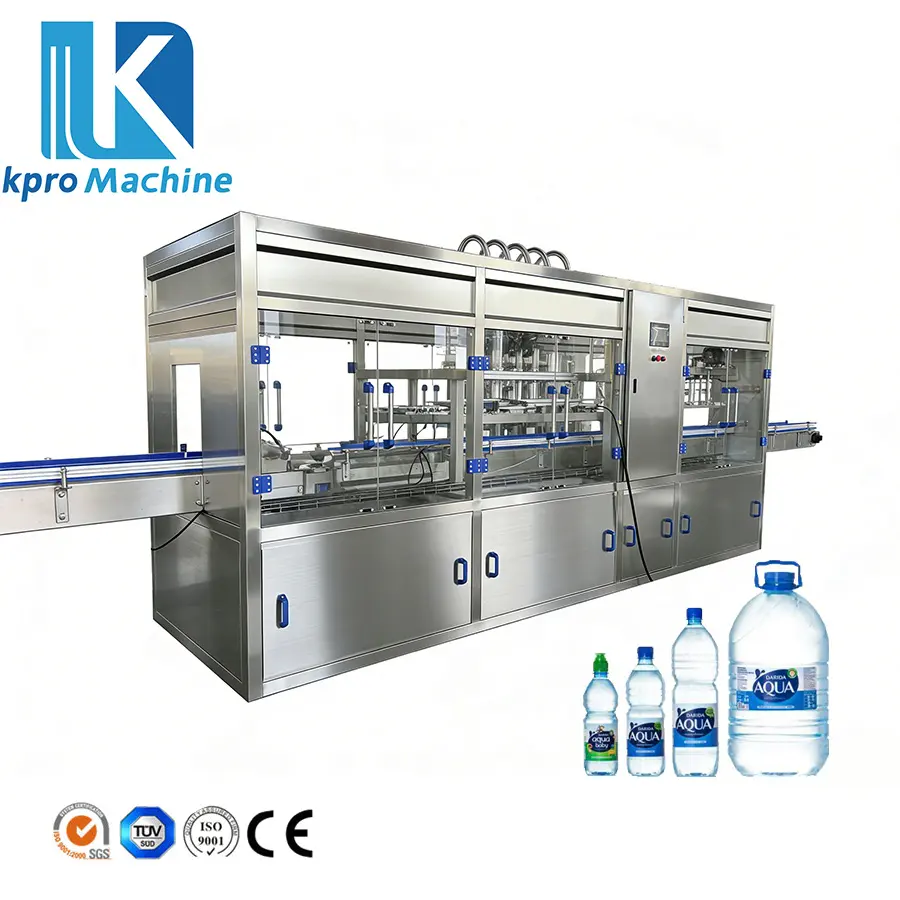
Upgrading your water filling machine for higher capacity production is a strategic investment that directly impacts your bottling facility's throughput, efficiency, and competitive positioning. As market demand grows and production schedules intensify, many beverage manufacturers find their existing filling equipment struggling to meet volume requirements while maintaining quality standards. Understanding the practical pathways for capacity enhancement—whether through mechanical upgrades, automation integration, or complete system replacement—enables plant managers to make informed decisions that balance capital expenditure with long-term operational gains.
The process of upgrading a water filling machine involves evaluating your current production bottlenecks, identifying specific capacity constraints, and implementing targeted improvements that deliver measurable increases in bottles per hour without compromising fill accuracy or product safety. This comprehensive guide walks you through the technical assessment methods, upgrade pathways, integration considerations, and performance validation steps needed to successfully scale your filling operations from lower-volume configurations to high-capacity production lines capable of meeting growing market demands.
Assessing Your Current Water Filling Machine Performance and Bottlenecks
Conducting a Baseline Production Capacity Audit
Before initiating any upgrade to your water filling machine, establish a precise baseline of your current production metrics. Document your actual bottles per hour output across multiple production shifts, noting variations between optimal conditions and real-world performance with changeovers, cleaning cycles, and minor stoppages included. This baseline measurement should capture not just the nameplate capacity your equipment was designed for, but the effective output you consistently achieve under normal operating conditions with your specific bottle formats and production schedules.
Measure key performance indicators including overall equipment effectiveness, filling accuracy consistency, reject rates, and downtime patterns across weekly and monthly cycles. Many facilities discover that their theoretical water filling machine capacity significantly exceeds their realized throughput due to accumulated inefficiencies in upstream bottle supply, downstream capping delays, or inspection bottlenecks that create system-wide constraints. Identifying whether your filling machine itself limits production or whether peripheral equipment creates the primary bottleneck determines the most cost-effective upgrade pathway.
Analyze your production data to identify specific constraint points within the filling process itself. Modern filling systems consist of bottle infeed timing, filling valve cycle time, level control precision, and discharge timing—each representing a potential limiting factor. Use time-motion analysis during production runs to determine which process step consumes the longest cycle time and creates the primary restriction on your water filling machine throughput. This granular understanding of where capacity constraints originate guides targeted upgrade investments rather than broad equipment replacement.
Identifying Mechanical and Control System Limitations
Examine the mechanical architecture of your existing water filling machine to understand its fundamental capacity ceiling. Rotary filling machines with fixed numbers of filling heads, for example, have throughput determined by carousel rotation speed and filling valve cycle time—both subject to mechanical and hydraulic limits. Linear filling machines face similar constraints based on indexing speed and station dwell time. Understanding whether your machine operates near its designed maximum speed or whether headroom exists for rate increases through control parameter adjustments determines whether upgrades can enhance your existing platform or require new equipment.
Evaluate the condition and capability of your machine's control system, which increasingly determines upgrade potential in modern filling operations. Older relay-logic or basic PLC systems may lack the processing speed and servo control precision needed to support higher-speed operation, while outdated human-machine interfaces limit operator ability to optimize performance parameters. Assess whether your current controls can support additional filling heads, faster valve actuation, or integration with upstream and downstream equipment automation—factors that significantly impact the feasibility of capacity upgrades without complete machine replacement.
Review the mechanical wear status of critical components including filling valves, seals, bearings, drive systems, and structural elements. A water filling machine showing significant wear may require substantial refurbishment before capacity upgrades become viable, as pushing degraded components to higher speeds and pressures accelerates failure rates and increases maintenance costs. Conversely, well-maintained equipment operating below its design capacity may accommodate meaningful throughput increases through relatively modest upgrades to specific subsystems rather than wholesale replacement.
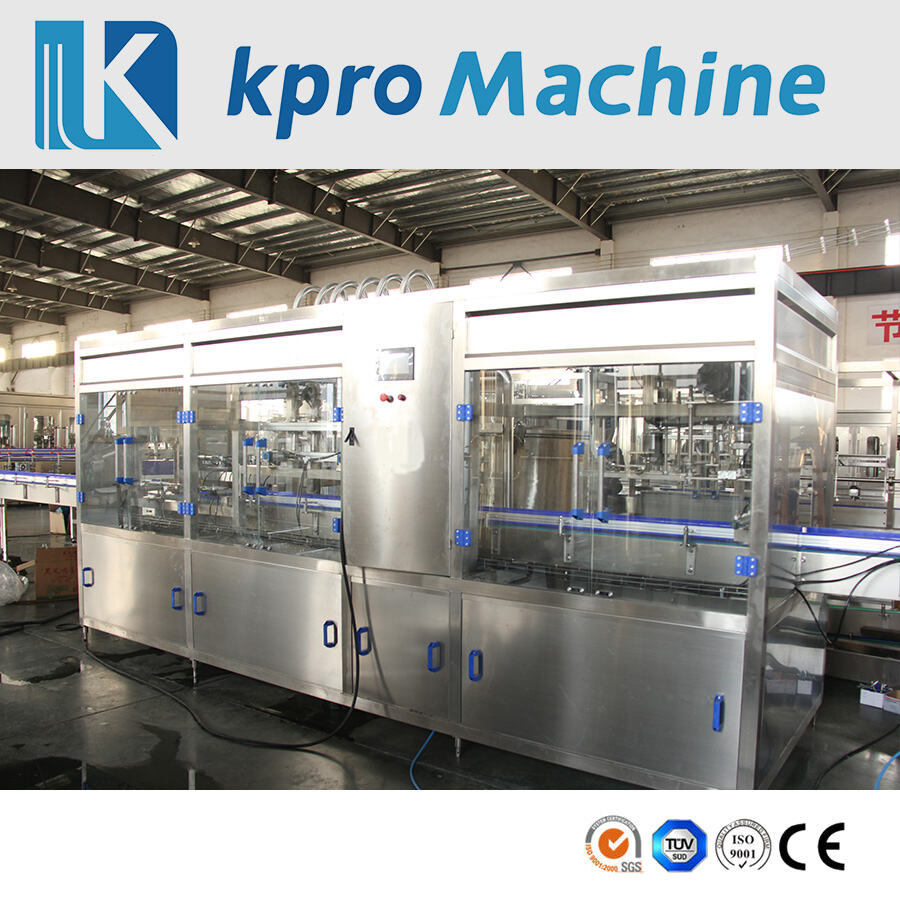
Upgrade Pathways for Increasing Water Filling Machine Capacity
Adding Filling Heads to Rotary and Linear Systems
One of the most direct methods for upgrading water filling machine capacity involves increasing the number of filling heads or stations on your existing platform. For rotary filling machines, this may mean replacing your current filling carousel with a larger-diameter unit accommodating additional filling positions, or in some machine designs, retrofitting additional valves into available mounting positions on your existing carousel structure. Each additional filling head proportionally increases theoretical capacity, assuming your infeed and discharge systems can supply and remove bottles at the correspondingly higher rate.
The feasibility of adding filling heads depends heavily on your machine's original design modularity and available floor space. Some manufacturers design their water filling machine platforms with expansion capability, allowing field installation of additional heads through standardized mounting interfaces and hydraulic distribution systems. Other designs require factory modification or complete carousel replacement to accommodate additional positions. Consult your equipment manufacturer's technical specifications and consider whether the capital investment in adding heads compares favorably against the cost and benefits of upgrading to a higher-capacity machine model designed for your target throughput.
When adding filling heads to upgrade capacity, ensure your water supply system, pressure regulation, and distribution manifolds can adequately serve the increased number of simultaneous fill cycles. Insufficient supply pressure or flow capacity creates filling inconsistencies across the expanded head count, negating the throughput benefits of additional stations. Similarly, verify that your bottle handling system—particularly star wheels, neck handling guides, and centering mechanisms—can maintain precise bottle positioning across the larger number of filling positions without increasing reject rates or spillage incidents.
Increasing Filling Speed Through Control and Valve Upgrades
Upgrading the filling valve technology and control systems on your water filling machine represents another pathway to higher capacity without changing the fundamental machine structure. Modern high-speed filling valves using electronic actuation and precision flow control can significantly reduce fill cycle time compared to older pneumatic or gravity-fed designs. Replacing mechanical fill-level control methods with electronic mass flow meters or time-pressure filling algorithms enables faster, more consistent filling that increases throughput while potentially improving fill accuracy and reducing product giveaway.
Implementing servo-driven motion control for your water filling machine carousel or indexing system allows more aggressive acceleration and deceleration profiles, reducing non-productive time between filling cycles. Advanced servo systems can optimize motion profiles to minimize mechanical stress while maximizing speed, and they provide precise synchronization with upstream and downstream equipment that eliminates timing gaps and waiting periods. Upgrading from fixed-speed mechanical drives to variable-frequency drives or servo systems often delivers ten to twenty percent capacity increases through improved motion efficiency alone, before considering other system enhancements.
Consider upgrading your machine's programmable logic controller and operator interface to support advanced process optimization features. Modern PLC platforms enable real-time adjustment of filling parameters based on bottle format, product characteristics, and line conditions, while predictive maintenance algorithms monitor component performance to prevent unexpected failures that cause extended downtime. Enhanced operator interfaces with production analytics and troubleshooting guidance help staff maintain optimal water filling machine performance consistently across shifts, eliminating the performance variability that reduces effective capacity in many facilities.
Integrating Upstream and Downstream Automation
Upgrading your water filling machine capacity often requires corresponding improvements to bottle supply and discharge systems that create system-wide throughput balance. High-speed air conveyors, accumulation tables, and dynamic buffering systems ensure continuous bottle supply to your filling machine infeed, eliminating the micro-stoppages that occur when bottle flow interruptions propagate through the line. Similarly, upgrading discharge conveyors and integrating automated capping, labeling, and case packing equipment prevents downstream bottlenecks from limiting your water filling machine's realized output despite increased filling capacity.
Implement line-integration controls that synchronize all equipment speeds and manage product flow dynamically across your entire bottling line. Modern manufacturing execution systems communicate between filling, capping, labeling, and packaging machines to maintain optimal flow without accumulation or starvation at transition points. These integrated control systems automatically adjust equipment speeds when upstream delays occur or downstream equipment requires brief maintenance, maintaining maximum sustainable throughput rather than operating at the lowest common denominator speed determined by the slowest single machine.
Consider upgrading bottle handling systems including unscrambling, rinsing, and orientation equipment that prepare containers for filling. A water filling machine upgraded for higher capacity requires correspondingly faster bottle preparation to avoid creating new bottlenecks at the line's beginning. High-speed rotary unscramblers, ionized air rinsing systems, and vision-guided orientation mechanisms ensure that clean, properly positioned bottles arrive at your filling machine continuously at the rate required to utilize its enhanced capacity fully.
Technical Considerations for Water Filling Machine Capacity Upgrades
Ensuring Fill Accuracy and Consistency at Higher Speeds
Maintaining precise fill volumes and consistent levels becomes more challenging as you upgrade your water filling machine to higher production speeds. Increased filling rates reduce the time available for each fill cycle, requiring more precise valve control and faster sensor response to achieve the same accuracy standards. Evaluate whether your current level sensing technology—whether mechanical float switches, capacitive sensors, or optical systems—can operate reliably at the faster cycle times your upgrade targets, or whether sensor upgrades become necessary to maintain quality standards.
Higher-speed water filling machine operation may require upgrading from volumetric filling methods to mass-based or time-pressure filling algorithms that offer better consistency at rapid cycle rates. Mass flow meters provide real-time feedback that enables closed-loop control, automatically compensating for variations in supply pressure, product temperature, or valve wear that would otherwise create fill-volume drift across production runs. While more expensive than simple mechanical fill-to-level systems, these advanced technologies often justify their cost through reduced product giveaway and lower reject rates when operating at elevated production speeds.
Implement statistical process control systems that continuously monitor fill weights or volumes across all filling heads on your upgraded water filling machine. Real-time trending identifies gradual performance degradation in specific valves or heads before they cause quality failures or line stoppages, enabling predictive maintenance that maintains high effective capacity. Automated data collection and analysis also provides the documentation required for regulatory compliance and quality certifications, which become increasingly important as production volumes scale upward.
Managing Increased Utility Demands and Infrastructure Requirements
Upgrading your water filling machine for higher capacity typically increases demands on facility utilities including electrical power, compressed air, and water supply that require corresponding infrastructure enhancements. Calculate the additional power requirements for increased motor loads, additional filling heads, and upgraded control systems to ensure your electrical service and distribution panels can support the enhanced configuration. Insufficient electrical capacity not only prevents reliable operation but may create voltage fluctuations that affect control system stability and overall line performance.
Assess your compressed air system's capacity to support additional pneumatic actuators, increased cylinder cycling rates, and any air-powered conveying or bottle handling systems added as part of your upgrade. Many facilities discover that their existing air compressor capacity becomes the limiting factor when upgrading water filling machine throughput, requiring compressor upgrades or additional units to maintain adequate pressure and flow. Consider whether transitioning certain functions from pneumatic to electric actuation might reduce air consumption even as overall capacity increases, potentially avoiding costly air system expansion.
Verify that your water treatment, storage, and distribution systems can supply product at the increased flow rates required by your upgraded filling machine. Higher production speeds demand correspondingly higher instantaneous water flow to filling manifolds, which may exceed the capacity of existing filtration equipment, UV sterilization systems, or distribution piping. Calculate required flow rates based on your target bottles per hour and individual bottle volumes, then engineer any necessary upgrades to treatment and supply systems before commissioning your enhanced water filling machine configuration.
Validating Sanitation and Food Safety Compliance
Ensure that capacity upgrades to your water filling machine maintain or enhance sanitation standards and regulatory compliance rather than creating new contamination risks. Adding filling heads, modifying valve systems, or integrating new components introduces additional surfaces requiring cleaning and sanitation, potentially complicating your clean-in-place procedures. Design upgrade implementations with sanitation accessibility in mind, ensuring all product-contact surfaces remain easily accessible for inspection and cleaning, and that CIP spray patterns adequately cover all new or modified components.
Validate that materials used in upgraded water filling machine components meet food-grade standards and regulatory requirements for contact with potable water or beverage products. Stainless steel specifications, elastomer formulations for seals and gaskets, and surface finish requirements all impact product safety and must be verified for any aftermarket components or third-party upgrades. Maintain documentation of material certifications and compliance testing to support regulatory audits and quality system requirements, particularly important when modifications affect product-contact pathways.
Consider whether your upgrade timing can be coordinated with planned sanitation validations or regulatory inspections to efficiently incorporate new equipment qualification into existing compliance processes. Higher-capacity production may trigger additional regulatory scrutiny or require updated hazard analysis and critical control point documentation, particularly if throughput increases change risk profiles for microbial growth or contamination introduction. Work with your quality assurance team to ensure upgrade implementations support rather than complicate ongoing compliance efforts.
Implementation Strategy and Performance Validation
Planning Installation Timing to Minimize Production Disruption
Develop a detailed implementation plan that minimizes downtime impact when upgrading your water filling machine for higher capacity. Many upgrades can be staged across multiple planned maintenance windows rather than requiring extended continuous shutdown, particularly when improvements involve control system updates, peripheral equipment additions, or component replacements that don't require major mechanical disassembly. Coordinate with equipment suppliers and service technicians to pre-fabricate custom components, pre-program control systems, and conduct as much preparation work as possible offline before beginning the actual installation shutdown.
Consider whether a phased upgrade approach might balance capacity improvements against capital availability and operational risk. Implementing control system and valve upgrades first to increase speed on existing heads, then adding additional filling positions during a subsequent maintenance window, distributes investment over time while delivering incremental capacity gains. This staged approach also allows operational learning and process optimization at intermediate capacity levels before reaching final target throughput, reducing the risk of quality or reliability issues when pushing to maximum production rates.
Prepare comprehensive contingency plans addressing potential installation complications or performance issues that might extend downtime beyond planned windows. Maintain access to temporary production capacity through contract manufacturing relationships or equipment rental options that can bridge unexpected delays in bringing your upgraded water filling machine to full operational status. Clear communication with customers about potential short-term capacity constraints during upgrade implementation prevents customer dissatisfaction and maintains business relationships through the transition period.
Conducting Performance Testing and Process Optimization
Following installation of capacity upgrades to your water filling machine, conduct systematic performance validation testing that confirms achievement of target throughput rates while maintaining quality standards. Begin testing at moderate speeds well within the upgraded system's capability, then incrementally increase production rates while monitoring fill accuracy, reject rates, mechanical behavior, and system stability. This gradual ramp-up approach identifies any issues or limitations at intermediate speeds where corrective actions are easier to implement than during full-speed operation.
Perform extended production trials at target capacity levels to validate sustained performance and identify any reliability concerns that emerge only during continuous high-speed operation. Short demonstration runs may successfully hit peak rates that cannot be maintained across full production shifts due to component heating, gradual calibration drift, or maintenance requirements that accumulate over hours of operation. Running your upgraded water filling machine through multiple complete shifts at full target capacity provides confidence that rated throughput represents real production capability rather than just theoretical maximum.
Work closely with machine operators and maintenance technicians during the commissioning and optimization period to transfer knowledge about the upgraded equipment's operation and maintenance requirements. Document optimal operating parameters, adjustment procedures, and troubleshooting protocols specific to your enhanced configuration, creating standard operating procedures that ensure consistent performance across all shifts and operators. Invest in comprehensive training that enables your team to fully utilize the capabilities of your upgraded water filling machine and maintain its performance over the long term.
Measuring Return on Investment and Long-Term Performance
Establish clear metrics for evaluating the financial return on your water filling machine capacity upgrade investment. Calculate the effective cost per additional bottle of production capacity gained, comparing this figure against alternative capacity expansion options including adding production shifts, purchasing additional complete filling lines, or outsourcing overflow production. Track not just the capital cost of upgrade components and installation, but also the operational benefits including reduced per-unit production costs, improved labor efficiency, and enhanced ability to respond to demand fluctuations or customer requirements.
Monitor long-term performance sustainability of your upgraded equipment to verify that enhanced capacity remains achievable as components accumulate operating hours and normal wear occurs. Some upgrades that push equipment closer to design limits may experience accelerated maintenance requirements or reduced component life compared to more conservative operating parameters. Track maintenance costs, spare parts consumption, and unplanned downtime rates over the first year following your water filling machine upgrade to identify whether operational expenses increase disproportionately relative to capacity gains, signaling need for additional improvements or operating parameter adjustments.
Compare your realized capacity increases and performance improvements against the projections and commitments made during the upgrade planning and approval process. Document lessons learned regarding what worked well, what challenges emerged, and what you would approach differently in future capacity enhancement projects. This institutional knowledge becomes valuable when planning subsequent upgrades to other production lines or equipment systems, improving your organization's capability to successfully scale manufacturing capacity in response to business growth.
FAQ
What is the typical cost range for upgrading a water filling machine versus buying new equipment?
Upgrading an existing water filling machine typically costs between thirty and sixty percent of purchasing equivalent new equipment, depending on the scope of modifications required. Simple control system upgrades or valve replacements may cost only fifteen to twenty-five percent of new machine investment, while extensive mechanical modifications adding filling heads or requiring major structural changes may approach seventy percent of new equipment cost. The economic advantage of upgrading versus replacement depends heavily on your existing machine's age, condition, and how closely the upgraded configuration matches your long-term production requirements compared to purpose-designed new equipment optimized for your target capacity.
How much production capacity increase can I realistically expect from upgrading my water filling machine?
Realistic capacity increases from water filling machine upgrades range from fifteen percent improvements through control optimization and speed increases, up to one hundred percent or more when adding significant numbers of filling heads to expandable machine platforms. Most facilities implementing comprehensive upgrades including both mechanical enhancements and automation improvements achieve capacity gains in the thirty to fifty percent range. The achievable increase depends on how conservatively your existing machine currently operates relative to its design limits, the compatibility of your machine platform with available upgrade technologies, and whether peripheral equipment can support the enhanced filling machine throughput without creating new bottlenecks elsewhere in your production line.
Will upgrading my water filling machine void manufacturer warranties or affect service support?
Manufacturer warranty and service support implications vary significantly depending on whether upgrades are performed by the original equipment manufacturer, authorized service partners, or third-party modification specialists. OEM-designed and installed upgrades typically maintain existing warranty coverage and may even extend warranties on upgraded components, while unauthorized modifications often void manufacturer warranties and may result in declined technical support. Before proceeding with capacity upgrades, clarify warranty implications in writing with your equipment manufacturer and consider whether maintaining OEM relationships justifies potentially higher upgrade costs compared to third-party alternatives that might offer lower prices but reduced ongoing support.
How long does a typical water filling machine capacity upgrade project take from planning to full production?
Complete water filling machine upgrade projects typically span three to six months from initial assessment and planning through final commissioning and optimization. Simple upgrades involving only control system modifications or component replacements may be completed within four to six weeks, while complex projects requiring custom fabrication, multiple system integrations, or significant mechanical modifications may extend to nine months or longer. The timeline includes initial capacity analysis and engineering design, component procurement and fabrication, installation during planned production shutdowns, performance testing and validation, operator training, and the gradual ramp-up period to achieve stable full-capacity operation. Projects managed with strong coordination between internal teams, equipment suppliers, and installation contractors tend to complete faster than those with fragmented responsibilities or unclear decision authority.
Table of Contents
- Assessing Your Current Water Filling Machine Performance and Bottlenecks
- Upgrade Pathways for Increasing Water Filling Machine Capacity
- Technical Considerations for Water Filling Machine Capacity Upgrades
- Implementation Strategy and Performance Validation
-
FAQ
- What is the typical cost range for upgrading a water filling machine versus buying new equipment?
- How much production capacity increase can I realistically expect from upgrading my water filling machine?
- Will upgrading my water filling machine void manufacturer warranties or affect service support?
- How long does a typical water filling machine capacity upgrade project take from planning to full production?