 EN
EN


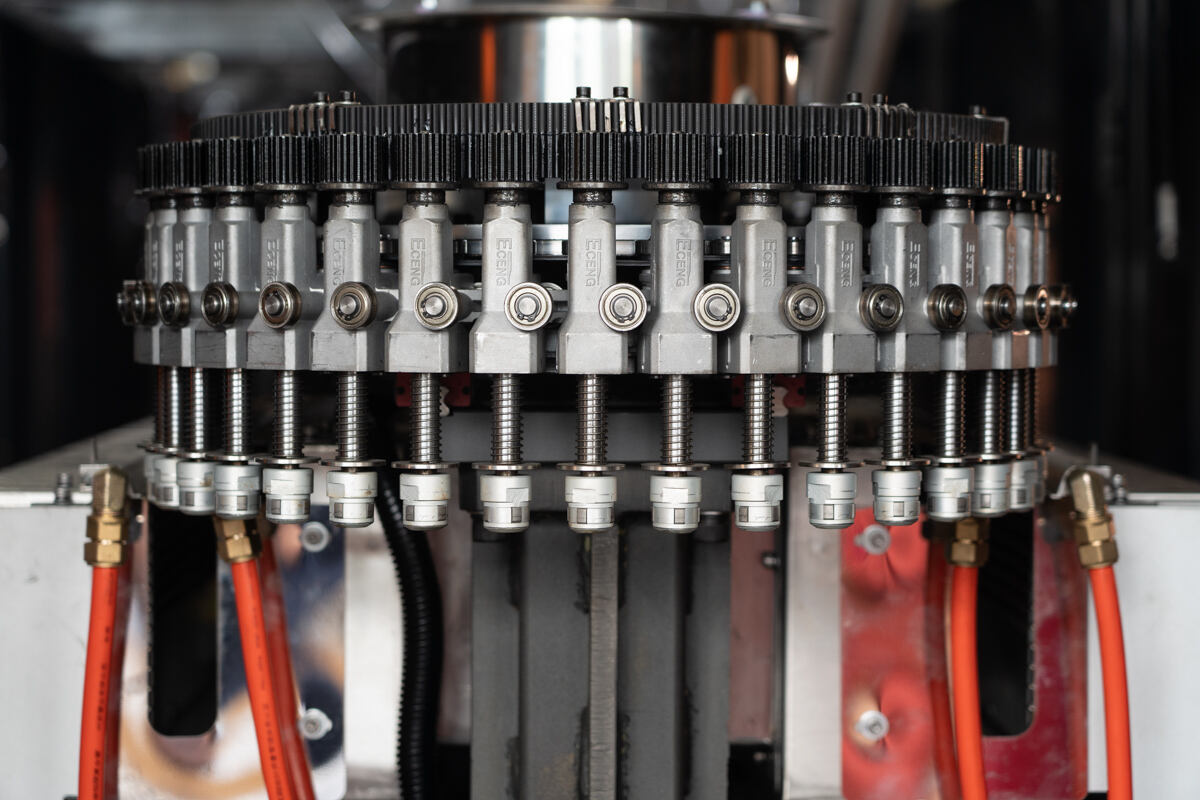
Gravity Fillers: Cost-Effective Simplicity for Low-Viscosity Oil Filling
How Gravity-Based Oil Filling Works and Its Role in Edible Oil Packaging
Gravity fillers work by using a raised tank and valves that open at specific times to let oil flow down naturally without needing any pumps, pressure systems, or complicated control mechanisms. The simple setup makes them great for filling clean, runny oils such as vegetable oil, sunflower oil, and lighter olive oils where keeping things clean and operations straightforward matters most. These machines do require bottles to be placed consistently though. If the containers vary in height even a little bit, it can throw off the amount filled by around 2 to 3 percent. For oils that flow easily and when production rates stay around 60 bottles per minute or so, gravity filling remains a solid choice that meets FDA standards while costing about 40% less upfront compared to those fancy pump or piston systems many companies go for instead.
Limitations in Accuracy and Throughput — When to Avoid This Oil Filling Machine Type
Gravity fillers just don't cut it when we need really precise measurements or dealing with tricky fluids that behave differently. The accuracy range of about plus or minus 2 to 3 percent simply doesn't meet what most regulations or businesses require these days, especially when talking about expensive products or those that need strict control. We're looking at situations where even small differences in fill weight can affect whether something complies with standards, how it gets labeled, or worse yet, blow up the cost per item. Most gravity fillers max out around 60 containers per minute, which makes no sense whatsoever for big operations needing to fill over 200 units every minute like many lubricant producers do. For anyone serious about volume and consistency, gravity fillers should be right at the bottom of their equipment shopping list.
- Motor oils or gear lubricants (viscosity 200 cSt)
- Foaming products like essential oils or terpene-rich extracts
- Oxygen-sensitive oils (e.g., CBD, fish oil) requiring inert gas flushing
- High-precision batches where overfill or underfill triggers quality or regulatory risk
In these cases, piston or pump-based oil filling machines provide the control, repeatability, and environmental safeguards needed.
Piston Fillers: High-Precision Volumetric Oil Filling for Medium-to-High Viscosity Applications
Positive Displacement Mechanics and ±0.5% Accuracy in Lubricant and Essential Oil Lines
Piston fillers work based on positive displacement principle where a calibrated cylinder pulls in and releases a set amount during each stroke. The system works regardless of how thick the material is or what the temperature does. This kind of setup gives pretty good volumetric accuracy around plus or minus 0.5 percent. That level matters quite a bit when dealing with things like synthetic lubricants, those special therapeutic essential oils, and high quality edible oils such as argan oil or other silicone based products. According to some recent studies from Packaging Industry Report 2023, these piston fillers cut down on wasted product by about 3 to 5 percentage points compared to regular gravity filling methods. That means better yields and healthier profit margins for manufacturers. Plus there's another benefit worth mentioning too. Because the dispensing path stays sealed and doesn't rely on pressure, it helps prevent oxidation and foaming issues. This is really important stuff when trying to keep volatile ingredients stable and make sure products last longer on store shelves before they go bad.
Multi-Format Compatibility: Bottles, Pails, and Drums
Today's servo driven piston fillers handle container size changes pretty quickly whether it's small 50mL essential oil bottles or large 200 liter industrial drums thanks to their programmable controls and those handy quick change nozzles. One major auto lubricant company saw amazing results when they installed this kind of system getting right around 99.2% accuracy across 15 different container types which basically wiped out all those annoying overfill issues they had with their gear oil production. The machines have stainless steel components where they touch products plus non contact dispensing methods so they meet both FDA 21 CFR Part 110 requirements and ISO 9001 standards. This means manufacturers can use them safely for food grade materials as well as regular industrial applications without worrying about cross contamination problems.
Pump-Based Oil Filling Machines: Handling Viscous, Foaming, and Oxygen-Sensitive Oils
Gear vs. Lobe Pumps for Motor Oils and Cold-Pressed Olive Oils
When gravity feeding just won't cut it and pistons struggle, pump systems step in to handle those tricky situations involving thick, sensitive, or unstable oils. Gear pumps work great for heavy duty stuff like motor oil above 500 cPs, their meshed teeth creating consistent displacement chambers time after time. The lobe pump takes a different approach though, with synchronized rotating parts that don't actually touch each other, allowing products like cold pressed olive oil or avocado oil to pass through without getting damaged. These premium edible oils need special handling since they contain delicate flavors and valuable polyphenols that can get ruined otherwise. Some tests have found that lobe pumps cut down on oxidation by about 40 percent when compared side by side with gear pumps in controlled environments, which makes a big difference for quality preservation.
| Pump Type | Viscosity Range | Shear Sensitivity | Accuracy Tolerance |
|---|---|---|---|
| Gear | 50–10,000 cPs | Moderate | ±1.0% |
| Lobe | 100–50,000 cPs | Minimal | ±0.75% |
Gear pumps offer cost-effective scalability for industrial lubricant lines; lobe pumps protect sensory and nutritional integrity in high-margin edible oils.
Vacuum Fillers for CBD, Cosmetic, and Other Sensitive Oil Applications
Vacuum fillers were designed mainly for those tricky products that react badly to oxygen exposure, volatility issues, or require high visual standards. Think CBD extracts, cosmetic serums, fragrance oils basically anything where quality matters a lot. These machines work by pulling the product into containers while creating negative pressure below 0.5 bar. This approach gets rid of air pockets between product and container walls, stops foaming problems when working with terpene rich materials, and keeps sensitive compounds from evaporating away. Industry leaders claim their vacuum systems hit around 99.7% accuracy rate compared to just 92% with regular atmospheric filling methods. Studies also show products stay fresh about 30% longer since oxidation is kept at bay. Some models even come equipped with nitrogen purging features that maintain both strength and appearance. This makes all the difference when filling clear glass bottles where bubbles or inconsistencies can really hurt how customers perceive the product quality and ultimately affect what they think about the brand itself.
Overflow Fillers: Achieving Visual Consistency and Premium Presentation in Oil Packaging
Overflow fillers focus more on how things look than getting exact measurements right down to the last drop, which is why they're so important for high end oils that come in clear bottles standing upright on store shelves. The system works by letting oil keep flowing into containers until it hits a certain mark, then sending whatever goes over the top back to the main tank through a special overflow pipe. This setup helps deal with those tiny differences between bottles that happen during manufacturing, making sure all products look exactly the same when displayed together. Even though there's still about a 1% variation in actual volume, what matters most to customers looking at virgin olive oil, avocado oil, or those fancy nut oils is how consistent everything appears. After all, these are products where people pay extra because of their reputation and packaging aesthetics rather than just needing oil for cooking.
Closed loop systems really cut down on waste and mess, which is why they work so well for oils that aren't too thick (anything below 500 cP generally). Most standard setups can manage around 40 to 70 containers every minute, while the faster versions push past 100 fills per minute easily enough. Things get tricky when dealing with super thick stuff like heavy gear oil or any oil containing particles since these tend to clog nozzles and drain slowly, making the whole process unreliable at times. When it comes to premium items such as gourmet cooking oils, beauty products, or CBD tinctures packaged in clear glass bottles, overflow filling stands out because it manages to look great while still being both efficient and clean in operation.
FAQ
What are the benefits of using piston fillers for oil packaging?
Piston fillers provide high precision and accuracy in the oil filling process, which is critical for products requiring strict control, such as synthetic lubricants and therapeutic essential oils. They reduce waste and maintain product integrity.
What types of oils are best suited for gravity fillers?
Gravity fillers work best with low-viscosity oils such as vegetable oil, sunflower oil, and lighter olive oils due to their simplicity and cost-effectiveness for small to medium production rates.
Why might a company choose vacuum fillers for oil applications?
Vacuum fillers are ideal for handling sensitive oils that react negatively to oxygen or require high visual standards, such as CBD extracts and cosmetic serums. They ensure a high accuracy rate and prolong shelf life by reducing oxidation.
What are overflow fillers primarily used for?
Overflow fillers are primarily used for achieving visual consistency in oil packaging, particularly for high-end oils in clear bottles, ensuring that all products look uniform on store shelves.
Table of Contents
- Gravity Fillers: Cost-Effective Simplicity for Low-Viscosity Oil Filling
- Piston Fillers: High-Precision Volumetric Oil Filling for Medium-to-High Viscosity Applications
- Pump-Based Oil Filling Machines: Handling Viscous, Foaming, and Oxygen-Sensitive Oils
- Overflow Fillers: Achieving Visual Consistency and Premium Presentation in Oil Packaging
- FAQ