 EN
EN
How Water Filling Machines Work: Core Operating Principles
Gravity filling: Simplicity and cost-efficiency for still water bottling
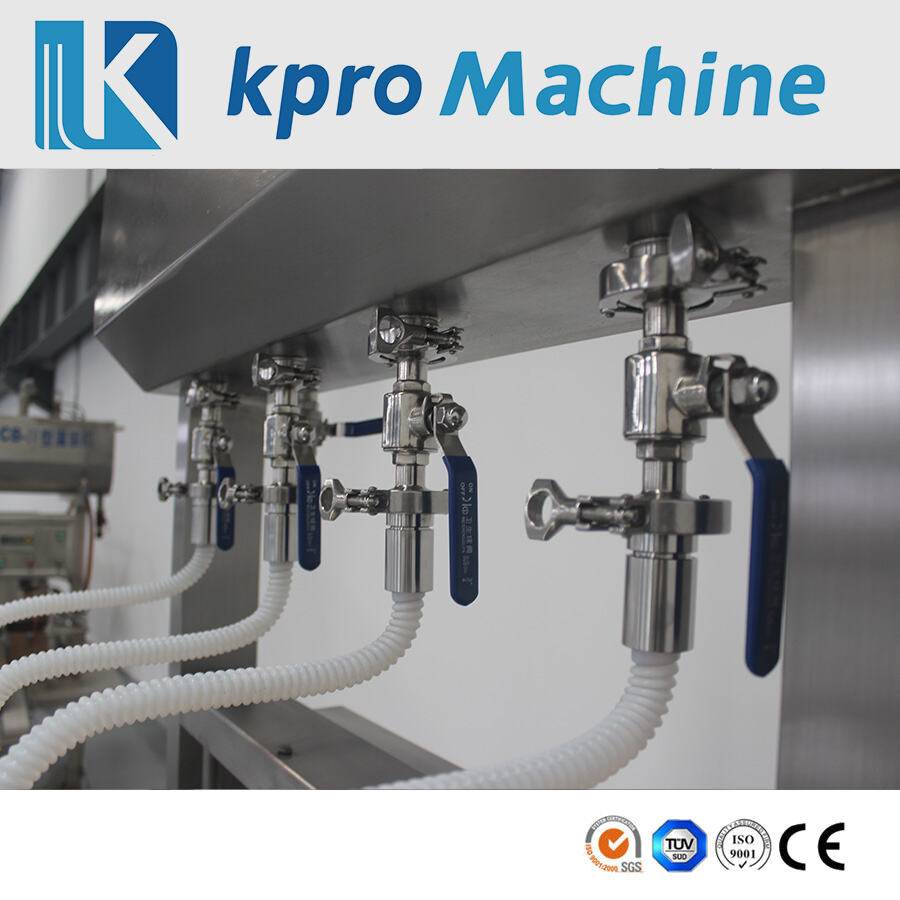
The gravity filling process works pretty simply actually water just flows down from a high tank into bottles thanks to good old gravity. When bottles get placed under the nozzles, valves pop open allowing accurate filling without needing any pumps at all. For regular water products, this approach hits around plus or minus half a percent accuracy, which is pretty impressive considering how much simpler these systems are mechanically. Maintenance tends to cost about 30% less than those fancy pressurized alternatives too. Small businesses and companies in developing regions really benefit from gravity fed equipment since they handle both plastic PET bottles and glass containers ranging from 200ml right up to 5 liters. Plus there's the bonus of built in hygiene features with sealed pathways that resist contamination making them safer for food grade applications.
Pressure (isobaric) filling: Maintaining CO₂ integrity in sparkling and carbonated water
The pressure filling process sets up a sealed environment with around 3 to 6 bars of pressure to get things just right for carbonated drinks. These special double valve nozzles keep everything balanced as the container fills up, so we don't lose any precious gas or end up with unwanted foam. The result? About 99.2 percent of the original carbonation stays intact compared to regular gravity filling methods. We rely on stainless steel parts that stay at controlled temperatures for reliable results every time. Before actual filling happens, there's an automatic CO2 flush that gets rid of oxygen which would otherwise ruin flavors and shorten how long products last on shelves. For companies making sparkling waters in aluminum cans or those pressurized plastic bottles, this whole setup matters a lot because keeping those bubbles stable and maintaining proper sugar levels is absolutely key to quality control.
Vacuum filling: Preserving flavor stability and minimizing foam in oxygen-sensitive waters
The vacuum filling process works by pulling air out of bottles prior to adding liquid, which gets dissolved oxygen levels down to under half a part per million. The system creates a controlled negative pressure that pulls water into containers in a gentle manner, cutting down on those pesky issues like turbulence, foaming, and oxidation problems. What does this mean for product quality? Well, it helps keep those sensitive flavor compounds intact in functional waters that contain things like added vitamins, electrolyte blends, or even plant-based extracts. Manufacturers have also started incorporating advanced optical sensors these days, capable of detecting fill levels accurate to within just 0.3 mm. This kind of precision definitely supports the premium branding angle many companies are going for nowadays. When compared against traditional filling approaches, vacuum systems actually manage to extend shelf life by around 40%, and they work particularly well with thicker, enhanced water products where shear stress would normally be a concern during processing.
Machine Architecture: Piston, Rotary, and Linear Water Filling Machines
Piston Fillers: High-Precision Volumetric Control for Pure, Mineral, and Distilled Water
Piston based fillers can achieve around plus or minus 0.5 percent accuracy when filling non carbonated waters such as pure water, mineral water, and distilled water. The design features a sealed cylinder piston system that stops different products from mixing together and keeps them away from regular air contact. This helps meet those ISO 22000 standards most food and beverage companies need to follow. For drinks with added electrolytes, this kind of precision really matters because too much liquid might throw off the balance of ingredients listed on the package. Getting the right amount in each bottle ensures what's written on the label actually matches what's inside.
Rotary vs. Linear Configurations: Throughput, Footprint, and Scalability for Medium- to High-Volume Water Filling Machine Lines
When it comes to mass production, rotary systems are king for operations producing over 12,000 bottles each hour. These systems take up less space thanks to their circular layout, which makes them ideal for factories where every square foot counts. The constant motion of these machines works best in big plants that stick to standard bottle shapes and sizes. For mid-sized operations between 1,000 and 5,000 bottles per hour, linear setups make more sense because they can be expanded as needed and switch between different bottle formats quickly something that matters a lot for companies making seasonal flavored waters. According to industry research from last year, when looking at plants producing more than 20,000 bottles an hour, rotary systems cut down on labor expenses by around 30% compared to linear ones. But don't overlook the other side of the coin either those linear machines still manage to changeover 40% faster than their rotary counterparts when switching product lines.
Selecting the Right Water Filling Machine by Application and Packaging Format
Container compatibility: Optimizing water filling machines for PET, glass, HDPE, and pouch formats
What kind of container we're dealing with makes all the difference in how the filler equipment needs to be set up and run. For those PET bottles, getting the right nozzle alignment matters a lot, plus keeping the neck area steady so nothing gets squished during those fast carbonated fills at production speed. Glass is another story entirely. These delicate things need gentle handling through the whole process. That means things like soft rubber starwheels on the conveyor belts and maybe some extra padding in the chute areas where they transition from one station to another. HDPE jugs in the 3 to 5 gallon range present their own challenges too. They need higher fill points because of their weight, along with stronger supports built into the machine frame to keep everything stable. When it comes to pouch packaging, there's a whole different dance going on between the sealing jaws and the volumetric filler heads. Getting these two components timed just right is critical for good results. Speaking of equipment choices, rotary systems work great for straightforward runs of PET or glass containers where everything stays consistent. But if the operation involves multiple container types or small batch runs that change frequently, then linear machines tend to make more sense despite needing regular tool changes.
Specialized demands: Flavored, functional, and viscous waters requiring flow-meter or peristaltic pump integration
When dealing with non-standard formulations, manufacturers face several common issues including viscosity problems, stability concerns, and challenges related to aeration. For flavored waters containing sweeteners or pulp suspensions, flow meter systems prove particularly useful since they can accurately measure volumes even when densities change during production runs. These systems maintain around plus or minus 0.5% fill accuracy across different formulations. Many functional waters packed with vitamins or electrolytes rely on peristaltic pumps instead. What makes them special? They keep the product away from moving parts inside the machinery, allowing safe handling of thicker liquids up to 5,000 centipoise without damaging delicate ingredients. Alkaline waters that are sensitive to oxygen levels work well with vacuum assisted filling methods. Meanwhile, products like dairy infused beverages or collagen drinks need pumps designed for sanitation purposes, featuring smooth surfaces free of crevices and seals compatible with cleaning processes to stop bacteria growth. All these technological solutions help reduce foaming incidents, minimize sediment buildup, and protect nutrients throughout the entire manufacturing process until products reach store shelves.
FAQ
What is the main advantage of gravity filling machines?
The main advantage of gravity filling machines is their simplicity and cost efficiency. They achieve accurate filling without the need for pumps, and their maintenance costs are about 30% lower compared to pressurized alternatives.
Why are pressure filling machines important for carbonated drinks?
Pressure filling machines maintain an optimal pressure environment that preserves the carbonation levels in carbonated drinks, preventing unwanted foam and loss of gas, thereby ensuring quality control.
How do vacuum filling machines preserve flavor?
Vacuum filling machines reduce dissolved oxygen levels, minimize foaming and oxidation, thereby preserving flavor stability in oxygen-sensitive and functional water products.
When should one opt for a rotary machine over a linear machine?
Rotary machines are ideal for high-volume production over 12,000 bottles per hour and when space optimization is crucial. Linear machines are suitable for mid-sized operations and frequent changeovers of different container types or product lines.
What are the challenges in filling HDPE jugs compared to PET bottles?
HDPE jugs require higher fill points and stronger supports due to their weight, while PET bottles need precise nozzle alignment and neck stability during fast production speeds.
Table of Contents
- How Water Filling Machines Work: Core Operating Principles
- Machine Architecture: Piston, Rotary, and Linear Water Filling Machines
- Selecting the Right Water Filling Machine by Application and Packaging Format
-
FAQ
- What is the main advantage of gravity filling machines?
- Why are pressure filling machines important for carbonated drinks?
- How do vacuum filling machines preserve flavor?
- When should one opt for a rotary machine over a linear machine?
- What are the challenges in filling HDPE jugs compared to PET bottles?