 EN


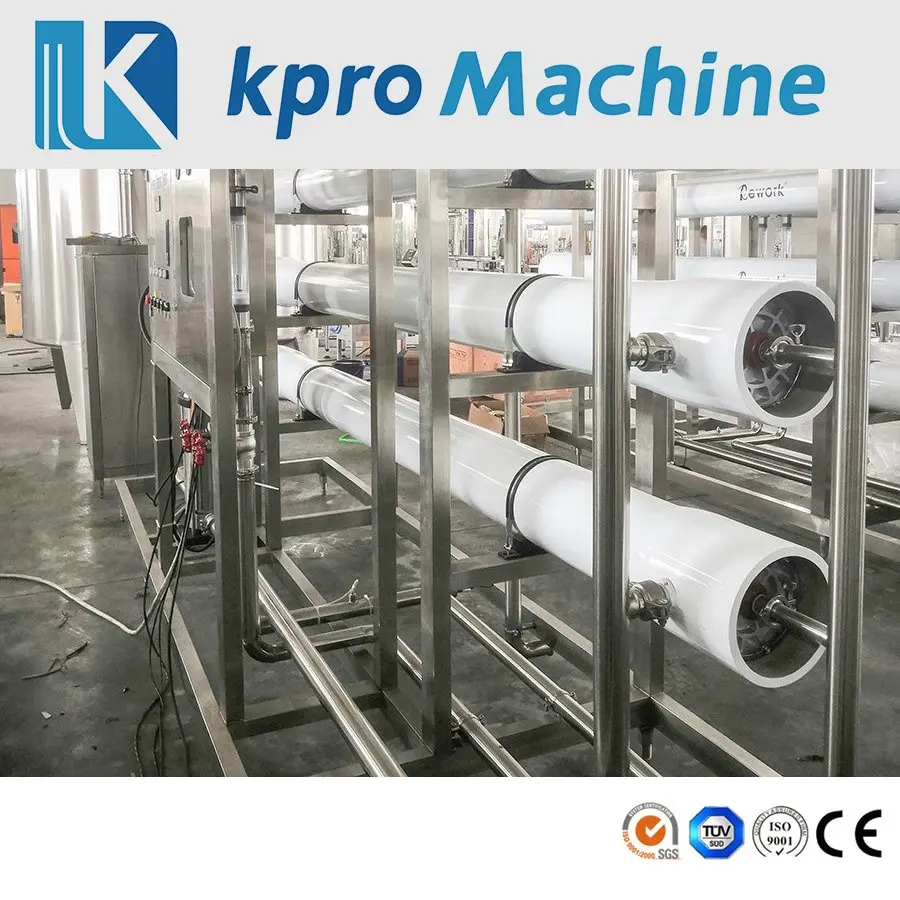
A pure water machine is essential for businesses and facilities that depend on high-quality water for production, consumption, or processing. However, like all industrial equipment, a pure water machine can develop issues that affect performance, water quality, and operational efficiency. Understanding common problems and knowing how to troubleshoot them can save significant time, money, and downtime. This guide explores the most frequent challenges operators face with a pure water machine and provides practical troubleshooting strategies to resolve them quickly and effectively.
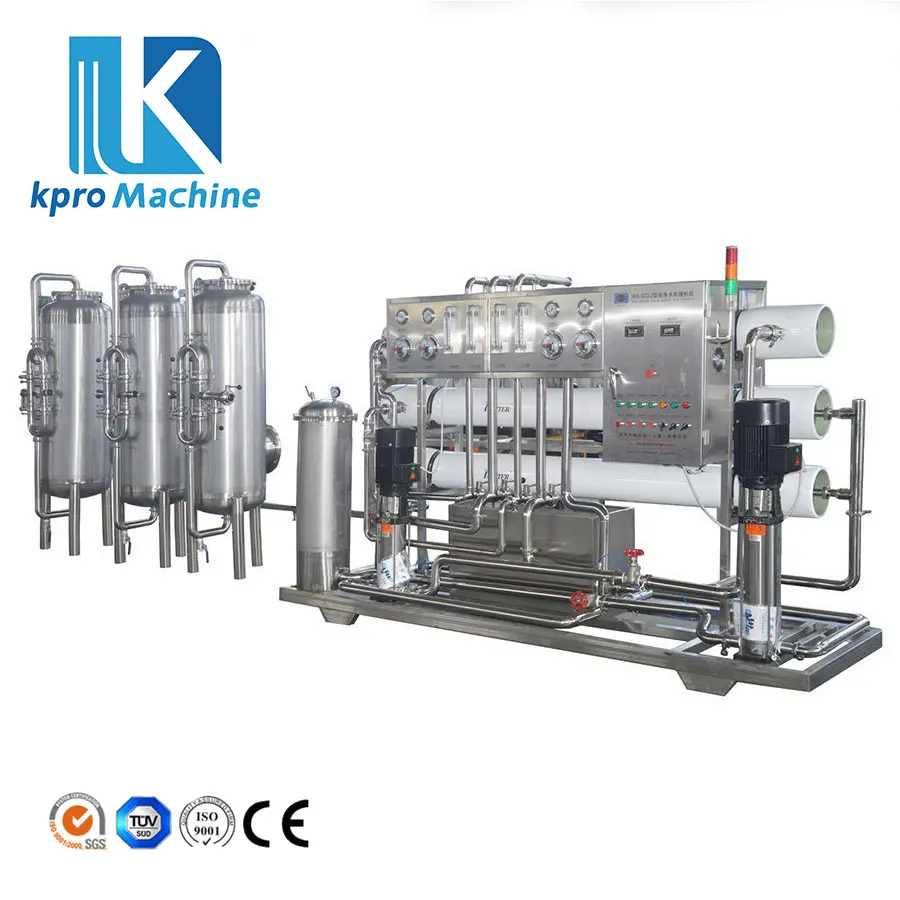
Troubleshooting a pure water machine requires systematic diagnosis and understanding of how each component contributes to overall output quality. Whether you operate a small commercial unit or a large-scale industrial pure water machine, recognizing early warning signs helps prevent catastrophic failures. This article provides industrial operators, facility managers, and maintenance technicians with the knowledge needed to identify, diagnose, and fix the most common pure water machine issues before they impact production.
Common Performance Issues in Pure Water Machine Systems
Low Water Output and Reduced Flow Rate
One of the most frequently reported problems with a pure water machine is a significant decrease in water output or flow rate. When a pure water machine produces less water than its rated capacity, the underlying cause is often a clogged or deteriorating pre-filter or membrane. Pre-filters trap sediment, particles, and chlorine, protecting the reverse osmosis membrane from damage. Over time, these filters accumulate contaminants and restrict water flow through the pure water machine, reducing production capacity by 30 to 50 percent or more.
To troubleshoot low output from your pure water machine, first check the pressure gauge and inlet pressure. A healthy pure water machine typically operates at 60 to 80 PSI. If inlet pressure is below 40 PSI, water supply issues may be the culprit. Next, examine the pre-filter cartridge by turning off the pure water machine and depressurizing the system. A discolored or dark pre-filter indicates contamination buildup. Replace the pre-filter immediately if it appears worn or stained. If output remains low after filter replacement, the reverse osmosis membrane inside your pure water machine may be fouled or deteriorating. Membrane replacement is often necessary every 2 to 3 years depending on feed water quality and usage intensity.
High Water Reject Rate and Wastewater Concerns
A pure water machine operates by forcing pressurized water through a semipermeable membrane, creating two outputs: pure water (permeate) and rejected water (concentrate). An abnormally high reject rate means your pure water machine is producing excessive wastewater relative to usable pure water. This situation indicates that the membrane or pretreatment system is not working efficiently. High reject rates also increase water costs and operational expenses, making this issue critical for facility managers monitoring water consumption.
When diagnosing high wastewater from a pure water machine, first test the feed water quality using a total dissolved solids (TDS) meter. Feed water with very high TDS or hardness requires more aggressive filtration, forcing the pure water machine to reject more water. Additionally, a clogged or fouled membrane forces the system to work harder, increasing reject water significantly. If the pure water machine's reject rate has increased suddenly, check the membrane pressure—most systems have pressure relief valves that should be inspected annually. Cleaning the membrane using a membrane-cleaning service can restore efficiency, but replacement may be necessary if the pure water machine is older or the membrane shows permanent damage.
Water Quality Issues and Contaminant Breakthrough
Poor Water Quality and TDS Breakthrough
The primary function of a pure water machine is to remove dissolved minerals and contaminants, producing water with low total dissolved solids. When a pure water machine begins producing water with unacceptable TDS levels or visible discoloration, quality degradation has occurred. This issue typically indicates that the membrane has developed microscopic tears or that pre-filtration is inadequate. Users may notice a slightly sweet or mineral taste in the water, which signals that the pure water machine is no longer effectively removing salts and minerals.
To troubleshoot water quality issues in your pure water machine, measure the permeate (product water) TDS immediately using a calibrated meter. Compare this reading to the system's baseline or specifications. If TDS is higher than expected, test the feed water TDS as well to understand the rejection ratio. A pure water machine with a degraded membrane may achieve only 70 to 80 percent rejection instead of the normal 95 to 99 percent. Scale buildup inside the membrane housing can also degrade performance. Running a chemical cleaning cycle on your pure water machine may restore temporary improvement, but membrane replacement is typically the permanent solution. Some facilities also benefit from upgrading the pre-filtration stage to protect the membrane longer.
Bacterial Contamination and Microbiological Concerns
While a pure water machine removes most particulates and dissolved minerals, bacteria and microorganisms can still proliferate in storage tanks and distribution lines after the system produces water. A pure water machine does not sterilize water; it only removes physical and chemical contaminants. Stagnant water in holding tanks, especially in warm environments, becomes susceptible to bacterial growth within days. This contamination issue is distinct from membrane failure but represents a critical quality concern for industries requiring sterile water.
To address microbial issues associated with a pure water machine installation, implement regular sanitization of storage tanks and pipelines using approved disinfectants. A pure water machine system should include provisions for periodic system flushing and, in sensitive applications, ultraviolet (UV) light treatment or ozonation downstream of the membrane. Check that your pure water machine's post-filtration stage includes an activated carbon filter if microbiological control is important for your application. Additionally, many modern pure water machine designs incorporate circulation loops that prevent water stagnation. Consult your pure water machine supplier about upgrading the distribution system if bacterial contamination is an ongoing concern.
Equipment Mechanical Issues and System Failures
Pressure Fluctuations and Pump Problems
A pure water machine relies on a high-pressure pump to force feed water through the membrane at sufficient pressure to achieve filtration. When a pure water machine exhibits erratic pressure readings, unusual noise from the pump, or failure to pressurize, pump malfunction is likely. Cavitation (noise similar to gravel in the pump) indicates that the pump inlet pressure is too low, often caused by a clogged pre-filter or intake valve blockage. Operating a pure water machine with a failing pump risks damaging the entire system.
Troubleshooting pressure issues in a pure water machine begins with inspecting all inlet connections and valves. Ensure the feed water supply is turned on and that the inlet valve is fully open. Check for leaks in supply lines that may reduce available pressure at the pure water machine inlet. If the pump makes grinding or cavitation sounds, depressurize the system immediately and replace or clean the pre-filter. A pressure relief valve stuck open will prevent the pure water machine from building adequate pressure; this valve should be tested during annual maintenance. If the pump itself is making mechanical noise or the pure water machine will not pressurize after basic troubleshooting, professional pump service or replacement is needed.
Leaks and Valve Malfunctions
Visible leaks around seals, connection points, or the housing of a pure water machine indicate degraded O-rings, loose fittings, or corroded valve bodies. Minor weeping from the drain valve during operation is normal, but continuous water loss or pooling around the unit demands immediate attention. Unrepaired leaks not only waste water but can lead to electrical hazards and structural damage to surrounding areas. A pure water machine with significant leaks may fail catastrophically if left unaddressed.
When you observe leaking from a pure water machine, first identify the exact leak location. Leaks at the base of the unit may come from the storage tank or drain line; leaks near the top often involve high-pressure line connections or valve seals. For a pure water machine with connection leaks, try tightening the fitting slightly using an appropriate wrench—do not over-tighten, as this can crack plastic fittings. If tightening does not stop the pure water machine from leaking, the valve body or fitting may need replacement. O-ring seals that deteriorate inside a pure water machine can be replaced during routine maintenance. Valve bodies that crack or corrode typically require complete valve replacement rather than repair. To prevent future leaks in your pure water machine, schedule annual inspections of all connection points and valve seals.
FAQ
How often should I replace filters in my pure water machine?
Filter replacement frequency for a pure water machine depends on feed water quality and system usage. Pre-filters typically require replacement every 3 to 6 months, while post-filters and carbon filters may last 6 to 12 months. The reverse osmosis membrane inside a pure water machine generally lasts 2 to 3 years under normal operating conditions with good pre-filtration. If your pure water machine shows signs of reduced output or declining water quality before these intervals, replace filters earlier. Facilities with high-volume pure water machine operations or poor source water quality will need more frequent filter changes.
Can I repair a pure water machine membrane or must it be replaced?
A pure water machine membrane cannot be permanently repaired if it has developed tears or is severely fouled. However, professional membrane cleaning using specialized chemicals can temporarily restore a fouled pure water machine membrane by removing scale and biofilm buildup. This approach is cost-effective if the membrane is still relatively new. Once a pure water machine membrane reaches the end of its service life or develops structural damage, replacement is the only option. Attempting to operate a pure water machine with a damaged membrane risks producing substandard water quality and causing secondary damage to downstream equipment.
What should I do if my pure water machine produces water with an unusual taste or odor?
Unusual taste or odor in water from a pure water machine often indicates contamination breakthrough or microbial growth in storage tanks. First, test the product water from your pure water machine using a TDS meter to verify membrane function. If TDS is normal but taste is off, replace the post-filtration activated carbon filter immediately—this filter removes chlorine, organic compounds, and odors. Check your pure water machine's storage tank for algae growth, mineral deposits, or bacterial slime; clean or replace the tank if contamination is visible. If the pure water machine continues producing off-tasting water after filter replacement and tank cleaning, contact your system supplier for professional evaluation and potential membrane assessment.