 EN


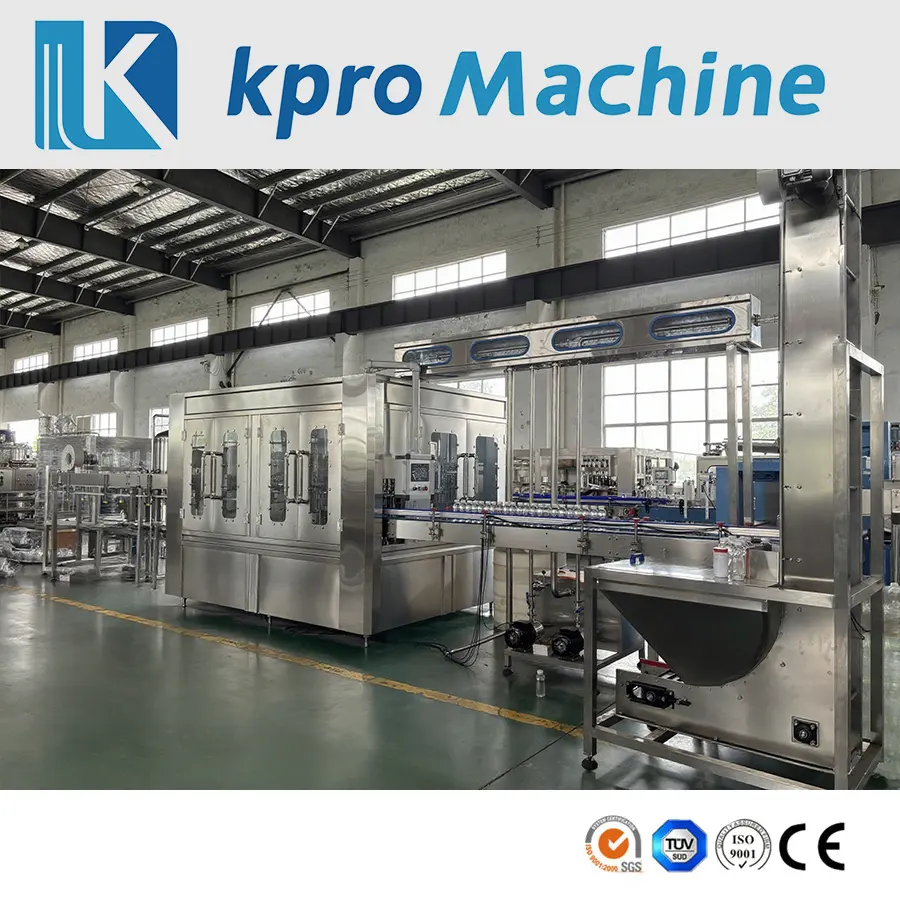
Selecting the right juice machine is one of the most critical decisions a beverage factory can make. The performance, reliability, and efficiency of your juice machine directly impact production output, product quality, and operational costs. Whether you operate a small craft juice facility or a large-scale bottling plant, choosing the correct juice machine requires careful evaluation of capacity, automation level, material compatibility, and long-term scalability. This decision shapes not only your immediate production capability but also your ability to adapt to market demands and growth opportunities.

A juice machine must balance multiple competing priorities. Production speed, reliability, maintenance requirements, and initial investment all play significant roles in your selection process. Modern juice machines offer varying levels of automation, from semi-automatic systems to fully integrated production lines that handle filling, capping, and labeling in one continuous process. Understanding these distinctions and how they align with your factory's specific needs ensures you invest in equipment that delivers measurable returns and supports sustainable growth in the competitive juice market.
Assessing Production Capacity and Throughput Requirements
Understanding Your Factory's Volume Needs
Production capacity is the foundational metric when evaluating any juice machine. Measured in bottles per hour (BPH), this specification determines how many units your juice machine can fill, cap, and label during a standard shift. A juice machine rated at 2,000 BPH operates at a fundamentally different economic level than one rated at 8,000 BPH. Your factory must first establish realistic volume targets for the next three to five years, accounting for seasonal fluctuations, product expansion, and market growth scenarios.
Undersizing a juice machine creates bottlenecks and limits revenue potential, while oversizing drives unnecessary capital expenditure and operational complexity. Many factories select a juice machine based on current demand, then face capacity constraints within two years. A more strategic approach involves consulting production forecasts and industry growth trends specific to your juice product category. Your juice machine investment should accommodate expected growth while remaining cost-efficient at current production levels.
Matching Capacity to Your Product Portfolio
Not all juice machines operate at the same speed for every product type. A juice machine designed for high-viscosity products like nectars or smoothies may operate at lower speeds than one handling clear juices or beverages with lower suspension properties. If your factory produces multiple juice varieties, the juice machine you select must handle the slowest product at acceptable throughput rates. Some advanced juice machine models include variable speed controls, allowing adjustment for different beverage formulations without replacing equipment.
Changeover time also affects practical capacity. A juice machine requiring two hours to switch between different container sizes, nozzle configurations, or product types effectively reduces available production time. Modern juice machines often feature quick-change components that reduce downtime and increase flexibility. Evaluating changeover requirements ensures your juice machine choice supports efficient batch production and minimizes idle time between product runs.
Evaluating Automation Levels and Control Systems
Semi-Automatic Versus Fully Automated Juice Machines
Automation level fundamentally shapes how your juice machine operates and what labor investment you require. A semi-automatic juice machine handles core filling and capping functions but relies on operators to position containers, manage product feed, and monitor cycle completion. This approach reduces capital investment but demands consistent operator attention and introduces variability in consistency and speed. Conversely, a fully automatic juice machine integrates container handling, product metering, filling, capping, and often labeling into one continuous workflow with minimal operator intervention.
For most modern juice factories, fully automatic juice machines deliver superior total cost of ownership despite higher initial investment. These systems maintain tighter fill-level consistency, reducing product giveaway and waste. They operate continuously during scheduled shifts, maximizing hourly output without fatigue-related performance degradation. A fully automatic juice machine also simplifies training requirements and reduces operational errors. However, factories with highly variable product batches or seasonal production schedules might benefit from the flexibility of a semi-automatic juice machine with lower standby costs.
Control System Features and Data Integration
Modern juice machines incorporate advanced control systems that monitor performance, detect errors, and log production data. These systems range from basic mechanical timers to sophisticated programmable logic controllers (PLCs) integrated with factory management software. A juice machine with robust data logging capabilities provides visibility into production trends, equipment performance metrics, and maintenance needs. This transparency enables predictive maintenance and reduces unplanned downtime that disrupts production schedules and customer deliveries.
User interface design also matters significantly. A juice machine with intuitive touchscreen controls and clear visual feedback reduces operator training time and minimizes setup errors. Digital recipe storage allows operators to quickly switch your juice machine between product configurations without manual adjustment and guesswork. Integration with your factory's enterprise resource planning (ERP) system enables automatic production tracking and inventory management, improving overall operational efficiency and supply chain coordination.
Material Compatibility, Durability, and Maintenance Requirements
Selecting Materials and Contact Surfaces
The materials used in your juice machine directly impact longevity, hygiene, and total cost of ownership. Contact surfaces where juice directly touches the juice machine must resist corrosion and bacterial growth. Stainless steel remains the industry standard for filling heads, tubes, and product pathways because it resists acidic juices and withstands repeated cleaning cycles. Lower-cost juice machines may use mild steel with protective coatings, which deteriorate over time and require more frequent maintenance or replacement.
Gaskets, seals, and valve components also require careful material selection. Food-grade silicone and rubber compounds offer excellent compatibility with juice products and can tolerate the temperature ranges common in juice processing. A juice machine using inferior gasket materials suffers accelerated degradation, leading to leaks, product contamination, and unexpected maintenance shutdowns. When evaluating a juice machine, verify that all wetted components meet food safety standards and can withstand both your juice product characteristics and your cleaning protocols, including hot water and sanitizing agents.
Maintenance Requirements and Spare Parts Availability
Every juice machine requires regular maintenance to sustain performance and prevent costly failures. Frequency and complexity vary significantly between models. Some juice machines feature modular component design that simplifies disassembly for cleaning and repair, reducing downtime when maintenance becomes necessary. Others require technician expertise or factory-authorized service calls. A juice machine with readily available spare parts and comprehensive technical support networks operates more reliably over its lifespan, while one dependent on specialized parts with long lead times creates production risk.
Consider your factory's in-house maintenance capabilities when selecting a juice machine model. Does your technical team possess experience with that specific juice machine brand and control system? Can your team perform routine maintenance and troubleshoot common issues, or will you depend entirely on vendor support? A juice machine that aligns with your team's existing expertise reduces external service costs and minimizes response times when issues arise. Additionally, verify that the juice machine manufacturer provides comprehensive documentation, training resources, and responsive technical support to ensure your factory operates the equipment effectively throughout its operational life.
FAQ
What production capacity range should my juice machine offer?
Your juice machine capacity should comfortably exceed your current production demands while remaining cost-effective. Most juice factories benefit from a juice machine rated 20–30% above current average output, allowing for growth without immediate reinvestment. For a factory currently producing 4,000 bottles daily, a juice machine rated at 6,000–8,000 BPH provides adequate headroom. This juice machine sizing strategy balances capital efficiency with operational flexibility and future scalability.
How much downtime should I expect from a typical juice machine?
Modern juice machines typically experience 2–4% planned downtime annually for scheduled maintenance, cleaning, and component replacement. Unplanned downtime from equipment failures or product holdups should not exceed 1–2% with proper maintenance practices. When evaluating a juice machine, ask the manufacturer or current users about their actual uptime experience and typical maintenance intervals. A juice machine with strong reliability records and supportive vendor relationships delivers better overall availability and production consistency than competing models.
What container types can a juice machine handle?
Most modern juice machines accommodate plastic bottles, glass bottles, and cartons, though specific models specialize in particular container types. A versatile juice machine includes adjustable guiding rails, filling nozzle configurations, and capping mechanisms compatible with multiple container sizes and materials. Before purchasing a juice machine, confirm that it handles your current container portfolio and any potential future container formats. Some juice machine manufacturers offer modular conversion kits that enable quick adaptation to new container types without complete equipment replacement.