 EN
EN
Why Oil Filling Machine Calibration Drifts – Causes and Risks
Mechanical Wear, Temperature Fluctuations, and Viscosity Variability
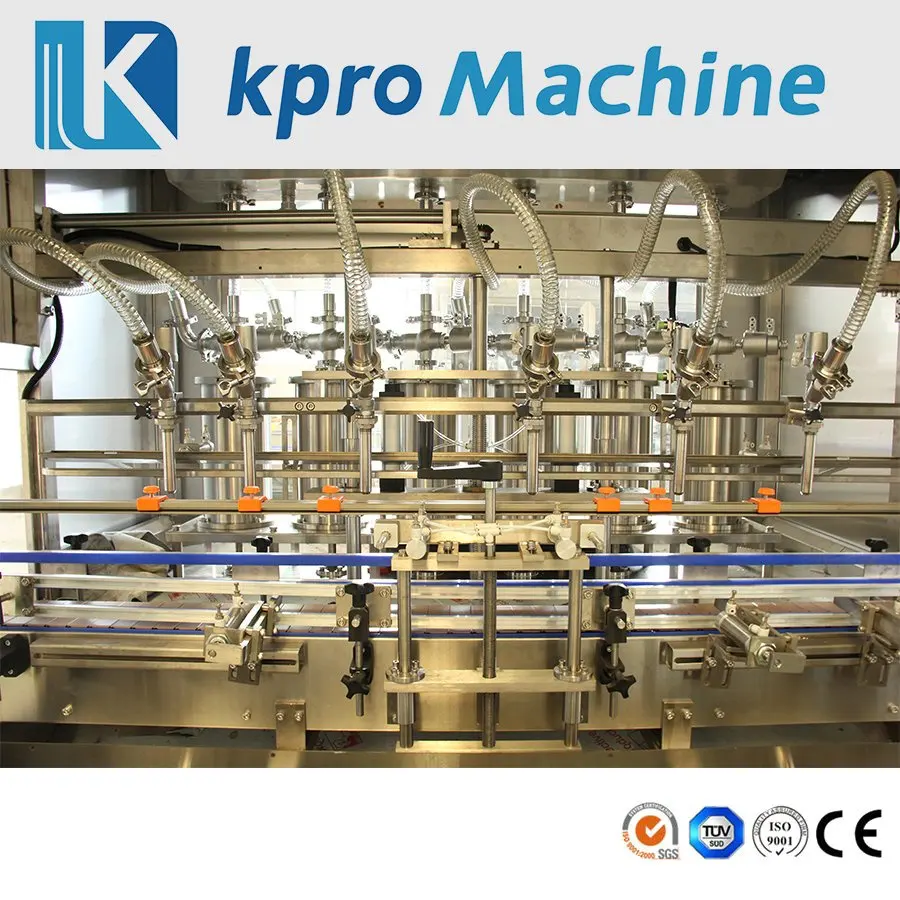
Oil filling machines tend to drift out of calibration over time because of three main issues that work together: parts wearing down, changes in temperature, and variations in oil thickness. The moving parts like pistons, valves, and seals get worn after running through thousands upon thousands of cycles, which creates tiny gaps at the micron level. These gaps mess with how much oil gets dispensed each time. Then there's temperature stuff too. When temperatures change by just 10 degrees Celsius, the oil gets either thinner or thicker by around 20%. That means oil flows faster when it's warm and slower when cold. Different batches of oil also have different viscosities, so thicker ones take longer to fill properly, making them more prone to timing mistakes during filling. All these problems combined usually cause about 1 to 3 percent drift in calibration every month across normal production settings. For this reason, most plants schedule regular recalibrations rather than waiting until problems show up.
| Factor | Impact on Accuracy | Typical Deviation |
|---|---|---|
| Mechanical Wear | Piston/valve degradation | 1.2% volume loss |
| Temperature Swing (10°C) | Viscosity changes | ±2% flow variance |
| Viscosity Shift (20 cP) | Flow rate inconsistency | 1.5% fill error |
Consequences of Uncalibrated Operation: Waste, Compliance Failure, and Brand Reputation Damage
When oil filling machines aren't properly calibrated, problems start happening fast and keep getting worse. If they put too much oil in each container, companies waste around 4% of their raw materials every batch. On the flip side, when containers are underfilled, customer returns jump by about 7%, which really eats into profit margins and creates headaches for supply chain management. The regulatory issues come knocking soon enough too. Weights and measures violations can cost businesses roughly $740k per year according to Ponemon Institute data from 2023. And it's not just about money. People notice when products aren't filled correctly. A full 68% will stop buying from a brand altogether once they spot these inconsistencies. There's another hidden danger as well. Leaks or valves that don't time right can lead to product contamination, opening doors to costly recalls and lawsuits. All these issues together weaken day-to-day operations, create compliance nightmares, and slowly chip away at what customers trust about the brand over time.
Step-by-Step Oil Filling Machine Calibration Procedure
Pre-Calibration Preparation: Cleaning, Stabilization, and Reference Standard Selection
Start by giving those nozzles, fill heads, and all the fluid paths a good clean to get rid of leftover oil and built-up particles. Dirty nozzles can actually cause errors of around 1.5% in volume measurements. Before doing any calibration work, make sure the room stays stable at about 20 degrees Celsius, give or take 2 degrees, for at least two hours straight. Temperature changes matter because viscosity can shift anywhere from 10 to 15% when temperatures vary by just 5 degrees, which messes with how fluids flow through the system. When picking reference standards, go for ones that are traceable back to NIST standards matching what we need to measure. For checking mass accuracy, use those ISO/IEC accredited gravimetric weights. If measuring actual volume is needed, certified volumetric cylinders work best. Don't forget to write down everything important like room temperature, humidity levels, equipment serial numbers, and who was operating the machinery. These records will be crucial if anyone needs to check our work later or track down where things might have gone wrong.
Execution: Zeroing, Span Adjustment, and Traceable Verification Against ISO/IEC 17025 Standards
Start by zeroing the system using empty, standardized containers to eliminate container weight drift from sensor baselines. For span adjustment:
- Dispense test batches at 50%, 100%, and 120% of nominal fill volume
- Fine-tune piston stroke length or valve actuation timing until outputs remain within ±0.5% of target
- Confirm stability using Statistical Process Control (SPC) charts tracking 30 consecutive fills
| Verification Metric | Tolerance | Measurement Method |
|---|---|---|
| Gravimetric Accuracy | ‰¤0.3% RSD | Precision scales (0.001g resolution) |
| Volumetric Consistency | ‰¤0.5% CV | Calibrated flow meters |
Final documentation must comply with ISO/IEC 17025 requirements–including formal uncertainty statements below 0.2%, validated using accredited lab instrumentation. When fully implemented, this protocol reduces filling errors by 89% compared to uncalibrated operation (PTS Technical Services, 2023).
Accuracy Testing and Statistical Validation of the Oil Filling Machine
SPC-Based Sampling Protocol: Sample Size, Frequency, and Control Limits for Fill Volume
Statistical Process Control, or SPC as it's commonly called, plays a critical role in keeping calibration accurate across actual production settings. For most applications, taking samples of around 30 to 50 units per batch gives manufacturers about 95% confidence when looking for significant changes in quality. During ongoing production runs, operators should check X-bar R control charts every hour, setting control limits roughly plus or minus half a percent from the target volume. When dealing with thick oils or working in places where temperatures fluctuate a lot, it makes sense to collect samples more often since these conditions tend to create bigger variations. According to recent data from the Packaging Efficiency Report (2023), automated SPC systems cut down on spills by nearly four fifths compared to old fashioned manual checks. Plus, spotting outliers as they happen lets teams jump in early before bad products start piling up on the line.
Weight vs. Volume Verification: When to Use Precision Scales vs. Flow Meters
When selecting how to verify measurements, consider what kind of oil we're dealing with and what regulations apply. For thick, sticky oils like gear lubricants, precision scales work best because small changes in density can really throw off volume readings. Most folks convert the measured mass into volume using those ISO 17025 tables everyone talks about, making sure everything is referenced properly at standard temps and pressures. On the flip side, Coriolis flow meters give straight up volume measurements with around plus or minus 0.2% accuracy, which makes them great for fast moving, runny stuff like hydraulic fluids during filling operations. The law actually requires weight-based checks whenever things get sold by their actual mass content. Both approaches need regular calibration against those NIST traceable standards every three months or so. Companies that combine both methods in their systems tend to save about 30% on wasted materials thanks to built-in cross checking between mass and volume readings catching errors before they become problems.
Critical Adjustment Parameters That Impact Oil Filling Machine Accuracy
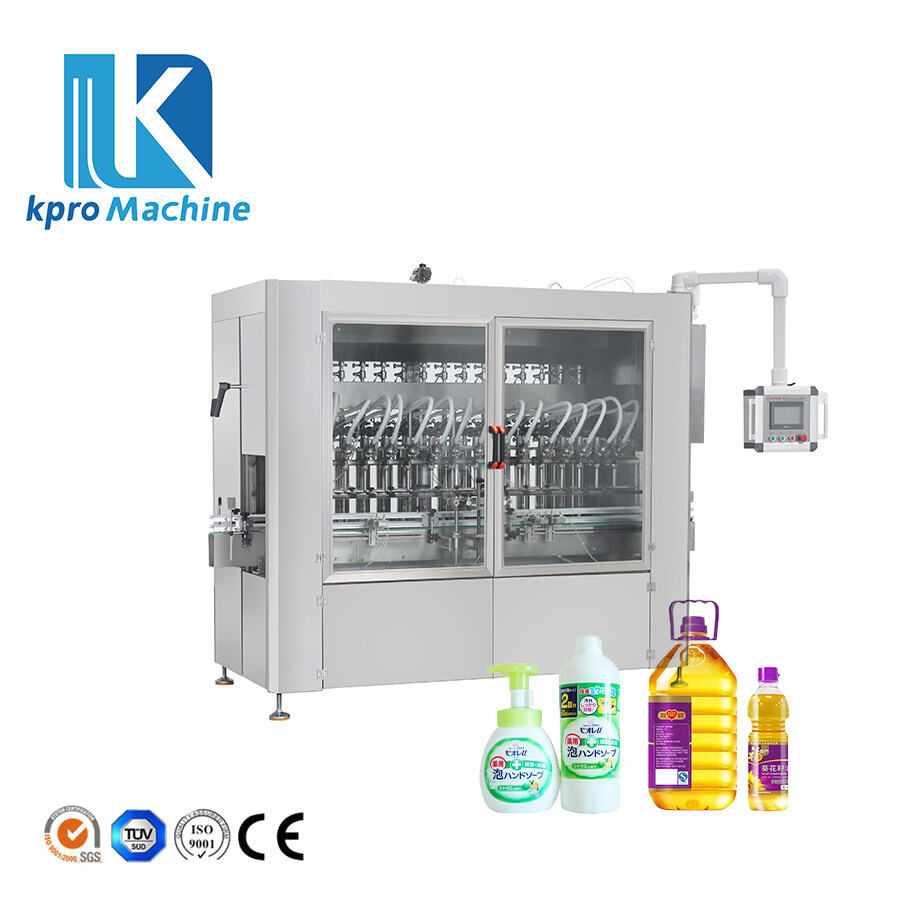
Precision in oil filling operations hinges on three critical mechanical and timing parameters: fill head alignment, valve timing, and piston stroke optimization. Misalignment or miscalibration in any one undermines volumetric repeatability–driving waste, labeling inaccuracies, and regulatory non-compliance across food, pharmaceutical, and industrial lubricant packaging.
Fill Head Alignment, Valve Timing, and Piston Stroke Optimization
- Fill Head Alignment: Ensures nozzles are centered precisely over container openings. Off-center positioning causes splashing, incomplete fills, or foam-induced air entrapment–especially problematic for high-viscosity oils, where deviations exceed 0.5% of volume tolerance.
- Valve Timing: Governs exact start and stop points of oil flow. Delayed closure results in post-dispense dripping (~1.5% waste per cycle); premature cutoff causes systematic underfills. Synchronization with conveyor speed and container dwell time is essential for consistent contact.
- Piston Stroke Optimization: Adjusts displacement per mechanical stroke. Even minor deviations–such as 0.02 mm in stroke length–introduce ±0.3% variation in edible oil fills, jeopardizing label accuracy and triggering compliance scrutiny under FDA and EU FIC regulations.
Collectively, these adjustments define the machine’s operational accuracy envelope. Regular calibration–not just initial setup–maintains performance within ISO/IEC 17025 traceability requirements and mitigates drift from mechanical wear, thermal cycling, and fluid property shifts.
FAQ
How can uncalibrated operations affect a business?
Uncalibrated operations can lead to waste, compliance failures, brand reputation damage, and costly regulatory penalties.
How often should oil filling machines be recalibrated?
Calibration should be scheduled regularly, typically every three months or whenever operational inconsistencies are noted, to prevent significant drift.
What are the benefits of using Statistical Process Control (SPC) in calibration?
SPC helps maintain calibration accuracy, reduce waste and product variability, and allows for early detection of outliers.
What are the main factors causing oil filling machine calibration drift?
The main factors include mechanical wear, temperature fluctuations, and viscosity variability, all of which can lead to measurement inaccuracies over time.