 EN


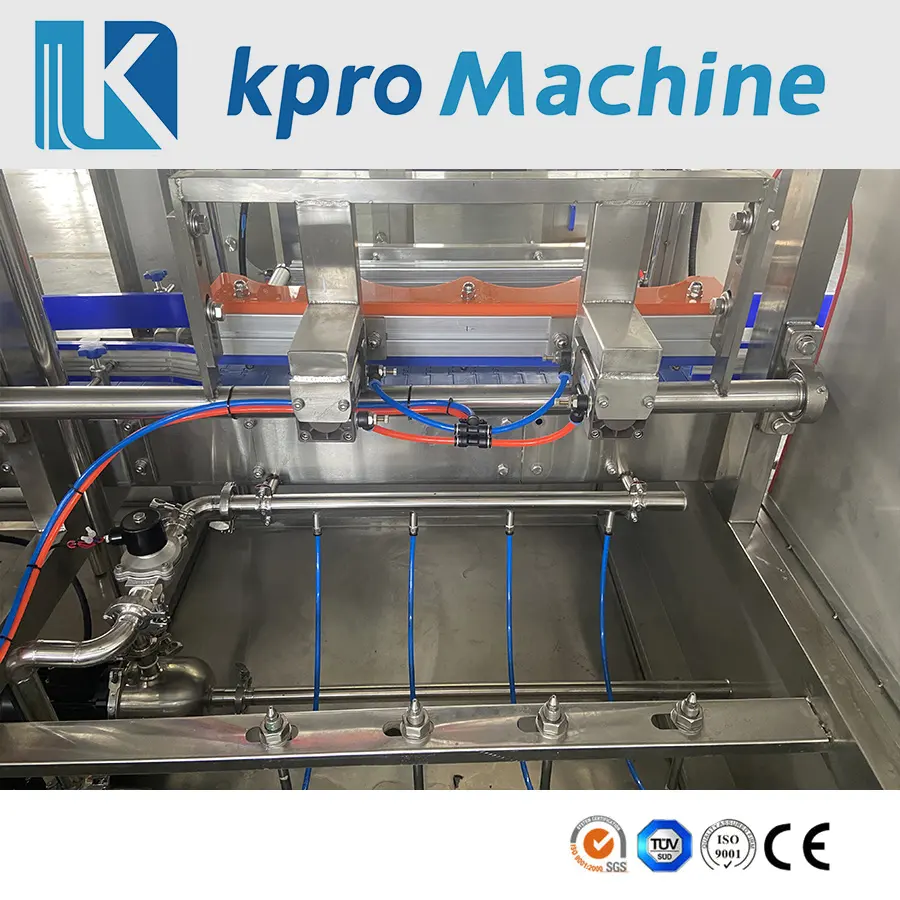
Modern beverage production demands seamless coordination between multiple systems to achieve efficiency, quality, and cost-effectiveness. A water filling machine serves as the core operational hub in this workflow, and its successful integration with labeling and packaging systems determines whether your production line runs smoothly or experiences costly bottlenecks. Understanding how to properly integrate these components is essential for manufacturers seeking to optimize throughput while maintaining product quality and compliance.

The integration process involves careful planning, precise mechanical alignment, and intelligent system synchronization. When a water filling machine connects with labeling equipment and packaging systems, each component must communicate through synchronized timing mechanisms to prevent jams, ensure accurate fill levels, and maintain consistent product positioning. This comprehensive guide explores the technical, operational, and strategic considerations that enable successful integration of your water filling machine with downstream labeling and packaging operations.
Understanding Water Filling Machine Integration Fundamentals
Core Components of a Water Filling Machine
A water filling machine contains multiple subsystems working in precise coordination. The water filling machine features a conveyor system that transports bottles, filling heads that dispense precise volumes, and capping mechanisms that seal containers. Each water filling machine requires integration points where bottles transfer to labeling equipment and eventually to packaging stations. The accuracy of your water filling machine directly impacts downstream label placement and packaging quality, making proper setup critical from the start.
Modern water filling machine designs include programmable controllers that adjust fill rates, pressure settings, and bottle indexing speeds. These settings on your water filling machine must align with the specifications of your labeling system and packaging equipment. A water filling machine with misaligned settings can cause bottles to arrive at labeling stations at incorrect angles or speeds, resulting in label misapplication and product damage.
Integration Architecture Overview
Successful integration of a water filling machine requires understanding three distinct workflow phases. First, the water filling machine receives empty bottles from washing or supply stations. Second, the water filling machine fills each bottle to precise specifications and caps it securely. Third, the water filling machine transfers filled bottles to labeling equipment at controlled speeds and positions. Each phase demands specific technical configurations within your water filling machine and compatible specifications in downstream systems.
Technical Specifications for Water Filling Machine Connectivity
Mechanical Alignment and Conveyor Systems
The transition from your water filling machine to labeling equipment requires perfect mechanical alignment. Bottles exiting your water filling machine must travel on a conveyor system that maintains consistent spacing and orientation. If your water filling machine outputs bottles at 100 bottles per minute but your labeling system processes at 80 bottles per minute, you need buffer conveyor capacity between them. This buffer prevents bottles from backing up at your water filling machine, reducing fill accuracy and potentially damaging the equipment.
Conveyor heights, widths, and material compatibility must match specifications between your water filling machine and labeling equipment. Most modern water filling machine manufacturers design standard connection points, but custom adapters may be necessary for specific labeling system brands. The transfer point from your water filling machine to labeling stations should include sensors that detect bottle position and trigger labeling application at the exact moment each bottle enters the labeling zone.
Speed Synchronization and Control Protocols
Your water filling machine operates at a specific bottles-per-minute rate that must synchronize with labeling equipment and packaging systems. If your water filling machine fills 150 bottles per minute, but your labeling system handles only 120 bottles per minute, system conflicts occur. Modern water filling machine controllers communicate through industrial protocols like Modbus or EtherCAT, allowing real-time speed adjustments based on downstream equipment status. When your water filling machine detects that the labeling system is congested, it automatically reduces fill speed temporarily.
Programmable logic controllers manage communication between your water filling machine, labeling equipment, and packaging systems. Each component sends status signals about current capacity, allowing the water filling machine to adjust operations dynamically. This intelligent communication prevents product waste and equipment stress that occurs when a water filling machine operates without synchronization awareness.
Implementation Strategy for Water Filling Machine Integration
Site Assessment and Equipment Compatibility
Begin your water filling machine integration project by assessing the physical space and existing equipment. Measure the available floor space, ceiling height, utility access, and power supply specifications near where your water filling machine will connect to labeling and packaging systems. Document the specifications of your existing labeling equipment and packaging machines to identify potential compatibility gaps with your water filling machine. Many integration challenges arise from overlooked spatial constraints rather than technical incompatibility.
Request detailed specifications from your water filling machine manufacturer regarding output conveyor dimensions, bottle positioning tolerances, and control interface options. Compare these specifications with your labeling system documentation to identify whether custom mechanical adapters or control software modifications are necessary. This assessment phase determines whether a standard water filling machine meets your requirements or whether a specialized configuration is needed.
Installation and Testing Procedures
Install your water filling machine in alignment with incoming and outgoing conveyor systems. Use precision laser alignment tools to ensure the water filling machine output conveyor matches the height and trajectory of the labeling system input conveyor. After positioning your water filling machine, install the connecting conveyor, sensor arrays, and control cables. Test the mechanical connection by running empty bottles through the water filling machine and observing how they transfer to the labeling station without any water filling machine engagement.
Once mechanical integration is complete, configure the water filling machine controller to communicate with the labeling system. Program synchronization parameters so the water filling machine adjusts fill speed based on labeling system feedback. Run test cycles with actual product, monitoring fill accuracy, bottle positioning at the labeling station, and label application quality. Document any adjustments needed to the water filling machine settings during this testing phase.
Quality Assurance and Performance Validation
After the water filling machine completes integration with labeling and packaging systems, conduct comprehensive quality validation. Check that bottles leaving your water filling machine maintain consistent fill levels when measured at the labeling station. Verify that labels apply accurately to bottles positioned correctly by the water filling machine output. Monitor the water filling machine's communication with downstream systems over an extended run period to ensure reliability and consistent performance.
Establish performance metrics for your integrated water filling machine system, including uptime percentage, bottles per minute throughput, fill accuracy rates, and labeling defect rates. Compare actual performance against design specifications to verify that the water filling machine integrates effectively. Any deviation from expected performance should trigger investigation into water filling machine settings, conveyor alignment, or control software calibration.
FAQ
What bottle types can integrate with a standard water filling machine?
A standard water filling machine accommodates various bottle sizes and shapes within its design range, typically 300ml to 2000ml volumes. Most water filling machine models include adjustable bottle guides and filling head positioning that accommodate different container dimensions. However, glass bottles, plastic bottles with varied neck dimensions, and custom-shaped containers may require a specialized water filling machine configuration. Check with your water filling machine manufacturer about specific bottle compatibility before purchase.
How does a water filling machine communicate with labeling equipment?
A water filling machine uses industrial control protocols and sensor networks to communicate with labeling systems. The water filling machine controller sends signals about fill completion and bottle readiness, while the labeling system sends congestion alerts back to the water filling machine. This two-way communication allows the water filling machine to adjust speed automatically, preventing bottlenecks. Most modern water filling machine systems support standard protocols like Profibus or EtherCAT for seamless integration with compatible labeling and packaging equipment.
What maintenance requirements apply to an integrated water filling machine system?
A water filling machine within an integrated system requires regular maintenance including weekly cleaning of filling heads, daily monitoring of seal integrity, and monthly calibration of volume detection sensors. The water filling machine's connection points and conveyor interfaces need periodic inspection to ensure alignment hasn't shifted due to vibration. Additionally, the water filling machine's control cables and sensor connections should be checked monthly for corrosion or damage that could disrupt communication with labeling and packaging systems. Proper maintenance schedules keep the water filling machine operating at peak efficiency.