 EN


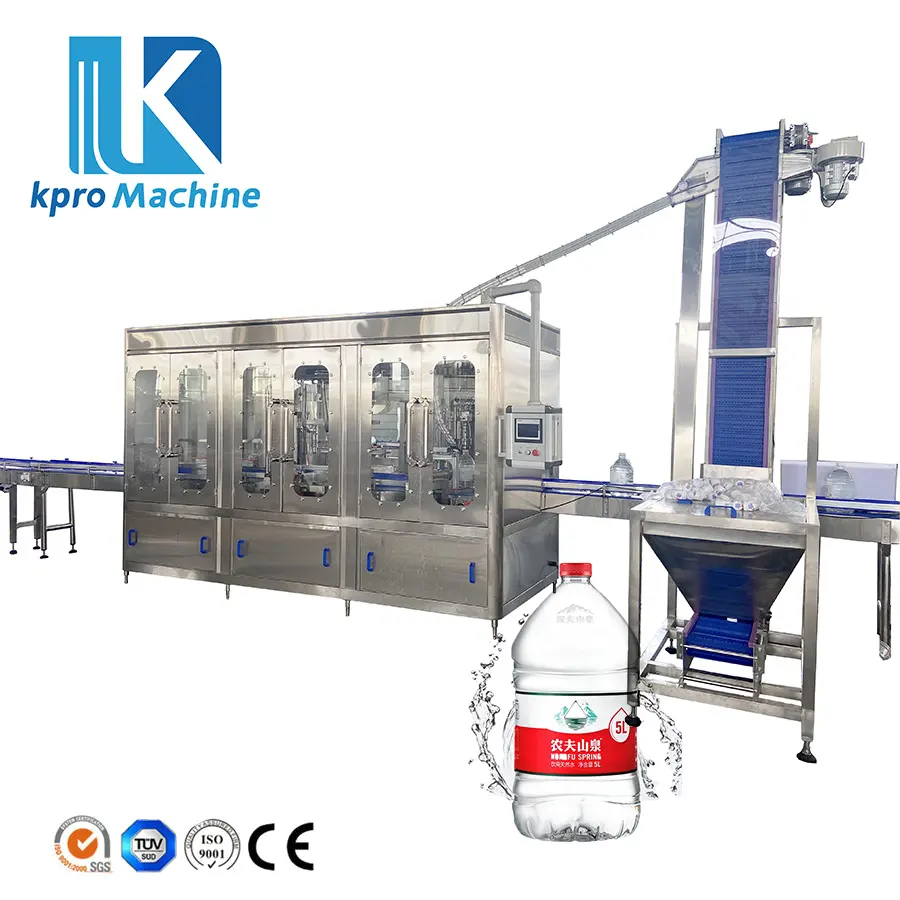
Selecting the right industrial pure water machine is a critical investment decision for any manufacturing facility, pharmaceutical operation, or industrial process requiring consistent water quality. The performance and reliability of your industrial pure water machine directly impact production efficiency, product quality, and operational costs. Understanding the key features that distinguish high-performance systems from standard alternatives ensures you choose equipment that meets your facility's specific demands and delivers long-term value. This guide explores the essential characteristics you should evaluate when selecting an industrial pure water machine for your operation.

An effective industrial pure water machine must combine advanced purification technologies with robust construction and user-friendly operation. The best systems integrate multiple treatment stages, intelligent monitoring capabilities, and materials that withstand demanding industrial environments. When you invest in a quality industrial pure water machine, you're not only purchasing equipment but securing a dependable resource for maintaining water purity standards that your processes demand.
Purification Technology and Treatment Capacity
Multi-Stage Filtration Systems
A superior industrial pure water machine employs multiple purification stages to achieve the highest purity levels. The first stages typically include sediment filters and activated carbon filters that remove suspended particles, chlorine, and organic compounds from incoming water. Reverse osmosis membranes form the core treatment stage in most industrial pure water machine designs, capable of removing dissolved minerals, ions, and contaminants down to molecular levels. Post-treatment stages may include polishing filters, ultraviolet sterilization, or deionization modules depending on your specific purity requirements. This layered approach ensures that your industrial pure water machine consistently produces water meeting or exceeding industry standards.
Processing Capacity and Flow Rate
The throughput capability of your industrial pure water machine must align with your facility's actual water consumption demands. Industrial operations require systems capable of delivering adequate volumes without creating bottlenecks in production schedules. High-performance industrial pure water machine models feature variable capacity options, typically ranging from small batch systems to large continuous-flow installations producing hundreds of gallons per hour. When evaluating capacity, consider both peak usage requirements and average daily consumption to ensure your industrial pure water machine can sustain operations without excessive idle time or emergency shutdowns.
Construction Quality and Durability Features
Material Selection and Corrosion Resistance
Premium industrial pure water machine systems utilize corrosion-resistant materials throughout their construction, particularly in components contacting treated water. Stainless steel is the industry standard for tanks, piping, and internal components in high-quality industrial pure water machine equipment. These materials prevent contamination leaching and ensure long operational life even in challenging environmental conditions. The quality of your industrial pure water machine housing and internal components directly influences its reliability and the consistency of water purity over extended periods.
Build Quality and Pressure Ratings
A durable industrial pure water machine must withstand continuous operational pressures and handle pressure fluctuations without degradation. Industrial-grade systems feature reinforced tank construction rated for the pressures required by reverse osmosis and other treatment processes. The membrane housings in your industrial pure water machine should be engineered with safety margins that prevent leaks and maintain structural integrity throughout the equipment's service life. Quality manufacturing standards, pressure testing certifications, and comprehensive warranties all indicate an industrial pure water machine built for demanding industrial applications.
Control Systems and Monitoring Capabilities
Automated Control Interfaces
Modern industrial pure water machine systems incorporate sophisticated control panels that automate routine operations and optimize performance. These interfaces allow operators to adjust settings, monitor real-time metrics, and receive alerts about system status without manual intervention. A well-designed industrial pure water machine control system enables scheduling routines, managing multi-stage treatment sequences, and maintaining consistent output quality throughout the day. The best industrial pure water machine controls reduce operator workload while improving reliability and purity consistency.
Real-Time Water Quality Monitoring
Advanced industrial pure water machine models include built-in sensors that continuously measure water quality parameters such as total dissolved solids, conductivity, and pH levels. Real-time monitoring allows your industrial pure water machine to alert operators immediately if purity levels drop below acceptable thresholds, preventing contaminated water from entering production systems. Data logging capabilities in premium industrial pure water machine systems create historical records useful for regulatory compliance and process optimization. These monitoring features transform your industrial pure water machine from a passive treatment device into an active quality assurance component of your operation.
Maintenance Considerations and Operating Efficiency
Filter and Membrane Replacement Design
A practical industrial pure water machine design prioritizes accessible component replacement to minimize downtime and maintenance costs. Filters, membranes, and cartridges should be situated for easy removal without requiring extensive disassembly of the entire system. The best industrial pure water machine models feature quick-connect fittings and color-coded components that simplify maintenance procedures even for less experienced operators. Regular maintenance schedules for your industrial pure water machine directly impact system longevity and should be straightforward enough to fit into typical facility maintenance routines.
Energy Efficiency and Waste Water Management
Operating costs for your industrial pure water machine depend significantly on energy consumption and waste water generation rates. High-efficiency industrial pure water machine systems minimize electricity usage through optimized pump designs and pressure recovery technologies. The reject water produced during purification can be recovered and utilized in non-critical applications, reducing overall water waste. Evaluating the efficiency of a potential industrial pure water machine investment requires analyzing long-term operational expenses alongside initial equipment costs. Systems designed with energy conservation in mind reduce your facility's environmental impact while lowering monthly utility expenses.
FAQ
What water purity levels can an industrial pure water machine achieve?
High-performance industrial pure water machines can achieve purity levels ranging from basic filtered water with reduced sediment to ultrapure water suitable for pharmaceutical and semiconductor applications. Reverse osmosis systems typically remove 95 to 99 percent of dissolved solids, while additional polishing stages can further reduce specific contaminants. The achievable purity depends on your source water quality, the treatment stages included in your industrial pure water machine, and post-treatment processes. Facilities with extremely demanding requirements may combine multiple industrial pure water machine technologies or add specialized polishing systems to meet ultrapure water standards.
How often should an industrial pure water machine be serviced?
Maintenance frequency for an industrial pure water machine depends on usage volume, source water quality, and system design. Most facilities benefit from basic filter inspections and replacements every three to six months, with membrane replacement typically occurring annually or when quality metrics decline. Regular servicing of your industrial pure water machine prevents performance degradation and extends equipment lifespan significantly. Following manufacturer guidelines and monitoring purity levels helps determine optimal maintenance intervals specific to your operation's conditions.
Can an industrial pure water machine be integrated with existing facility infrastructure?
Most modern industrial pure water machine systems can be integrated into existing facility water systems with appropriate plumbing modifications and electrical connections. Considerations include available space, incoming water supply characteristics, drain line access, and power availability. A quality industrial pure water machine can be installed to operate independently or connected to automated distribution systems that feed treated water directly to production processes. Professional installation ensures your industrial pure water machine integrates seamlessly while meeting all safety codes and performance specifications.