 EN
EN
How Water Purification Systems Work: From Tap to Clean Output
The basic principle of water purification system operation
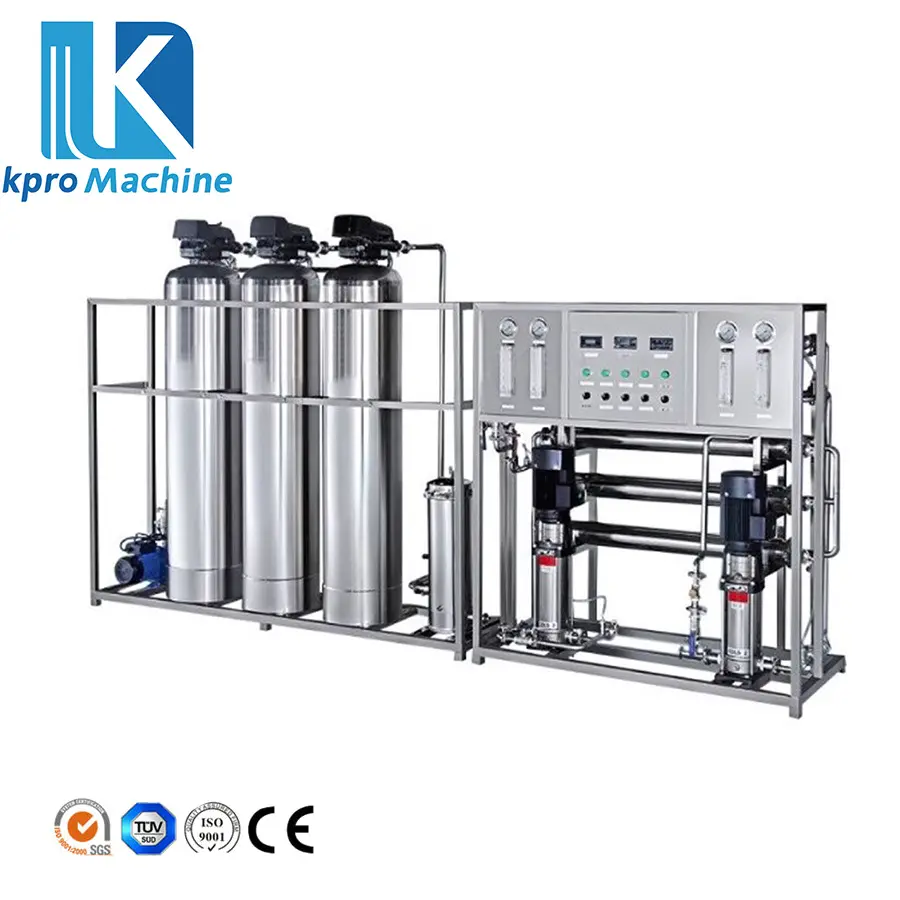
Most modern water purification systems work with several different steps to get rid of all sorts of bad stuff from tap water. The process usually starts with something called a pre-filter that catches big stuff floating around in the water, things like dirt particles and bits of rust. After that comes the real heavy lifting where various filters tackle specific problems. Activated carbon is great at grabbing hold of chlorine which makes water taste bad, while reverse osmosis membranes pull out tiny dissolved minerals and chemicals. Some systems also include UV lights that zap away bacteria and viruses lurking in the water supply. Putting all these methods together creates what many people call a "layered defense" against contamination, so when someone turns on their faucet they can be pretty sure what comes out is actually safe to drink.
Process breakdown: From intake to output in household systems
Water makes its way into most home purification systems through an intake valve that usually has a screen to stop big stuff from getting in. After that initial screening comes what's called a clarification stage where they might throw in some chemicals or adjust the acidity levels to get rid of those pesky floating particles. What happens next is pretty interesting – the water passes through these carbon filters which do wonders for knocking out chlorine, bad smells, and all sorts of organic stuff we don't want in our drinking water. A lot of systems also incorporate reverse osmosis technology after this point, which works great at pulling out heavy metals and other dissolved solids that can build up over time. And if someone really cares about taste and water chemistry, some models even have extra steps like adding back minerals or adjusting the alkalinity so the water tastes better when it finally comes out of the tap.
Trend: Increasing integration of smart monitoring in modern water purification systems
Smart monitoring is becoming standard feature in modern systems these days, making everything run smoother and saving people time. The devices come equipped with sensors that keep tabs on when filters need replacing, check what's going on with the water quality, and measure how fast water flows through them all day long. When something needs attention, users get notifications right on their phones so they know exactly when to take action instead of wondering if something might be wrong. What we're seeing now is a big move towards managing things based on actual data rather than just assumptions. This means better system performance overall, the ability to watch things from afar, and equipment that lasts longer without constant hands-on maintenance. Most importantly, it keeps the water clean and safe without requiring someone to constantly check every little thing manually.
Core Technologies in Water Purification Systems

Activated carbon filters: Adsorption mechanism and chlorine removal efficiency
Activated carbon functions mainly through a process called adsorption. Basically, this means impurities stick to the many tiny pores found throughout the carbon material. The stuff really shines when it comes to getting rid of chlorine, those pesky VOCs we hear so much about, plus all sorts of bad tastes and smells in water. When talking about top notch granular activated carbon, especially what's made from coconut shells, these products can take out around 90 something percent of chlorine along with whatever nasties come along with it. This makes drinking water not only safer but actually nicer to drink. How well it works though? That depends on how long the water stays in contact with the carbon and what quality product was used. Better grades last longer and hold onto more contaminants before needing replacement.
Reverse osmosis systems for water purification: High-efficiency TDS and heavy metal reduction
Reverse osmosis systems work by pushing water through a special filter membrane that blocks almost all dissolved particles. These membranes can take out around 99% of stuff like lead, arsenic, mercury, and nitrates from drinking water. The process relies on pressure to squeeze clean water through while keeping impurities behind. Many newer reverse osmosis setups come with several filters working together. First there's a pre-filter to catch bigger particles, then the main membrane does the heavy lifting, and finally another carbon filter polishes things off. Testing shows that good quality systems manage to cut down dissolved salts and other bad chemicals by more than 98.5%. This makes them really useful in places where tap water isn't so great, especially regions dealing with contaminated groundwater issues.
UV and ozonation disinfection: Chemical-free microbial inactivation
Ultraviolet light and ozone treatment offer ways to clean water without chemicals. When UV hits those tiny bugs like bacteria, viruses, and parasites, it messes up their DNA so they can't multiply anymore. Studies show this method knocks out around 99.9% of harmful stuff in the water. Then there's ozone, which creates these powerful oxygen molecules that literally tear apart microbes and help get rid of organic contaminants too. What makes both approaches special is that they don't mess with the water's basic chemistry while still killing off dangerous organisms. For folks relying on well water or living in areas where boil notices pop up regularly, these techniques have become pretty much indispensable solutions.
Alkaline and microfiltration systems: Balancing pH and particle filtration
Microfiltration takes out tiny particles right down to 0.1 microns from water, catching things like dirt, cysts, and even some bacteria. The alkaline filtration method works differently by boosting the pH level through either mineral stones or electrolysis processes, which makes for better tasting water plus those so-called antioxidant benefits people talk about. Most installations combine both approaches in practice. Microfiltration does the heavy lifting on removing physical contaminants, whereas the alkaline stage typically adds back in some good minerals that might otherwise be stripped away. These aren't going to replace mainline purification methods mind you, but when added to a complete water treatment system, they really do make a noticeable difference in how clean the water feels and tastes overall.
Comparison of pore size and filtration efficiency across water purification technologies
| Technology | Pore Size | Contaminants Removed | Efficiency Rate |
|---|---|---|---|
| Microfiltration | 0.1—10 microns | Sediment, cysts, bacteria | 90—99% |
| Ultrafiltration | 0.01—0.1 microns | Viruses, proteins | 99—99.9% |
| Nanofiltration | 0.001—0.01 microns | Pesticides, herbicides | 85—95% |
| Reverse Osmosis | 0.0001 microns | Dissolved salts, heavy metals | 95—99% |
The choice of technology should align with specific water quality challenges. Smaller pore sizes generally offer higher removal rates for microscopic contaminants, guiding selection based on local testing results.
Targeting Harmful Contaminants in Tap Water
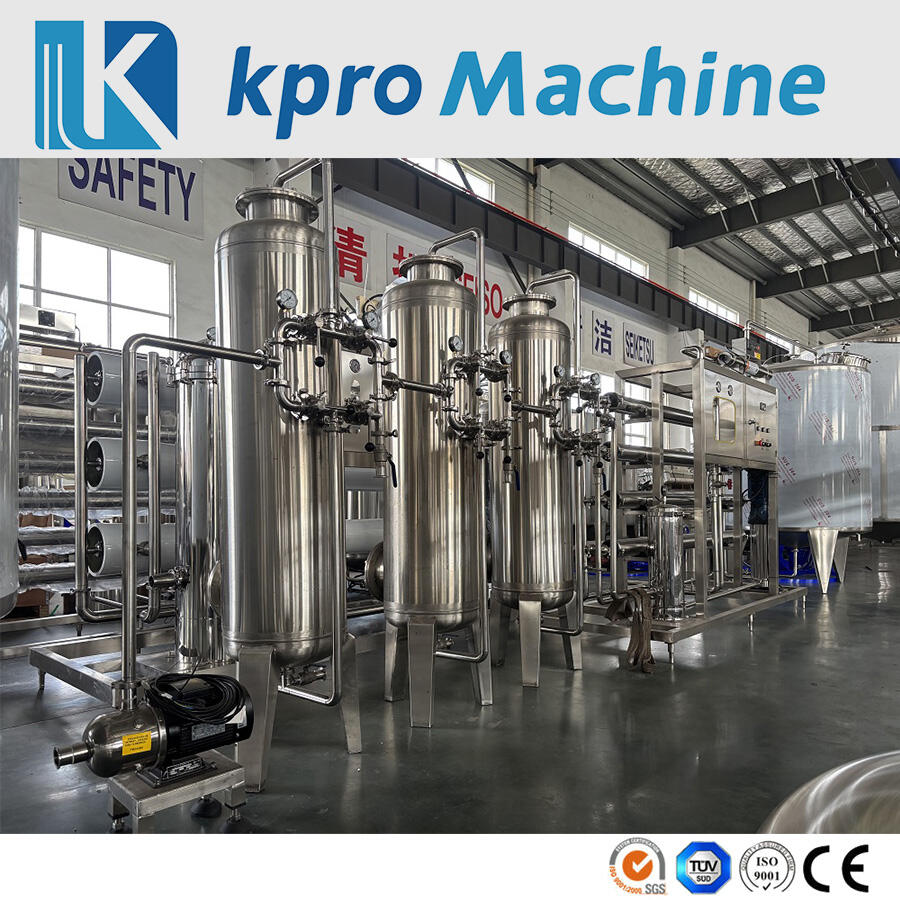
Common contaminants in tap water (chlorine, lead, THMs, heavy metals)
Municipal water treatment plants work hard to clean our tap water, but it still often contains stuff we don't want. Chlorine gets added for disinfection purposes, while old pipes contribute lead contamination. There's also trihalomethanes, or THMs, which form when chlorine mixes with organic matter in water and happen to be cancer causing agents. Plus various heavy metals such as arsenic and mercury sometimes find their way into drinking water supplies too. A recent study from the Water Quality Association in 2024 shows that even small amounts of these contaminants build up over time and create real health problems. Kids seem especially vulnerable since their developing brains and nervous systems are more sensitive to these toxins than adults' bodies are.
Effectiveness of reverse osmosis filtration in removing nitrates and dissolved solids
Reverse osmosis is among the most effective methods for removing nitrates and total dissolved solids (TDS), achieving 90—99% reduction. This makes RO especially valuable in agricultural areas where fertilizer runoff contaminates wells. Regular membrane replacement and proper maintenance are critical to sustaining this high level of performance over time.
How water purification systems remove bacteria and viruses through UV filtration
Ultraviolet filtration knocks out around 99.99% of harmful microbes including bacteria, viruses, and protozoa by messing with their DNA so they can't reproduce. What makes this method stand out from chemical alternatives is that it doesn't leave any weird stuff behind in the water and keeps the taste and composition pretty much the same. Many households find UV systems essential when installing water treatment at the tap, especially if they draw water from private wells or live in areas where waterborne pathogens are a regular concern. These systems have become increasingly popular among homeowners who want clean water without all the chemicals.
Industry Paradox: Some systems reduce beneficial minerals while removing toxins
Reverse osmosis and distillation do an excellent job cleaning water but they tend to remove important minerals such as calcium, magnesium, and potassium along with the bad stuff. So there's really a balance to strike here between having super pure water versus getting those nutrients back into our drinking supply. Many newer filtration setups have started adding what's called a remineralization step where these beneficial minerals get put back in after purification. This helps maintain safe drinking standards while still giving water better taste and some nutritional benefits too. People who care about both health aspects and good flavor often look for systems that handle this mineral restoration properly.
Certification, Testing, and Long-Term System Reliability
When selecting a water purification system, long-term reliability depends on certification and proper testing. Understanding certification labels ensures your system meets recognized standards for contaminant reduction.
NSF certification standards for water filters: What labels really mean
The NSF/ANSI certifications basically tell us if a water filtration system does what it claims to do. Take NSF/ANSI 53 for instance, which checks whether the system can actually cut down on harmful stuff like lead particles and parasitic cysts. Then there's NSF/ANSI 58 that focuses exclusively on reverse osmosis units. What makes these certifications valuable is that they come from third parties who put products through their paces testing not just how well they remove contaminants but also making sure materials used won't leach anything bad back into the water. Homeowners looking at buying a filter want peace of mind knowing their money isn't wasted on something that might look good on paper but fails when installed.
Water testing and identifying contamination before system selection
Getting started with water treatment means running tests first to figure out what's actually in there. Local government reports give a general idea about water quality, though they often miss stuff that matters most. Private lab tests are better at finding problems nobody talks about, like high levels of lead, nitrate concentrations, or mineral buildup from hard water. Knowing exactly what contaminants exist makes all the difference when picking equipment. Some homes just need basic carbon filters for taste and odor issues. Others might require reverse osmosis systems that remove almost everything. And then there are those situations where ultraviolet light systems work best against bacteria and viruses specific to certain areas. The key is matching solutions to actual needs rather than guessing based on assumptions.
Auto tank sanitation and continuous monitoring to prevent microbial growth
Modern water treatment systems come equipped with automatic protection mechanisms that keep things clean over time. Many reverse osmosis units have built-in cleaning routines that run on schedule, flushing out the storage tanks every so often to stop bacteria from taking hold. The systems also monitor filters to know when they need replacing, spot any leaks as they happen, and alert operators when performance starts slipping down. All these smart functions mean better protection against contaminants in the long run and fewer chances of getting dirty water after all the treatment work has been done.
Health Benefits of Drinking Purified Water
Reduced exposure to carcinogenic disinfection byproducts like THMs
Drinking purified water cuts down on our ongoing contact with trihalomethanes or THMs for short. These compounds show up when chlorine meets organic stuff in city water supplies and they're considered possible cancer causes. Most home filtration systems use activated carbon to grab hold of these THMs, and the better quality ones can knock out nearly all of them sometimes as much as 99%. What this means is fewer worries about those long term health problems that come from drinking water treated with chlorine over many years.
Long-term health benefits of filtered drinking water: Lower risk of gastrointestinal disease
A recent 2023 study on public health found that people who use point-of-use water purification systems experience about 45% fewer cases of stomach issues caused by contaminated water. These systems work by filtering out nasty bugs such as Cryptosporidium and Giardia that can really mess up someone's digestion. When folks have reliable access to clean drinking water, it does wonders for their overall health too. They stay better hydrated, absorb nutrients more effectively, and don't accumulate those harmful heavy metals and chemicals that build up over time in tap water. The benefits go beyond just avoiding sickness after drinking bad water.
Impact on vulnerable populations: Children and pregnant women
Kids and expecting mothers get the biggest boost from clean water because their bodies react more strongly to impurities. Even tiny amounts of lead can mess with brain development in young ones, and too much nitrate gets linked to problems during pregnancy. Reverse osmosis filters take out around 95-98% of those harmful substances like lead and nitrates, which really matters for families. Cutting down on chlorine leftovers is another big plus for mommies-to-be, so having good filtration isn't just nice to have but actually essential protection for these sensitive populations who need extra care when it comes to what goes into their systems daily.
FAQ Section
What is the purpose of pre-filtering in water purification systems?
The pre-filter stage is designed to capture large particles like dirt and rust before the water undergoes further purification processes. It helps protect other filters and extend the overall system life.
What are the main health benefits of drinking purified water?
Purified water reduces exposure to harmful contaminants like THMs and heavy metals, lowers the risk of gastrointestinal diseases, and provides safe consumption for vulnerable populations such as children and pregnant women.
How do UV and ozonation technologies clean water?
Ultraviolet light disrupts the DNA of microbes, preventing their reproduction, while ozone generates oxygen molecules that break down organic contaminants, both without altering the water's chemistry.
Why do some systems add a remineralization step?
Remineralization reintroduces essential minerals removed during purification, balancing water purity with nutritional benefits and enhancing taste.
Why is smart monitoring essential in modern water purification systems?
Smart monitoring improves system performance and longevity by offering real-time insights into filter status, water quality, and flow rates, allowing timely maintenance and interventions.
Table of Contents
- How Water Purification Systems Work: From Tap to Clean Output
-
Core Technologies in Water Purification Systems
- Activated carbon filters: Adsorption mechanism and chlorine removal efficiency
- Reverse osmosis systems for water purification: High-efficiency TDS and heavy metal reduction
- UV and ozonation disinfection: Chemical-free microbial inactivation
- Alkaline and microfiltration systems: Balancing pH and particle filtration
- Comparison of pore size and filtration efficiency across water purification technologies
-
Targeting Harmful Contaminants in Tap Water
- Common contaminants in tap water (chlorine, lead, THMs, heavy metals)
- Effectiveness of reverse osmosis filtration in removing nitrates and dissolved solids
- How water purification systems remove bacteria and viruses through UV filtration
- Industry Paradox: Some systems reduce beneficial minerals while removing toxins
- Certification, Testing, and Long-Term System Reliability
- Health Benefits of Drinking Purified Water
-
FAQ Section
- What is the purpose of pre-filtering in water purification systems?
- What are the main health benefits of drinking purified water?
- How do UV and ozonation technologies clean water?
- Why do some systems add a remineralization step?
- Why is smart monitoring essential in modern water purification systems?