 EN
EN
Understanding the Core Function of a Water Purification System
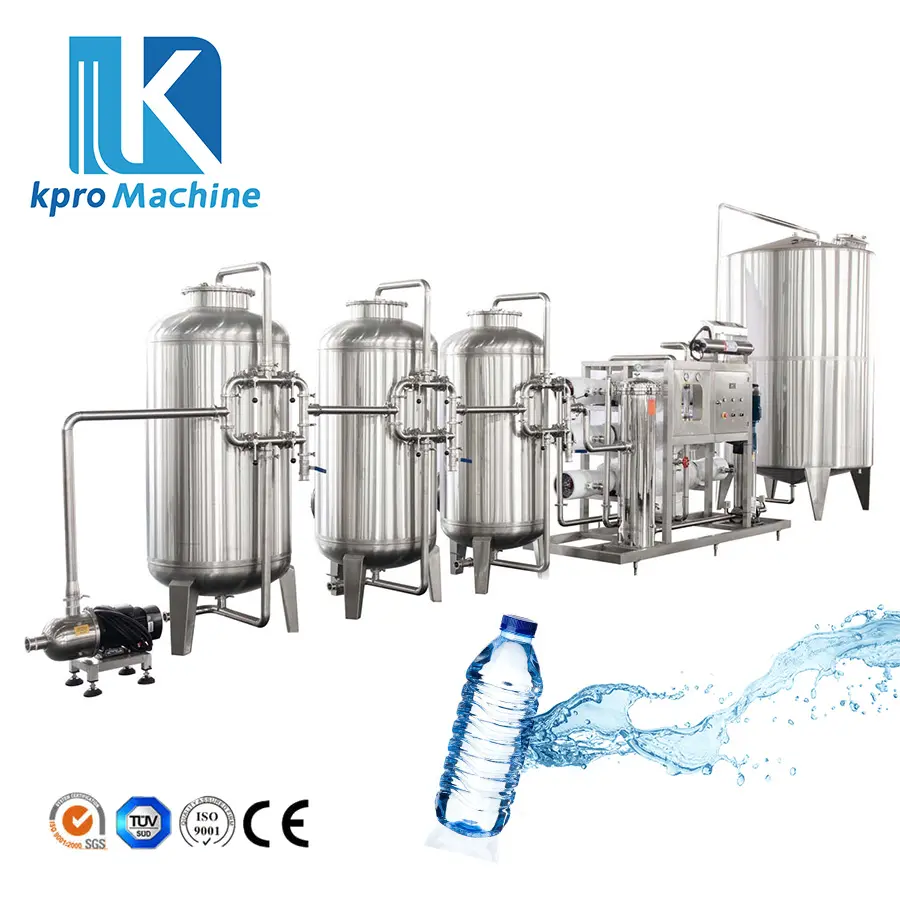
Water purification systems bring together several different filtration methods to get rid of all sorts of stuff that shouldn't be in our drinking water. Most setups work step by step, starting with basic filters that catch dirt and particles first. Then comes stuff like activated carbon which helps knock down chlorine levels and those pesky VOCs we hear so much about. Better quality systems will often include reverse osmosis technology with special membranes that stop dissolved solids dead in their tracks. Many also end with UV light treatment as a final safeguard against bacteria and viruses. The whole point of layering these different approaches is to make sure tap water stays safe to drink no matter what kind of impurities might be floating around in it.
Pre-Filtration: Sediment and Carbon Filters for Initial Contaminant Removal
Mechanical filtration using sediment filters to remove particulates and turbidity
Sediment filters act as the main mechanical defense in water purification systems, grabbing hold of all those pesky suspended particles such as sand, silt, and bits of rust that would otherwise pass through. The first line of defense here keeps things working smoothly for what comes next in the system, especially protecting those delicate reverse osmosis membranes from getting clogged up or wearing out too quickly. When these filters do their job properly, they clear away the cloudiness we can see in water, making it look cleaner while also helping the whole filtration setup last longer before needing replacement parts.
Types of sediment filters: spun polypropylene, pleated, and depth filters
The market is mainly dominated by three kinds of sediment filters these days: spun polypropylene, pleated, and depth filters. Spun polypropylene versions can hold quite a bit of dirt, making them great choices when dealing with water sources that have lots of sediment buildup. Pleated models work differently they actually create bigger surface areas which means they last longer between replacements. Depth filters take yet another approach using media that gets denser as it goes deeper into the filter body. This design traps particles all through the material instead of just collecting them at the outer layer like other types do.
Impact of pore size (1–100 microns) on filtration efficiency and system longevity
The size of filter pores, typically between 1 and 100 microns, plays a big role in what gets filtered out and when those filters need changing. Filters rated at around 5 microns will catch most of the sand and gritty stuff floating around, whereas something down to 1 micron can grab much smaller particles too. Picking the right micron level really depends on what kind of dirt is actually present in the water supply. Getting this right helps keep things running smoothly without causing extra stress on the system components or creating unwanted pressure issues across the whole setup.
Activated carbon filtration against chlorine, VOCs, and odors
Once the sediment is gone, activated carbon filters go after those pesky chemicals by grabbing them onto their porous surfaces through what's called adsorption. These filters work pretty well at cutting down chlorine levels, getting rid of those volatile organic compounds we call VOCs, and knocking out bad smells and weird tastes in tap water. Research indicates these carbon filters can take out around 99 percent of chlorine and about 85 percent of VOCs from city water systems. That makes them a must have step before running water through reverse osmosis systems, since they help protect those expensive membranes from damage over time.
Granular vs. block activated carbon: performance differences in RO systems
How activated carbon is physically shaped matters quite a bit when it comes to reverse osmosis systems. Granular activated carbon, or GAC for short, lets water flow through pretty quickly but sometimes creates channels where water takes the easy path instead of contacting all the carbon. That means less effective filtration overall. On the other hand, solid carbon block filters squeeze water through a tight matrix, which tends to catch more contaminants consistently even though it does create a bit more back pressure in the system. When looking at pretreatment for RO units, most people find that carbon blocks work better at cutting down chlorine levels. This helps keep those delicate membranes safe from getting damaged by chlorine's harsh effects over time.
Limitations in removing dissolved inorganic contaminants like lead and nitrates
Despite their effectiveness against organic chemicals, standard sediment and carbon filters cannot remove dissolved inorganic contaminants such as lead, arsenic, cadmium, or nitrates. This limitation underscores why they function as pretreatment stages rather than standalone solutions, necessitating advanced technologies like reverse osmosis or ion exchange for complete purification.
Reverse Osmosis Membranes: The Core Technology in Advanced Water Purification Systems

Reverse Osmosis and Semipermeable Membranes for Removing up to 99% of TDS
Reverse osmosis, or RO as it's commonly called, is really at the heart of most high quality water purification systems out there today. The process relies on those special membranes that let water molecules pass through but stop almost everything else. We're talking removal rates around 99% for total dissolved solids here. When pressure gets applied, water pushes through these tiny pores in the membrane. What happens? Well, all those nasty salts, heavy metals, even bacteria get left behind while clean water makes it through. Some modern membranes are so good they can knock down TDS levels from something like 500 parts per million down to below 10 ppm. That kind of performance explains why RO units show up everywhere from home kitchens to industrial facilities. But keep in mind that these systems need proper upkeep too. Things like pre-filters and routine cleaning make all the difference between great results and gradual decline in effectiveness over time.
Thin-Film Composite (TFC) vs. Cellulose Triacetate (CTA) RO Membranes
There are basically two kinds of reverse osmosis membranes on the market these days: thin film composite or TFC for short, and cellulose triacetate known as CTA. The TFC type does really well at rejecting contaminants, typically around 98 to 99 percent, plus it lasts longer through different pH levels and fights off biological growth pretty effectively. On the other hand, CTA membranes handle chlorine exposure much better than TFC ones do, which is why they get used sometimes. But their contaminant removal rate drops down to about 90-95%, so they're generally only considered when the water coming in hasn't been properly treated first. Most newer installations go with TFC because industry experience shows it performs better overall in most situations.
Case Study: Residential RO Systems Reducing Lead Levels from 15 ppb to <0.5 ppb
Reverse osmosis systems for home use really knock down those dangerous heavy metals in drinking water. According to research from last year, houses where lead was measured at around 15 parts per billion (which is basically the threshold the Environmental Protection Agency looks at) saw their levels drop way below half a part per billion once they installed these under sink RO filters. The effectiveness of reverse osmosis technology becomes pretty obvious when looking at how it tackles lead problems, particularly in older neighborhoods where pipes might be corroding over time. Homeowners get clean water right from their taps without having to worry about contaminants slipping through.
Maintenance Challenges: Membrane Fouling and the Need for Pre-Treatment
Reverse osmosis membranes tend to get clogged when solids, organic matter, or mineral deposits build up over time, which cuts down on water flow and makes the whole system work harder. If there's no good pre-filtering in place before these membranes, the fouling problem can actually cut their lifespan almost in half sometimes. Putting sediment and carbon filters ahead of the RO unit really helps stop this from happening though. Keeping an eye on things regularly and doing cleanings when needed works best. Most folks find they need to replace those membranes somewhere around every two to three years to keep water quality consistent and avoid unexpected breakdowns in the system.
Final Polishing: UV Disinfection and Ion Exchange for Complete Water Purity
Ultraviolet (UV) Radiation for Microbial Purification: Targeting Bacteria and Viruses
UV disinfection serves as the last line of defense against those pesky microbes that somehow slip past previous cleaning steps. What makes this approach so appealing is that it doesn't involve any chemicals at all. Instead, powerful UV lights get to work messing with the genetic code of bacteria, viruses, and even tiny protozoa organisms, basically stopping them from multiplying further. The whole thing happens right away while water moves through a special chamber equipped with these lights. That's why many places turn to UV systems during emergencies or when they absolutely cannot tolerate any chemical leftovers in their water supply. But here's the catch: UV won't tackle chemicals or dirt particles floating around in the water. So for maximum protection, most facilities still need to run their water through regular filters first before hitting the UV stage.
UV Dose Requirements (Typically 30–40 mJ/cm²) for Effective Disinfection
To effectively kill most germs through UV light, we generally need around 30 to 40 millijoules per square centimeter. But this number isn't fixed since it changes based on several factors like how clear the water is, how fast it flows through the system, and the strength of the UV lamps themselves. Water that's cloudy or dirty tends to protect bacteria from getting properly exposed to the light. Today's advanced UV systems come equipped with monitoring devices that check both the UV intensity and water flow rates. These smart systems will either tweak their operation settings automatically or send out warnings when things aren't working within safe parameters. This helps maintain good germ killing results even when conditions change unexpectedly.
Synergy With Reverse Osmosis Systems for Comprehensive Pathogen Control
When it comes to water treatment, UV disinfection works really well alongside reverse osmosis systems as an extra safeguard against microbes. Reverse osmosis does knock out most stuff from the water, even不少 microorganisms, but sometimes small viruses or bacteria can slip through because membranes aren't perfect or there might be some bypass issues. Putting UV right after RO gives one last chance to zap whatever got past the first filter. Many facilities actually run their systems this way for better protection. We see this setup making a big difference in hospitals where patients have weakened immune systems, in food factories where contamination risks are high, and also in rural areas where people don't have access to clean water sources.
Removal of Specific Impurities Like Lead, Hardness Ions, and Nitrates Using Ion Exchange Resins
Ion exchange tech is really good at grabbing those pesky dissolved inorganic ions that most other water treatment approaches simply cant handle. The basic idea? Swap out bad ions in water for nicer ones attached to special resins. Some chelating resins are particularly effective against heavy metals such as lead, working well even when these contaminants are present in very small amounts. When it comes to making water softer, cation exchange does the trick by trading calcium and magnesium ions for sodium, which helps stop that annoying scale from forming on pipes and equipment. For nitrate removal, anion exchange steps in to replace those nitrates with chloride ions instead. Specialized industries need extremely pure water, so deionization systems come into play here. These advanced setups can create water so clean it has a resistivity measurement above 18 megohm-cm, something critical for places like pharmaceutical labs or semiconductor fabrication plants where purity matters a lot.
Post-Filtration Activated Carbon Stage for Improving Taste and Odor After RO Storage
The final stage of activated carbon treatment gives water that extra polish, fixing those annoying tastes and smells that sometimes creep in during reverse osmosis storage. Believe it or not, water sitting around in storage tanks can pick up weird flavors over time, often tasting flat or even having that unpleasant plastic aftertaste from tank materials themselves. Good quality solid carbon block filters really do a number on these unwanted flavors plus they grab hold of any remaining volatile organic compounds too. What comes out isn't just water that passes all the safety tests, but something people actually want to drink because it hits that sweet spot between clean and refreshingly good. And let's face it, nobody wants to pay for purified water only to find it still tastes bad when poured into a glass.
Monitoring and Maintenance: Ensuring Long-Term Performance of Water Purification Systems
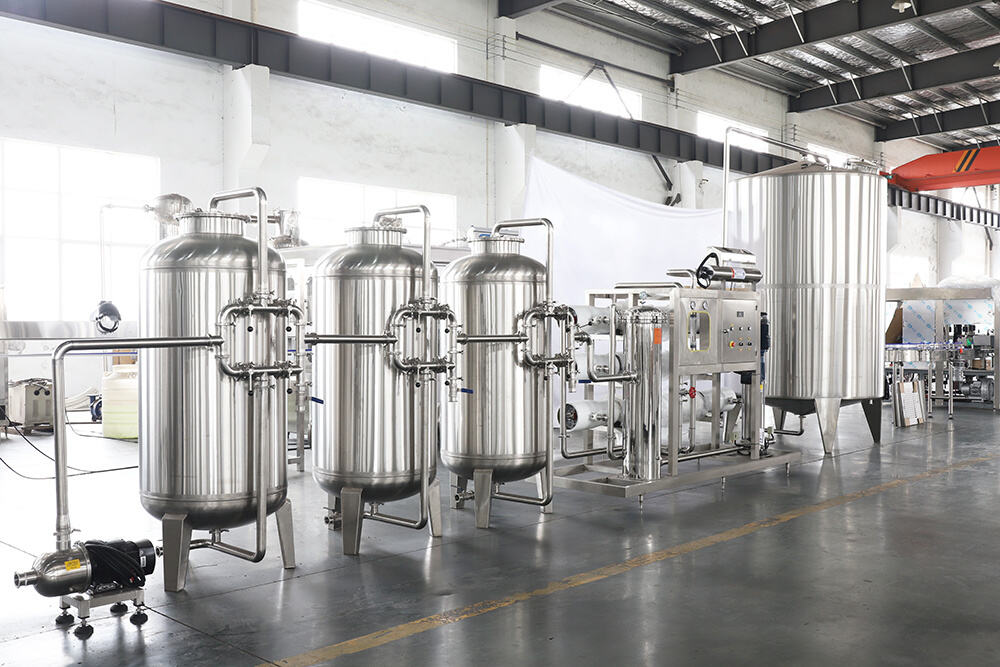
Effective monitoring and maintenance are essential for sustaining performance and safety in any water purification system. Regular validation through water quality testing—including pH, turbidity, and total dissolved solids (TDS)—confirms the system operates within design specifications and continues to remove contaminants effectively.
Water Quality Testing (pH, Turbidity, Dissolved Solids, etc.) for Performance Validation
Regular testing gives valuable information about how well filters are working and can catch problems before they get serious. For reverse osmosis systems, when total dissolved solids start climbing or there's a bigger pressure drop across the system, this usually means something isn't right with the membranes or maybe the filters have just had enough. Most maintenance guides suggest looking at action when TDS goes up around 15% or pressure differences become noticeable. At that point, cleaning membranes or swapping out old filters generally brings things back to where they should be for proper operation.
Smart Sensors and Real-Time Monitoring Trends in Residential and Commercial RO Systems
Smart sensors are becoming pretty common these days for monitoring things like water flow, pressure changes, and overall water quality as they happen. What makes them so useful is that they actually give people who own homes or manage buildings real information they can work with when something starts going wrong. For businesses especially, this technology makes a big difference. Research indicates commercial properties using these smart systems see about 40 percent less urgent repair situations than those relying on old fashioned maintenance methods. Makes sense really since catching problems early saves everyone headaches down the road.
Trend Analysis: Increasing Adoption of IoT-Enabled Purification Units With Automated Alerts
Bringing IoT into system maintenance represents something pretty big for the industry. Water purification units equipped with these smart sensors can now send their performance stats wirelessly and notify operators when filters need replacing, when cleaning is required, or if anything goes wrong with the machinery. The whole point here is catching problems early on so equipment lasts longer and water stays clean without sudden drops in quality. Looking at real world data from various facilities, those connected to IoT networks hit around 99 percent compliance with water quality regulations most of the time. Traditional setups relying on people doing regular checks only manage about 87 percent compliance rates according to recent studies across different regions.
Frequently Asked Questions
What are the main stages in a water purification system?
The main stages typically include pre-filtration with sediment and carbon filters, reverse osmosis membranes for advanced purification, UV disinfection for microbial control, and ion exchange for removing specific impurities.
How does reverse osmosis work in water purification?
Reverse osmosis uses semipermeable membranes to remove up to 99% of total dissolved solids by allowing water molecules to pass while stopping other contaminants.
What are the advantages of using UV disinfection in water treatment?
UV disinfection effectively targets bacteria and viruses without adding chemicals to the water, making it a safe option for microbial purification.
Why is regular maintenance important for water purification systems?
Regular maintenance ensures that the system operates efficiently and continues to remove contaminants effectively, preventing breakdowns and prolonging the lifespan of the components.
How can smart sensors improve water purification system performance?
Smart sensors offer real-time monitoring and alerts for maintenance needs, ensuring prompt action and reducing the risk of urgent repairs or quality issues.
What impurities can ion exchange remove from water?
Ion exchange can effectively remove dissolved inorganic ions such as lead, hardness ions like calcium and magnesium, and nitrates, improving overall water purity.
Table of Contents
- Understanding the Core Function of a Water Purification System
-
Pre-Filtration: Sediment and Carbon Filters for Initial Contaminant Removal
- Mechanical filtration using sediment filters to remove particulates and turbidity
- Types of sediment filters: spun polypropylene, pleated, and depth filters
- Impact of pore size (1–100 microns) on filtration efficiency and system longevity
- Activated carbon filtration against chlorine, VOCs, and odors
- Granular vs. block activated carbon: performance differences in RO systems
- Limitations in removing dissolved inorganic contaminants like lead and nitrates
- Reverse Osmosis Membranes: The Core Technology in Advanced Water Purification Systems
-
Final Polishing: UV Disinfection and Ion Exchange for Complete Water Purity
- Ultraviolet (UV) Radiation for Microbial Purification: Targeting Bacteria and Viruses
- UV Dose Requirements (Typically 30–40 mJ/cm²) for Effective Disinfection
- Synergy With Reverse Osmosis Systems for Comprehensive Pathogen Control
- Removal of Specific Impurities Like Lead, Hardness Ions, and Nitrates Using Ion Exchange Resins
- Post-Filtration Activated Carbon Stage for Improving Taste and Odor After RO Storage
- Monitoring and Maintenance: Ensuring Long-Term Performance of Water Purification Systems
-
Frequently Asked Questions
- What are the main stages in a water purification system?
- How does reverse osmosis work in water purification?
- What are the advantages of using UV disinfection in water treatment?
- Why is regular maintenance important for water purification systems?
- How can smart sensors improve water purification system performance?
- What impurities can ion exchange remove from water?