 EN
EN
How Maintenance Impacts Water Purification System Efficiency
Ensuring consistent water flow and quality through regular system upkeep
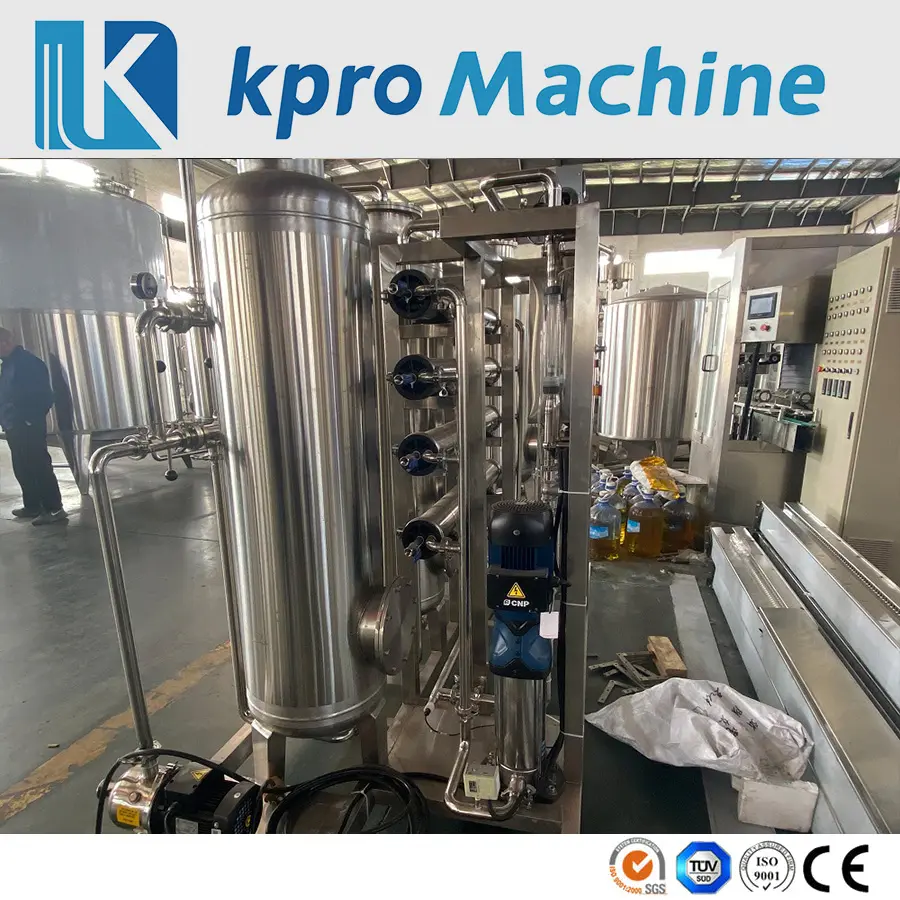
Keeping water purification systems well maintained makes all the difference when it comes to maintaining good flow rates and effective contaminant removal. When neglect sets in, things start going downhill fast. Performance drops off, energy bills go up, and there's always that nagging worry about something breaking down completely and messing up the water supply. Water treatment professionals stress that sticking to basic maintenance routines really pays off. Things like changing filters on schedule, giving membranes a good clean now and then, and doing regular checks throughout the system help avoid those efficiency losses we all want to prevent. These simple steps aren't just about keeping things running smoothly today but ensuring the whole setup lasts for years to come without constant headaches.
Data-driven evidence: Up to 40% efficiency loss in poorly maintained systems
Systems that aren't maintained regularly tend to drop around 40% in efficiency after just half a year because of things like blocked filters, dirty membranes, and all sorts of hydraulic issues building up. When this happens, water flow gets restricted, pressure goes way up, and the system isn't nearly as good at removing contaminants anymore. The equipment works harder to keep producing what it needs to, which means energy bills jump somewhere between 30% and 35%. Not only does this hit the bottom line harder, but it also creates more of an environmental footprint than necessary for operations that should be running smoothly.
Case study: Municipal plant restores 95% performance with structured maintenance
One city wastewater treatment plant managed to turn around its terrible system performance after implementing a thorough maintenance strategy. For several years prior, the facility had been neglecting regular maintenance work, which caused serious problems like dirty membranes and blocked filters throughout the system. When they finally started doing routine cleaning, replacing worn parts, and keeping tabs on system health through ongoing checks, they managed to bring back almost all of what the system was originally capable of doing. Energy bills dropped significantly too, around 25-30% lower than before. This shows just how much difference proper care can make for old systems that have been falling apart over time.
Emerging trend: IoT sensors enabling real-time efficiency monitoring
The Internet of Things is changing how we handle maintenance work by constantly monitoring things like water flow speed, pressure changes, and overall water quality. These little smart gadgets can spot problems long before they become serious issues. For instance, they pick up on early warning signs such as buildup inside pipes or unwanted biological growths that nobody wants to deal with later. When these sensors notice something off, they send alerts so technicians can check things out before small troubles turn into big headaches. Instead of waiting for equipment to break down first (which everyone hates), companies now fix potential problems ahead of time. This approach keeps systems running smoothly for longer periods while also making sure maintenance crews aren't wasting their time on unnecessary repairs when there's actually work that needs doing elsewhere.
Preventing Downtime with Proactive Water Purification System Maintenance
Scheduled maintenance as a safeguard against unexpected system failures
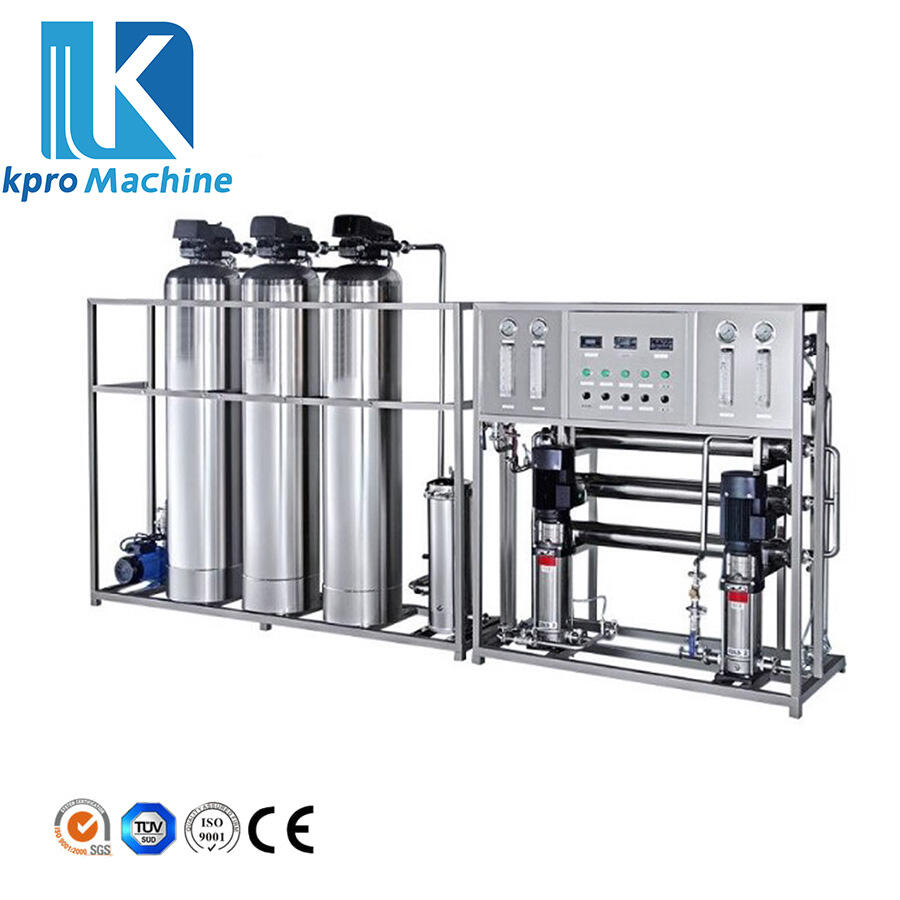
Getting ahead of maintenance issues cuts down on those unexpected shutdowns quite a bit actually. Industry numbers point to around 30 percent less disruption when companies take this forward thinking approach instead of waiting for things to break down first. When operators spot signs of wear or possible problems early on, they get to plan repairs for times when demand is low rather than scrambling during peak hours. The whole system just runs smoother this way, keeping the water flowing without interruption for customers. Plus, having a regular maintenance schedule makes it easier to manage budgets and stay within all the required regulations that come with running these kinds of facilities.
Cost comparison: Reactive repairs cost 3x more than preventative care
Emergency repairs typically cost three times more than planned maintenance due to expedited parts, overtime labor, and lost production during outages. A 2023 water treatment industry report found that organizations using preventive strategies reduced annual repair expenses by 25–35% while achieving over 95% operational availability.
| Maintenance Approach | Average Cost Factor | Downtime Impact | Long-term Equipment Effect |
|---|---|---|---|
| Reactive | 3× higher | Unplanned, extended | Shortened lifespan |
| Proactive | Baseline cost | Scheduled, minimal | Extended operational life |
This financial advantage underscores the value of investing in routine care rather than waiting for failure.
Finding the balance: Avoiding over-maintenance and under-maintenance pitfalls
Getting maintenance right means finding that sweet spot between doing too much and not enough. When companies replace parts before they actually need it, they just end up throwing money away on unnecessary expenses. On the flip side, cutting back too much can lead to all sorts of problems down the road including contaminated systems and expensive breakdowns. Good maintenance programs look at live data from the field instead of sticking to rigid schedules. Operators track things like how pressure changes over time and monitor shifts in water quality indicators to know exactly when action is required. Factoring in seasonal variations makes all the difference too. For instance, during summer months when water demand spikes, maintenance teams might need to check filters more often than in winter. This approach keeps systems running smoothly without breaking the bank on redundant work.
Extending Equipment Lifespan Through Consistent Care
Strategic maintenance transforms water purification systems into durable, long-term assets by preventing cumulative damage and preserving component integrity.
Proactive replacement of critical components to maximize longevity
Replacing filters, membranes, and seals according to performance indicators—not just timelines—prevents secondary damage to pumps and housings. Industry data shows this approach reduces the risk of catastrophic failure by up to 60% compared to reactive models, where failures often cascade after initial undetected wear.
Increasing system lifespan from 7 to 12+ years with proper maintenance
Well-maintained systems regularly operate for 12–15 years—extending service life by 40–70% beyond the typical 7-year mark for neglected units. This longevity delivers significant capital savings and maintains reliable water quality throughout the extended lifecycle, improving return on investment.
Case study: Industrial RO membrane life doubled with bi-monthly cleaning
An industrial facility extended its reverse osmosis membrane life from 18 to 36 months through bi-monthly chemical cleaning. The regimen prevented irreversible fouling while maintaining 95% salt rejection, reducing annual replacement costs by 44%. This example highlights how targeted cleaning intervals directly influence both performance and bottom-line outcomes.
Essential Routine Maintenance Tasks for Optimal Performance
Filter and Membrane Replacement Schedules Based on Usage and Water Quality
Getting filter and membrane replacements right depends on what's actually happening in the system day to day. Most sediment filters need replacing somewhere between six months and a year, whereas reverse osmosis membranes generally stick around for about two to five years when everything runs smoothly. But things get tricky when dealing with water that has high total dissolved solids, hardness issues, or just plain dirty stuff floating around. These situations call for swapping out components much sooner than usual to stop problems like scale buildup and reduced water flow. Keep an eye on pressure differences across the system, how fast water moves through, and overall water quality as real indicators it's time for a change. Waiting too long can lead to systems losing almost half their effectiveness, which nobody wants to deal with down the road.
Core Practices: Inspections, Cleaning Protocols, and Maintenance Logging
The bedrock of good maintenance work rests on three main pillars really. First off, doing those weekly walkarounds to spot anything fishy going on with equipment. We're talking about checking for drips, rust spots forming, or when pressure gauges start acting weird. Then there's the monthly deep clean stuff nobody wants to think about but absolutely needs doing. Sanitize those storage tanks, tackle membrane scaling issues, and give distribution lines a good flush to stop all that nasty biofilm and mineral gunk from building up over time. And don't forget about keeping track of everything. Facilities that actually bother to document when they last serviced something, what parts got swapped out, and how things are performing tend to save somewhere around 25 to maybe even 35 percent on their running costs. Makes sense really because knowing what happened before helps plan ahead and catch problems before they blow up into big headaches. Plus these records come in handy during audits and let maintenance teams get proactive instead of always playing catch up.
Cost Savings and Risk Reduction in Water Purification System Maintenance
Reducing annual operating costs by 25–35% through preventative strategies
Regular maintenance actually saves money over time, according to research that points to around 25 to 35 percent cuts in yearly running expenses. The savings happen because machines consume less power, require fewer chemicals, need fewer last minute fixes, and simply last longer before needing replacement. Take a look at what happened in 2023 when one major study found plants following regular maintenance schedules paid only 18 cents per gallon for their operations while others relying on fixing problems as they arose ended up paying 27 cents per gallon instead. That kind of difference adds up fast across all those gallons processed through industrial systems every day.
Avoiding contamination incidents, regulatory fines, and brand damage
Regular maintenance does more than save money it also protects people's health and keeps organizations from getting into trouble. Systems that aren't properly maintained tend to develop problems like bacteria buildup, chemicals leaking through, and all sorts of other nasty contamination issues. According to recent water safety reports from last year, places that didn't keep up with their maintenance got hit with fines averaging around $47,500 for each problem they had. Meanwhile, facilities that kept good records on their maintenance stayed completely compliant with regulations. What gets overlooked though is how bad things get when there's a water quality issue. The damage to a company's reputation after such incidents often costs much more than just the fines. People stop trusting them, customers leave, and sales drop off. Keeping everything running smoothly isn't just about avoiding penalties it makes sure clean water keeps flowing out the taps, which matters a lot for everyone involved.
FAQs
How often should filters and membranes be replaced?
Filter replacement depends on usage and water quality. Sediment filters typically need replacing every six months to a year, while reverse osmosis membranes last about two to five years.
What impact does neglecting routine maintenance have on water purification systems?
Neglecting routine maintenance can lead to around a 40% drop in efficiency, increased energy bills, and a higher environmental footprint.
What is the advantage of scheduling proactive maintenance?
Proactive maintenance reduces unexpected shutdowns by around 30%, allows planned repairs during low demand periods, and saves around 25-35% on annual operating costs.
Are IoT sensors beneficial for water purification system maintenance?
Yes, IoT sensors enable real-time monitoring, spotting early warning signs of potential problems, and allowing timely interventions.
Table of Contents
- How Maintenance Impacts Water Purification System Efficiency
- Preventing Downtime with Proactive Water Purification System Maintenance
- Extending Equipment Lifespan Through Consistent Care
- Essential Routine Maintenance Tasks for Optimal Performance
- Cost Savings and Risk Reduction in Water Purification System Maintenance