 EN
EN
The Working Principle of an Injection Molding Machine: From Plastic to Finished Part
The Four-Stage Cycle: Melting, Injecting, Cooling, and Ejecting
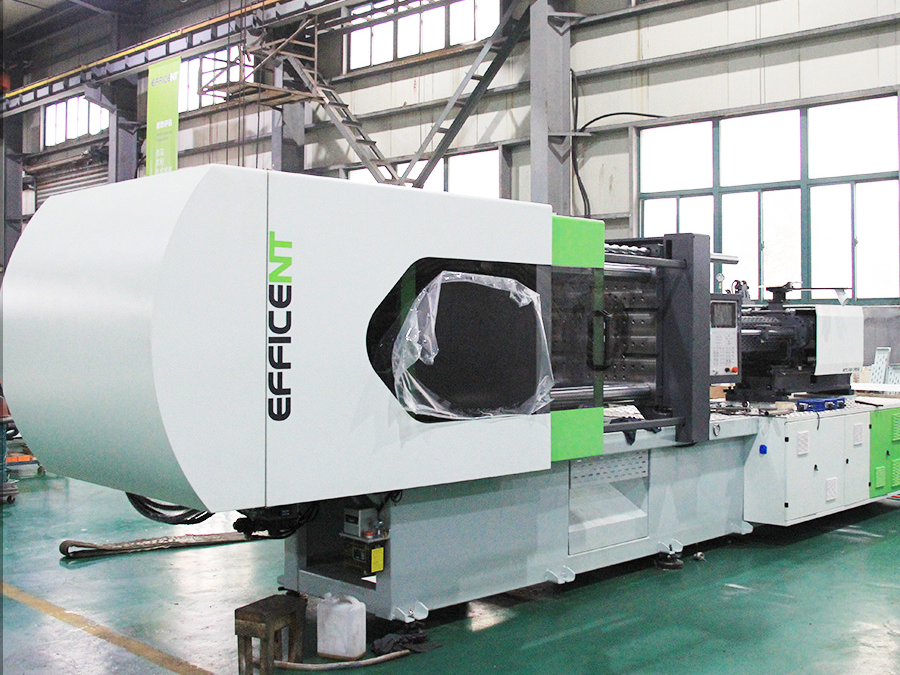
An injection molding machine works through a four stage process that turns plastic pellets into finished products. The operation starts when thermoplastic pellets drop down from a hopper into a heated barrel. Inside this barrel, there's a special screw that spins around, creating both friction and heat which melts the plastic until it becomes a uniform liquid. When the temperature reaches about 200 to 300 degrees Celsius (depending on what kind of plastic we're using), the screw pushes forward like a piston, forcing the melted plastic into a tightly closed mold at pressures sometimes above 100 MPa. What happens next is pretty straightforward - the plastic cools inside the mold and hardens into whatever shape was designed. Once it's solid enough, the mold pops open and an ejection mechanism kicks the part out so it can be taken away for finishing touches. Because this whole thing repeats so reliably, manufacturers can produce thousands of identical parts day after day. That's why injection molding remains one of the most important techniques in factories across industries ranging from car manufacturing to medical equipment production.
Process Control Variables: Pressure, Temperature, and Timing Optimization
Getting consistent parts right comes down to controlling three main factors: temperature settings, pressure levels, and timing throughout the process. The melt temperature needs just the right balance so material flows properly without breaking down from heat exposure. Mold temperature plays a big role too since it determines how fast things cool down and affects whether finished products maintain their shape. When it comes to injection pressure during filling and holding stages, getting this right ensures good cavity packing which prevents those annoying sink marks or empty spots inside parts. Timing matters for each stage of injection molding as well. If injection, cooling, and ejection aren't timed correctly, production slows down and parts might end up warped or incomplete. Manufacturers have seen firsthand how even minor adjustments can make all the difference between acceptable batches and rejected ones. That's why most facilities now rely on sophisticated monitoring equipment to keep everything within tight tolerances day after day.
Hydraulic vs. Electric Actuation: Performance in Core Process Phases
When deciding between hydraulic and electric actuation for injection molding, manufacturers need to consider how each affects performance, accuracy, and energy usage throughout the entire molding process. Hydraulic systems are known for delivering strong clamp force and lasting durability, which makes them ideal for big molds and tough industrial applications. But there's a catch too many folks forget about these systems guzzle more energy and create quite a racket during operation. Electric injection molding machines tell a different story altogether. They're much more energy efficient, respond faster, and provide finer control over things like screw position and injection speed something absolutely essential when making precision parts like optical lenses or tiny medical components. Sure, electric machines come with a bigger price tag upfront, but over time they tend to save money through lower electricity bills and less frequent maintenance needs, especially when running at high volumes. Some companies opt for hybrid systems that mix hydraulic clamping with electric injection this gives them the best of both worlds when applications demand both raw power and exacting precision.
Injection Unit: Components and Functions in Material Preparation and Delivery
The injection unit serves as the heart of any injection molding machine, responsible for transforming raw plastic pellets into precisely measured molten material ready for mold injection. This critical subsystem ensures consistent material preparation and delivery through four integrated components working in precise coordination.
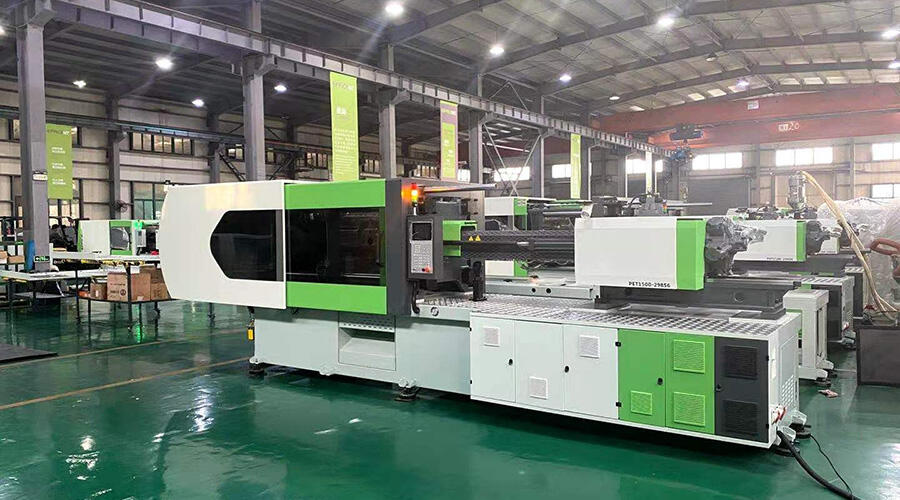
Hopper and Material Feeding System Overview
It all starts at what's called the hopper, basically where those little plastic resin pellets drop down into the machine by gravity. Most modern hoppers come equipped with drying features these days because certain plastics absorb moisture from the air. If left unchecked, this can lead to problems on finished products such as those ugly surface marks known as splay marks or worse yet, tiny air pockets inside the plastic itself. For really high quality production runs, some manufacturers go even further by incorporating vacuum systems that suck out any contaminants while keeping everything flowing smoothly into the main processing chamber.
Barrel Design and Thermal Management for Uniform Melting
The barrel itself is made from tough steel alloys and serves as home for the reciprocating screw, creating the necessary heat conditions for melting materials. Along its length, heater bands establish different temperature areas, and thermocouples constantly send back information to keep everything running smoothly. Good temperature control stops parts from wearing out too fast and makes sure everything melts evenly throughout. This matters because when things melt properly, the material stays at the right consistency, which directly affects how good the final product turns out in terms of quality and performance.
Reciprocating Screw Dynamics: Melting, Mixing, and Injection
The reciprocating screw does three main things during operation. First, it moves those solid plastic pellets along the barrel towards the heated zone. Second, through both friction from rotation (shear) and direct heating (conduction), it melts these materials down. And finally, once melted properly, it pushes the molten plastic into the mold cavity. When rotating inside the barrel, the special shape of the screw flights creates heat through sheer force which helps break down the pellets. At the same time, when the screw retracts slightly, it builds up a specific amount of molten material ready for injection. Most machines work best with compression ratios between 2 to 1 and 3 to 1, which allows proper packing and thorough melting of the raw materials. Then comes the actual injection phase where the screw stops rotating and starts moving straight forward like a big syringe plunger, pushing material into molds under incredible pressure sometimes reaching around 30 thousand pounds per square inch. This level of precision makes sure every part produced meets quality standards consistently.
Nozzle Types and Precision in Molten Plastic Delivery
The nozzle serves as the connection point between the injection unit and the mold sprue bushing, acting as a key component in managing how materials flow through the system. When working with filled resins, open nozzles allow for better material movement since they create less resistance. For those dealing with lower viscosity materials where drooling can be an issue, shut-off nozzles become essential to keep things under control. Many manufacturers opt for reverse taper designs because these configurations offer better control over when flow starts and significantly cut down on stringing problems during production runs. Getting the nozzle temperature right is absolutely critical too. A properly maintained temperature means the melted material will flow consistently into the mold cavity, which makes all the difference in achieving quality results from the molding process.
Clamping Unit and Mold Assembly: Ensuring Stability and Part Accuracy
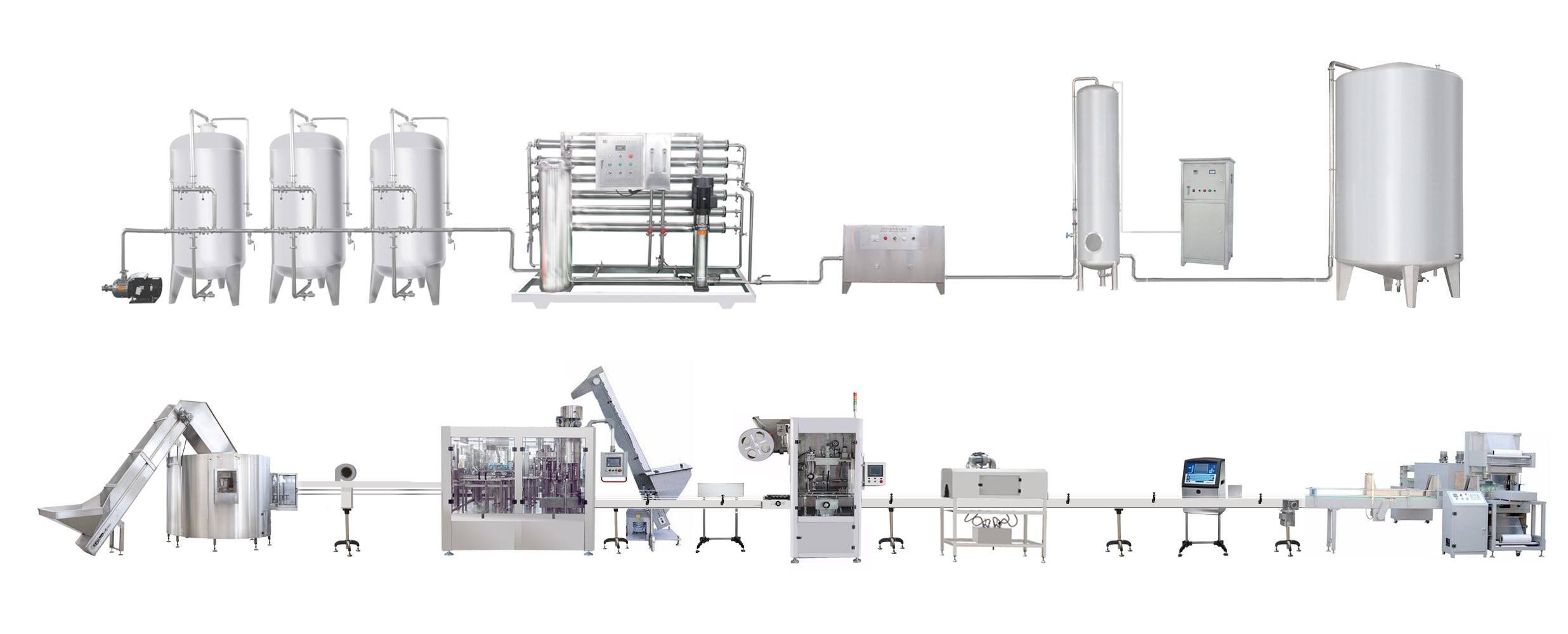
The clamping unit serves as the structural backbone of an injection molding machine, responsible for securely holding the mold halves together during the high-pressure injection phase. This critical subsystem prevents mold separation and material leakage, ensuring dimensional accuracy and consistent part quality throughout production cycles.
Clamp Force Mechanism: Platens, Tie Bars, and Mold Alignment
Stationary and moving platens secure the mold halves, while tie bars maintain alignment and resist deflection under clamping forces that can exceed 1,000 tons. Proper alignment ensures even force distribution and minimizes wear. Misalignment can compromise part consistency, particularly in precision applications where tolerances are tight.
Core and Cavity Plates: Defining Final Part Geometry
The complementary plates create what's called negative space, which basically determines how the part looks, feels on the surface, and meets those important dimensional requirements. Most of the time, the core is responsible for shaping what goes inside the part, whereas the cavity handles all the outside surfaces. When we talk about high quality molds made from engineering grade materials, they can maintain really tight tolerances around plus or minus 0.005 inches. Getting proper venting right and making sure surfaces are polished well makes a big difference. It helps material flow better through the mold and stops those annoying cosmetic issues like burn marks or when parts don't fill completely.
Cooling Channels and Cycle Time Efficiency
The cooling channels built into molds play a key role in managing temperatures during the solidification process, which has a direct impact on how long each production cycle takes and whether parts remain stable after manufacturing. When engineers design these cooling systems properly, they often see significant improvements in efficiency. Some factories report cutting their cycle times nearly in half when switching from bad layout designs to well thought out ones. Plus, better temperature management helps prevent those annoying issues like stress buildup and warping that plague so many injection molded products. Industry experts generally agree that getting temperature control right makes up about a third of all possible gains in reducing cycle times across most manufacturing operations.
Ejector System Design for Reliable Part Release
After the mold opens, ejector pins, sleeves, or blades do the job of pushing out the cooled part. Most modern systems work either through hydraulic pressure or mechanical means, timed right with how the mold cycles open and closed. The presence of sensors makes sure everything gets pushed out completely before starting another production run. When manufacturers invest in good ejection system design, they see fewer unexpected shutdowns. Some factories report cutting down on lost time by around 25 percent when switching from manual part removal to automated ejection systems.
Runner, Gate, and Flow Design: Influencing Quality and Efficiency
The pathways that guide molten plastic into the mold cavity—the runner, gate, and overall flow design—are fundamental to both the quality of the finished part and the efficiency of the production cycle. Optimizing these elements minimizes defects, reduces material waste, and ensures consistent output.
Cold vs. Hot Runner Systems: Impact on Material Waste and Cycle Speed
With cold runner systems, the sprue and runners actually cool along with the finished part, which means they have to be cut off later and create all sorts of waste material. This not only adds extra steps to the process but also drives up both the time it takes to make each part and the overall material costs, particularly when working with pricey resins like engineering plastics. On the flip side, hot runner systems maintain those feed channels in a molten state throughout production. They completely eliminate runner waste because there's nothing to remove after molding. Plus, since no cooling is needed for excess material, cycle times get significantly shorter. Sure, these systems come with higher initial setup costs and are technically more complicated to install and maintain. But manufacturers running large volume productions often find that the long term benefits outweigh the investment. Better material usage combined with quicker turnaround times can lead to substantial cost reductions over time, making them worth considering despite the steeper price tag at first glance.
Gate Types and Placement: Balancing Aesthetics and Structural Integrity
Gates serve as the last access point before material enters the mold cavity, influencing how parts look, their structural integrity, and how easy they are to manufacture. Pinpoint gates create barely noticeable marks which makes them great for multi cavity molds. Submarine gates have this neat feature where they basically cut themselves off when the part ejects, which works well with automated systems. Tab gates come in handy too because they help prevent damage to delicate materials under stress. Putting these gates in smart locations matters a lot. Placing them near thicker areas of the part helps ensure even filling throughout the mold. This careful positioning cuts down on those annoying jetting issues and sink marks that ruin both the aesthetics and strength of finished products.
Flow Balance and Filling Uniformity in Multi-Cavity Molds
Getting uniform filling right matters a lot when working with multi cavity molds if we want parts that look and perform consistently throughout production runs. When the mold isn't laid out properly, some cavities might get packed too full while others end up underfilled, which means higher scrap rates for everyone involved. The trick lies in designing runners that balance things out so every cavity gets similar flow lengths and faces comparable resistance during injection. Many shops now rely on advanced simulation tools to spot these flow problems early on in the design phase instead of discovering them after expensive tooling has already been made. These simulations help catch issues that would otherwise lead to inconsistent yields and dimensional problems down the line.
Auxiliary Systems and Technological Advancements in Injection Molding Machines
Hybrid, Electric, and Hydraulic Drive Systems Compared
Today's industrial equipment typically uses one of three drive systems, each designed for specific manufacturing requirements. Hydraulic setups still rule the shop floor when dealing with big molds because they pack serious clamp force and just keep working reliably day after day, though they definitely guzzle more energy than other options. Electric drives have become increasingly popular lately thanks to their rock solid repeatability and pinpoint accuracy. Some studies show these can cut energy bills by around half compared to traditional methods, which makes them perfect for jobs where every micron counts. Then there are hybrid systems that take the best bits from both worlds hydraulic clamping paired with electric injection. These mixed solutions tend to work really well for shops running moderate volume production runs where neither pure hydraulic nor electric systems quite hit the sweet spot.
Temperature Controllers and Process Stability
Stable thermal conditions are vital for consistent output. Modern controllers maintain barrel, nozzle, and mold temperatures within ±0.5°C using PID algorithms and multi-zone regulation. This level of precision prevents material breakdown, supports dimensional accuracy, and contributes to scrap reduction of up to 25% compared to older control technologies.
IoT and AI Integration: Smart Monitoring and Predictive Optimization
The combination of IoT sensors with AI analysis is making injection molding much more predictable and based on actual data rather than guesswork. With real time monitoring now possible, manufacturers can track hundreds of different factors during production runs. Things like pressure changes throughout the mold, how viscous the melted plastic becomes, and signs that machinery components are wearing down get constantly monitored. Meanwhile, machine learning algorithms dig through past performance records to spot when maintenance might be needed before problems occur. The result? Factories report around a 30% drop in unexpected shutdowns, better control over energy consumption, and parts that consistently meet quality standards because the machines adjust themselves as conditions change during operation.
FAQ Section
Q: What are the four stages of the injection molding process?
A: The injection molding process involves melting, injecting, cooling, and ejecting plastic to form finished products.
Q: What factors are essential for consistent production in injection molding?
A: Controlling temperature settings, pressure levels, and timing throughout the process is crucial for consistent production in injection molding.
Q: How do hydraulic and electric actuation differ in injection molding machines?
A: Hydraulic systems deliver strong clamp force but use more energy, while electric machines are energy-efficient, offering faster response and precision control.
Q: What role does IoT and AI integration play in injection molding machine?
A: IoT sensors and AI analysis enhance predictive optimization, reduce unexpected shutdowns, and ensure consistent quality in injection molding operations.
Table of Contents
- The Working Principle of an Injection Molding Machine: From Plastic to Finished Part
- Injection Unit: Components and Functions in Material Preparation and Delivery
- Clamping Unit and Mold Assembly: Ensuring Stability and Part Accuracy
- Runner, Gate, and Flow Design: Influencing Quality and Efficiency
- Auxiliary Systems and Technological Advancements in Injection Molding Machines