
Yucai Industry Area, Sanxin Town Zhangjiagang City, Suzhou, Jiangsu, China +8618205059585 [email protected]
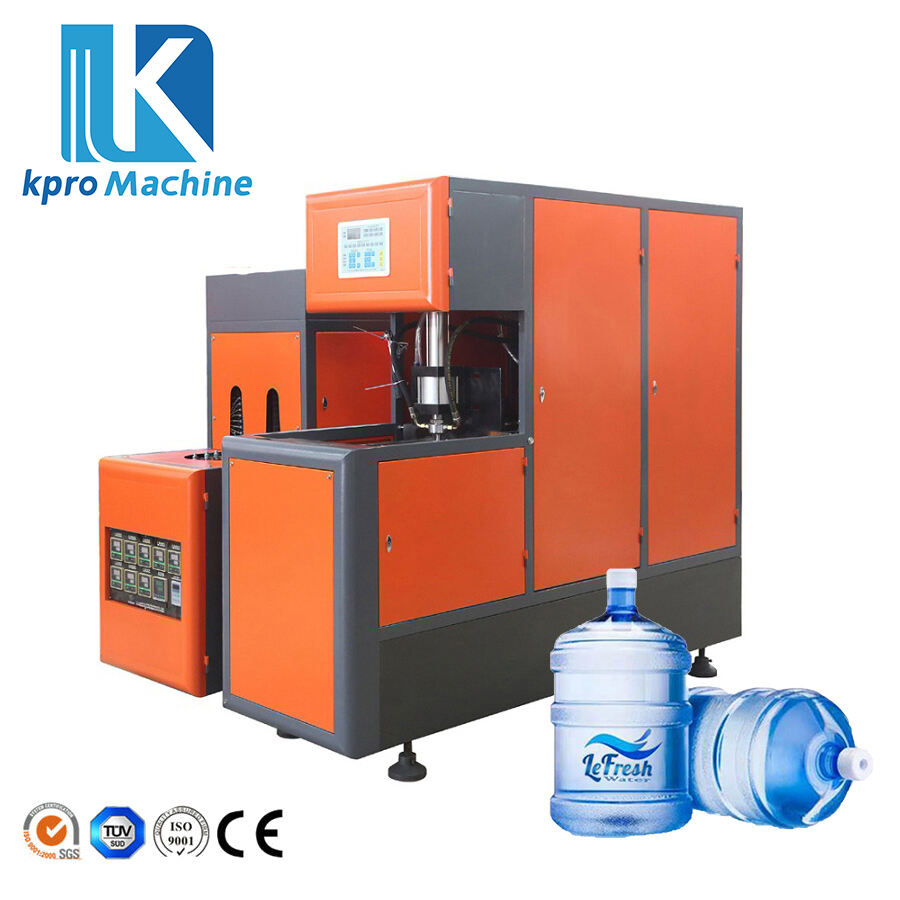
The injection blow molding machine stands as a pillar of modern manufacturing, primarily dominating the production of high-volume, precision hollow containers. Its foremost application is in the packaging industry, where it creates impeccably finished bottles, jars, and containers for sectors like food and beverage, cosmetics, and household chemicals. The process guarantees superior dimensional accuracy, brilliant clarity, and excellent wall thickness distribution, which are critical for product shelf appeal and integrity. This makes it the go-to technology for brands that cannot compromise on consistency and quality for their high-turnover consumer goods.
Beyond consumer packaging, the technology is indispensable in high-stakes industries like pharmaceuticals and healthcare. The ability of injection blow molding to produce sterile, leak-proof, and particulate-free containers—such as prescription bottles, vials, and specimen containers—under tightly controlled conditions is paramount. The process ensures no flash or scrap, eliminating contamination risks and making it ideal for meeting stringent Good Manufacturing Practice (GMP) standards. This reliability extends to the laboratory sector for producing precise chemical reagent bottles, underscoring the machine's critical role in safeguarding health and safety.
The prospects of injection blow molding are further expanding into the realm of advanced technical and engineered parts. Industries such as automotive, electronics, and toys leverage this process to create complex, hollow components like ducting, fuel reservoirs, and internal casings. The capability to use engineering-grade polymers and produce parts with integrated necks or threads in a single operation reduces assembly needs and enhances structural integrity. As sustainability and lightweighting trends grow, the material efficiency and design flexibility of injection blow molding machines position them as a vital technology for the future of innovative, cost-effective manufacturing.