 EN


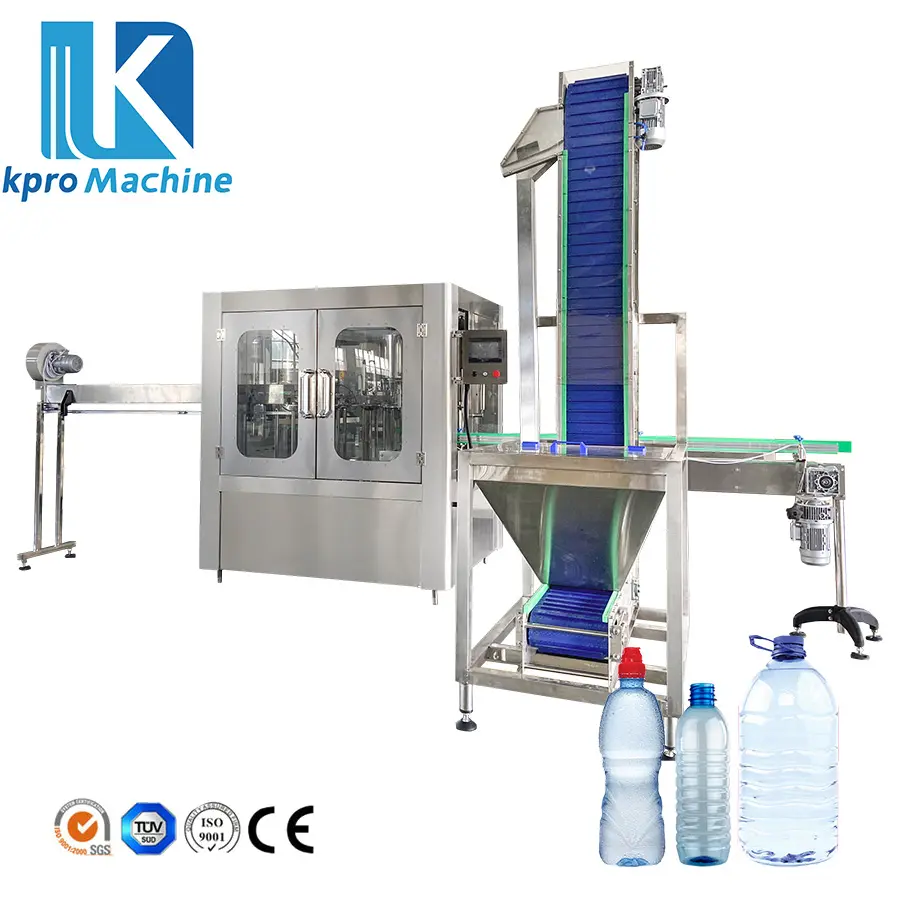
Selecting the right packaging machine is one of the most critical decisions a factory manager will make. The performance of your production line depends directly on choosing equipment that aligns with your product specifications, production volume, and operational budget. A packaging machine that matches your factory's unique requirements will maximize efficiency, reduce waste, and ensure consistent product quality across every batch. However, understanding which packaging machine features matter most requires careful evaluation of multiple factors, from throughput capacity to material compatibility and maintenance demands.
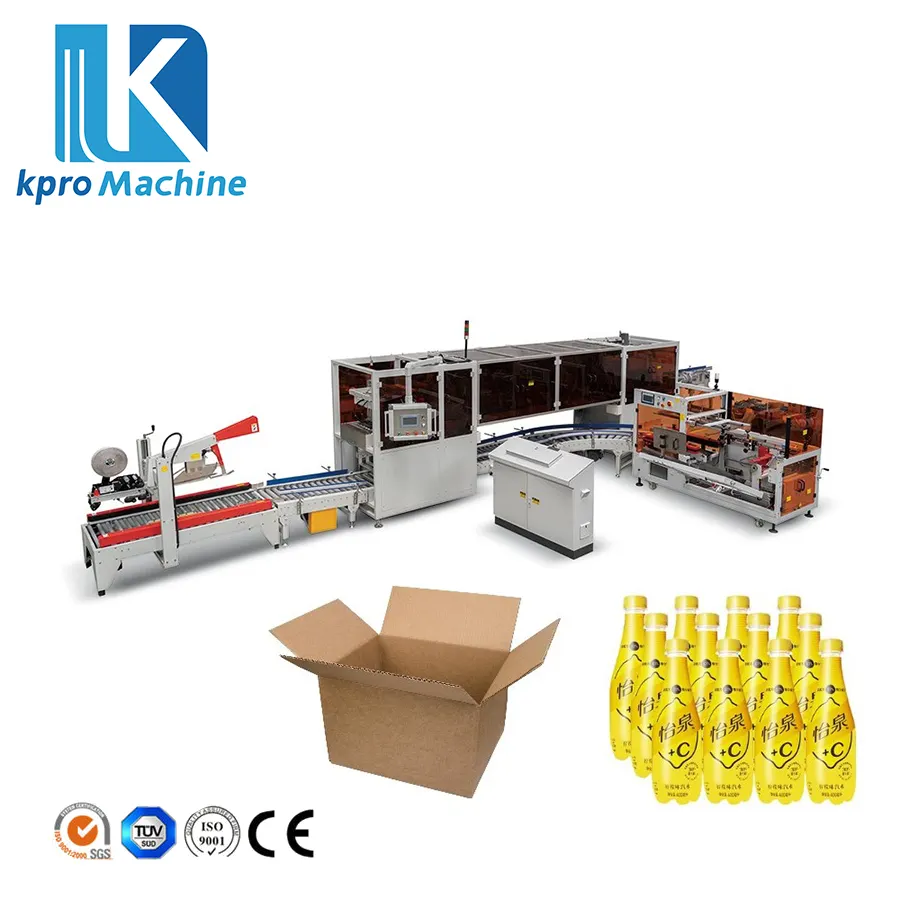
The process of evaluating and choosing a packaging machine extends beyond simply comparing price tags or brand names. A well-informed packaging machine selection process requires understanding your factory's production goals, product characteristics, available floor space, and long-term growth strategy. This guide walks you through the essential criteria for choosing a packaging machine that will serve your operations reliably for years to come.
Understanding Your Production Requirements
Defining Your Throughput Capacity Needs
The first step in selecting a packaging machine is determining how many units your factory needs to produce per hour or day. Production volume directly influences which packaging machine models will be suitable for your operation. If your factory currently produces 5,000 units daily but plans to expand to 15,000 units within two years, you need a packaging machine capable of handling that future volume. Undersizing your packaging machine will create bottlenecks and reduce overall production efficiency, while oversizing wastes capital investment on unnecessary packaging machine capacity. Most manufacturers provide detailed specifications about throughput rates, so compare these figures against your current demand and realistic growth projections.
Analyzing Your Product Specifications
Different products require different packaging machine configurations. A packaging machine designed for bottled water has different requirements than one handling viscous liquids, powders, or small solid items. Consider the container size, material type, seal requirements, and labeling needs when evaluating a packaging machine. For instance, a packaging machine optimized for bottles ranging from 250 milliliters to 2 liters will have different mechanics than one handling fixed-size containers. Understanding these product-specific demands ensures that your chosen packaging machine won't struggle with your particular application. The wrong packaging machine will produce inconsistent results, increase defect rates, and ultimately harm your production timeline and profit margins.
Evaluating Equipment Capabilities and Features
Assessing Packaging Machine Accuracy and Consistency
Accuracy is paramount when choosing a packaging machine, because even small deviations in fill volume or sealing quality can trigger regulatory violations or customer complaints. Modern packaging machine technology offers impressive precision through advanced sensors, automated calibration, and real-time quality monitoring. When evaluating a packaging machine, request demonstrations or video documentation showing fill accuracy under normal operating conditions. High-quality packaging machines maintain consistency across multiple production runs, which reduces waste and ensures compliance with industry standards. A reliable packaging machine protects your brand reputation by delivering uniform product quality that customers expect with every purchase.
Considering Material Compatibility and Flexibility
Your production environment may require processing multiple product types or container materials throughout the year. A versatile packaging machine that handles different container sizes and materials offers significant operational advantages. Before committing to a specific packaging machine model, verify that it accommodates your current products and potential future product lines. Some packaging machines feature quick-change components that make switching between products efficient, while others require lengthy reconfiguration or specialized tooling. The flexibility of your packaging machine directly impacts how quickly your factory can respond to market demands or customer requests for new product variations. Investing in a more adaptable packaging machine often pays dividends through operational agility.
Addressing Installation, Maintenance, and Support
Understanding Packaging Machine Installation and Space Requirements
Physical space constraints frequently determine which packaging machine models are actually feasible for your factory layout. Modern packaging machines vary significantly in footprint, height, and required clearance for maintenance access. Before finalizing your purchase, conduct a detailed site survey to ensure your chosen packaging machine fits within available production floor space without disrupting workflow patterns. Consider utility connections required by the packaging machine, including electrical power capacity, compressed air availability, and water or drainage systems. A packaging machine that cannot be properly installed or maintained becomes a costly liability. Work closely with equipment suppliers to verify that your facility can support the specific packaging machine model under consideration, including access routes for delivery and installation teams.
Planning for Ongoing Support and Spare Parts
After installation, your packaging machine will require regular maintenance, periodic repairs, and occasional spare parts replacement. Selecting a packaging machine from a manufacturer with strong local service networks ensures faster downtime resolution when problems arise. Investigate the availability of spare parts for your packaging machine model and typical lead times for ordering replacements. A responsive packaging machine supplier with regional service centers can dramatically reduce production losses during equipment failures. Ask potential vendors about warranty terms, preventive maintenance programs, and training support for your facility staff. The best packaging machine purchase includes not just the equipment itself, but also reliable long-term partnership with the supplier.
Making the Financial and Strategic Decision
Calculating Total Cost of Ownership for Your Packaging Machine
Purchase price represents only one component of your packaging machine investment decision. Total cost of ownership includes installation expenses, operator training, spare parts inventory, preventive maintenance, energy consumption, and potential productivity losses during the learning curve. When comparing packaging machine options, calculate the per-unit production cost including all these factors over a realistic operational lifespan, typically five to seven years. A packaging machine with a higher upfront price might deliver lower per-unit costs through superior efficiency and reliability. Financial analysis using multiple packaging machine scenarios helps justify the investment to stakeholders and ensures your factory makes economically sound decisions.
Aligning the Packaging Machine with Long-Term Growth
Your chosen packaging machine should support not just your current production needs but also your factory's strategic direction. Consider how anticipated changes in product mix, production volume, or market demands might affect your packaging machine requirements. A packaging machine that provides room for growth without requiring complete replacement offers better long-term value than equipment sized exactly to current capacity. Discuss your three-to-five-year business plan with equipment manufacturers to ensure your packaging machine selection aligns with your factory's trajectory. Making this choice thoughtfully prevents costly equipment upgrades and allows your factory to scale operations more smoothly.
FAQ
What is the typical lifespan of a packaging machine?
A well-maintained packaging machine typically operates reliably for five to seven years before major component replacements become necessary. However, the actual lifespan depends heavily on usage intensity, maintenance consistency, and product type. Some packaging machines with proper care and timely repairs can exceed a decade of productive service, while poorly maintained equipment may require replacement or major reconstruction within three years. Establishing a rigorous preventive maintenance schedule significantly extends your packaging machine's operational life and protects your investment.
How do I know if a packaging machine will work with my product?
The best way to verify compatibility is requesting trial runs with your actual product using the packaging machine you're considering. Most reputable manufacturers will allow sample testing or provide documented case studies showing their packaging machine's performance with similar products. Review the technical specifications carefully, including material compatibility, viscosity handling, temperature ranges, and container dimensions that the packaging machine can accommodate. Don't rely solely on marketing materials—insist on practical demonstrations with your product before making your final purchasing decision for the packaging machine.
What maintenance does a packaging machine require?
Regular maintenance for your packaging machine includes daily cleaning of contact surfaces, weekly lubrication of moving parts, monthly calibration checks, and quarterly inspections of seals and sensors. The specific maintenance schedule for your packaging machine depends on the manufacturer's recommendations and your production volume. Keeping detailed maintenance logs helps identify patterns and prevents unexpected failures of your packaging machine. Neglecting routine maintenance quickly degrades packaging machine performance and creates costly production disruptions, so treating maintenance as a non-negotiable operational priority protects your factory's efficiency.