 EN


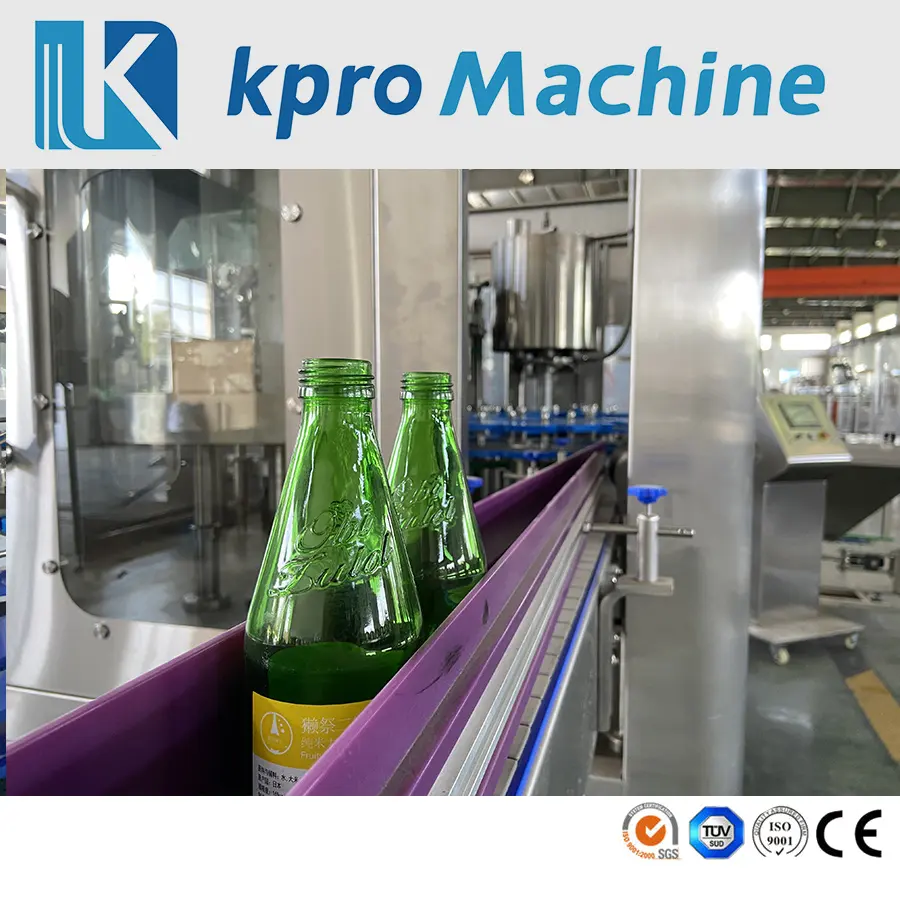
The beverage production industry has undergone significant transformation in recent decades, with automation playing a central role in this evolution. An automatic juice machine represents one of the most impactful investments a beverage manufacturer can make to streamline operations and enhance product quality. Whether you operate a small juice bar or a large-scale bottling facility, understanding the core advantages of an automatic juice machine will help you make informed decisions about your production infrastructure. This guide explores the top ten benefits that make the juice machine an essential piece of equipment in modern beverage manufacturing.
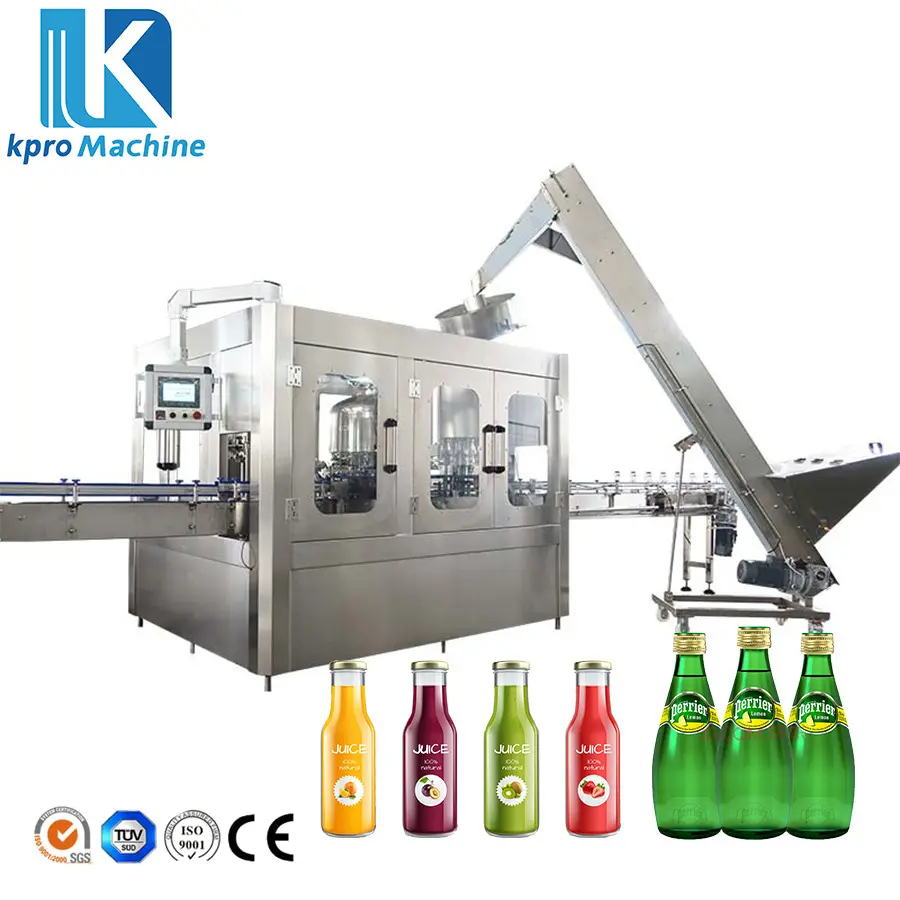
Modern beverage producers face mounting pressure to increase output while maintaining strict quality standards and controlling operational costs. The juice machine addresses these challenges directly by automating the most labor-intensive and error-prone aspects of juice filling, capping, and packaging. By investing in the right juice machine technology, manufacturers can dramatically improve their competitive position, reduce waste, and scale production without proportionally increasing headcount or facility space.
Increased Production Speed and Throughput
Maximizing Daily Output with Juice Machine Automation
One of the most compelling benefits of using an automatic juice machine is the dramatic increase in production speed. A modern juice machine can fill, cap, and label hundreds to thousands of bottles per hour, depending on the model and configuration. This throughput advantage means that manufacturers can meet growing market demand without expanding their facility footprint or operating additional shifts. For businesses looking to scale revenue quickly, investing in a high-capacity juice machine is far more cost-effective than hiring and training additional production staff.
Consistency Across Production Runs
Beyond raw speed, an automatic juice machine delivers unmatched consistency in fill levels, cap pressure, and overall product presentation. Every bottle filled by the juice machine contains virtually identical volumes, ensuring regulatory compliance and customer satisfaction. Manual filling introduces human error, leading to underfilled or overfilled containers that waste product and create liability. The precision of a juice machine eliminates this variability, making your product more reliable and your operations more predictable.
Enhanced Product Quality and Safety
Minimizing Contamination and Waste
A high-quality juice machine significantly reduces contamination risk and product spoilage compared to manual filling methods. Automated systems maintain strict environmental controls, prevent exposure to airborne pathogens, and ensure that product contact surfaces remain sanitized throughout the filling cycle. The juice machine design also incorporates advanced sealing technology that protects juice from oxidation and extends shelf life. For manufacturers handling premium or organic juice products, this level of protection directly translates to higher customer retention and reduced waste costs.
Regulatory Compliance and Food Safety
Operating an automatic juice machine helps beverage manufacturers meet increasingly stringent food safety regulations and industry standards. Modern juice machine systems are designed and built to comply with FDA, HACCP, and ISO requirements, reducing your compliance burden and audit risk. The juice machine also maintains detailed production logs and batch tracking data that simplify recall management if issues arise. For businesses operating in multiple jurisdictions or exporting products internationally, the regulatory reliability of an automatic juice machine is invaluable.
Reduced Labor Costs and Improved Operator Safety
Eliminating Repetitive Manual Work
The investment in an automatic juice machine directly reduces reliance on manual labor for the most physically demanding production tasks. Rather than hiring and managing large teams to hand-fill, cap, and label bottles, a juice machine requires only a small number of operators to monitor equipment, perform maintenance, and manage materials flow. This reduction in headcount lowers your overall payroll expenses and reduces the associated costs of benefits, training, and employee turnover. Over the life of a juice machine, the labor savings alone typically justify the capital investment.
Workplace Injury Prevention
Repetitive motion injuries, strain-related conditions, and lifting accidents are common in manual juice bottling operations. By deploying an automatic juice machine, you transfer these physically demanding tasks to machinery, creating a safer work environment for your team. Operators working with a juice machine focus on supervision, quality checks, and equipment maintenance rather than performing thousands of repetitive motions daily. This shift improves employee morale, reduces workers' compensation claims, and enhances your workplace safety record.
Scalability and Operational Flexibility
Adapting Your Juice Machine to Market Demand
An automatic juice machine provides the operational flexibility that growing beverage businesses need. If your market demand increases seasonally or your product line expands, a properly selected juice machine can accommodate higher volumes without requiring complete replacement. Many juice machine systems allow you to adjust filling speeds, switch between container sizes, and adapt to different product viscosities and formulations. This versatility ensures your capital investment remains productive across multiple product scenarios and market conditions.
Multi-Product Capability
Modern automatic juice machine technology often supports not only juice products but also smoothies, nectars, plant-based beverages, and other liquid products with similar handling characteristics. This multi-product capability means a single juice machine investment can serve several revenue streams and product categories. Manufacturers can respond quickly to emerging market trends or customer requests by using their existing juice machine infrastructure, reducing the need for specialized equipment purchases and facility redesign.
FAQ
What production volume justifies investing in an automatic juice machine?
The break-even point typically occurs at approximately 500 to 1,000 bottles per day, depending on your labor costs, facility location, and the specific juice machine model. For businesses producing less than this volume, manual or semi-automatic filling may remain cost-effective. However, once you exceed this threshold, the return on investment for an automatic juice machine becomes compelling within 18 to 36 months. Consider your projected growth trajectory when evaluating whether a juice machine makes financial sense for your operation.
Can a juice machine handle different juice viscosities and formulations?
Most modern automatic juice machines are engineered to handle a range of viscosities, from thin juices to thick nectars and blended beverages. However, the specific capabilities depend on the juice machine design and configuration. Before purchasing, confirm that your selected juice machine model supports your current product lineup and any formulations you plan to introduce. Some juice machine systems include adjustable nozzles, temperature controls, and flow-rate settings that allow you to accommodate product variations without equipment changes.
What maintenance requirements should I expect from an automatic juice machine?
A well-maintained juice machine requires daily cleaning, weekly inspections, and periodic preventative maintenance performed by trained technicians. The juice machine manufacturer provides detailed maintenance schedules and may offer service contracts that include regular inspections and parts replacement. Proactive maintenance extends the life of your juice machine, prevents unexpected downtime, and ensures consistent performance. Budget approximately 2 to 5 percent of your juice machine purchase price annually for maintenance, repairs, and spare parts to keep the system operating at peak efficiency.