 EN


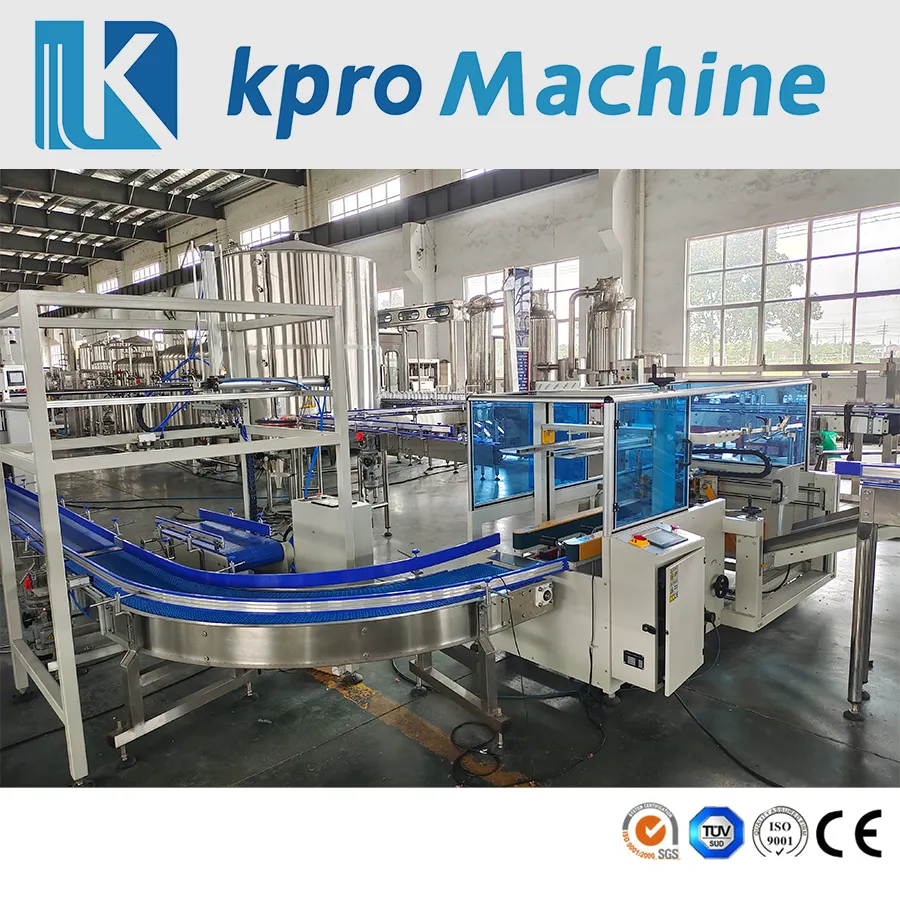
The modern beverage and water production industry faces constant pressure to increase output while maintaining quality and controlling costs. A packaging machine has become the cornerstone of efficient production facilities worldwide. Whether you operate a small bottled water facility or a large-scale beverage manufacturing plant, investing in an automatic packaging machine delivers measurable returns through improved operational performance. This article explores the ten most significant benefits that automatic packaging machines bring to manufacturing operations, helping you understand why this technology has become essential for competitive producers.
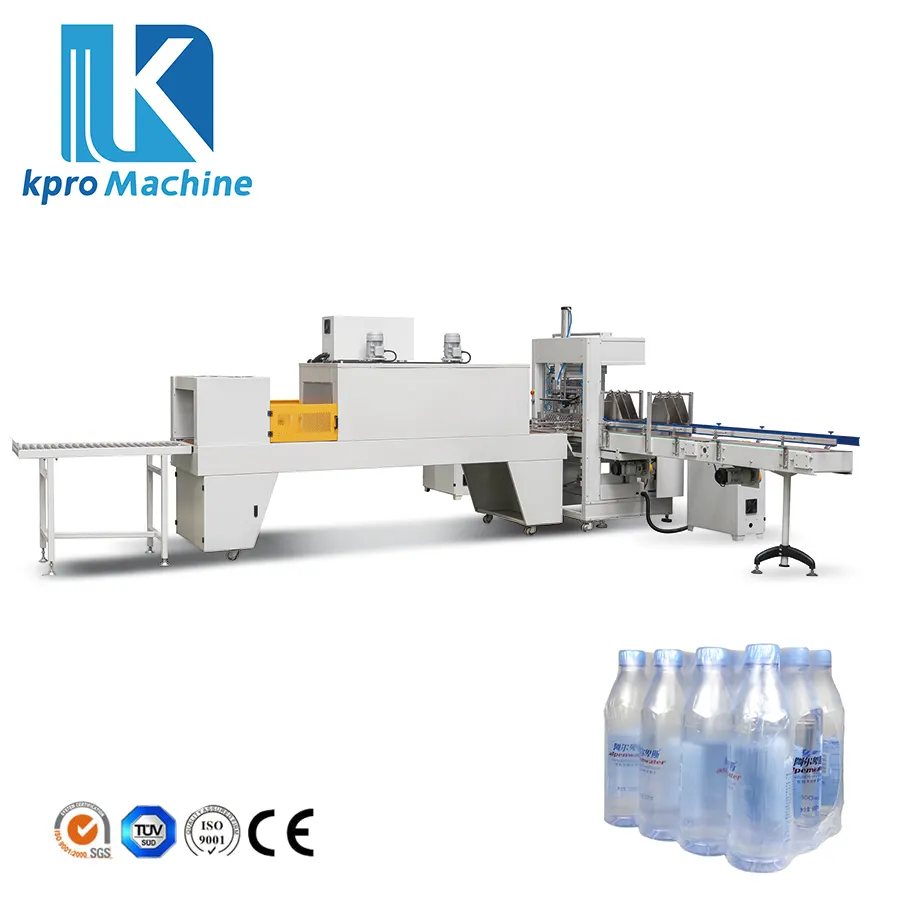
An automatic packaging machine revolutionizes how production teams handle filling, capping, and labeling operations. By automating these critical functions, manufacturers unlock productivity gains that manual processes simply cannot match. The integration of advanced technology into your production line creates a competitive advantage that extends far beyond simple output numbers, touching every aspect of operational efficiency and product quality.
Increased Production Capacity and Speed
Dramatic Output Enhancement
A modern packaging machine processes thousands of containers per hour, transforming production capacity in ways that manual operations cannot achieve. Traditional hand-filling methods typically produce 50 to 100 containers hourly, while an automated packaging machine handles 8,000 to 10,000 bottles per hour or more. This exponential increase in production speed means your facility can serve larger customer bases, fulfill larger orders, and capture market opportunities that would otherwise remain out of reach. The packaging machine technology operates continuously throughout shifts, eliminating fatigue-related slowdowns that plague human operators.
Meeting Growing Demand
Market demand for bottled water and packaged beverages continues expanding globally, particularly in developing regions. A reliable packaging machine enables your business to scale production without proportionally increasing labor costs or facility footprint. This scalability becomes crucial during seasonal demand spikes or when launching new product lines. Rather than turning away customers due to capacity constraints, your packaging machine adapts to handle fluctuating volumes efficiently, keeping your production line responsive to market needs.
Superior Product Quality and Consistency
Precision Filling and Accurate Dosing
Human operators inevitably introduce variation into filling operations—some bottles receive slightly more product, others slightly less. A packaging machine maintains exact fill volumes within millimeters of specification, ensuring every container meets precise standards. This consistency eliminates customer complaints about underfilled bottles and prevents product waste from overfilling. Precision filling also satisfies regulatory requirements for weight and volume accuracy, protecting your facility from compliance violations. When customers receive uniformly filled products, their confidence in your brand strengthens significantly, creating loyalty that extends beyond individual purchases.
Reduced Product Defects and Waste
Automatic packaging machine systems incorporate quality control mechanisms that detect and reject defective containers before they reach customers. Vision systems identify cracked bottles, misaligned labels, and improper caps with accuracy that human inspection cannot match. By preventing defective products from entering the supply chain, your packaging machine protects your brand reputation and eliminates costly product recalls. The reduction in waste translates directly to improved profitability, as every container successfully packaged represents value captured rather than cost absorbed.
Significant Cost Reduction and Economic Benefits
Labor Expense Optimization
Operating an automatic packaging machine requires fewer employees than managing manual production lines, creating substantial long-term labor savings. While initial packaging machine investment requires capital expenditure, the operational cost reduction accumulates over years, delivering impressive return on investment. A single packaging machine operator can monitor multiple production units simultaneously, compared to one manual operator managing one filling station. These labor efficiencies compound across shifts and production seasons, generating savings that reinvest into facility upgrades or business expansion initiatives.
Extended Equipment Lifespan and Reliability
Modern packaging machine technology emphasizes durability and low-maintenance design, extending productive equipment life beyond fifteen years in many installations. Stainless steel construction resists corrosion from water and beverage products, while advanced sealing systems minimize wear on critical components. Compared to continuous equipment breakdowns in older manual systems, a reliable packaging machine maintains consistent uptime that protects production schedules. Scheduled maintenance programs keep your packaging machine performing optimally, preventing emergency repairs that disrupt operations and inflate costs unexpectedly.
Enhanced Safety and Compliance Standards
Worker Safety Improvements
Manual packaging operations expose workers to repetitive strain injuries, chemical exposure, and equipment hazards daily. An automatic packaging machine removes employees from dangerous tasks, significantly reducing workplace injuries and associated costs. When workers operate machinery rather than performing repetitive manual labor, their physical safety improves dramatically. This safety enhancement extends beyond injury prevention—reduced worker discomfort and fatigue create better workplace morale and lower turnover rates. A packaging machine that prioritizes safety also demonstrates corporate responsibility, strengthening employee retention and recruitment efforts in competitive labor markets.
Regulatory Compliance and Food Safety
Food and beverage packaging faces stringent regulatory requirements for sanitation, traceability, and contamination prevention. A professional packaging machine incorporates design features that simplify cleaning and sterilization procedures, exceeding health department standards. The automated operation of your packaging machine creates documented production records that satisfy regulatory audit requirements. By maintaining transparent traceability from raw materials through final packaging, your facility demonstrates commitment to product safety that resonates with health-conscious consumers and regulatory bodies alike.
FAQ
How much does a packaging machine investment cost, and what return should I expect?
The initial packaging machine investment typically ranges from $50,000 to $500,000 depending on capacity and technology level. Most facilities recover this investment within 2 to 5 years through labor savings, waste reduction, and increased production revenue. A packaging machine operating at full capacity for three shifts daily generates returns that compound significantly, making the investment financially sound for virtually any commercial beverage operation. Calculating your specific return requires analyzing your current labor costs, production volume, and revenue per unit.
Can a packaging machine handle different bottle sizes and product types?
Modern packaging machine designs offer remarkable flexibility, with quick-change components that adapt to different bottle dimensions and product characteristics. Many systems accommodate bottle volumes ranging from small 200ml containers to large 2-liter formats. A versatile packaging machine allows you to diversify your product portfolio without purchasing separate equipment, maximizing equipment utilization and reducing capital requirements. Changeover procedures typically require 15 to 30 minutes, enabling responsive production scheduling that serves multiple customer orders efficiently.
What maintenance schedule does a packaging machine require?
A packaging machine requires routine daily cleaning and weekly maintenance checks to ensure optimal performance. Daily procedures involve sanitizing contact surfaces and inspecting seals for wear, while weekly maintenance addresses lubrication and mechanical calibration. Most manufacturers recommend comprehensive servicing every 6 to 12 months, including component replacement and system recalibration. Preventive maintenance programs for your packaging machine typically cost 2 to 5 percent of equipment value annually, a modest investment that prevents expensive emergency repairs and production downtime.