 EN
EN


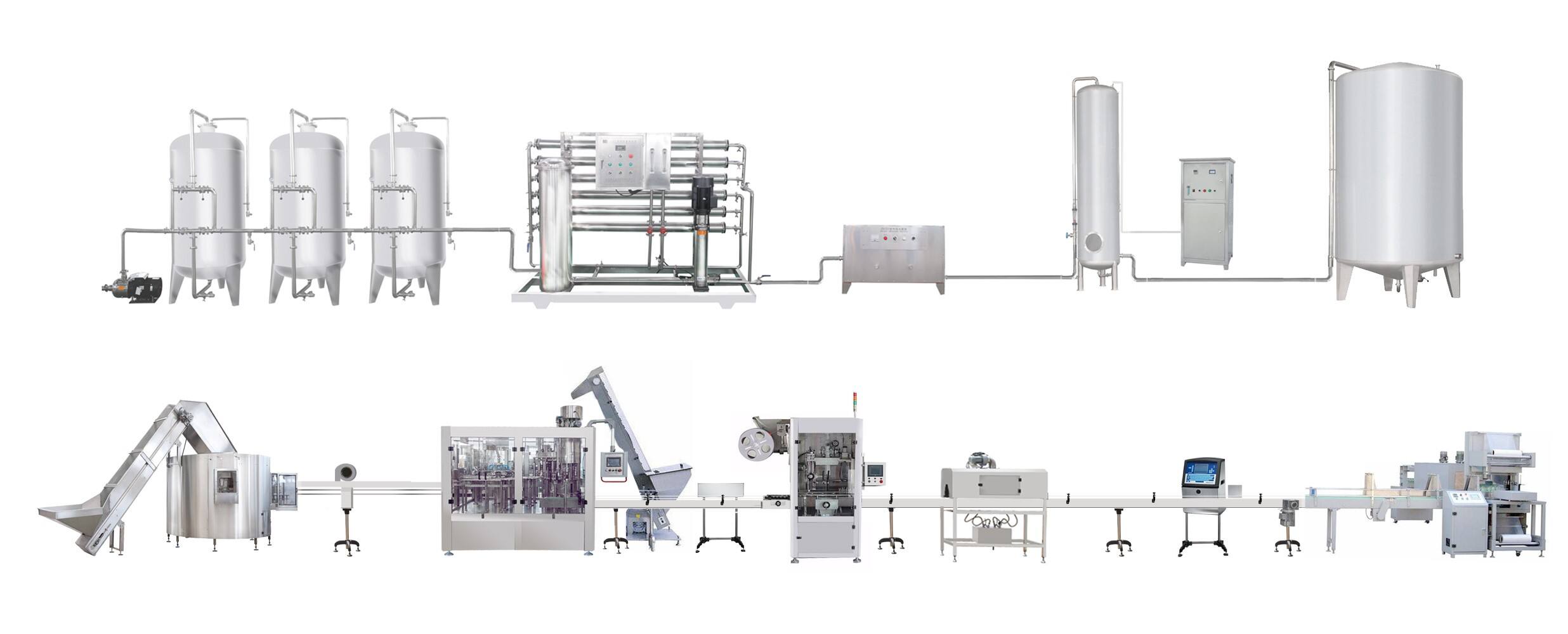
Label Adhesion Failures: Diagnosing and Resolving Root Causes on the Labeling Machine
Surface contamination, adhesive-substrate mismatch, and environmental stressors (humidity/temperature) affecting labeling machine output
Labels that keep coming off usually have one of three main problems getting in the way. First, there might be stuff on the surface that stops the glue from sticking properly. Second, sometimes the kind of adhesive just doesn't work well with what it's being applied to. And third, environmental factors out of control can really mess things up. When the air gets too dry, under about 40% humidity, acrylic glues tend to harden too fast before they should. On the flip side, when temps climb past 85 degrees Fahrenheit, those rubber based adhesives start breaking down. The worst offender though? Silicone residue. Just a tiny bit, like 0.2 milligrams per square centimeter, and peel strength drops nearly two thirds according to standard test methods (ASTM D3330). That's why cleaning surfaces thoroughly matters so much in proper label application.
| Factor | Failure Threshold | Mitigation |
|---|---|---|
| Humidity | <40% RH or >70% RH | Climate-controlled staging areas |
| Temperature | <50°F (10°C) or >85°F (29°C) | Preheat substrates in cold environments |
| Surface Contaminants | 0.1 mg/cm² residue | ISO 8501-1 cleaning validation |
How to validate adhesive performance with real-world labeling machine trials—not just lab specs
Standard lab peel tests just don't cut it when it comes to mimicking what happens on the production floor. If we want to find out where things might go wrong in real world settings, we need to test under actual manufacturing conditions. That means running labels at maximum speed during production runs and creating those extreme humidity situations we see in different seasons. Take readings right after applying the labels too look at how well they stick initially, then check again after both day and three day curing periods. When dealing with pharmaceutical products specifically, following ICH Q1A standards for accelerated aging tests becomes critical. These tests show if adhesives start migrating or blooming due to temperature changes long before anyone ever sees the product on store shelves.
Print Quality Defects: Identifying Hardware, Consumable, and Configuration Issues in the Labeling Machine Workflow
Printhead wear, ink drying, and calibration drift—symptoms and quick diagnostics for labeling machine operators
Faded prints, streaks, or missing barcode lines typically indicate printhead degradation, ink drying, or calibration drift. Worn thermal printheads produce uneven impressions; solvent-based inks are especially prone to intermittent skipping in low-humidity environments. Calibration drift appears as blurred edges or registration errors. Operators should:
- Run standardized test patterns after every 50,000 labels
- Inspect printheads for debris using 10× magnification tools
- Verify ribbon tension aligns with material specifications
- Cross-check temperature settings against substrate requirements
Recalibrate weekly using manufacturer-provided procedures. Thermal printheads generally reach end-of-life after ~1.2 million inches of printing. Document recurring symptom patterns—e.g., consistent vertical streaking—to predict component failure before critical defects occur.
Meeting FDA/ISO legibility standards: barcode resolution, contrast ratios, and font sizing in automated labeling machine environments
Regulatory compliance in pharmaceutical and food labeling demands precise, verifiable print quality. Barcodes must meet minimum 20-mil resolution for reliable scanning—essential for UDI traceability. Achieve and maintain ≥60% contrast between bars and spaces by:
- Testing label materials under actual production lighting
- Validating contrast regularly with a calibrated spectrophotometer
- Dynamically adjusting ink viscosity based on ambient conditions
Human-readable text must exceed 4-point font size per FDA 21 CFR Part 11. Automated vision systems must verify:
- Symbol contrast grades (A or B per ISO 15415)
- Quiet zone dimensions
- Print growth tolerance (±10% maximum)
Conduct hourly sampling during variable-data jobs. Environmental shifts exceeding ±5°C or ±15% RH require immediate recalibration.
Data Integrity & Compliance Gaps: Preventing Errors Originating from Labeling Machine Integration Points
Misaligned barcodes, missing UDI/lot/expiry codes, and database sync failures between ERP/MES and labeling machine software
When ERP and MES systems don't talk properly to labeling machines, companies face big compliance problems. Think about misaligned barcodes, missing UDI information, or wrong lot numbers and expiration dates getting printed on products. Manual data entry is another headache altogether. One tiny typo in a batch number could lead to FDA trouble and expensive product recalls down the line. Good labeling systems fix all this by checking ERP and MES data against each other in real time. They catch mismatches automatically before anything gets printed out. For instance, if there's a difference between what's scheduled for expiry and what actually lasts on shelves, the system will flag that issue right away. Environmental sensors make things even better because they adjust settings dynamically whenever conditions change. If humidity spikes or temperatures drop suddenly, the equipment knows to tweak parameters so barcodes stay aligned and adhesives work correctly. Looking at regular audit reports helps spot patterns too, like those annoying delayed MES updates that keep happening month after month. Fixing these issues ahead of time saves money and headaches. According to industry stats, implementing these kinds of controls cuts down human mistakes by around 72%. Plus, GS1 barcodes end up positioned accurately within just 0.3mm either way, which meets most regulatory requirements pretty well.
Key safeguards include:
- Automated validation for mandatory UDI fields during label design
- Real-time ERP-MES data reconciliation cycles
- Environmental compensation for adhesive performance and print registration
- Printhead calibration synchronized with barcode verification scans
Without them, supply chain disruptions from incorrect labels cost manufacturers an average of $740,000 per incident (Ponemon Institute, 2023).
Mechanical Application Faults: Optimizing Labeling Machine Tension, Unwind Direction, and Feed Mechanics
Wrinkling, tearing, and misapplication—linking root causes to labeling machine tension settings, roll geometry, and sensor alignment
Wrinkles, tears, and misapplied labels point to mechanical faults in the labeling machine‘s feed path. These defects consistently trace back to three core areas:
- Tension imbalances: Excessive tension causes label tearing; insufficient tension leads to wrinkles and poor lay-flat. Leading OEMs recommend closed-loop automatic tension control across all zones.
- Roll geometry mismatches: Oversized rolls overload drive motors and destabilize web tension; undersized rolls increase changeover frequency and downtime. Optimal roll diameter maximizes uptime and consistency.
- Sensor misalignment: Uncalibrated photoelectric or ultrasonic sensors misread product position, resulting in premature or delayed label application.
Incorrect unwind direction forces torsional stress on the web, inducing twists that manifest as wrinkles and edge lift. Prioritize systematic web path validation during preventive maintenance. Tension rollers, guide sensors, and peel-off plate synchronization with conveyor speed all require routine inspection to ensure smooth, bubble-free label application.
FAQ
What are the main causes of label adhesion failures?
Label adhesion failures are mainly caused by surface contamination, adhesive-substrate mismatch, and environmental stressors such as humidity and temperature variations.
How can I validate adhesive performance for labeling machines?
Adhesive performance can be validated by conducting real-world trials under actual manufacturing conditions to simulate extreme environments and check label adhesion over different curing periods.
What are common print quality defects in labeling machines?
Common print quality defects include faded prints, streaks, missing barcode lines, and blurred edges, often due to printhead wear, ink drying, and calibration drift.
What are the compliance gaps related to data integrity in labeling machines?
Compliance gaps often arise from misaligned barcodes, missing UDI/lot/expiry codes, and database synchronization failures between ERP/MES and labeling machine software.
How do mechanical application faults affect labeling machines?
Mechanical application faults like wrinkling, tearing, and misapplication are usually linked to tension imbalances, roll geometry mismatches, and sensor misalignment.
Table of Contents
- Label Adhesion Failures: Diagnosing and Resolving Root Causes on the Labeling Machine
- Print Quality Defects: Identifying Hardware, Consumable, and Configuration Issues in the Labeling Machine Workflow
- Data Integrity & Compliance Gaps: Preventing Errors Originating from Labeling Machine Integration Points
- Mechanical Application Faults: Optimizing Labeling Machine Tension, Unwind Direction, and Feed Mechanics
-
FAQ
- What are the main causes of label adhesion failures?
- How can I validate adhesive performance for labeling machines?
- What are common print quality defects in labeling machines?
- What are the compliance gaps related to data integrity in labeling machines?
- How do mechanical application faults affect labeling machines?