 EN
EN
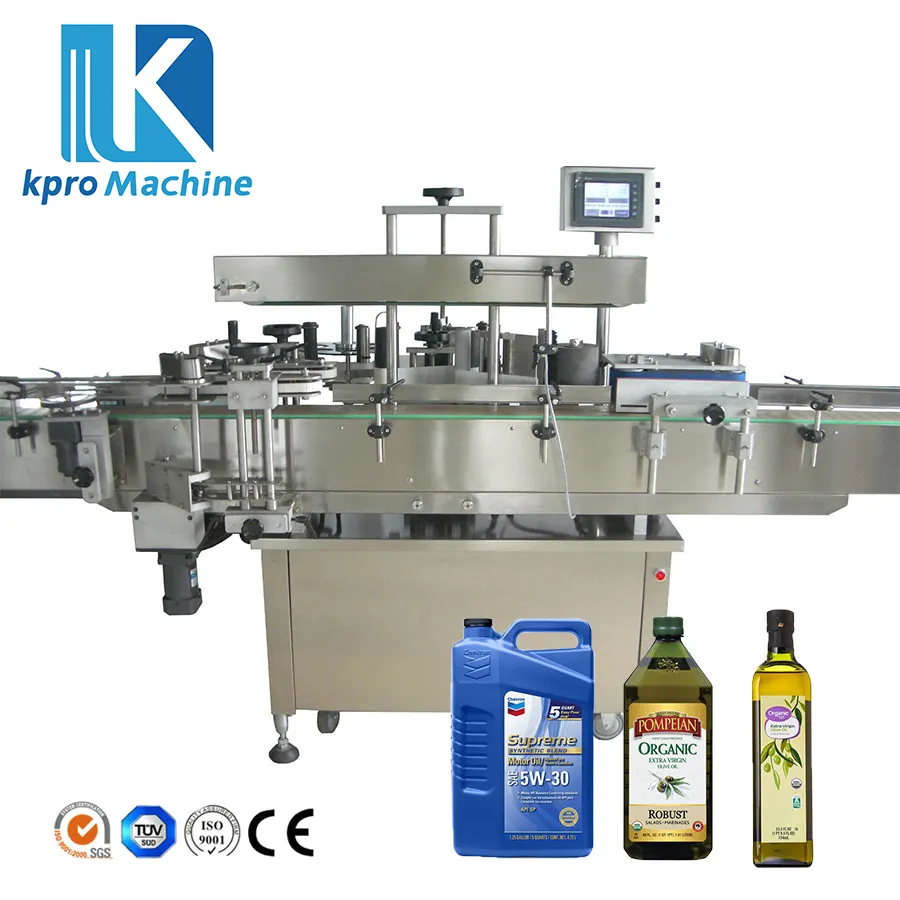
Bottle Labeling Machine Automation: Boosting Packaging Efficiency
Labor Cost Reduction and Cycle Time Optimization
Bottle labeling machines that are automated take care of all that boring repetitive work most people hate doing, freeing up workers for things that actually matter like checking quality control and managing operations better. These systems fit right into existing production lines without much hassle, cutting down on how long each batch takes by around two thirds. That means factories can run non stop day after day and get products out the door way faster than before. According to various studies across different sectors, when companies properly implement this kind of automation, they tend to need about thirty percent fewer workers per hour. The savings in payroll costs alone make it worth considering, especially since manufacturers in beverage, cosmetic, and pharmaceutical industries can crank out more product without hiring extra hands. Of course there's always some adjustment period involved, but once everything clicks into place, meeting sudden spikes in customer orders becomes manageable rather than impossible, which ultimately helps bottom line numbers look a lot healthier too.
Precision Label Placement and Defect Rate Minimization
Modern labeling equipment can place labels with incredible precision at the micron level, which cuts down on problems like misalignment, bubbles, and skewed labels by around 95% when compared to doing it manually. When these systems are properly set up, they typically have rejection rates under 1%, which means much less wasted materials and fewer production holdups. Getting good adhesion on all sorts of bottle shapes works because these machines adjust pressure as needed and use cameras to check in real time what's happening. The consistent results look better on products and help meet those tough regulatory requirements from places like the FDA, EU Annex 13, and various GMP standards for labeling. This makes sure everything stays within quality control parameters all the way through the packaging process.
Data-Driven Performance Gains from Modern Bottle Labeling Machines
Real-World Throughput Improvement: Beverage Industry Case Study
When beverage companies install modern automated labeling systems, they typically see their production output jump somewhere between 30 to 40 percent. These high speed servo driven machines can handle over 300 bottles each minute without any drop in accuracy whatsoever. Take for example one big name juice company that slashed their format changeover time down by about 70% thanks to those automatic tooling adjustments. Meanwhile across town at a large brewery operation, even a modest 2% reduction in unexpected downtime translated into saving around seven hundred forty thousand dollars every year according to research from Ponemon Institute back in 2023. The real game changer though is this constant monitoring system that spots problems on the production line way before they become serious issues. Operators get alerts so they can fix things quickly before small inconsistencies turn into major losses in product yield. This kind of approach shifts maintenance from something people do when stuff breaks to actually preventing breakdowns altogether.
Key Metrics Correlating with Packaging Efficiency: Speed, Uptime, and Rejection Rate
Automated optical inspection reduces mislabeled units by 90% versus manual checks. Predictive maintenance—powered by embedded sensors and OEM analytics platforms—sustains uptime above 98%. Meanwhile, servo-controlled applicators maintain ¥99.5% placement accuracy across shifts, proving that precision, speed, and reliability are no longer trade-offs—but engineered outcomes.
Bottle Labeling Machine Capabilities Elevating Brand Presentation
Premium Finishes and Variable Data Printing as Brand Trust Signals
Today's labeling equipment offers all sorts of fancy finishes like glossy, matte, soft touch, embossed textures and even metallic looks that really stand out on store shelves and tell customers this product is something special. Some studies indicate that when products have distinct textures and visuals, shoppers are about 28% more likely to pick them up in busy stores where everything looks similar. The Variable Data Printing technology built into these machines lets manufacturers print unique serial numbers, generate QR codes, add messages specific to each production batch, or create limited edition personalized labels while keeping production lines running at full speed. This ability to customize on the fly helps fight fake products and makes marketing campaigns much more responsive to what people actually want. According to recent research from McKinsey (Consumer Packaging Survey 2023), around three quarters of consumers consider authenticity and being able to track where their products came from as key factors in building brand trust.
Balancing Sustainable Materials with Visual Impact and Adhesion Performance
Modern labeling equipment handles all sorts of green materials these days without messing up the print quality or how well they stick. We're talking about stuff like recycled PET films, those FSC certified paper labels, and even biodegradable PLA composites. The machines have gotten really good at controlling tension too, keeping placement within about half a millimeter even on super thin materials that don't hold up well. And there are special adhesives designed for cold storage that stop edges from peeling off during transport. What matters most is getting the right amount of ink down and using UV curing properly so colors stay bright and opaque. When companies get this right, their sustainability efforts actually boost brand recognition instead of making logos look washed out. Market research shows brands that nail this combination see around 19 percent better customer loyalty according to recent packaging surveys.
Substrate-Specific Adaptability Across Beverage Packaging Formats
Modern bottle labeling machines must reliably handle the full spectrum of beverage containers: glass, aluminum, PET, HDPE, and emerging bioplastics like PLA. Each substrate presents distinct engineering challenges:
- Surface energy differences, especially on low-energy plastics, require adhesive formulations calibrated to specific dyne levels
- Variable curvature demands dynamic applicator pressure and wrap-angle adjustment to prevent puckering or bridging
- Thermal sensitivity of biodegradable materials necessitates temperature-regulated rollers and low-heat drying zones
Top performing systems tackle these challenges using modular designs. Think swappable applicator heads, those fancy vision guided servos for alignment, plus closed loop tension control systems. The real benefit here is cutting down on wasted labels. We're talking about losses that sometimes hit 15 to 20 percent when things don't match up with what the material needs according to last year's Packaging Efficiency Report. As green packaging continues its upward trend expected to hit around 12% growth annually until 2030, companies need labeling solutions that keep pace without sacrificing precision or reliability. These days, good performance across new materials isn't just nice to have anymore. It's basically table stakes if businesses want to stay ahead of the curve in this increasingly competitive market landscape.
FAQ
What is the impact of automation on labor cost and cycle time in bottle labeling?
Automation reduces labor costs by minimizing repetitive tasks, freeing workers for more value-added activities, and cutting cycle time by about two-thirds, which enables factories to operate much more efficiently.
How do modern labeling systems achieve precision in label placement?
These systems use advanced cameras and pressure adjustments to place labels accurately, reducing misalignment and other defects by up to 95% compared to manual processes.
What improvements have beverage companies seen with automated labeling machines?
Production output can increase by 30 to 40 percent, with more efficient servo-driven machines and reduced downtime, leading to significant cost savings.
How do bottle labeling machines contribute to brand presentation?
They offer premium label finishes and Variable Data Printing technology, which enhance product visibility and authenticity, building brand trust among consumers.
Can modern labeling machines handle sustainable materials effectively?
Yes, they manage green materials like recycled PET, FSC-certified paper, and biodegradable PLA well, maintaining print quality, adhesion performance, and achieving sustainability goals without compromising brand recognition.
Table of Contents
- Bottle Labeling Machine Automation: Boosting Packaging Efficiency
- Data-Driven Performance Gains from Modern Bottle Labeling Machines
- Bottle Labeling Machine Capabilities Elevating Brand Presentation
- Substrate-Specific Adaptability Across Beverage Packaging Formats
-
FAQ
- What is the impact of automation on labor cost and cycle time in bottle labeling?
- How do modern labeling systems achieve precision in label placement?
- What improvements have beverage companies seen with automated labeling machines?
- How do bottle labeling machines contribute to brand presentation?
- Can modern labeling machines handle sustainable materials effectively?