 EN


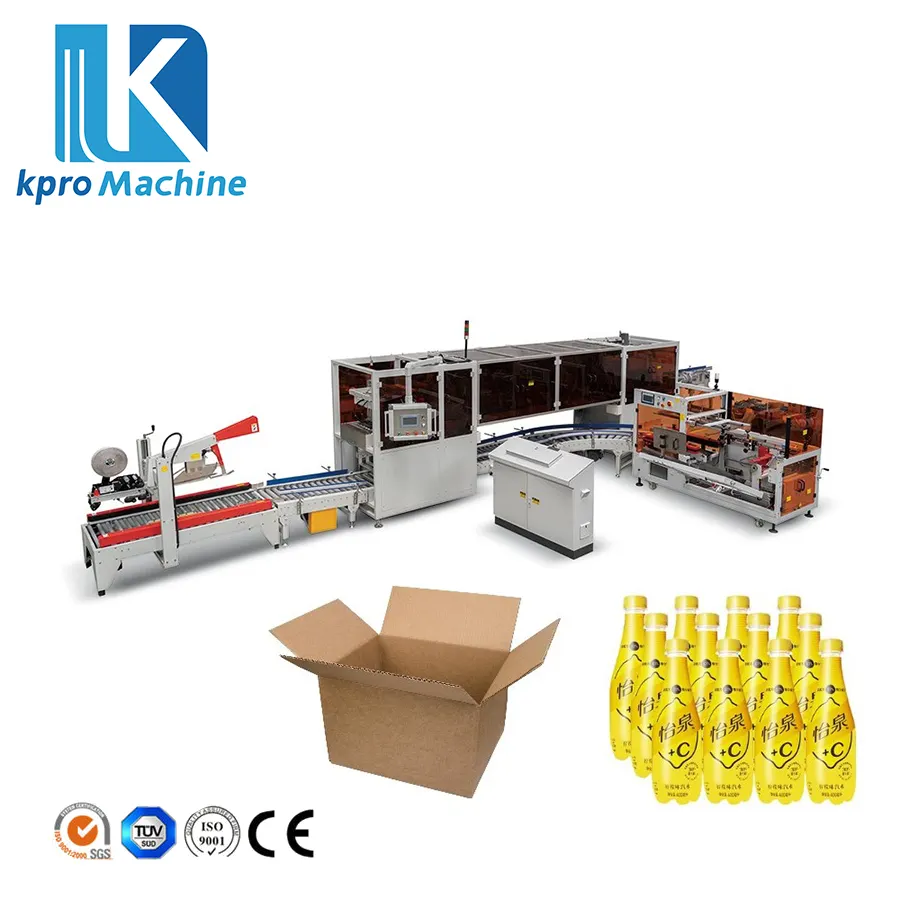
Water bottling operations depend heavily on reliable equipment performance, and the packaging machine sits at the heart of your production line. When a packaging machine malfunctions, production halts, costs mount, and customer deadlines slip away. Understanding common packaging machine problems and their solutions transforms reactive crisis management into proactive equipment stewardship. This guide walks you through the most frequent packaging machine issues encountered in water bottling facilities, providing actionable troubleshooting steps that your maintenance team can implement immediately. Whether you operate a small-scale bottling operation or a high-volume production facility, mastering packaging machine diagnostics will extend equipment lifespan, reduce unplanned downtime, and protect your bottom line.
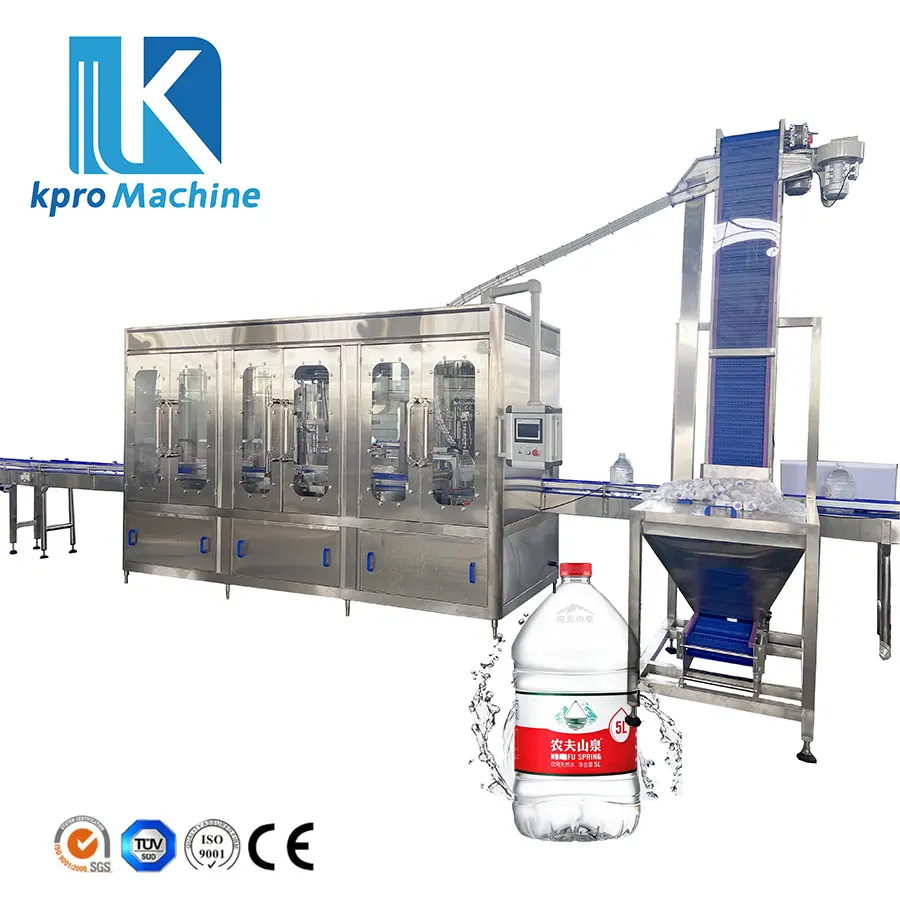
A packaging machine represents significant capital investment for any water bottling enterprise, making equipment reliability non-negotiable. Production managers face mounting pressure to maintain output while controlling maintenance costs, and this pressure often leads to reactive rather than preventive approaches. The most successful bottling operations treat their packaging machine as a critical asset requiring systematic care and rapid problem diagnosis. When issues emerge, knowing how to identify root causes quickly separates efficient operators from those who experience catastrophic failures and extended production losses.
Seal and Capping Failures in Your Packaging Machine
Identifying Seal Integrity Problems
Seal failures represent one of the most costly packaging machine problems because they often go undetected until product reaches customers or storage facilities. A packaging machine seal failure allows water to leak from bottles during transport or storage, creating inventory losses and damaging brand reputation. The most common cause involves worn sealing components that have exceeded their operational lifespan. Check your packaging machine's seal temperature settings first—many operators run seals too hot or too cold, and temperature calibration often resolves 40% of seal-related issues. Inspect the sealing surfaces for debris, mineral deposits, or damage that could prevent the packaging machine from creating an airtight closure.
Fixing Capping Mechanism Issues
Capping problems emerge when your packaging machine's gripper fingers lose tension or alignment, causing crooked or loose caps that fail quality control checks. A packaging machine capping malfunction typically results from three root causes: gripper wear, cam misalignment, or inadequate torque settings. Run your packaging machine at slow speed and visually inspect how the gripper fingers engage bottle necks—inconsistent contact signals alignment problems. The packaging machine torque setting should match your bottle and cap specifications exactly; running insufficient torque produces loose caps, while excessive torque damages threads. Replace gripper fingers when wear becomes visible, as your packaging machine cannot maintain consistent capping quality with degraded components.
Filling Accuracy and Overflow Prevention
Resolving Underfill and Overfill Conditions
Filling accuracy directly impacts your packaging machine's compliance with regulatory standards and customer satisfaction. An underfilled bottle reduces product volume below specification, while an overfilled bottle creates spills and contamination inside your packaging machine. The root cause usually traces to sensor miscalibration or debris blocking your packaging machine's level detection system. Clean the packaging machine sensors thoroughly with appropriate solvents, then recalibrate according to your equipment manual specifications. Check the water supply pressure entering your packaging machine—pressure fluctuations cause filling inconsistencies, so installing a pressure regulator upstream of your packaging machine prevents this common problem. Most modern packaging machine models include adjustable fill times and valve opening durations; if your packaging machine consistently under or overfills, adjust these parameters incrementally while monitoring fill volume.
Managing Spillage and Contamination
Spillage inside your packaging machine creates slip hazards, product waste, and potential contamination of functioning components. When your packaging machine spills excessively, first verify that bottles are positioned correctly in the filling station—misaligned bottles cause spillage even when your packaging machine operates perfectly. Clean the fill valve seat on your packaging machine with a soft brush to remove mineral deposits that could prevent valve closure. Your packaging machine's overflow catch tray should drain properly; blocked drainage causes water to pool around components, risking electrical damage. Inspect the packaging machine bottle guides and alignment rails for damage or corrosion that might position bottles incorrectly, then replace damaged components before resuming production.
Motor, Drive System, and Mechanical Drive Failures
Addressing Motor and Power Transmission Problems
Your packaging machine's motor and drive system must operate synchronously to maintain proper bottling rhythm and prevent misalignment between stations. A slipping packaging machine drive belt often causes bottles to arrive at the wrong station or fall out of position, disrupting the entire production sequence. Inspect your packaging machine drive belt for fraying, glazing, or visible wear—replace the packaging machine belt if damage appears significant. Check the packaging machine tensioner adjustment; inadequate tension allows belt slippage, while excessive tension strains bearings and shortens bearing lifespan. Some packaging machine models include an automatic tensioner that compensates for belt wear; verify your packaging machine tensioner functions properly by manually applying gentle pressure to the belt and checking resistance. Listen for unusual noises from your packaging machine motor—grinding, squealing, or knocking sounds indicate internal damage requiring professional service.
Resolving Chain and Sprocket Wear
Chain-driven packaging machine systems require lubrication and periodic adjustment to prevent excessive wear and positioning errors. Your packaging machine chain should have minimal slack but sufficient flexibility to allow smooth movement; excessive slack causes bottle misalignment, while over-tightened chains strain your packaging machine drive motor and bearing assemblies. Clean your packaging machine chain regularly with a brush to remove mineral deposits and dried lubricant, then apply fresh lubricant of the type specified in your equipment manual. Inspect the packaging machine sprockets for hooked or broken teeth—damaged sprockets damage your packaging machine chain and should be replaced immediately. Most packaging machine manufacturers recommend replacing chains and sprockets together to ensure compatibility and performance; installing a worn sprocket onto a new packaging machine chain accelerates wear on both components.
Electrical System and Sensor Malfunctions
Diagnosing Sensor and Switch Problems
Your packaging machine relies on multiple sensors to detect bottle position, fill level, cap presence, and alignment, making sensor failures a frequent cause of production stoppages. A malfunctioning packaging machine sensor produces error codes or causes bottles to be rejected even when positioned correctly. Begin troubleshooting by examining the sensor lens for debris or moisture—a simple cleaning restores many packaging machine sensors to operation. Check the packaging machine sensor cable for cuts, pinches, or water intrusion, especially in high-humidity bottling environments. Your packaging machine may include sensor adjustment screws; if your packaging machine sensor responds inconsistently, carefully adjust the detection threshold according to your manual. Some packaging machine operators bypass faulty sensors, but this practice causes quality escapes and equipment damage—replace failed packaging machine sensors rather than removing safety checks.
Managing Electrical Power and Control System Issues
Your packaging machine control panel orchestrates every action across the production line, and electrical problems at this level halt all functions. If your packaging machine fails to power on, verify that the main circuit breaker has not tripped, and check that emergency stop buttons are not engaged. Your packaging machine power cord should be intact without visible damage; damaged cords create fire hazards and should be replaced immediately. Some packaging machine models include fuses or circuit protection devices that must be reset after a fault condition—consult your manual to locate and reset your specific packaging machine's protective devices. If your packaging machine displays unusual error codes, record the complete code and reference your troubleshooting manual; many packaging machine error codes indicate specific component failures that require targeted replacement.
Water Quality and Mineral Deposit Buildup
Understanding Hard Water Effects on Packaging Machines
Hard water containing elevated mineral content creates deposits inside your packaging machine components, gradually reducing performance and accuracy. A packaging machine operating in a hard water environment experiences accelerated wear on fill nozzles, sealing surfaces, and internal passages as mineral deposits accumulate. Your packaging machine requires descaling at regular intervals determined by local water mineral content—facilities with very hard water may need to descale the packaging machine monthly or quarterly. Install a water softener or descaling cartridge upstream of your packaging machine to reduce mineral deposit formation, which extends component lifespan and improves packaging machine reliability. When mineral deposits accumulate on your packaging machine sensors, accuracy decreases and false error codes emerge—regular cleaning of packaging machine sensors prevents these problems.
Implementing Preventive Descaling Procedures
Descaling your packaging machine involves circulating an approved descaling solution through internal passages to dissolve mineral deposits before they restrict flow or damage surfaces. Your packaging machine manufacturer specifies approved descaling solutions—never use unapproved chemicals that could corrode internal components or contaminate product. Run your packaging machine descaling cycle according to your manual frequency recommendations, then flush thoroughly with clean water to remove all descaling solution residue. Some packaging machine operators install descaling bypasses that allow descaling solution to reach difficult areas while protecting sensitive components. Track your packaging machine descaling dates and mineral deposit observations to optimize your facility's descaling schedule based on actual water conditions and production environment.
FAQ
How often should I perform maintenance on my packaging machine?
Your packaging machine maintenance schedule should include daily visual inspections and cleaning, weekly lubrication of drive components, and monthly detailed inspections of sealing surfaces and sensors. The frequency of more intensive maintenance depends on production volume and local water quality—high-volume facilities or those with hard water require more frequent attention. Consult your packaging machine manual for manufacturer-recommended maintenance intervals, then adjust based on your specific operating conditions and observed wear patterns. Predictive maintenance using equipment monitoring software helps identify packaging machine problems before they cause production failures.
Can I repair my packaging machine myself or should I call a technician?
Basic packaging machine troubleshooting, cleaning, and component replacement falls within the scope of trained facility technicians, such as seal and drive belt replacement. More complex packaging machine repairs involving electronics, control systems, or specialized calibration require manufacturer-trained technicians with access to proprietary diagnostic tools. Your packaging machine warranty typically requires factory-authorized service for certain repair categories—always verify warranty requirements before attempting repairs yourself. Building in-house packaging machine expertise through training reduces service costs while maintaining warranty coverage for complex issues.
What is the typical lifespan of a packaging machine?
A well-maintained packaging machine typically operates reliably for 10 to 15 years, though component replacement throughout this period ensures continued performance. Your packaging machine lifespan depends on production volume, maintenance discipline, water quality, and operating environment—harsh conditions or neglected maintenance significantly reduce equipment longevity. Most packaging machine operators replace major components such as motors, drive systems, and sealing assemblies once or twice during the equipment's operational life. Investing in preventive maintenance and timely component replacement extends your packaging machine's productive lifespan and delays capital equipment replacement costs.