 EN


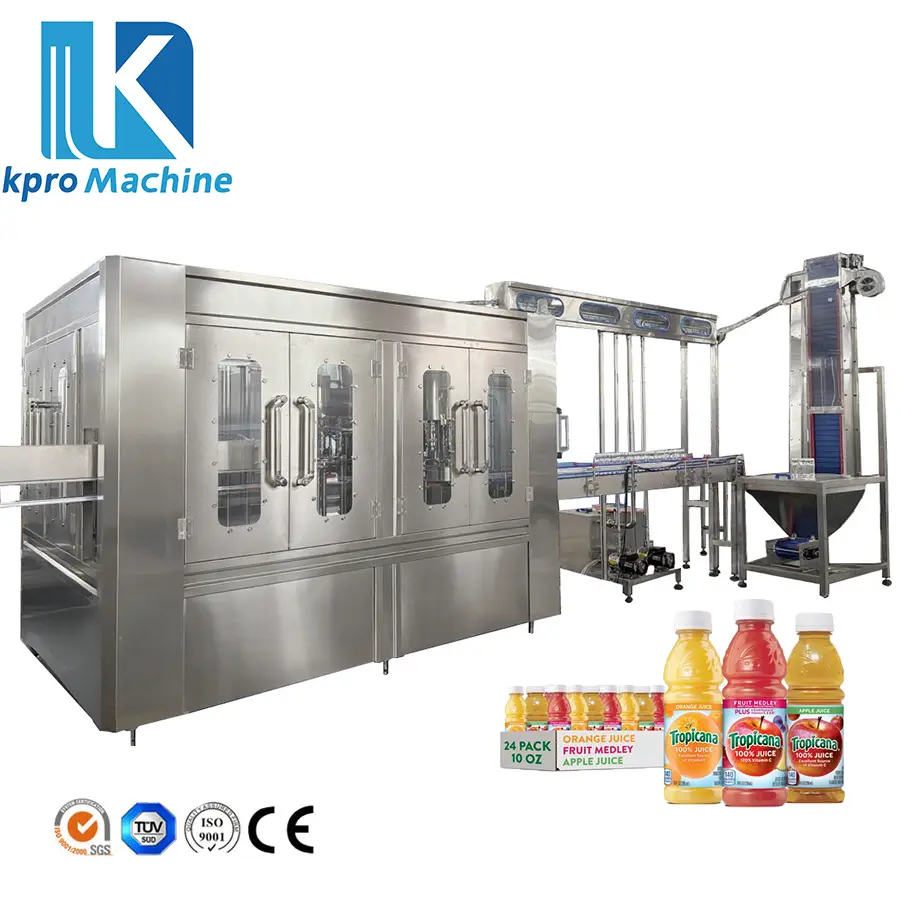
A juice machine represents one of the most critical components in modern beverage production facilities. Understanding how a juice machine operates is essential for beverage manufacturers, plant managers, and anyone involved in juice processing and packaging. The juice machine automates the entire filling workflow, from bottle positioning to final capping, ensuring consistent quality, reducing labor costs, and maximizing production throughput. Without a properly functioning juice machine, facilities cannot meet market demand or maintain competitive production speeds in today's fast-paced beverage industry.
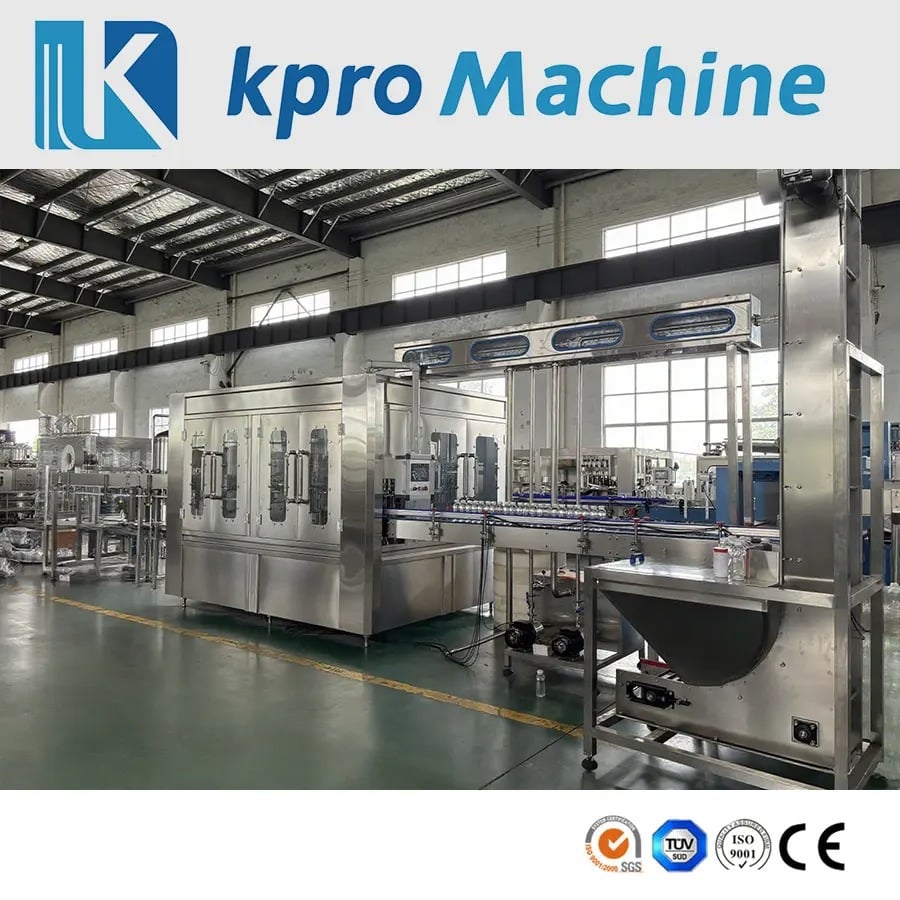
Modern juice production depends on precision engineering and reliable automation. A juice machine must handle product safely while maintaining fill accuracy, preventing product waste, and ensuring food safety compliance. The operational sequence of a juice machine follows a logical progression that begins with empty bottle supply and concludes with fully sealed, labeled containers ready for distribution. Each stage of the juice machine cycle plays a critical role in determining final product quality and operational efficiency across the entire production line.
Bottle Positioning and Supply System
Automatic Bottle Feed Mechanism
The juice machine process begins with reliable bottle positioning at the entry point. The juice machine uses conveyor systems to transport empty bottles into the filling station in a continuous, synchronized manner. Bottles move along a structured track that guides them into precise positioning beneath the filling nozzles. The juice machine indexing system ensures that each bottle stops at the exact moment it reaches the filling chamber, preventing misalignment and spillage. This positioning accuracy is fundamental to how a juice machine maintains consistent fill levels and prevents product overflow during the filling cycle.
Quality Control at Entry
Before a juice machine begins the actual filling process, automated sensors inspect incoming bottles for defects, cracks, or contamination. The juice machine rejects any compromised bottles to protect product integrity and prevent operational failures. Vision systems integrated into the juice machine detect foreign particles, improper bottle shape, or manufacturing defects that could affect juice containment. This preliminary screening ensures that only acceptable bottles proceed through the juice machine filling sequence, reducing waste and maintaining consistency throughout the production run.
The Core Filling Process
Pressurized Fill Head Operation
Once bottles are positioned correctly, the juice machine activates its pressurized fill heads, which are the central mechanism for dispensing juice into containers. The juice machine fill heads use volumetric or flow-meter control systems to deliver precise quantities of juice product. Pressure regulators within the juice machine maintain consistent dispensing force, preventing splashing and ensuring accurate fill heights. The juice machine operator can adjust pressure settings to accommodate different juice viscosities and bottle sizes without requiring mechanical modifications. This flexibility makes a juice machine suitable for diverse beverage types, from thin juices to thick purees or nectars.
Temperature Management During Filling
Many production facilities require the juice machine to handle hot-fill applications, where juice enters bottles at elevated temperatures to achieve shelf stability and shelf-life extension. The juice machine heating system maintains juice at the optimal temperature as it flows through supply lines toward the fill heads. Thermal insulation within the juice machine and heated lines prevents excessive cooling during the filling interval. The juice machine nozzles themselves are engineered to withstand high temperatures and prevent product degradation or loss of quality during the hot-fill process. This thermal control capability distinguishes advanced juice machines from basic filling equipment and enables manufacturers to meet specific preservation and quality requirements.
Capping, Inspection, and Exit Systems
Automatic Capping Integration
After the juice machine completes the filling cycle, bottles automatically advance to the capping station, which operates as an integrated component of the overall juice machine assembly. The juice machine capping mechanism positions bottles directly beneath capping heads that apply pre-sterilized caps with controlled torque force. The juice machine ensures that caps are seated firmly without over-tightening, which could damage bottle threads or under-tightening, which could compromise seal integrity. Real-time monitoring within the juice machine detects capping failures and automatically removes defective bottles from the production line to prevent distribution of compromised product.
Final Quality Inspection and Output
The juice machine includes final inspection stations that verify fill accuracy, cap placement, and overall container integrity immediately after sealing. Weight checkpoints integrated into the juice machine confirm that each bottle contains the declared product volume, ensuring regulatory compliance and consumer satisfaction. The juice machine vision systems inspect the entire external surface of capped bottles to detect leaks, cracks, or label misalignment. Bottles that pass all juice machine quality gates proceed to the discharge area, while any defective units are diverted for reprocessing or disposal. This comprehensive inspection ensures that only market-ready product exits the juice machine production line.
FAQ
What production speeds can a juice machine achieve?
Modern juice machines are engineered to fill bottles at rates ranging from several hundred to several thousand bottles per hour, depending on bottle size, juice characteristics, and machine configuration. High-speed juice machines designed for large-scale commercial operations can achieve fill rates of 8,000 bottles per hour or higher, allowing beverage manufacturers to meet substantial market demand efficiently. The actual juice machine throughput depends on factors including nozzle count, fill accuracy requirements, and the specific viscosity of the juice product being processed.
How does a juice machine maintain hygiene and food safety?
A juice machine incorporates multiple hygiene features including stainless steel construction, quick-disconnect components for easy cleaning, and integrated sanitization protocols. The juice machine fill heads are designed to minimize product contact with external surfaces, reducing contamination risk. Many juice machine models include CIP (clean-in-place) systems that allow operators to flush the entire product pathway without disassembling the machine, maintaining food safety standards and regulatory compliance throughout extended production runs.
Can a juice machine handle different bottle sizes and juice types?
Advanced juice machine designs incorporate adjustable components that accommodate various bottle geometries, capacities, and closure types through simple mechanical or electronic adjustments. A juice machine can switch between different juice viscosities by modifying fill head pressure and speed parameters, making it versatile for manufacturers producing multiple product lines. This adaptability allows juice machine operators to serve diverse market segments without investing in entirely separate production equipment.