 EN


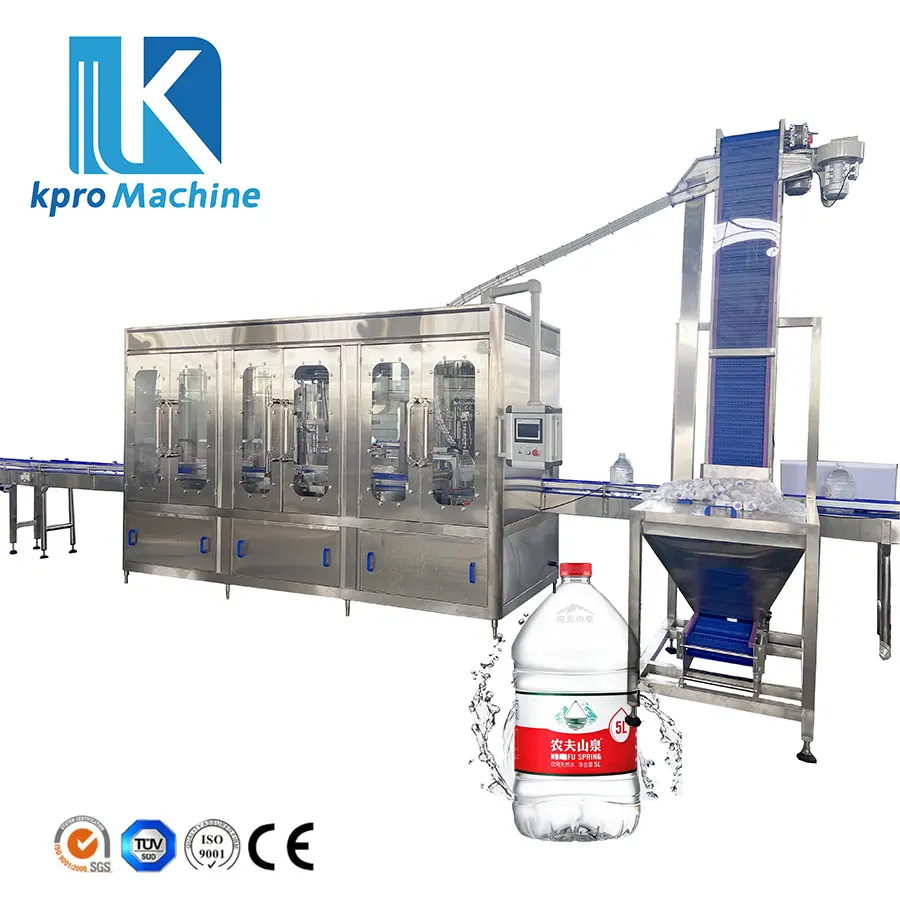
A well-maintained packaging machine is the foundation of consistent production quality and operational longevity. Whether you operate a small bottling line or a large-scale filling facility, the performance of your packaging machine directly impacts production efficiency, product quality, and overall profitability. Regular maintenance and thorough cleaning of your packaging machine prevent costly breakdowns, reduce unplanned downtime, and extend the equipment's useful lifespan significantly. Many facility managers underestimate how much attention a packaging machine requires to function optimally, yet this investment in care delivers measurable returns through reduced repair costs and improved throughput.
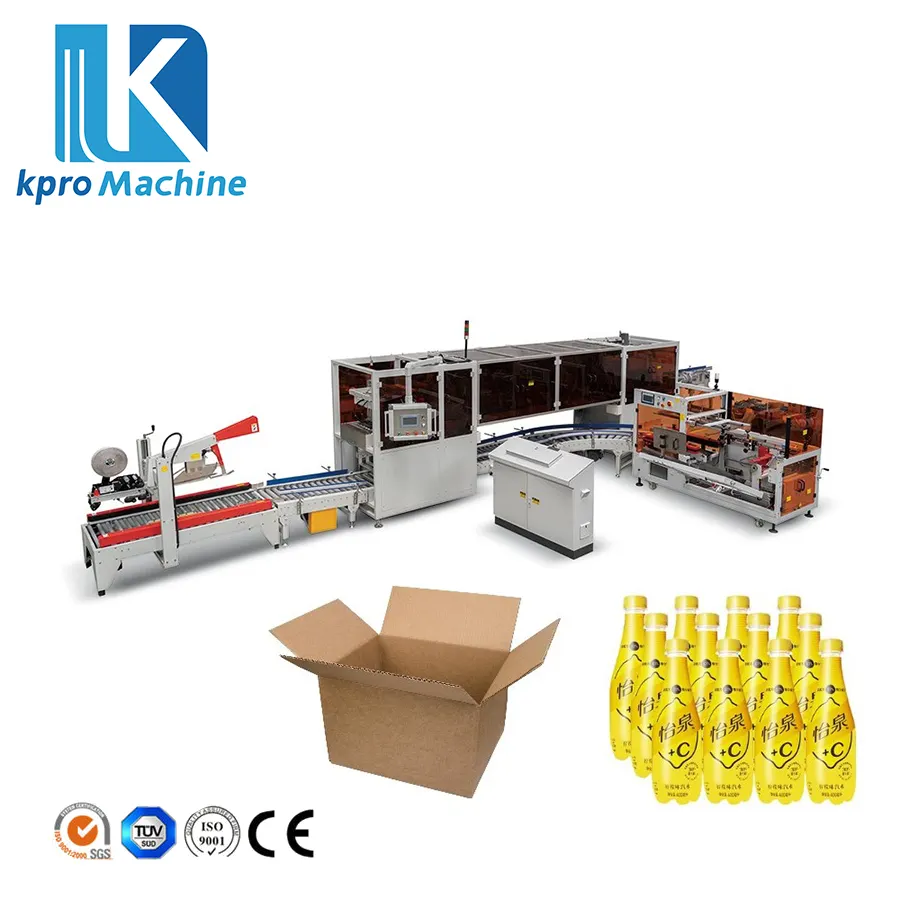
Proper care of your packaging machine involves a structured approach combining daily operational checks, routine cleaning procedures, and scheduled preventive maintenance intervals. Understanding the specific maintenance requirements of your packaging machine model allows you to identify potential issues before they escalate into major problems. By implementing a disciplined maintenance routine, production teams can maximize the packaging machine's reliability, maintain product consistency, and protect the significant capital investment the equipment represents. This comprehensive guide walks you through essential maintenance strategies and cleaning best practices tailored to packaging machine equipment.
Understanding Your Packaging Machine Maintenance Foundation
Why Preventive Maintenance Matters for Your Packaging Machine
Preventive maintenance is the cornerstone of keeping your packaging machine operating at peak efficiency. A packaging machine that receives consistent care experiences fewer unexpected failures and maintains higher accuracy in product delivery. The alternative—reactive maintenance triggered only by equipment failure—typically costs three to five times more than planned preventive measures. When your packaging machine breaks down unexpectedly, production stops entirely, orders miss deadlines, and emergency repair services command premium fees. Facility managers who prioritize maintenance of their packaging machine report significantly lower total cost of ownership and improved production predictability.
Establishing a Maintenance Schedule for Your Packaging Machine
Every packaging machine operates according to manufacturer specifications that outline recommended maintenance intervals. These intervals typically divide into daily checks, weekly cleaning tasks, monthly inspections, and quarterly deep maintenance cycles. Your packaging machine's user manual contains the precise schedule tailored to your specific model and production volume. Facilities running high-speed operations should consider more frequent maintenance cycles for their packaging machine than low-volume producers. Creating a documented maintenance log for your packaging machine helps track completed tasks, identifies recurring issues, and provides evidence of proper care should disputes arise with service providers or insurers.
Daily and Weekly Cleaning Procedures for Your Packaging Machine
Daily Operational Checks and Surface Cleaning of Your Packaging Machine
Begin each production shift with a visual inspection of your packaging machine's external surfaces and moving components. Look for signs of product residue, dust accumulation, or leaked fluids that might indicate emerging problems. Wipe down accessible surfaces of your packaging machine with appropriate cleaning cloths, removing dried product particles that could interfere with precision mechanisms. Check fluid levels in your packaging machine's system—whether hydraulic, pneumatic, or liquid-based—and top up as needed using only manufacturer-approved products. These simple daily actions on your packaging machine take just fifteen minutes but prevent the majority of preventable issues that plague industrial equipment.
Weekly Deep Cleaning for Packaging Machine Components
Once weekly, dedicate time to more thorough cleaning of your packaging machine's contact surfaces and removable components. Disassemble any easily removable parts according to your packaging machine's manual and soak them in appropriate cleaning solutions that dissolve product buildup without damaging materials. Pay particular attention to nozzles, seals, and contact points on your packaging machine where dried product accumulates and affects performance accuracy. Use soft brushes or non-abrasive tools when cleaning your packaging machine to avoid scratching precision surfaces. Allow all components to air dry completely before reassembly, and apply lubricating film to specified parts of your packaging machine according to manufacturer guidelines before returning them to service.
Advanced Maintenance and Troubleshooting for Your Packaging Machine
Seasonal Deep Maintenance of Your Packaging Machine
Quarterly or semi-annual deep maintenance keeps your packaging machine functioning reliably through extended production periods. This maintenance involves inspecting seals, gaskets, and valves throughout your packaging machine system for wear or degradation. Professional technicians typically perform calibration checks on your packaging machine's measurement and delivery systems to ensure continued accuracy. Replace any worn components identified during deep inspection before they fail catastrophically during production. This proactive approach to your packaging machine's maintenance prevents the emergency situations where production grinds to a halt waiting for replacement parts to arrive.
Recognizing and Addressing Common Issues in Your Packaging Machine
Certain warning signs indicate your packaging machine needs immediate attention beyond routine maintenance. Unusual noises, vibrations, or temperature increases suggest mechanical problems developing within your packaging machine that require prompt investigation. Product leakage, inconsistent fill amounts, or misalignment in your packaging machine typically stem from worn seals or calibration drift that maintenance can address. Slower-than-normal production speeds despite proper settings indicate your packaging machine may have internal friction or wear requiring professional service. Documenting these symptoms helps technicians diagnose issues with your packaging machine more quickly, reducing downtime and repair costs. Never ignore warning signs from your packaging machine, as minor problems compound rapidly into major failures affecting production schedules.
Lubrication, Documentation, and Professional Support for Your Packaging Machine
Proper Lubrication Practices for Your Packaging Machine
Correct lubrication is essential for maintaining smooth operation of all moving parts in your packaging machine. Different components of your packaging machine require different lubricant types—some need light machine oil, others require food-grade lubricants if your packaging machine handles consumables. Over-lubrication creates as many problems as under-lubrication, so follow manufacturer specifications precisely when lubricating your packaging machine. Apply lubricant to specified points at the intervals recommended for your packaging machine model and production volume. Excessive lubricant on your packaging machine accumulates dust, creates messy conditions, and can damage bearings or seals, so restrain application to necessary amounts only.
Maintaining Records and Engaging Professional Support for Your Packaging Machine
Detailed maintenance records transform your packaging machine from an opaque asset into a documented system you can manage strategically. Record every maintenance action, cleaning cycle, and repair performed on your packaging machine, including dates, technicians involved, and components addressed. These records for your packaging machine help identify patterns, predict replacement needs, and demonstrate proper stewardship to warranty providers. When your packaging machine requires professional service beyond in-house capabilities, having thorough records enables technicians to provide faster, more accurate repairs. Establishing a relationship with qualified service providers ensures your packaging machine receives expert attention when needed, extending its reliable operational life.
FAQ
How often should I clean my packaging machine?
Daily visual inspections and surface wiping should occur before or after each production run. Weekly deep cleaning of contact surfaces and removable components prevents product buildup that degrades performance. Monthly detailed inspections combined with quarterly deep maintenance cycles address wear and calibration drift in your packaging machine. The exact frequency depends on your packaging machine model, production volume, and product type, so consult your equipment manual for specific guidance.
What products should I use to clean my packaging machine?
Always use cleaning products specifically recommended by your packaging machine manufacturer, as inappropriate cleaners can damage seals, coatings, or internal components. For food contact surfaces, employ only food-grade or beverage-safe cleaning solutions that won't compromise product safety if residues remain. Avoid harsh chemicals, abrasive scrubbers, or high-pressure water that can strip protective coatings or force liquid into sealed bearings of your packaging machine. Test any new cleaning product on a small inconspicuous area first, and verify it won't affect the specific materials used in your packaging machine's construction.
Can I perform all maintenance myself or do I need professional technicians?
Daily cleaning and basic weekly maintenance can typically be performed by trained operators following your packaging machine's manual procedures. However, complex calibrations, seal replacements, component replacements, and internal inspections require qualified technicians familiar with your specific packaging machine model. Many manufacturers recommend having certified technicians perform scheduled deep maintenance at least annually on your packaging machine. Attempting complex repairs without proper training risks voiding warranties, damaging components, or creating safety hazards, so professional support is essential for your packaging machine's optimal performance and longevity.