 EN
EN
Bottle Rinsing: Ensuring Sterility Before Filling
Air vs. Water Rinsing Methods in Modern Water Filling Machines
Water filling equipment today generally relies on two main methods for cleaning containers before they get filled. The first method is air rinsing, which works by shooting out sterile air at high pressure. This technique makes sense for fast moving bottling operations where things need to dry quickly and companies want to save on resources. Then there's water rinsing, where purified water gets sprayed inside the bottles instead. Many facilities actually prefer this second approach when dealing with situations that require extremely low levels of microbes or other particles. The difference between these options matters quite a bit depending on what exactly needs to be bottled and how clean those products must stay throughout their shelf life.
- Speed: Air rinsing processes bottles 15–20% faster than water-only systems (DT PPL 2023)
- Residue removal: Water rinsing reduces micro-debris by 40% compared to air-only methods
- Resource efficiency: Air systems cut water consumption by up to 90% in PET bottle lines
Sanitization Protocols and Microbial Control for Safe Bottled Water
Post-rinsing sterilization is essential to meet stringent safety requirements for bottled water. Leading facilities follow validated protocols aligned with Aseptic Processing Standards (2023):
- Chemical sterilization: Peracetic acid solutions achieve ≥99.99% pathogen reduction
- Rinse validation: Triple sterile-water flushing eliminates disinfectant residue
- Microbial limits: Final product must maintain ≤10 CFU/bottle (Aseptic Processing Standards 2023)
- Environmental controls: ISO Class 5 cleanroom conditions—maintained via HEPA-filtered air—are enforced during bottle transfer to prevent recontamination
These integrated measures ensure consistent safety while supporting the performance of downstream liquid filling and sealing machine operations.
Precision Water Filling: Mechanisms and Control Systems
Modern water filling machines rely on advanced engineering to deliver exact fill volumes—balancing speed, accuracy, and regulatory compliance across high-volume bottling lines.
Isobaric vs. Gravity Filling for PET Bottles in Water Filling Machines
When it comes to filling PET bottles, manufacturers typically choose between two main approaches: isobaric systems and gravity-fed setups, each better for different kinds of production environments. The isobaric method works by blowing pressurized air into the bottle to balance the pressure inside and outside, which allows these machines to fill over 500 bottles every minute while keeping volume variations within just half a percent. Originally created for fizzy drinks where precision matters most, many water bottlers have started adopting this technique lately, especially when they need really tight control over measurements for their products. On the other hand, gravity filling lets liquid fall naturally into containers under controlled conditions. These systems run slower at around 300 to 400 bottles per minute but offer acceptable accuracy levels between 1% and 2%. Most companies stick with gravity filling for regular still water because it costs less to operate, even though it doesn't match the extreme precision of isobaric systems.
| Feature | Isobaric Filling | Gravity Filling |
|---|---|---|
| Mechanism | Pressure-driven flow | Gravity-based flow |
| Speed | Very high (500+ bottles/min) | Moderate (300–400 bottles/min) |
| Accuracy | High (±0.5% consistency) | Moderate (±1–2% consistency) |
| Best For | Carbonated drinks, high-accuracy water lines | Still water, budget-conscious setups |
Flow Rate, Level Detection, and Real-Time Fill Accuracy
Getting accurate fills right depends heavily on how well the hardware works together with the software. Servo motors paired with proportional valves handle flow rates as they go, adjusting almost immediately when containers vary in size, shape or what they're made from. The system relies on ultrasonic and capacitive sensors that constantly check fill levels while sending all this information back to those PLC controllers we all know and love. What makes this setup so effective is its ability to make tiny adjustments within seconds, hitting around 0.5% accuracy for nearly all production runs. This kind of precision isn't just good for business it actually helps meet those tough FDA standards and ISO 22000 requirements too. Plus, it cuts down on wasted product from overfills and keeps products looking consistent across all those automatic PET bottle lines running day after day.
Capping and Sealing: Torque Control and Product Integrity
Spindle, Chuck, and Magnetic Capping Systems in Water Filling Machines
Modern water filling machines typically rely on three main capping technologies, all designed to ensure good seals and work well with different types of containers. The first is spindle systems which basically twist caps onto threaded bottles through mechanical heads. Then there are chuck systems that press down vertically to snap on closures. And finally we have electromagnetic capping heads that provide adjustable, contact-free torque around 8 to 12 Newton meters, so they don't damage threads on PET or aluminum containers. Most high end equipment comes with built in inspection systems now too. These scan every single cap roughly every half second and kick out any that aren't properly aligned or haven't been tightened enough. Getting this right matters because it stops leaks, keeps fizzy drinks properly carbonated, makes products last longer on shelves, and most importantly doesn't put consumers at risk.
Torque Consistency, Leak Prevention, and Regulatory Compliance
Getting the right amount of torque when sealing products matters a lot for keeping things safe and intact. If something isn't tightened enough, there's a risk of germs getting inside or liquids leaking out. But go too tight and we might end up breaking caps or warping containers instead. Modern servo driven capping machines can hold torque within about half a percent accuracy according to studies done on automated beverage lines. They also adjust automatically when there are small differences between caps or bottles of different heights. This helps meet those important food safety standards from ISO 22000 and the FDA because properly sealed packages stay closed and don't leak. The system records all these torque readings too, so companies have documentation ready whenever inspectors come around. This kind of record keeping cuts down on potential recalls and builds trust with customers who buy packaged drinks and other liquid products regularly.
Three-in-One Monoblock Integration: Efficiency and Hygiene Advantages
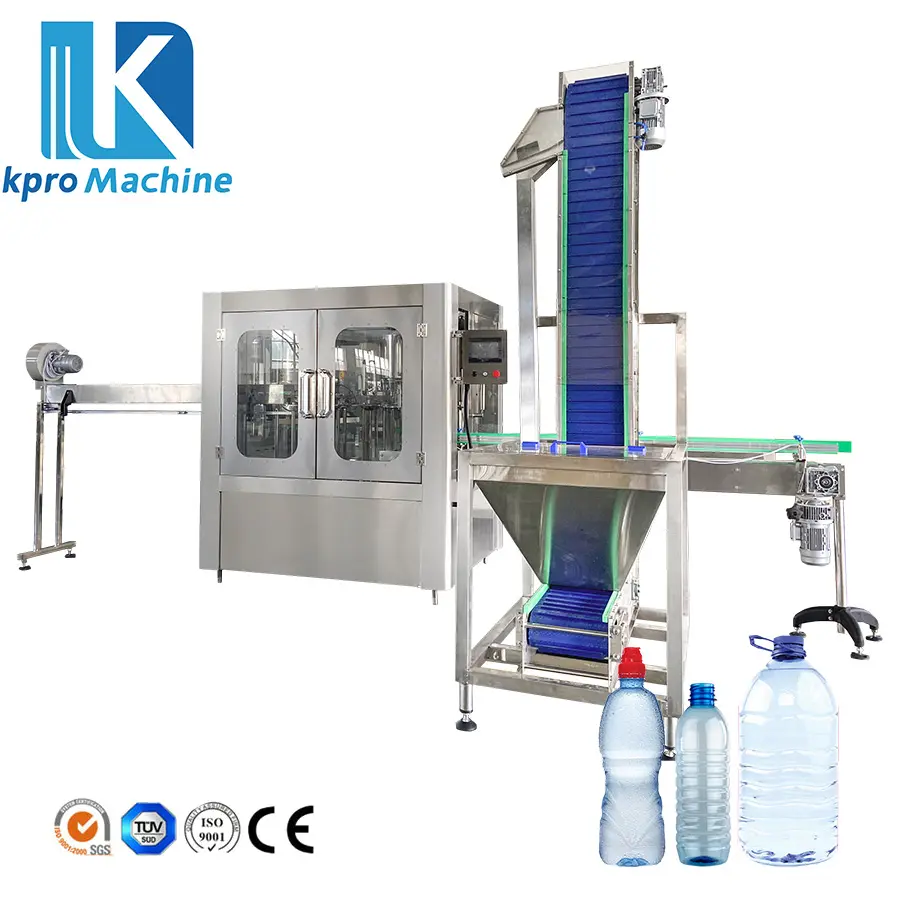
Monoblock water filling systems combine the rinse, fill, and cap processes all in one automated machine. These systems take up about 30% less space on the factory floor compared to separate machines according to industry data from last year. They speed things up because there's no need to move bottles between different stations, plus they save money on both labor costs and maintenance expenses. What really matters though is how much cleaner everything stays. Bottles travel through a sealed stainless steel chamber the whole time, so there are far fewer places where germs can get introduced during handling. The design itself is simpler too, meaning breakdowns happen less often since there aren't as many parts that can go wrong. Factory managers see quicker returns on investment, better control over production quality, and compliance with international cleaning standards, while still keeping their output levels high and products safe for consumers.
FAQs
Why is bottle rinsing important in water filling?
Bottle rinsing ensures sterility by removing microbes or particles that could contaminate the product, which is crucial for maintaining product safety and cleanliness.
What are the advantages of air rinsing over water rinsing?
Air rinsing is faster, uses fewer resources and dries sediments quickly, making it ideal for high-speed bottling operations.
How do isobaric and gravity filling methods differ?
Isobaric filling uses pressure to balance inside and outside the bottle, providing high accuracy, while gravity filling allows natural flow with moderate accuracy and lower costs.