 EN


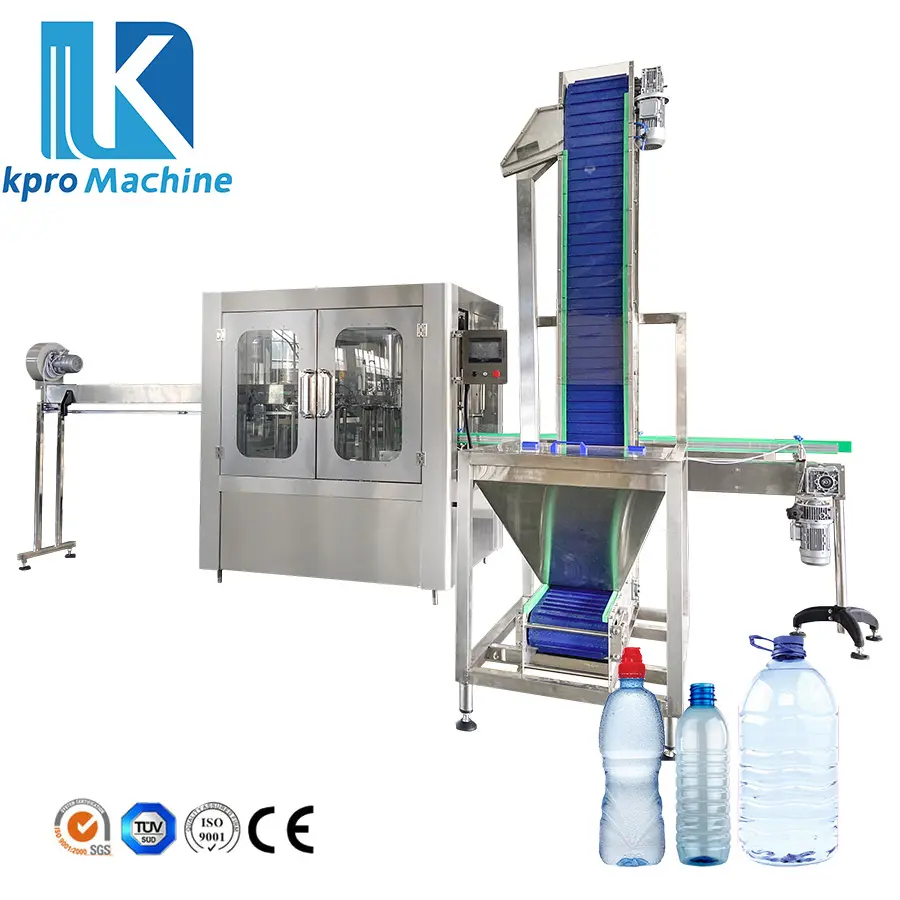
An industrial pure water machine is a sophisticated system designed to remove contaminants, minerals, and impurities from source water to produce high-quality purified water for manufacturing, bottling, and commercial applications. Understanding how an industrial pure water machine operates is essential for facility managers, water treatment professionals, and business owners who depend on consistent water quality. The process involves multiple stages of filtration, purification, and quality monitoring to ensure the final product meets strict industry standards.
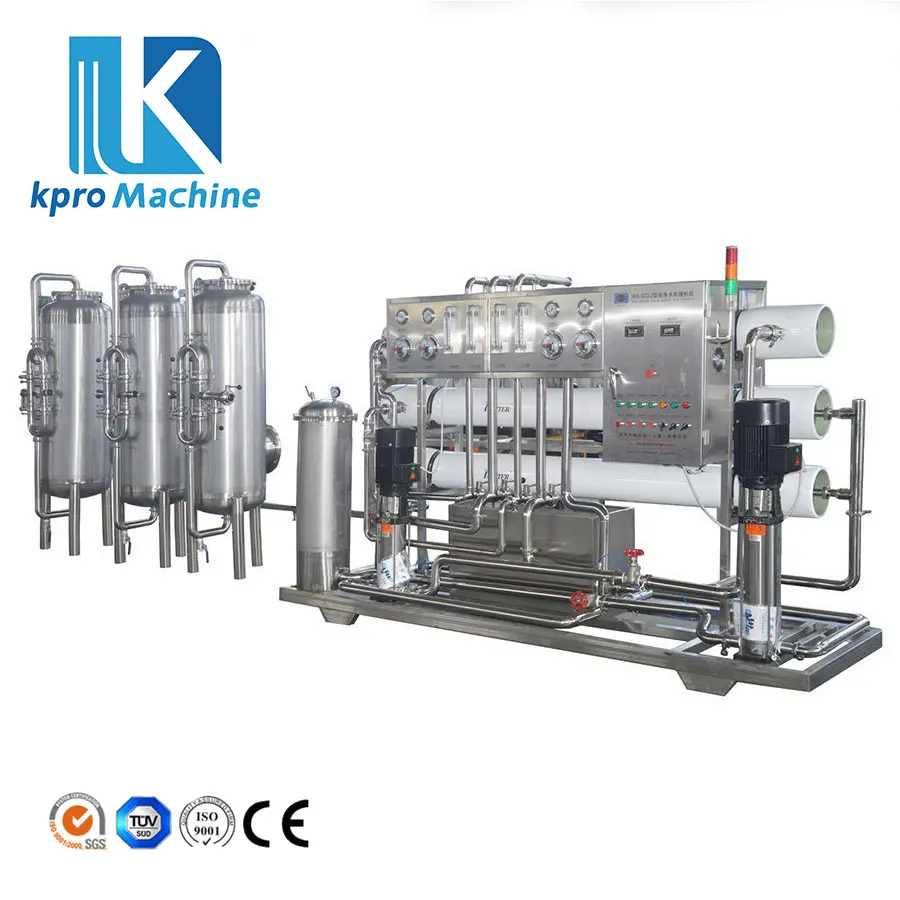
The mechanical and chemical systems within an industrial pure water machine work together in a coordinated sequence to progressively clean water. Each stage targets specific types of contaminants, from large sediment particles to dissolved salts and organic compounds. This article breaks down exactly how an industrial pure water machine functions, from intake through final storage, so you understand the complete purification journey.
Intake and Pre-Filtration Stage
Raw Water Collection and Initial Assessment
Every industrial pure water machine begins with raw water intake from the source, which may be municipal water, groundwater, or surface water. The incoming water passes through an initial assessment where operators test pH, turbidity, chlorine content, and total dissolved solids. This assessment determines whether pre-treatment adjustments are necessary before the water enters the main purification stages of the industrial pure water machine.
Sediment and Particulate Removal
The first mechanical barrier in an industrial pure water machine is the sediment filter, typically a 5-micron rated cartridge that traps sand, silt, rust particles, and other visible contaminants. This stage protects downstream components from physical damage and clogging. The sediment filter in an industrial pure water machine requires regular replacement to maintain flow rates and prevent backpressure issues that can compromise system performance.
Activated Carbon and Taste/Odor Filtration
Chemical Contaminant Absorption
After sediment removal, water enters the activated carbon stage of the industrial pure water machine, where dissolved chemicals like chlorine, pesticides, and organic compounds are absorbed into the porous carbon structure. Activated carbon has an enormous surface area relative to its volume, making it highly effective at removing taste, odor, and discoloration from water. Most industrial pure water machine systems use either granular activated carbon tanks or cartridge filters filled with activated carbon to maximize contact time and removal efficiency.
Chlorine Removal and Water Quality Improvement
An industrial pure water machine must remove chlorine because it can damage reverse osmosis membranes in later stages. The activated carbon stage handles this critical function while also improving water clarity and reducing unpleasant odors. Water exiting the activated carbon stage of an industrial pure water machine is significantly cleaner and more suitable for the sensitive membrane filtration stages ahead.
Reverse Osmosis and Final Purification
Membrane Filtration Technology
The core purification mechanism of any industrial pure water machine is the reverse osmosis membrane, a semi-permeable barrier that allows only water molecules to pass while rejecting dissolved salts, minerals, bacteria, viruses, and other dissolved solids. The industrial pure water machine applies pressure to force water molecules through the membrane, typically using specialized pumps that deliver 50 to 100 PSI or more. This industrial pure water machine technology achieves removal rates of 95 to 99 percent for total dissolved solids, making it the gold standard for commercial water purification.
Multi-Stage Membrane Systems and Recovery Rates
Modern industrial pure water machine systems often incorporate multiple reverse osmosis stages to maximize water recovery and purity. A single-stage industrial pure water machine typically recovers 50 to 75 percent of incoming water as purified product, with the remainder discharged as concentrate or wastewater. Two or three-stage configurations in an industrial pure water machine increase recovery rates to 75 to 85 percent by reprocessing first-stage concentrate through additional membranes, reducing waste and improving operational efficiency.
Post-Treatment and Stabilization
After passing through reverse osmosis, water from an industrial pure water machine is often slightly acidic and may require stabilization to prevent corrosion in storage tanks and distribution lines. The industrial pure water machine post-treatment stage typically adds minerals back to the water or adjusts pH using alkalization cartridges or chemical injection systems. This ensures the purified water from the industrial pure water machine is stable, safe for equipment, and meets regulatory requirements for bottling or industrial use.
Storage, Monitoring, and Quality Assurance
Sterile Storage and Contamination Prevention
Purified water from an industrial pure water machine must be stored in food-grade or pharmaceutical-grade tanks with tight seals to prevent recontamination from air, bacteria, or particles. The storage tank of an industrial pure water machine system typically includes UV sterilization or ozone injection to maintain microbial purity during holding periods. Many industrial pure water machine installations include circulation pumps that continuously move stored water through ultraviolet lamps or ozone generators to prevent stagnation and bacterial growth.
Real-Time Monitoring and System Alerts
A comprehensive industrial pure water machine includes sensors that measure conductivity, pH, temperature, and flow rate throughout the purification process. These sensors feed data to a control panel that triggers alerts when water quality drifts outside acceptable ranges or when filter cartridges approach replacement cycles. An industrial pure water machine with advanced monitoring allows operators to track purification performance, predict maintenance needs, and ensure consistent water quality without manual testing.
FAQ
What is the typical lifespan of reverse osmosis membranes in an industrial pure water machine?
Reverse osmosis membranes in an industrial pure water machine typically last 2 to 5 years depending on water quality, operating pressure, and system maintenance. High sediment or mineral content in source water can shorten membrane life, as can improper pre-filtration or storage conditions. Regular monitoring and adherence to recommended maintenance schedules help extend industrial pure water machine membrane life and optimize long-term operating costs.
How much waste water does an industrial pure water machine produce?
A single-stage industrial pure water machine produces approximately 25 to 50 percent wastewater depending on source water quality and system design. Multi-stage industrial pure water machine systems reduce waste to 15 to 25 percent by recycling concentrate through additional reverse osmosis stages. The wastewater from an industrial pure water machine may be discharged to sewer lines, used for irrigation or cooling, or further processed depending on facility regulations and operational goals.
Can an industrial pure water machine remove all contaminants from water?
While an industrial pure water machine removes over 99 percent of dissolved solids and most biological contaminants, no system removes absolutely all substances. An industrial pure water machine with proper pre-filtration, reverse osmosis, and post-treatment achieves purification levels suitable for bottling, pharmaceuticals, and high-purity industrial applications. For ultra-pure water requirements in electronics or laboratory settings, additional polishing stages like deionization may be added to the industrial pure water machine system.