 EN


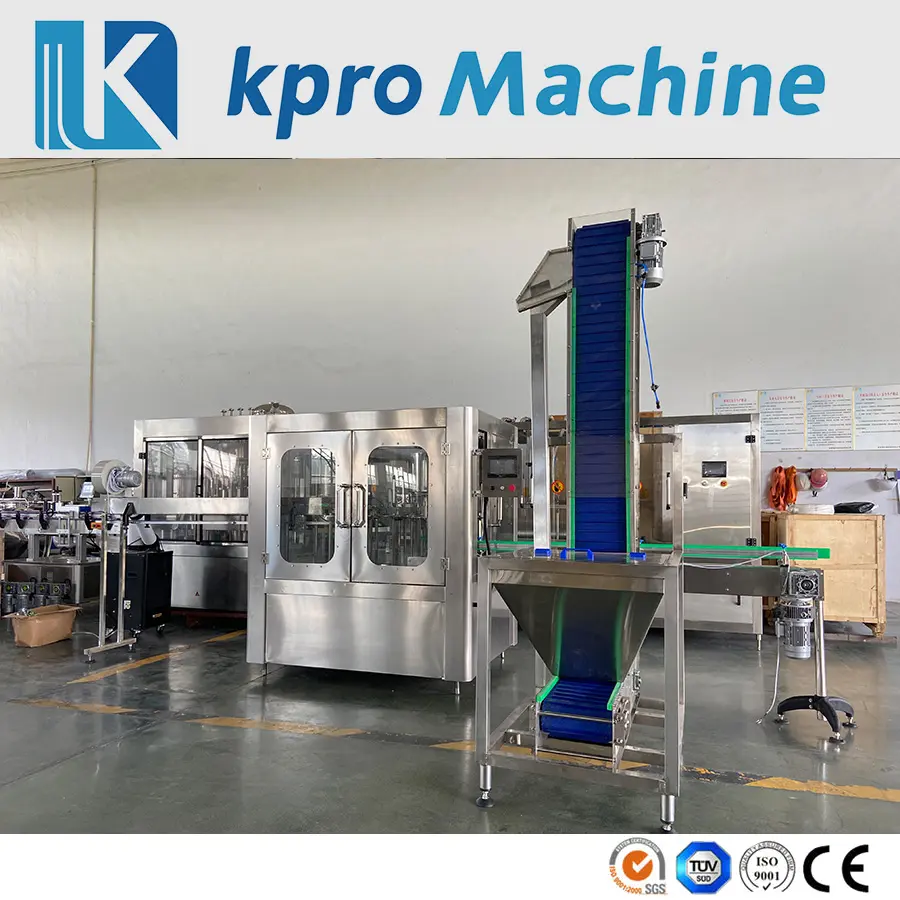
Successfully connecting a water filling machine with labeling and packaging systems is critical for beverage manufacturers seeking seamless production workflows and operational efficiency. Water filling machine integration consolidates multiple processing stages into a unified production line, reducing manual handling, minimizing product loss, and accelerating throughput from raw bottles to finished goods ready for shipment. This comprehensive approach to water filling machine integration transforms standalone equipment into an intelligent, synchronized system that delivers consistent quality while reducing labor costs and production bottlenecks.

The integration of water filling machines with labeling and packaging systems represents a strategic investment in production infrastructure that directly impacts profitability and market competitiveness. Modern beverage operations depend on water filling machine integration to maintain consistent fill volumes, ensure accurate labeling, and achieve the speed required by retail distribution networks. Understanding how these systems communicate, share data, and coordinate timing is essential for plant managers, production engineers, and procurement professionals responsible for selecting, installing, and optimizing integrated beverage production lines.
Understanding Water Filling Machine Integration Architecture
Core Components and Mechanical Synchronization
Water filling machine integration begins with understanding the mechanical and control architecture that connects individual production stages. A comprehensive water filling machine integration system includes the filling unit, capping mechanism, conveyor transport, labeling station, and packaging module, all working in synchronized rhythm. The water filling machine integration framework relies on precision timing, sensor feedback, and programmable logic controllers that coordinate bottle movement, fill-level detection, cap placement, label application, and final carton packing without requiring manual intervention between stages.
The water filling machine integration design must account for variable bottle sizes, different fill volumes, and multiple label formats to maintain flexibility across product lines. Conveyor speed, dwell time at each station, and sensor response thresholds directly influence overall water filling machine integration performance. Proper mechanical alignment between the water filling machine, labeling unit, and packaging equipment ensures that bottles arrive at each station in perfect position, preventing misalignment that could slow production or damage products.
Control Systems and Data Flow
Successful water filling machine integration depends on coordinated control systems that communicate fill data, production metrics, and error conditions across all connected equipment. The control architecture for water filling machine integration typically uses a central programmable logic controller that monitors sensor inputs from the filling stage, receives feedback from labeling accuracy checks, and adjusts conveyor timing to prevent bottlenecks. Water filling machine integration systems often include networked sensors that track fill weight, bottle position, cap placement, and label registration in real-time, enabling operators to identify and correct issues before they affect large batches.
Data collection during water filling machine integration provides actionable insights into equipment performance, production yield, and line efficiency metrics. Integration analytics reveal which process stages create bottlenecks, whether fill volumes drift out of specification, or if labeling accuracy degrades over extended runs. This visibility supports continuous improvement initiatives where operations teams refine water filling machine integration parameters based on historical performance data rather than trial-and-error adjustments.
Implementing Water Filling Machine Integration in Production Facilities
Pre-Integration Planning and Equipment Selection
Before executing water filling machine integration, production facilities must conduct a detailed assessment of current workflows, production volumes, and future growth expectations. The water filling machine integration strategy should specify required throughput in bottles per hour, bottle size ranges, label complexity, and packaging formats to ensure selected equipment matches operational demands. Facility layout planning for water filling machine integration includes determining conveyor paths, electrical power requirements, compressed air capacity, water supply specifications, and wastewater handling infrastructure necessary to support integrated production lines.
Equipment compatibility is paramount during water filling machine integration selection, as water filling machine integration requires seamless communication between filling units, labeling systems, and packaging equipment from compatible manufacturers or integrators. Facilities should specify whether water filling machine integration will employ mechanical synchronization through shaft couplings or sensor-based coordination through networked controls. The water filling machine integration specification should include fill accuracy tolerances, speed parameters, and data logging capabilities that support regulatory compliance and quality assurance requirements.
Installation, Calibration, and Testing Phases
The installation phase of water filling machine integration requires precise mechanical alignment, electrical wiring according to safety standards, and pneumatic supply line configuration to ensure all connected equipment functions reliably. Water filling machine integration technicians must calibrate fill-weight sensors, position sensors at each workstation, and adjust conveyor speed to match the processing pace of the slowest operation to prevent bottlenecks. The water filling machine integration system undergoes comprehensive testing with actual product bottles across the intended range of sizes and fill volumes before full production runs commence.
Commissioning the water filling machine integration involves running extended test cycles to verify fill accuracy within acceptable tolerances, confirm label placement consistency, and validate packaging integrity. Water filling machine integration performance testing should measure actual throughput against equipment specifications, identify any mechanical friction or timing misalignment issues, and optimize conveyor speeds for maximum efficiency. Documentation of water filling machine integration parameters, sensor calibration values, and troubleshooting procedures ensures that operations and maintenance teams can manage the integrated system confidently throughout its operational lifespan.
Optimizing Water Filling Machine Integration Performance and Maintenance
Operational Best Practices and Efficiency Gains
Maximizing water filling machine integration benefits requires developing standardized operating procedures that specify startup sequences, monitoring protocols, and changeover procedures for different product configurations. Operators managing water filling machine integration must understand how to respond to sensor alarms, adjust fill volumes for different bottle sizes, and clear minor jams without disrupting the entire production line. Water filling machine integration efficiency improves when production teams monitor key performance indicators such as fill accuracy variance, line downtime frequency, packaging rejection rates, and overall equipment effectiveness metrics that reveal improvement opportunities.
The speed advantage of water filling machine integration amplifies when facilities achieve consistent product movement through all stages without interruptions or manual intervention. Training programs for water filling machine integration operations should emphasize the importance of maintaining conveyor cleanliness, monitoring sensor sensitivity, and detecting early warning signs of mechanical wear that could compromise integrated system performance. Water filling machine integration uptime directly correlates with production volume, so preventive maintenance protocols designed to minimize unscheduled downtime deliver substantial returns on the initial equipment investment.
Maintenance, Troubleshooting, and System Upgrades
Preventive maintenance schedules for water filling machine integration address the specific wear patterns of each integrated component while preserving overall system synchronization and accuracy. Regular inspection of water filling machine integration equipment includes checking conveyor belt tension, verifying sensor calibration accuracy, inspecting seal integrity on filling valves, and confirming capping torque consistency to prevent leaks or underfilled bottles. Maintenance technicians must understand the interdependencies within the water filling machine integration system, as adjusting fill-valve pressure affects throughput timing, which in turn impacts label registration and packaging alignment downstream.
When troubleshooting water filling machine integration issues, technicians should systematically isolate problems to specific stages rather than assuming the entire integrated system requires adjustment. Common water filling machine integration challenges include fill-weight drift caused by pressure fluctuations, label misalignment from worn conveyor rollers, and packaging jams resulting from improper bottle orientation. Water filling machine integration systems benefit from modular design that allows replacement of individual components without requiring complete line shutdown, enabling rapid repairs that minimize production losses during maintenance events.
FAQ
What are the primary advantages of water filling machine integration over separate equipment?
Water filling machine integration consolidates multiple production stages into a single synchronized workflow, reducing product handling, minimizing fill-volume inconsistencies, and increasing throughput compared to manually moving bottles between standalone equipment. Integrated systems deliver faster production speeds, improved labeling accuracy through precise bottle positioning, reduced labor requirements, and consistent product quality because all operations occur within a controlled, coordinated environment. Water filling machine integration also reduces floor space requirements and simplifies inventory management by eliminating work-in-progress bottlenecks between filling, labeling, and packaging stages.
How does water filling machine integration ensure accurate fill volumes and prevent product loss?
Water filling machine integration systems employ precision weight sensors, electronic flow meters, and pressure regulators that monitor and adjust fill volumes in real-time, compensating for variations in water density, temperature, or product viscosity that could otherwise cause inconsistent fills. The integration of fill-weight feedback with conveyor movement timing ensures each bottle receives the correct volume before advancing to capping, preventing overfills that could leak or underfills that violate regulatory requirements. Water filling machine integration also minimizes product spillage by controlling fill velocity and dwell time, while automated line monitoring alerts operators to pressure drops or sensor malfunctions that could compromise fill accuracy before large quantities of defective product are produced.
What maintenance intervals should be followed for water filling machine integration systems?
Water filling machine integration maintenance varies by component type and production intensity, but typically involves daily cleaning of surfaces, weekly inspection of conveyor tension and sensor alignment, monthly calibration of weight and position sensors, and quarterly evaluation of seal integrity and valve responsiveness. The specific water filling machine integration maintenance schedule depends on throughput volume, water hardness affecting mineral buildup in fill valves, and environmental factors such as humidity or temperature fluctuations that influence equipment performance. Manufacturers provide detailed maintenance documentation for each piece of water filling machine integration equipment, and facilities should develop customized preventive maintenance plans that address local conditions while minimizing unplanned downtime.