 EN
EN


Essential Preventive Maintenance for Bottle Labeling Machine Reliability
Daily Cleaning and Inspection of Sensors, Rollers, and Feed Mechanisms
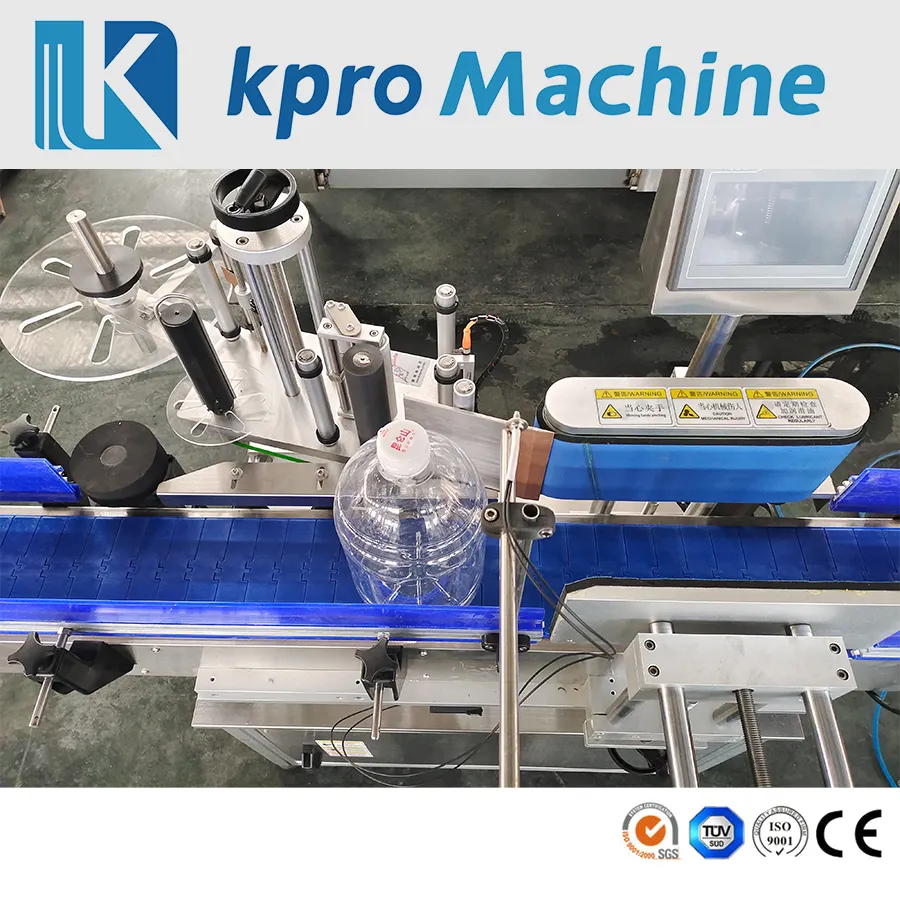
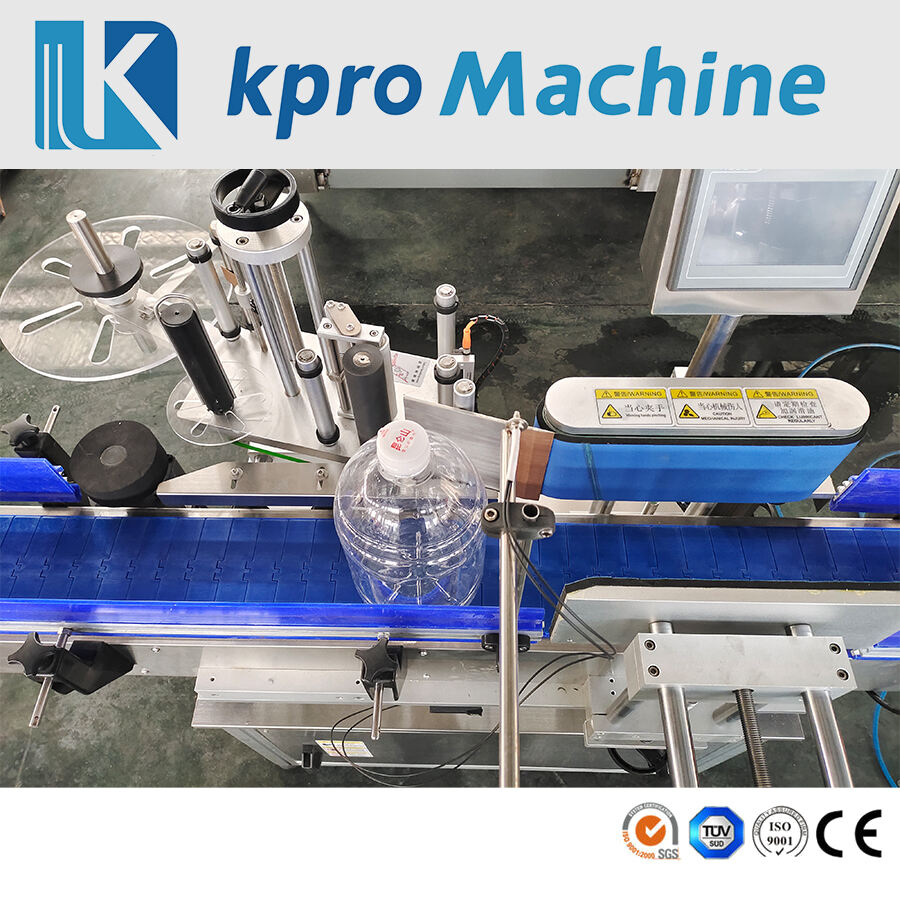
Keeping things clean on a daily basis stops sticky stuff and dirt from building up, which turns out to be behind almost half (about 43%) of all those pesky labeling mistakes. First thing, shut down the machine completely before reaching in to clean. Use those special lint free cloths on the sensors so they keep working right. Take a good look at the rollers too, particularly around where the glue gets applied. Any gunk stuck there or signs of wear? Make sure everything moves smoothly without getting caught anywhere. Don't forget to check how the conveyor belts are lined up and if they're tight enough across their whole length. If something feels off track during operation, write it down in that maintenance journal we've been keeping. Weird noises, strange vibrations, labels going on crooked? All worth noting. Most plants see around a 30% drop in unexpected shutdowns when staff stick to this quick 15 minute checkup routine several times a week.
Lubrication Best Practices for Critical Motion Components
Getting the lubrication right can really make a difference in how long bearings, gears, and chains last – some studies suggest around 40% longer life when done properly. The rule of thumb is to apply the manufacturer's recommended industrial oil roughly every 200 hours of operation, but focus only on those areas where there's actual friction happening, such as pivot joints and drive shafts. Don't go overboard with the stuff though, since too much oil just attracts dirt and grime. Wipe off any excess right away before it starts causing problems. And watch out for label applicators and optical sensors – putting oil on these components can mess up their function completely, either by affecting adhesive properties or making sensors less accurate. Keep track of all lubrication events in maintenance logs to stay within safe parameters. Combine regular oiling with occasional temperature checks too, because rising heat often signals trouble spots developing from excessive friction long before they become serious issues.
Precision Calibration of Bottle Labeling Machine Sensors and Applicators
Step-by-Step Sensor Calibration to Prevent Misalignment and Skew
Getting those sensors properly calibrated takes careful work on both detection settings and how things are positioned. First step? Check that the labeling head sits at just the right height relative to where bottles will be placed, and do this with proper measuring tools. Photoelectric sensors need setting so they can spot those container edges pretty accurately, maybe around half a millimeter either way. This matters a lot when dealing with security features or those little barcode stickers because even tiny errors can mess up regulations or make scanning impossible. Before jumping into full production runs, run some test cycles without product going through them. Adjust the timing so labels start appearing reliably about five millimeters ahead of where they should actually stick. And remember to check everything works well with real bottles from the production line instead of dummy samples. Real products have all sorts of variations in how light bounces off them, their shape changes, and different textures that just won't show up in lab conditions.
Synchronizing Speed, Tension, and Pressure Settings for Label Accuracy
To get things right, set up these parameters through the machine's PLC system. Start running it at about half speed first, then slowly ramp up while keeping an eye on how well the labels are applying. Most problems come from getting the pressure and speed wrong together, which causes around two thirds of all labeling issues according to what we've seen in packaging plants. When making adjustments, test them out on different bottle designs too. Especially important when switching formats, since what works for one shape might fail completely on another. This testing helps maintain good results throughout all the products being manufactured.
Diagnosing and Resolving Common Bottle Labeling Machine Application Issues
Label misalignment stands as the number one culprit behind labeling issues, responsible for about a quarter of all production stoppages. When those pesky labels end up looking crooked, coming off completely, or developing unsightly wrinkles, start checking the basics first. Grab some calipers and make sure those rollers are running parallel, then double check the tension settings on the label with a good quality digital torque gauge. Air bubbles and wrinkles? Slow things down by cutting application speed around 15 to 20 percent, but don't forget to gradually boost the pressure at the label head too. Thermal damage to materials usually means something's wrong with environmental conditions. Most adhesives work best when humidity stays between 40 and 60 percent and temperatures hover around 18 to 24 degrees Celsius according to ASTM D3330 guidelines. Missing labels over and over again? That points to problems with sensors either being out of alignment or losing their sensitivity over time. Always run tests with actual bottles from production lines instead of just dummy samples if possible, since real world conditions can throw up some surprising challenges during detection processes.
Sustaining Long-Term Consistency: From Calibration Logs to Predictive Maintenance
Using Calibration History and Performance Data to Optimize Intervals
Real reliability doesn't just come from sticking to a maintenance schedule. It happens when we actually look at those calibration records and start seeing what they're telling us about how things are wearing out. Keep an eye on sensor drift patterns, position errors that keep coming back, and those little mistakes operators make repeatedly. Sometimes these small problems hide bigger issues that regular inspections miss completely. Take the case where a machine consistently shows a 0.3 mm leftward drift over several calibrations. That might mean the applicator arm mounts are starting to wear down. Catching this early means replacing parts during normal maintenance windows rather than dealing with breakdowns right in the middle of production runs. When analyzing all this data, manufacturers can move away from rigid service schedules. Components that stay accurate within 1% variance can wait longer between services, whereas sensors drifting outside tolerances week after week need closer attention. Companies adopting this method typically see around a 30% drop in unexpected shutdowns, all while keeping labels placed accurately within half a millimeter either way. Looking at quarterly performance reports often reveals bigger picture problems too, like persistent adhesive buildup spots or rollers that slip under certain conditions. These findings point directly to areas where workers need extra training or where processes should be tweaked. A recent study published in the Reliability Engineering Journal showed that turning old calibration data into something useful saves companies between 18 and 32 percent on operating expenses simply by making better decisions about when and how to maintain equipment.
FAQ
What is the most common issue with bottle labeling machines?
Label misalignment is the most common issue, responsible for significant production stoppages.
Why is lubrication important for labeling machines?
Proper lubrication extends the life of motion components by reducing friction and wear.
How often should lubrication be applied?
Typically, lubrication should be applied every 200 hours of operation.
Why is sensor calibration crucial for labeling accuracy?
Proper calibration prevents misalignment and ensures correct application of labels.
What environmental conditions affect adhesive performance?
Adhesives work best in humidity between 40 and 60 percent and temperatures of 18 to 24 degrees Celsius.
Table of Contents
- Essential Preventive Maintenance for Bottle Labeling Machine Reliability
- Precision Calibration of Bottle Labeling Machine Sensors and Applicators
- Diagnosing and Resolving Common Bottle Labeling Machine Application Issues
- Sustaining Long-Term Consistency: From Calibration Logs to Predictive Maintenance
- FAQ