 EN


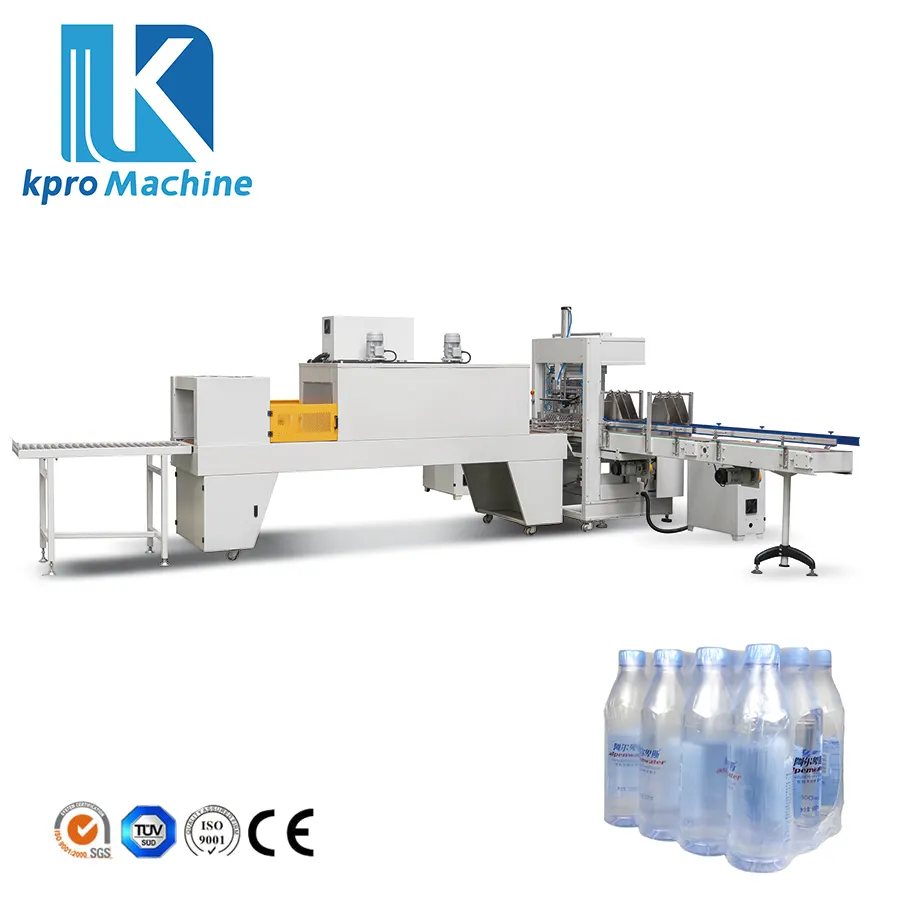
Modern water production facilities depend on precision and reliability to meet growing demand while maintaining cost efficiency. Smart sensors and programmable logic controllers (PLCs) have revolutionized how the packaging machine operates, transforming traditional mechanical systems into intelligent, responsive production lines. By integrating advanced automation technologies, operators can achieve unprecedented levels of accuracy, reduce downtime, and optimize every aspect of the packaging machine workflow. Understanding how these technologies work together is essential for any facility seeking to maintain competitive advantage in the beverage industry.

The integration of smart sensors with PLC control systems represents a fundamental shift in packaging machine design and operation. Rather than relying solely on fixed mechanical settings, modern packaging machines now continuously monitor production variables, detect anomalies in real time, and make automatic adjustments to maintain optimal performance. This synergy between sensing technology and control logic enables the packaging machine to adapt to changing conditions, reducing waste and ensuring consistent product quality across every production cycle.
How Smart Sensors Enhance Packaging Machine Monitoring
Real-Time Detection and Feedback
Smart sensors form the sensory backbone of every modern packaging machine. These devices monitor pressure, temperature, fill levels, seal integrity, and bottle positioning with unprecedented precision. When a packaging machine sensor detects a deviation from target parameters, the signal is immediately transmitted to the PLC controller, which evaluates the data and triggers corrective action. This continuous feedback loop ensures that the packaging machine maintains perfect calibration throughout production runs, even as ambient conditions shift or mechanical wear accumulates.
The accuracy of smart sensor technology directly impacts the quality of output from any packaging machine. Weight sensors ensure that each container receives exactly the correct volume of liquid, eliminating both underfill and overfill conditions. Position sensors verify that bottles are correctly aligned before the filling head advances, preventing spills and contamination. By embedding these intelligent capabilities into the packaging machine architecture, producers achieve consistency that manual inspection simply cannot match.
Predictive Maintenance Through Data Collection
Beyond immediate production control, smart sensors on a packaging machine collect valuable historical data that enables predictive maintenance strategies. By tracking vibration patterns, temperature trends, and cycle times, facility managers can identify components that are degrading before catastrophic failure occurs. A packaging machine equipped with this diagnostic capability allows operators to schedule maintenance proactively, reducing unexpected downtime and extending equipment lifespan. The packaging machine becomes not just a production tool but a source of actionable operational intelligence.
PLC Control Logic and Automation Optimization
Coordinated Machine Sequencing
The programmable logic controller serves as the decision-making brain of the modern packaging machine. PLC software orchestrates complex sequences of mechanical actions, synchronizing the packaging machine's various subsystems—rinse station, fill head, capping mechanism, and labeling unit—into a perfectly timed workflow. When the packaging machine sensor detects a bottle ready for filling, the PLC immediately calculates flow rate requirements, adjusts pump speed, and positions guide mechanisms. This level of coordination is impossible with mechanical controls alone, which is why every advanced packaging machine incorporates PLC-based automation.
The flexibility of PLC programming means that a single packaging machine installation can be quickly reconfigured to handle different bottle sizes, fill volumes, or production speeds. Operators adjust parameters through a touch-screen interface rather than manually recalibrating mechanical components, dramatically reducing changeover time and minimizing startup waste. This adaptability makes the packaging machine an investment that grows with the business, accommodating product line expansion without requiring expensive equipment replacement.
Error Detection and Safety Systems
Integrated safety logic within the PLC elevates the packaging machine from merely productive to actively protective. When the packaging machine detects an unsafe condition—such as a jam in the conveyor, improper bottle placement, or anomalous pressure readings—the PLC instantly halts operations and alerts operators. This safety-first design prevents product loss, protects personnel from injury, and maintains the packaging machine's structural integrity. The combination of smart sensors and PLC safety protocols creates a production environment where reliability and safety advance together.
Performance Gains and Operational Benefits
Efficiency Optimization and Reduced Waste
The synergy between smart sensors and PLC controls directly translates into measurable business outcomes for the packaging machine operator. Precise fill control eliminates giveaway, ensuring that the packaging machine delivers exactly the quantity customers pay for, protecting margin on every unit produced. Reduced defect rates mean fewer rejected bottles, lower rework costs, and better utilization of raw materials. Many facilities report that upgrading to a sensor-equipped packaging machine recovers the investment cost within months through waste reduction alone.
Production speed also benefits from intelligent automation, as the packaging machine no longer wastes cycles on mechanical verification or manual intervention. The PLC can execute optimized filling sequences that a skilled operator working with traditional controls cannot match consistently. High-speed sensing and response times enable the packaging machine to operate at maximum safe speeds without sacrificing accuracy, translating to higher throughput and lower per-unit production cost.
Data-Driven Decision Making
Modern PLC systems generate detailed logs of every production run, capturing data about the packaging machine's performance, cycle times, defect rates, and material consumption. This information allows facility managers to identify bottlenecks, benchmark performance against industry standards, and make evidence-based decisions about process improvements. The packaging machine becomes a source of continuous optimization, rather than a static piece of equipment operated in the same manner year after year.
Integration with enterprise management systems means that the packaging machine data flows seamlessly into inventory, quality, and scheduling platforms. Planners can monitor production in real time, adjust schedules based on actual packaging machine performance, and respond immediately to quality alerts. This holistic approach transforms the packaging machine from an isolated production unit into an integrated part of the business intelligence system.
FAQ
What types of sensors are most critical for packaging machine performance?
Weight sensors, pressure transducers, proximity sensors, and vision systems form the core sensing ecosystem of a modern packaging machine. Weight sensors ensure accurate fill volumes, while pressure sensors monitor pump and injection system health. Proximity sensors detect bottle position and prevent mechanical collisions, and vision systems verify cap placement and seal integrity. Together, these sensors enable the packaging machine to maintain quality standards and detect problems before they affect production.
Can existing packaging machines be retrofitted with smart sensors and PLC controls?
Many older packaging machine installations can be upgraded with modern sensor and control technology, though feasibility depends on the machine's mechanical design and available mounting points. Retrofit projects often require custom integration work and may necessitate replacing the original control cabinet with a modern PLC system. While the packaging machine retrofitting process involves some investment, it often proves more economical than purchasing entirely new equipment, extending the asset's productive life while delivering modern automation benefits.
How do PLC controls reduce downtime for packaging machine operations?
PLC-controlled packaging machines provide diagnostic information that helps identify problems before they escalate into failures. The packaging machine can detect component degradation, sensor drift, and mechanical wear through continuous monitoring, enabling preventive maintenance scheduling. Additionally, PLC systems simplify troubleshooting by logging fault conditions with timestamps and parameter values, helping technicians diagnose issues quickly and accurately. This proactive approach reduces emergency repairs and keeps the packaging machine running at planned efficiency.