 EN


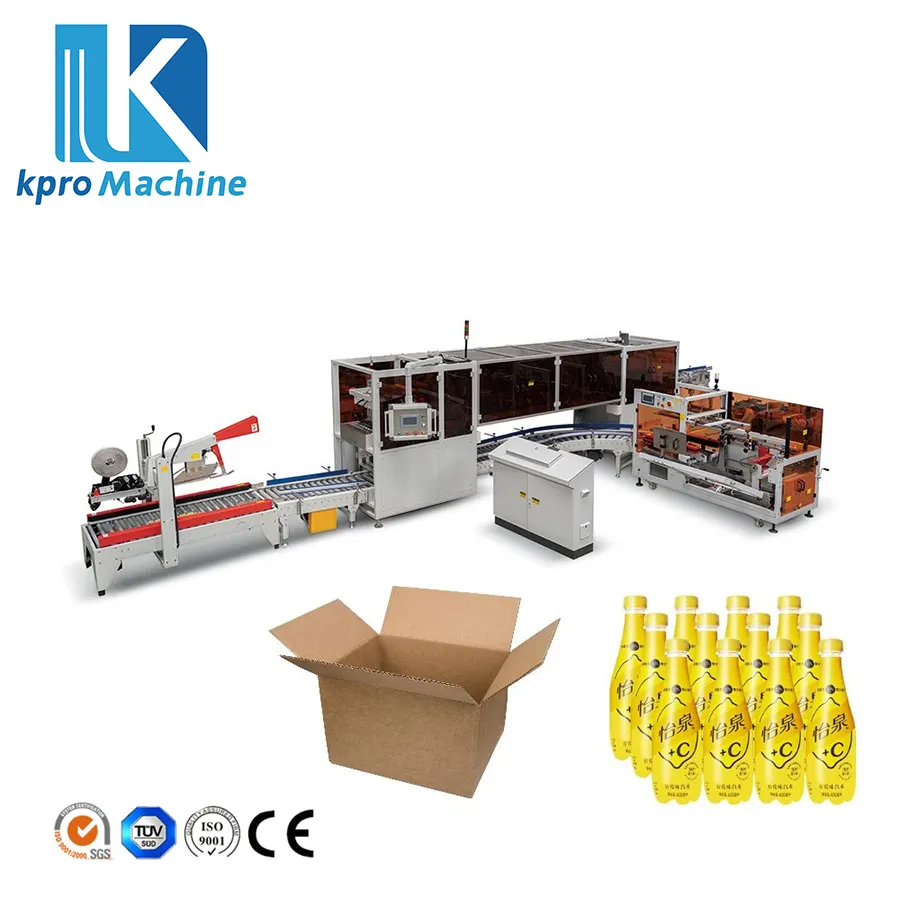
The modern beverage and water industry faces constant pressure to improve efficiency, reduce costs, and maintain product quality. One of the most significant decisions manufacturers face is choosing between a packaging machine and traditional manual or semi-automated packaging methods. This choice fundamentally shapes production capacity, operational costs, workforce requirements, and competitive positioning. Understanding how a packaging machine compares to conventional approaches is essential for any facility looking to optimize its packaging operations and stay ahead in an increasingly competitive market.
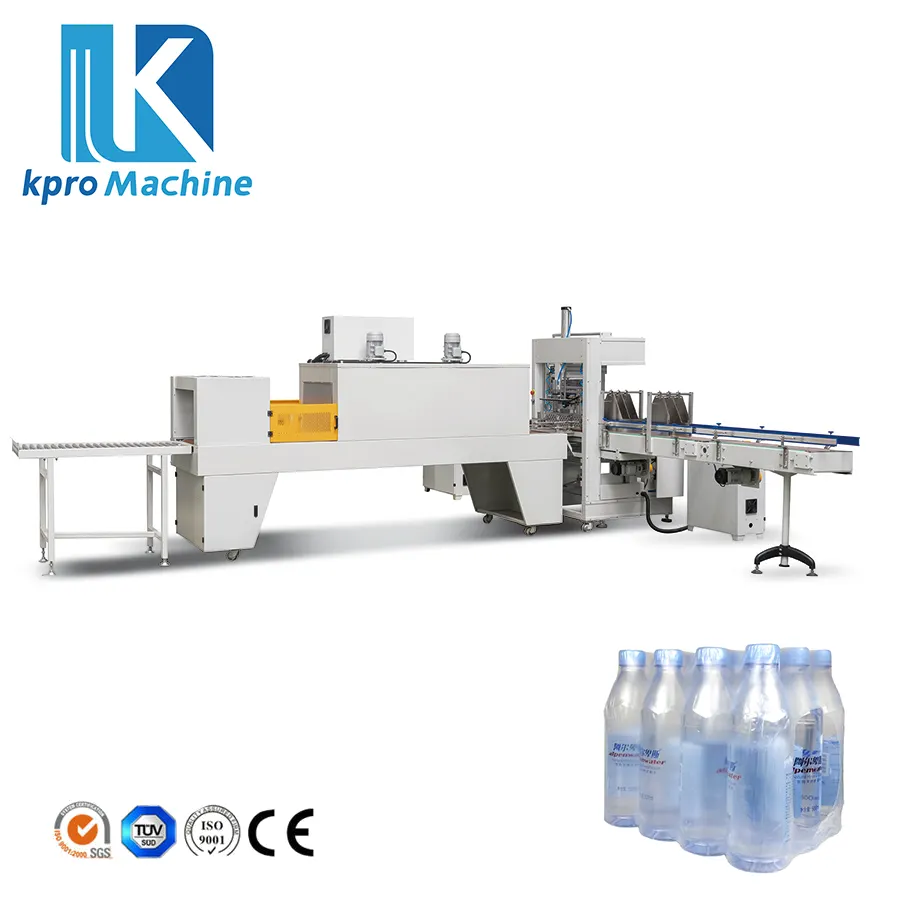
A packaging machine represents a technological shift toward automation, speed, and consistency that traditional packaging methods simply cannot match. Whether you operate a small water bottling facility or a large-scale beverage production plant, the decision between investing in a modern packaging machine and relying on traditional techniques carries substantial long-term implications. This guide examines the real differences, practical advantages, and implementation considerations so you can make an informed choice aligned with your business goals.
Production Speed and Capacity Advantages of a Packaging Machine
Output Volume and Throughput Performance
Traditional packaging methods rely on manual labor, semi-automated equipment, or a combination of both, which inherently limits output. Workers can package only so many units per hour, and fatigue, breaks, and human variability reduce consistency. In contrast, a modern packaging machine operates continuously at high speeds, often processing hundreds or thousands of units per hour depending on the specific model and product type. A packaging machine designed for water bottles can typically achieve speeds of 100 to 500 bottles per minute, far exceeding what manual teams could accomplish. This dramatic capacity increase means a single packaging machine can replace multiple manual workstations, allowing facilities to scale production without proportionally expanding headcount.
Consistency and Quality Assurance
Manual packaging introduces human variability that affects product presentation and safety. Workers may seal bottles at slightly different pressures, apply inconsistent labeling, or make occasional errors that escape detection until customers encounter problems. A packaging machine delivers uniform results every cycle. Seal pressure, application timing, and positioning remain constant, reducing defect rates and product returns. Quality control becomes predictable, and traceability improves because automated systems log production data automatically. For water and beverage products where consumer safety and brand reputation depend on consistent quality, the reliability of a packaging machine provides measurable risk reduction that traditional methods cannot guarantee.
Cost Structure and Return on Investment
Initial Capital and Operational Expenses
The primary concern about adopting a packaging machine is upfront cost. A modern packaging machine requires significant capital investment compared to hiring additional staff. However, this comparison often overlooks total cost of ownership. Traditional packaging methods incur ongoing labor expenses, benefits, training, turnover, and management overhead that compound over time. A packaging machine has a fixed capital cost and lower per-unit operating costs after installation. Maintenance and spare parts represent predictable expenses that industrial suppliers and manufacturers support reliably. When calculating payback period, most facilities discover that a packaging machine recovers its investment within 18 to 36 months through labor savings and increased output alone, then generates profit for years beyond.
Scalability and Future-Proofing
Traditional packaging methods struggle to scale efficiently. Doubling output requires hiring and training twice as many workers, managing twice the payroll complexity, and finding floor space for additional workstations. A packaging machine grows your capacity without linear labor cost increases. If demand surges, a single packaging machine can often accommodate higher volumes through modest speed adjustments or extended shifts. This flexibility makes a packaging machine a strategic asset that protects against demand uncertainty and competitive pressure. Many manufacturers find that investing in a packaging machine early positions them to capture market opportunities that labor-dependent competitors cannot match quickly.
Operational Control and Customization
Flexibility and Product Format Adaptation
Modern packaging machines offer sophisticated controls that allow operators to adjust for different product types, container sizes, and packaging formats without complete equipment replacement. A packaging machine can switch between 500ml bottles, 1-liter bottles, or bulk containers within minutes by adjusting parameters and swapping modular components. Traditional methods require complete restocking of materials and manual process redesign, consuming time and introducing error risk. This modularity means a single packaging machine can serve multiple product lines, maximizing facility utilization and return on capital. Operators gain real-time visibility into production metrics, downtime, and adjustments through integrated control systems that traditional methods lack entirely.
Data Integration and Predictive Maintenance
Advanced packaging machines now include sensors, data logging, and connectivity features that feed production intelligence into facility management systems. This visibility enables predictive maintenance, allowing facilities to schedule service before failures occur, minimizing unplanned downtime. Traditional methods generate no actionable data and depend on reactive problem-solving. A packaging machine equipped with monitoring systems reduces emergency repairs, extends equipment life, and improves production planning accuracy. For operations where downtime directly impacts customer commitments, the intelligence and predictability provided by a modern packaging machine justify the technology investment alone.
Workforce and Operational Considerations
Labor Redeployment and Skill Evolution
Implementing a packaging machine does not eliminate jobs; it transforms them. Rather than repetitive manual packaging, workers transition into roles requiring higher skill and judgment. Equipment operators monitor the packaging machine, perform maintenance, troubleshoot issues, and manage quality assurance. These positions typically offer better pay, career development, and job satisfaction than pure manual labor. Facilities that successfully adopt a packaging machine often report lower turnover, higher employee engagement, and easier recruitment of skilled technicians. The narrative that automation eliminates employment misses the reality that it shifts labor toward more valuable, sustainable roles within modern manufacturing environments.
Compliance and Safety Standards
Food and beverage packaging faces strict regulatory requirements regarding hygiene, traceability, and safety. A packaging machine meets stringent sanitary design standards, integrates seamlessly with facility-wide compliance systems, and generates audit trails that regulatory agencies expect. Manual or semi-automated traditional methods create compliance documentation gaps and hygiene risks. A modern packaging machine simplifies regulatory adherence, reduces audit findings, and protects against recalls or safety violations that could damage brand reputation and operational continuity. For operations in regulated industries, compliance alone often justifies investing in a packaging machine over traditional approaches.
FAQ
How long does a packaging machine typically last before requiring replacement?
A well-maintained packaging machine typically operates reliably for 10 to 15 years or longer. Manufacturers provide spare parts, technical support, and upgrade options throughout this lifespan. Proper maintenance, operator training, and preventive service extend equipment life significantly. When a packaging machine eventually requires replacement, the operational data and process knowledge accumulated make the transition to newer technology straightforward. Traditional methods offer no equivalent depreciation timeline because they depend on continuous labor availability rather than equipment replacement cycles.
Can a small water bottling facility benefit from a packaging machine?
Yes, small operations benefit substantially from a packaging machine scaled to their volume. Compact, entry-level models exist specifically for smaller producers, offering faster return on investment than large-scale machines because they require lower capital outlay. A packaging machine enables small facilities to compete on consistency and efficiency with larger competitors, capturing market share based on quality and reliability rather than just price. Many successful small water brands grew by investing early in a packaging machine, which allowed them to scale systematically as demand increased.
What happens to a packaging machine when product specifications change?
Modern packaging machines include adjustable settings, modular components, and tooling kits that accommodate specification changes quickly. Switching container size, label type, or seal configuration typically requires parameter adjustments and component swaps accomplished in minutes to hours, not days. This adaptability means a packaging machine serves multiple products and evolving market demands without substantial downtime. Traditional methods require manual retraining and process restructuring that consumes significantly more time and introduces higher error risk during transitions.