 EN
EN
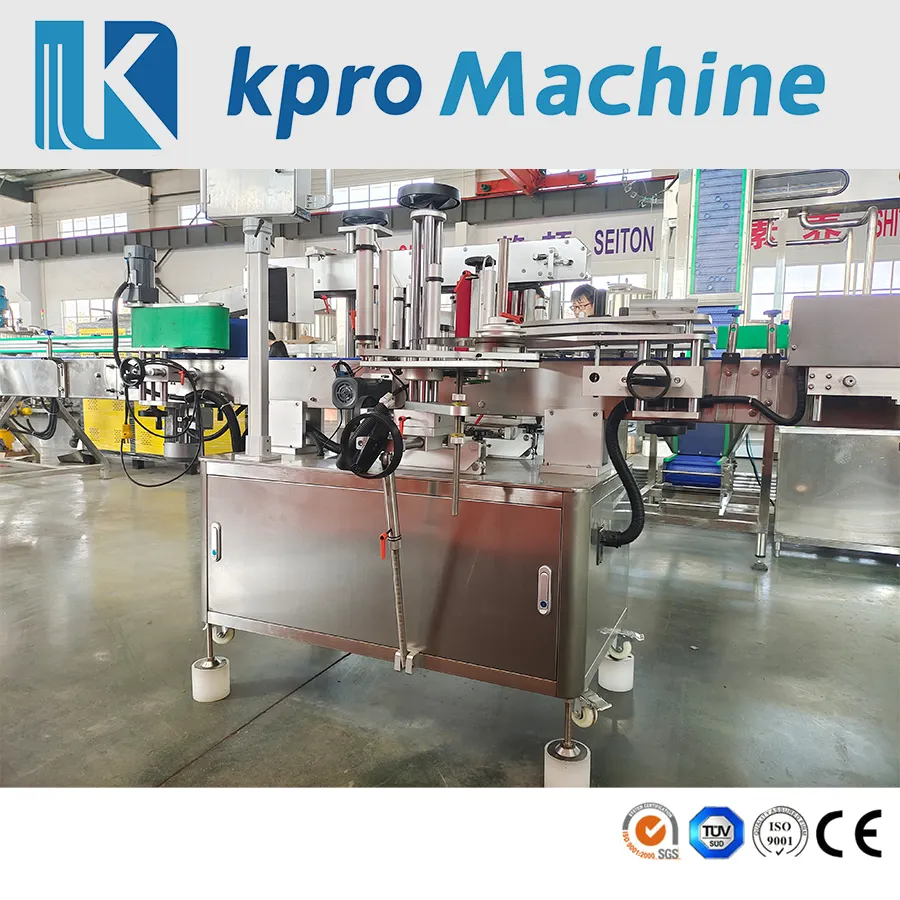
Match Bottle Labeling Machine to Container Shape and Material
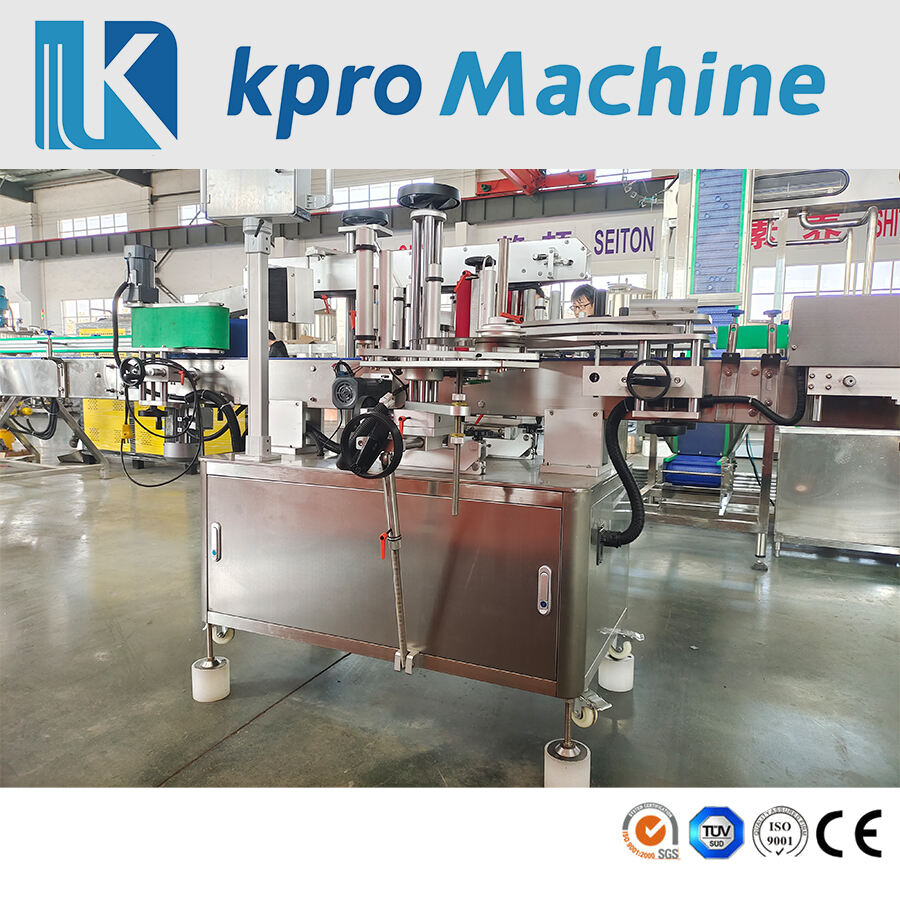
Handling diverse bottle geometries: round, square, flat, hexagonal, and irregular shapes
When it comes to picking out a bottle labeling machine, the first thing manufacturers need to look at is how containers actually look. Regular shapes like those round soda bottles we see everywhere or the square glass bottles used for spirits can usually be managed pretty well with adjustable conveyor belts and grippers controlled by servos. But things get tricky when dealing with weird shapes. Think about those tiny cosmetic dropper bottles, the fancy tapered perfume flacons, or those hexagonal fragrance bottles that look so elegant on display but are nightmare to label properly. These require special applicator heads and rollers shaped just right to keep labels from getting messed up. The real magic happens in the engineering department where they make sure the labels stay tight and smooth without any wrinkles forming on those curvy or lopsided surfaces. And don't forget about speed either. Good quality machines can place labels within about 1mm accuracy across every type of bottle profile, even when running at full tilt through production lines.
Material compatibility: glass, PET, HDPE, and aluminum — impact on label adhesion and machine grip stability
What kind of container we're dealing with really impacts how well the adhesive works and how we handle things mechanically. Glass is tricky stuff because it needs just the right amount of pressure applied during labeling to prevent tiny cracks from forming, yet still let the adhesive get deep enough into those microscopic pores. PET plastic presents another challenge altogether since it's so elastic. We need applicators that can bend with the material without either stretching out of shape or knocking labels off course. HDPE containers are particularly stubborn when it comes to sticking labels on them due to their naturally low surface energy. Most times we have to treat these surfaces with corona discharge first or use special adhesives designed specifically for such materials according to ASTM D3330 testing requirements. Aluminum containers throw yet another variable into the mix thanks to their heat conducting properties which mess with how fast hot melt glues cure. That means our dispensing equipment has to maintain stable temperatures throughout operation. For keeping everything aligned properly during labeling, especially with smooth or lightweight containers that tend to slip around, vacuum grippers or servo controlled clamps work best. These tools grab hold securely without deforming the container shape, something absolutely necessary for proper label placement across different production runs.
Select Based on Label Type, Placement Accuracy, and Application Method
Label material and application compatibility: self-adhesive, hot melt, wet glue, foil, transparent, and tamper-evident options
The kind of label being used plays a major role in what sort of machinery needs to be configured for production. When dealing with self adhesive labels, machines need those special peel and apply mechanisms that control tension just right while also having those static dissipative rollers so nothing curls up or sticks where it shouldn't. Hot melt systems are different story altogether requiring those integrated glue tanks that maintain specific temperatures plus nozzles that meet those UL 61010 safety standards everyone keeps talking about. For wet glue applications, getting consistent coating across rollers matters a lot, along with optimizing how long materials sit there developing enough tack before they actually make contact. Foil and metallized labels are particularly sensitive things needing careful handling throughout their journey through the machine to prevent any creases forming or layers separating off. Transparent films present another challenge entirely since bubbles simply won't do, which means going for vacuum assisted tamp blow systems or blow on setups with real time air evacuation monitoring built in. And let's not forget about tamper evident seals that must maintain constant application pressure throughout while verifying seal integrity using those inline pressure sensors we all know and love. When there's a mismatch between what the label needs and what the machine can deliver, manufacturers often end up seeing rejection rates climb past 15% in setups that haven't been properly optimized yet.
Precision labeling systems: ±1mm positioning tolerance, vision-guided registration, and alignment consistency for brand integrity
Vision guided labeling systems can achieve around 1mm accuracy when they pair high res industrial cameras with motion compensation tech that works in real time. The system looks for things like how the bottle is positioned, special reference points called fiducials, or other physical characteristics before making adjustments to where labels get placed. This helps compensate for problems like conveyor belt drift, angle shifts, or changes in line speed. Getting labels aligned consistently matters a lot for brand image throughout different production batches. Misaligned labels actually rank among the top three reasons customers return products, especially in upscale drinks and beauty product markets according to NielsenIQ data from last year. When everything is fully integrated, these systems coordinate camera activation, motor controls, and label application timing so they maintain precision even when running over 200 bottles per minute. This setup cuts down on needing people to fix mistakes manually and makes it easier to implement automatic quality checks throughout the process.
Scale Automation Level to Production Volume and Line Integration Needs
When matching automation levels to real production volumes, companies can avoid those pesky bottlenecks while getting better returns on their labor investments. For smaller operations that run at low volume but deal with lots of product variations (say under 5,000 bottles daily), semi-automatic equipment works best. These machines come with quick changeover features and modular labeling stations that let operators switch formats fast without needing engineers standing by. On the flip side, large scale facilities producing over 20,000 units each day need full automation setups. These include PLC/HMI controls, robots for handling products, and systems that monitor performance continuously. Such setups cut down on manual work by roughly two thirds to four fifths and keep production running smoothly at speeds exceeding 150 bottles every minute. Getting the labeling system to work properly with filling machines upstream and capping stations downstream is absolutely essential. Standard communication protocols like EtherNet/IP and Modbus TCP help here, along with good old mechanical conveyor connections. Without proper integration, things get messy with jammed lines or mismatched speeds. The modular design approach lets businesses expand their capacity gradually as market demands grow, which makes sense financially in the long run rather than investing everything upfront.
Evaluate Total Cost of Ownership, Reliability, and Compliance Requirements
ROI-driven decision framework: upfront cost vs. maintenance, changeover speed, uptime reliability, and vendor support
When choosing equipment, looking at total cost of ownership (TCO) matters more than just what something costs upfront. Sure, the purchase price is clear enough, but all sorts of hidden expenses tend to pile up over time. Think about unexpected downtime, extra maintenance work, and wasted materials during changeovers. These costs can actually end up being the biggest part of what something really costs in the long run. The Ponemon Institute released their 2023 report on industrial equipment reliability last year, and it showed something pretty shocking. On average, manufacturing lines are losing around seven hundred forty thousand dollars each year because machines break down. That makes having reliable equipment that stays running when needed absolutely critical for getting good returns on investment. Top quality labeling systems typically stay operational about 95 percent of the time even when running at full speed continuously. Some important factors that affect TCO are:
Validate Bottle Labeling Machine Performance Across Key Industries
Industry-Specific Demands: Beverage, Pharmaceutical, Food, Cosmetics, and Daily Chemical Labeling Standards and Regulatory Compliance (FDA, GMP, ISO)
Getting validation right means matching it up with what each industry actually needs. For beverage makers, labels need to stick smoothly on those curved bottles moving along production lines at breakneck speeds of over 30,000 bottles per hour. They check this using ASTM D3359 tests for how well labels adhere after being scratched, plus continuous visual checks during manufacturing. Pharmaceutical companies face different challenges entirely. Their operations are governed by tough FDA regulations like 21 CFR Part 11 and Good Manufacturing Practices. Even small issues matter here - if a label shifts just 1mm from where it should be, that can lead to expensive product recalls running into hundreds of thousands of dollars according to recent FDA reports. Food processors and household chemical manufacturers care deeply about labels staying put when exposed to water, chemicals, and rough handling. They look at things like how strong the bond is between label and container surface (ASTM D882 measures this), whether they resist damage from cleaning agents, and if barcodes remain readable despite being rubbed or bumped around. Cosmetic companies have their own special concerns too. When working with clear or patterned materials, getting those edges aligned precisely becomes critical. Automated cameras now measure these tiny gaps against international standards like ISO/IEC 15415 to ensure everything looks perfect. And across all these sectors, meeting quality standards such as ISO 9001, food safety requirements under ISO 22000, or medical device specs from ISO 13485 means building smart inspection systems right into the process itself.
- Tamper-evident seal continuity
- Batch/lot code readability (per ISO/IEC 15416)
- Regulatory text positioning compliance (e.g., FDA 21 CFR 101.9 for nutrition facts)
Failure to validate against these requirements exposes operations to non-compliance penalties averaging 4% of annual revenue in regulated markets—making pre-deployment validation not optional, but foundational.
FAQ
How do bottle shapes affect the choice of a labeling machine?
Unusual bottle shapes may require specialized applicator heads and rollers to prevent label misplacement or wrinkling.
Why is container material important in the labeling process?
Different materials like glass, PET, and HDPE interact differently with adhesives and require different handling mechanisms.
What factors should be considered for label type selection?
The label type dictates the configuration needed for application, such as self-adhesive, hot melt, or wet glue.
How does automation level impact production efficiency?
The level of automation should match the production volume to optimize efficiency and reduce bottlenecks.
What is the significance of total cost of ownership (TCO) in equipment selection?
TCO includes hidden costs like maintenance and downtime, which can greatly affect long-term financial outcomes.
Table of Contents
- Match Bottle Labeling Machine to Container Shape and Material
- Select Based on Label Type, Placement Accuracy, and Application Method
- Scale Automation Level to Production Volume and Line Integration Needs
- Evaluate Total Cost of Ownership, Reliability, and Compliance Requirements
- Validate Bottle Labeling Machine Performance Across Key Industries
- FAQ