 EN
EN
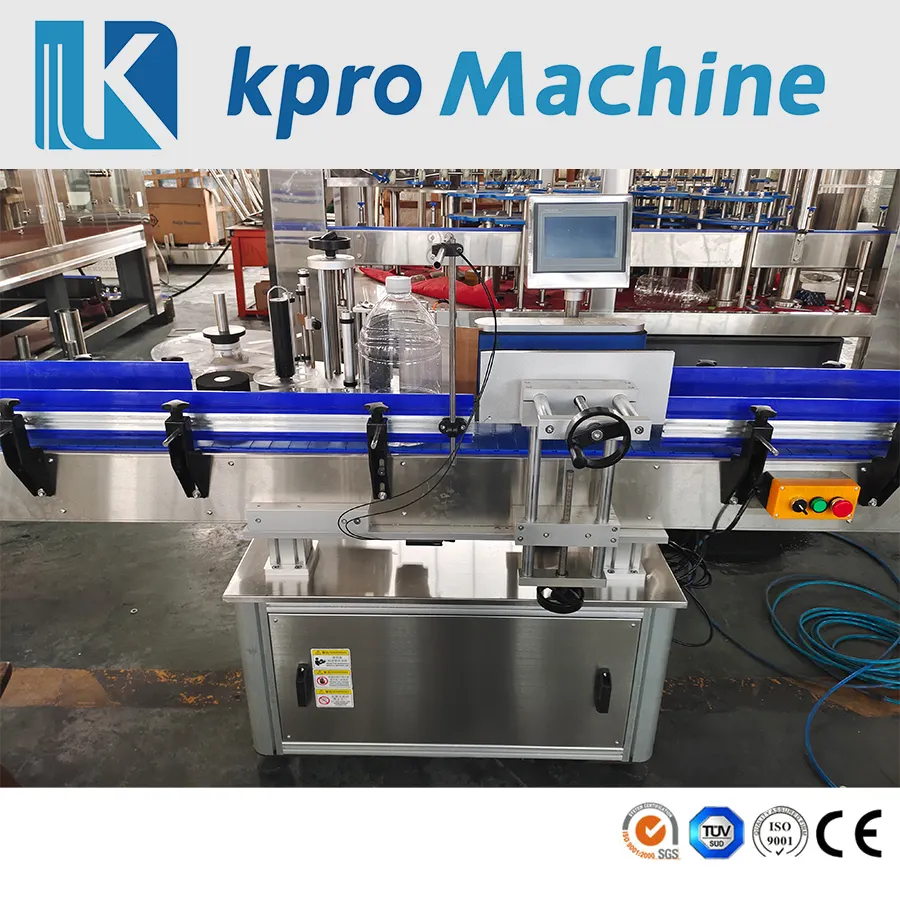
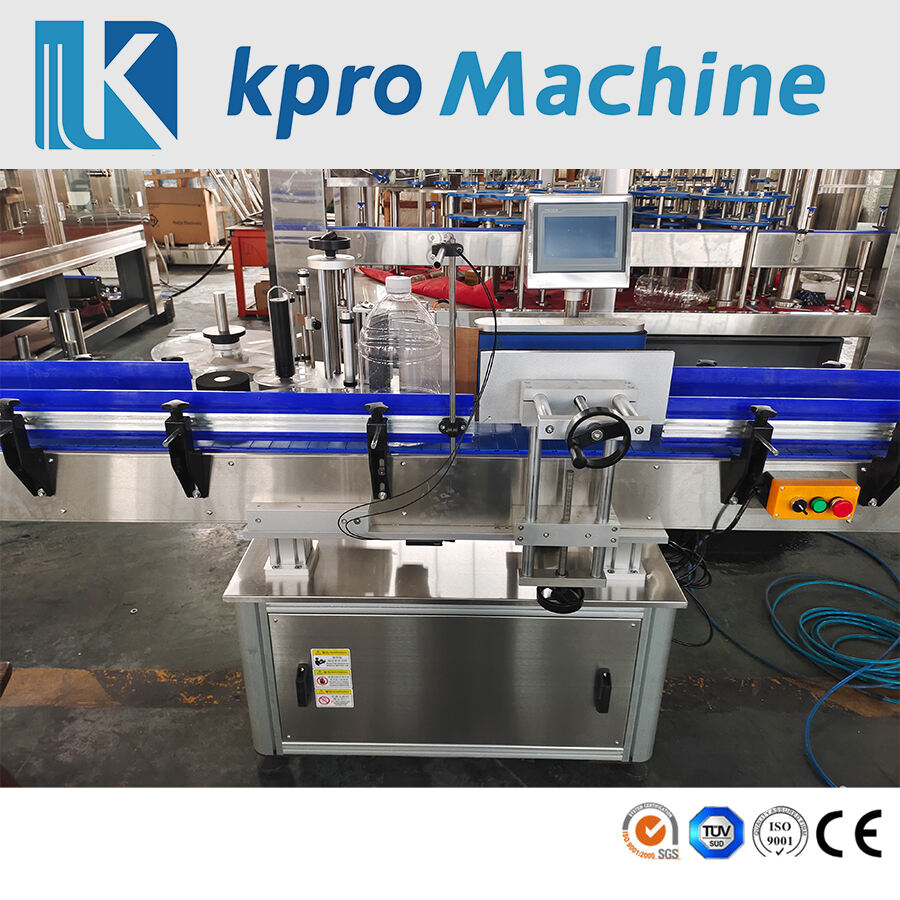
Accelerating Production: Time Savings with Automatic Bottle Labeling Machines
Bottleneck Elimination in High-Volume Lines
When done manually, labeling usually tops out around 20 to 30 bottles each minute, which creates major slowdowns in facilities running at full capacity. Automatic labeling systems tell a different story altogether, capable of handling up to 300 containers per minute, roughly ten times faster than what human workers can manage. With this boost in speed, there's no longer waiting lines forming at the label application area. The whole process flows smoothly alongside the filling and capping stations further back on the production line. Unlike manual operations that start and stop repeatedly, automated systems maintain steady movement throughout the facility. This not only makes better use of available space but also cuts down on mistakes caused by tired workers who might misalign labels or drop bottles entirely. Such issues become particularly problematic in sectors like pharmaceuticals and soft drinks, where even small delays mean lost profits since these companies operate on tight schedules. Most importantly, these machines work right with current conveyor setups, so when orders spike unexpectedly, manufacturers can scale production quickly without having to rearrange their entire plant floor or hire extra staff.
Precision Motion Control and Cycle Time Reduction
Motion control powered by servos can reduce cycle times over 60% thanks to three main features working together. First there's real time compensation using those photoelectric sensors we all know about now. Then comes the conveyor tracking system that keeps everything moving smoothly even when speeds change. And finally, the robots follow paths that just make sense, cutting down on unnecessary travel distances. What these systems do is get rid of those tiny pauses that happen during manual operations. Think about it: nobody wants to spend extra time repositioning bottles or fixing alignment issues. Each container saves around 2 or maybe 3 seconds this way. When combined with fewer production stops because labels stay straight instead of getting messed up, factories see much better uptime overall. The newer advanced versions have memory presets too, which means changing between different product types takes way less time than before. Instead of waiting hours for setup changes, operators can switch things around in just minutes. This helps manufacturers respond quickly to whatever happens with customer orders while still keeping output steady.
Cutting Labor Costs Through Bottle Labeling Machine Automation
Labor Role Transformation: From Manual Application to System Oversight
When companies automate their labeling processes, workers no longer spend hours sticking labels on products but instead focus on running machines, checking product quality, and dealing with problems as they come up. The shift typically cuts down on how many people are needed for just labeling tasks by around 30%, according to recent industry research. Take one big soft drink company for example they moved about seven out of ten members from their labeling crew into roles managing stock levels and working on new product development. This change not only made each worker more valuable to the bottom line but also helped reduce those costly overtime paychecks and saved money that would have gone toward training replacement staff for manual labeling jobs.
ROI Analysis: Wage Arbitrage, OEE Gains, and Payback Timeline
Return on investment comes down to three main factors working together wage savings, better Overall Equipment Effectiveness or OEE for short, and faster payback times. Companies often see around 20 to 45 percent drop in operating costs just from labor savings alone. At the same time, getting rid of those pesky manual errors can boost equipment effectiveness by anywhere between 15 and 30 percent according to PMMI research from last year, mainly because machines stay running longer without interruptions. Most businesses find their investments start paying off within six to eighteen months. Take cosmetics makers for instance many reach break even point after twelve months when they combine reduced labor expenses with an extra 20 percent increase in production speed. What really helps speed things up though are these modular system designs that cut down on lost time when switching between different product lines or SKUs.
Boosting Accuracy and Scalability for Sustainable Efficiency
Vision-Guided Label Placement Eliminates Rework and Waste
Modern machine vision systems check label positions with incredible accuracy, keeping them within just 0.3mm of where they should be. This has slashed misalignment problems down to about 1% compared to what we saw with manual checks. The real money saver comes from getting things right the first time around. We used to waste roughly 15% of all labels due to mistakes needing fixing later. With these systems in place, companies cut their yearly material waste by nearly a quarter. For curved bottles and shrink sleeve applications, the consistent performance means no more unexpected line stops. These interruptions can drain production budgets at an alarming rate - some plants lose close to $740,000 every single hour when lines halt (Ponemon Institute data from last year). Plus, built-in defect detection spots issues like wrinkled labels or trapped air bubbles as soon as they happen, so corrections can be made automatically without waiting for someone to notice something's wrong.
Modular Bottle Labeling Machine Design Enables SKU Flexibility and Line Balancing
Components that can be swapped out let operators reconfigure systems within about ten minutes for different container sizes ranging from small 50ml vials all the way up to large 5 gallon jugs. The modular design really speeds things up when changing between stock keeping units, cutting down changeover time dramatically from around 45 minutes to less than five. It also enables better balancing of production lines through connections with both upstream and downstream processes. Companies can scale their capacity incrementally simply by adding more labeling heads as needed. All this adds up to roughly 30 percent better use of existing assets, which means manufacturers can handle those unpredictable seasonal surges in demand without having to spend money on brand new machinery.
FAQs
What are the benefits of using automatic bottle labeling machines?
Automatic bottle labeling machines significantly increase labeling speed, reduce labor costs, and minimize errors. They can handle up to 300 containers per minute and integrate seamlessly with existing conveyor setups.
How do automatic labeling machines impact labor costs?
By automating the labeling process, companies can reduce the number of employees needed for this task by around 30%, leading to substantial labor cost savings.
How quickly can companies expect a return on investment from automatic labeling machines?
Most businesses see a return on their investment within six to eighteen months due to savings on labor and increased production speed.
How do machine vision systems improve label accuracy?
Machine vision systems ensure precise label placement by checking positions with a high accuracy of 0.3mm, reducing misalignment issues significantly.