 EN


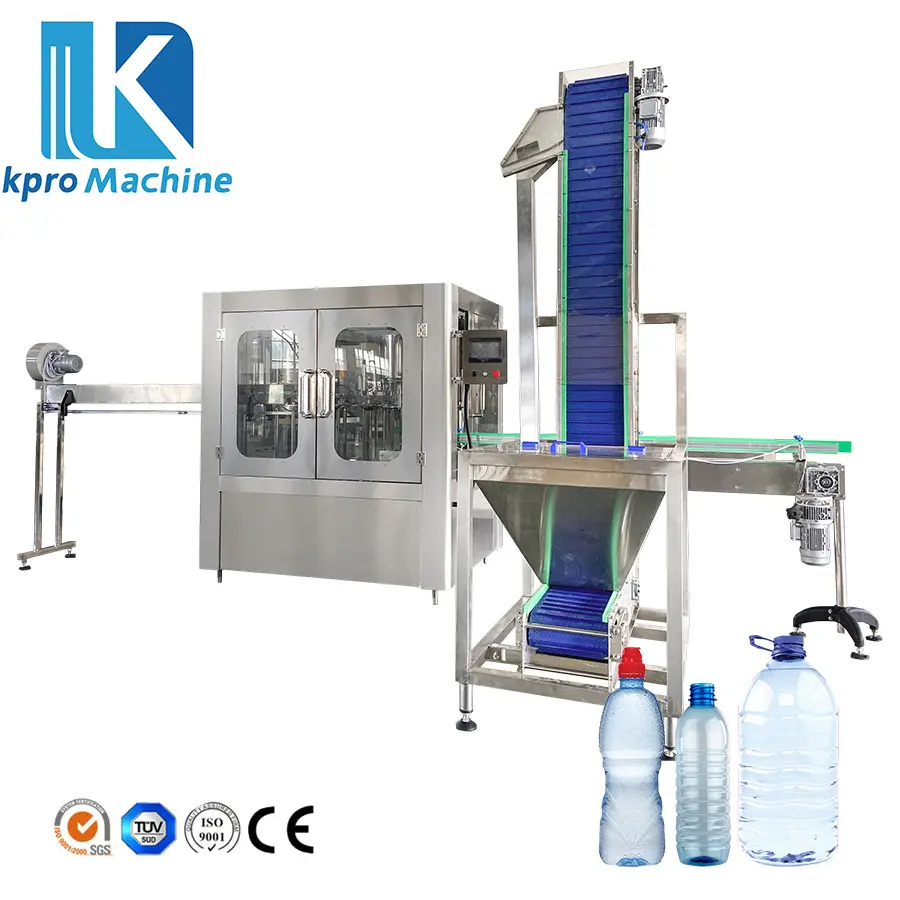
Maintaining your water filling machine is essential for ensuring product quality, operational efficiency, and regulatory compliance. A well-maintained water filling machine prevents contamination, extends equipment lifespan, and reduces unexpected downtime that can disrupt production schedules. In bottled water and beverage industries, hygiene standards are non-negotiable, and your water filling machine directly impacts the safety and purity of every product that leaves your facility. Regular maintenance of your water filling machine isn't just about cleaning—it's about protecting your brand reputation and meeting stringent industry standards.

Your water filling machine encounters numerous potential contamination points during daily operation, from intake valves to filling nozzles and sealing mechanisms. Without consistent cleaning protocols, mineral deposits, biofilm, and residual particles accumulate, compromising water quality and increasing microbial risk. This comprehensive guide walks you through the critical maintenance steps that keep your water filling machine performing at peak efficiency while maintaining the highest hygiene standards.
Daily Cleaning Protocols for Your Water Filling Machine
Immediate Post-Production Shutdown Procedures
Immediately after production ends, flush your water filling machine with clean water to remove product residue and prevent bacterial growth overnight. This critical step prevents biofilm formation in the filling chamber and nozzles. Allow the water filling machine to drain completely, then use compressed air to clear remaining moisture from internal passages. Never leave standing water in your water filling machine between production runs, as stagnant water becomes a breeding ground for harmful microorganisms.
Nozzle and Valve Inspection
Inspect all filling nozzles and control valves on your water filling machine for visible deposits or discoloration. Use soft brushes and food-grade cleaning solutions to gently remove buildup without damaging precision components. Your water filling machine's accuracy depends on clean, properly functioning nozzles, so this daily inspection prevents both hygiene issues and dispensing errors. Check that all moving parts operate smoothly and that no mineral scaling restricts flow.
Weekly Deep Cleaning of Your Water Filling Machine
Disassembly and Component Sanitization
Once weekly, perform a thorough disassembly of all removable components on your water filling machine that contact water. Soak fill heads, valve seats, and inlet screens in a food-safe sanitizing solution for at least thirty minutes. Your water filling machine's removable parts are the primary contamination pathways, so meticulous cleaning here pays direct dividends in product safety. Use non-abrasive brushes to avoid scratching surfaces where bacteria can hide.
System Flushing with Approved Sanitizers
Run your water filling machine through a complete sanitization cycle using approved food-industry cleaning agents. Circulate the sanitizing solution through the entire system including intake lines, internal passages, and all outlets. Allow the water filling machine to sit with sanitizer for a minimum of fifteen minutes, then flush thoroughly with purified water until no chemical residue remains. This prevents microbial contamination that visual inspection alone cannot detect in your water filling machine.
Monthly Preventive Maintenance for Your Water Filling Machine
Seal and Gasket Evaluation
Monthly inspection of all seals and gaskets in your water filling machine is critical because deteriorated seals allow contamination pathways. Replace any seals showing visible wear, cracking, or permanent deformation on your water filling machine. Worn seals compromise the sterile integrity of your water filling machine even if other components appear clean. Keep detailed records of seal replacements to predict future maintenance needs.
Filter and Membrane Testing
Test water quality at your water filling machine's output point to verify that inlet filters and any integrated purification membranes remain effective. Cloudy output or increased particle counts indicate that your water filling machine's filtration system requires replacement. Regular water testing catches contamination risks before they reach final product. Most quality control standards require monthly water testing from your water filling machine's output line.
Quarterly and Annual Maintenance Schedules
Professional Equipment Calibration
Every three months, have a qualified technician calibrate your water filling machine's volume dispensing accuracy and pressure systems. Calibration drift in your water filling machine leads to underfilled or overfilled containers, both of which create regulatory and quality issues. Calibration certificates provide regulatory evidence of your water filling machine's continued compliance with industry standards. Professional maintenance of your water filling machine also identifies emerging wear patterns before catastrophic failure occurs.
Complete System Overhaul
Annually, conduct a comprehensive overhaul of your water filling machine that includes replacement of all wear components, internal system cleaning, and complete recalibration. This annual service for your water filling machine prevents the accumulation of undetected degradation that leads to product quality issues. During annual maintenance, your water filling machine undergoes inspection of all structural components, pump efficiency, and pressure regulation systems. This investment in your water filling machine prevents expensive emergency repairs and ensures consistent output quality.
Documentation and Compliance Tracking
Maintenance Record Keeping
Maintain detailed logs documenting every cleaning and maintenance activity performed on your water filling machine, including dates, procedures, and personnel involved. Your water filling machine records provide evidence of compliance with food safety regulations and demonstrate due diligence during audits. These records also reveal maintenance patterns that help predict optimal replacement intervals for your water filling machine components. Regulatory inspectors specifically request maintenance documentation for your water filling machine.
Traceability and Regulatory Alignment
Ensure your water filling machine maintenance schedules align with HACCP principles and relevant food safety certifications for your region. Your water filling machine must meet FDA, ISO, or local water quality standards depending on your jurisdiction. Maintenance protocols for your water filling machine should directly reference these standards in your documentation. A water filling machine compliant with standards requires consistent proof of proper maintenance.
FAQ
How often should I clean my water filling machine?
Daily flushing and nozzle inspection are minimum requirements, while weekly deep disassembly and sanitization maintain optimal hygiene in your water filling machine. Your water filling machine may require more frequent cleaning if your facility operates multiple shifts or processes products with higher contamination risk. Monthly water testing and quarterly professional calibration create a comprehensive maintenance rhythm for your water filling machine.
What sanitizing products are safe for my water filling machine?
Only use food-grade sanitizers approved by FDA or equivalent regulatory bodies in your water filling machine. Your water filling machine manufacturer's guidelines specify approved cleaning agents that won't corrode stainless steel or damage internal seals. Never use bleach or harsh chemicals that can damage your water filling machine's components and leave residue in the final product. Always rinse thoroughly after sanitizing your water filling machine with purified water.
How do I know if my water filling machine needs repair?
Inconsistent fill volumes, visible leaks, strange noises, or discolored output water indicate your water filling machine requires professional inspection. Performance changes in your water filling machine's speed, pressure readings, or fill accuracy suggest internal wear requiring technician evaluation. Don't delay repairs on your water filling machine—minor issues develop into major failures that disrupt production. Regular maintenance catches problems early before your water filling machine fails completely.