 EN
EN
Evaluate Facility Readiness for Oil Filling Machine Integration
Space, Power, Compressed Air, and Sanitation Requirements
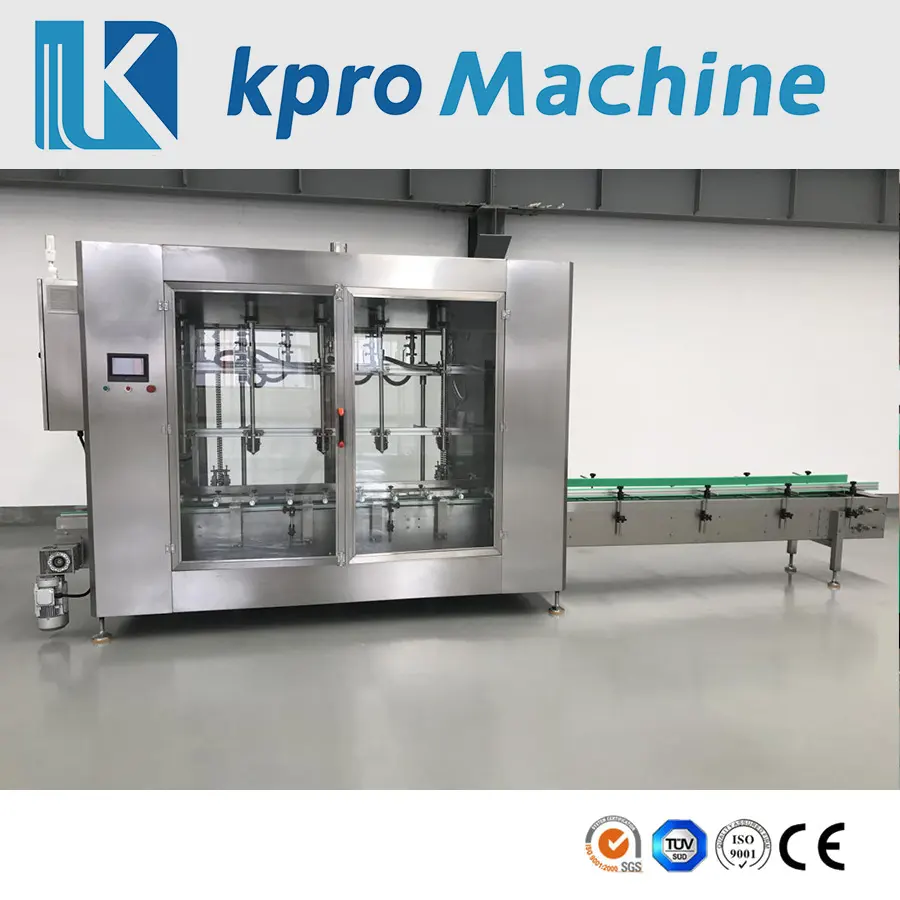
When bringing in an oil filling machine, make sure the facility can actually handle what's needed operationally. Check if there's enough floor space for the equipment itself plus at least one meter around it on every side so maintenance work isn't impossible later. Also need to confirm that three phase power is available at the right voltage level for the machine, usually somewhere between 380 volts and 480 volts. The compressed air system has to push out at least 90 pounds per square inch while keeping moisture filtered out properly, otherwise those pneumatic valves will start failing prematurely. If working with edible oils specifically, then stainless steel construction matters a lot here either SS304 or better yet SS316 grade metal, plus the whole setup needs to work with Clean-in-Place technology. Packaging engineers report that when facilities don't have proper utilities set up from day one, about 23 percent of all production delays end up happening because of these basic oversights.
FDA and EHEDG Compliance for Edible Oil and Food-Grade Applications
Following FDA 21 CFR Part 110 along with EHEDG guidelines isn't just recommended it's absolutely required for anyone dealing with food grade oil filling operations. When selecting machinery, look for designs that have no hidden crevices where bacteria might hide, plus surfaces that are electropolished down to Ra values below 0.8 microns. Also check if the seals carry NSF certification since this helps prevent microbes from taking up residence. Material compatibility matters too. EPDM gaskets work well against vegetable oils but will break down over time when coming into contact with essential oils or those derived from citrus fruits. Companies that ignore these requirements face serious financial consequences. According to Ponemon Institute data from 2023, product recalls typically cost around 740 thousand dollars. That's why top manufacturers often bring in independent auditors to verify their equipment actually complies with all these regulations before they even start installing anything on site.
Select and Configure the Right Oil Filling Machine for Your Line
Matching Viscosity Handling, Material Compatibility, and Fill Accuracy to Your Oil Products
The thickness of oil plays a big role when choosing machinery for processing. Light oils such as vegetable or sunflower oil (around 200 cP or less) tend to move through equipment naturally and work well with simple gravity feed systems. On the other hand, heavier oils like castor oil, silicone-based products, or industrial gear lubricants (typically above 500 cP) need special pumping solutions like pistons or peristaltic pumps to keep things flowing consistently. Most manufacturers go for stainless steel parts (either SS304 or SS316 grades) because they resist rust and meet those important food safety standards set by organizations like the FDA and EHEDG. When dealing with premium oils that come at a higher price tag, such as truffle oil blends or CBD infused products, getting fill levels right matters a lot. The target here is usually plus or minus half a percent accuracy, which most operators achieve through load cells or properly calibrated flow meters. Getting this wrong costs money in wasted product and can land companies in hot water legally too. Industry reports suggest businesses lose around $740,000 every year due to inaccurate measurements leading to product recalls and penalties from regulators according to research published by Ponemon Institute back in 2023.
Choosing Between Piston, Gravity, or Peristaltic Designs for Optimal Oil Filling Performance
Selecting the optimal filling mechanism hinges on oil properties and throughput:
| Design Type | Best For | Accuracy | Speed |
|---|---|---|---|
| Piston | High-viscosity oils (≥500 cP) | ±0.5% | Moderate |
| Gravity | Thin oils (≤200 cP) | ±1% | High |
| Peristaltic | Sensitive/flavored oils | ±0.3% | Low-Moderate |
When dealing with viscous materials, piston fillers tend to perform well, although operators need to keep a close eye on those seals since they wear out pretty quickly. Gravity feed systems work great on fast production lines, but anyone who's tried them knows they struggle when the product consistency changes even slightly. Peristaltic pumps have their advantages too, especially when handling sensitive products like infused oils where contamination is a real concern. The downside? Those rubber tubes don't last forever and replacements can really eat into maintenance budgets over time. Speaking of which, many manufacturers are turning toward modular equipment setups these days because they make expansion so much easier down the road without tearing apart entire production lines just to add new capabilities.
Synchronize the Oil Filling Machine with Downstream Equipment
Timing, Signal Integration, and Conveyor Matching with Capping and Labeling Stations
Getting the timing right between the oil filling machine and what comes next on the production line is critical to avoid problems like bottlenecks, spills, and containers getting out of place. Most conveyor belts run somewhere between 0.1 and 2 meters per second, so matching that speed to how fast containers move through requires good positioning tech like those photoelectric sensors that give real time feedback. When setting up the system, connect those programmable logic controllers using standard industrial protocols such as Modbus TCP or Ethernet/IP. This helps automate when signals get passed around, making sure caps go on right after filling happens and labels stick properly without any delay. If things aren't timed correctly, spill risks jump anywhere from 12 to 15 percent according to recent studies, plus there's more unexpected downtime too. Before going live, test everything during dry runs at maximum speeds. Tweak those servo motors and adjust feedback loops until everything moves smoothly from one station to the next. Plants that take care of these details early see about 30% fewer delays when switching over between different products, all while keeping the oil flowing consistently throughout operations.
Validate, Launch, and Maintain Seamless Oil Filling Line Operation
Dry Runs, Calibration Protocols, and Downtime-Minimizing Commissioning Steps
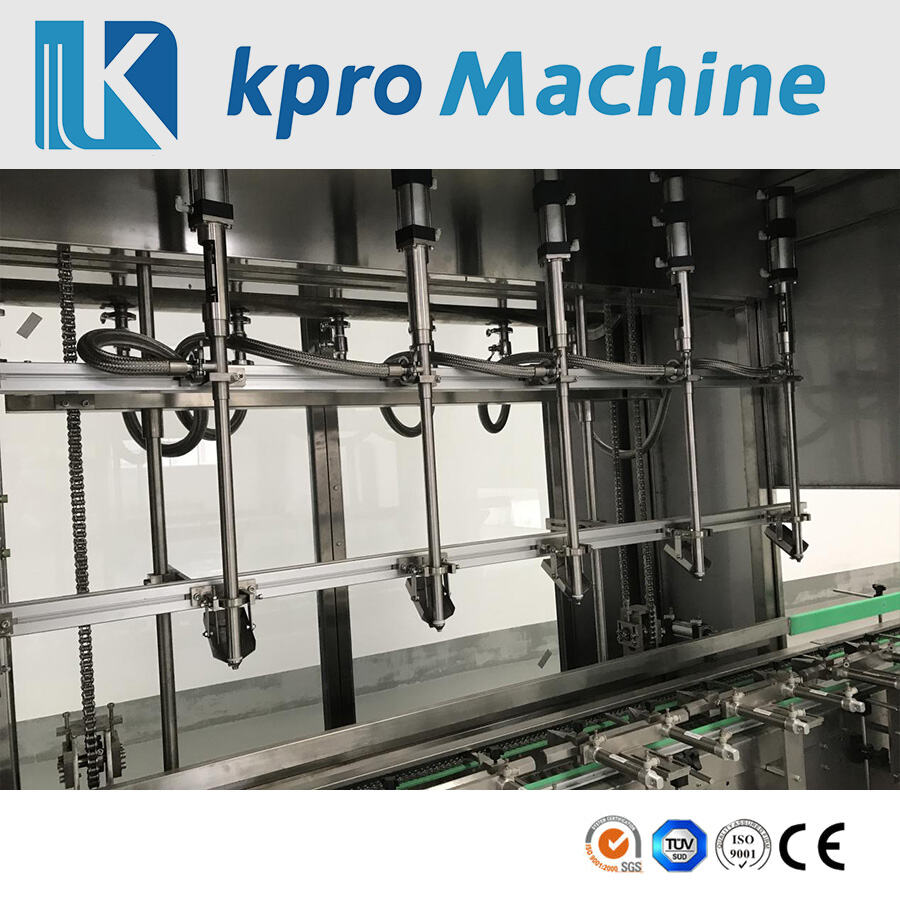
Start commissioning by running dry tests with empty containers first so we can check if everything lines up properly with the sensors, make sure timing works right, and see how all the mechanical parts work together. When it comes to calibrating fill amounts, always use real oil instead of water because oil behaves differently due to its thickness. Tweak either the piston's travel distance or how fast the pump spins until we get within half a percent accuracy. For phase commissioning, kick things off at around half speed initially, then slowly increase speed while keeping an eye on whether everything stays synced up with the capping machines and label applicators. Keep records of every setting used including pressures set, time delays built in, and what level each sensor triggers at. These notes will save tons of time later when switching between different product runs.
Preventive Maintenance Best Practices for Long-Term Oil Filling Machine Reliability
- Daily: Clean nozzles and seals to prevent oil residue buildup; inspect for leaks
- Weekly: Lubricate bearings and verify sensor calibration
- Monthly: Replace worn tubing in peristaltic pumps; test emergency stops
- Quarterly: Inspect electrical connections and valve seals
Track maintenance logs digitally to identify failure patterns and predict component wear. Trained operators reduce setup errors and downtime by 30% (PMMI, 2023). Consistent preventive care ensures throughput stability and extends service life beyond 10 years under standard operating conditions.
FAQ
Q: What are the space requirements for an oil filling machine?
A: Ensure there is enough floor space for the equipment plus at least one meter around it on every side for maintenance purposes.
Q: What are the compliance requirements for edible oil filling?
A: Compliance with FDA 21 CFR Part 110 and EHEDG guidelines is mandatory for food-grade operations. Machinery must be free of crevices, have polished surfaces, and use NSF-certified seals.
Q: How do you choose the right oil filling machine for your product line?
A: Consider oil viscosity, material compatibility, and desired fill accuracy. For example, light oils may work with gravity feed systems, while heavier oils require piston or peristaltic pumps.
Q: What is the importance of syncing filling machines with downstream equipment?
A: Proper synchronization avoids bottlenecks and spills, ensuring smooth operation through real-time feedback from sensors and automated signal integration.
Q: What maintenance practices are recommended for oil filling machines?
A: Regular cleaning, lubrication, and inspection are key, with daily, weekly, monthly, and quarterly tasks to ensure long-term reliability and stability.