 EN
EN
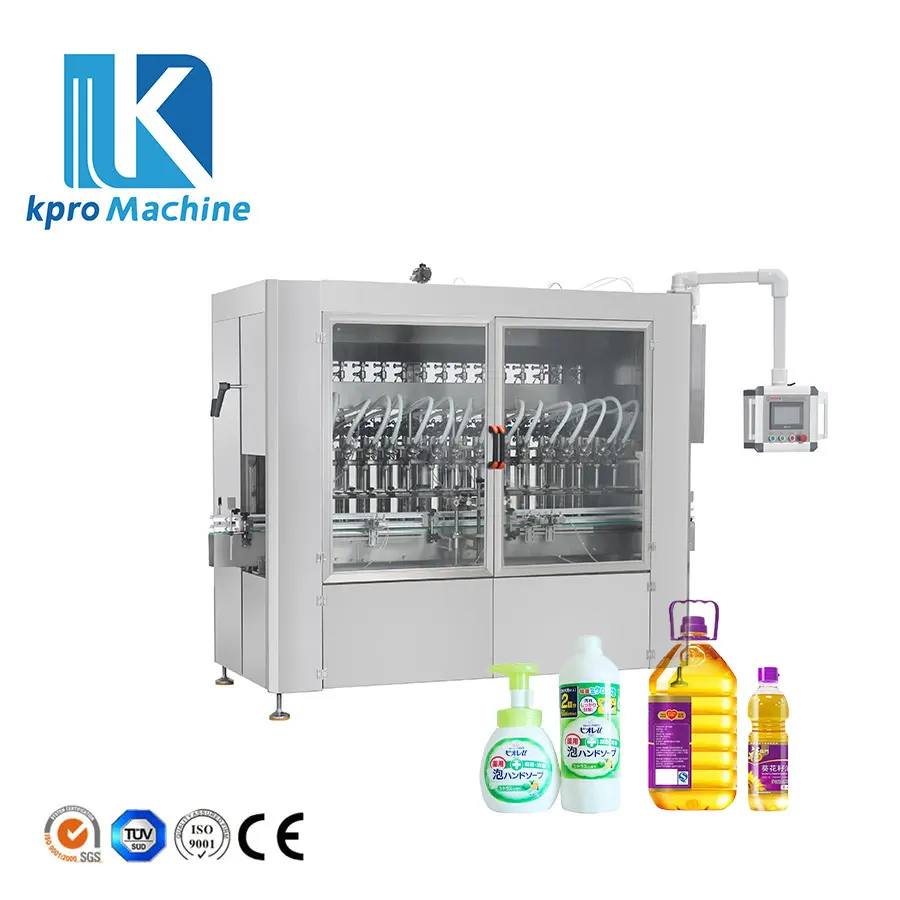
Inconsistent Fill Volumes: Diagnosing and Correcting Precision Loss about Oil Filling Machine
Why viscosity shifts, pressure fluctuations, and wear degrade volumetric accuracy
The viscosity of oil definitely changes depending on temperature it gets thinner when warm and thicker when cold which has a direct effect on how well it flows through gravity oil filling machine systems. When looking at pneumatic pressure lines we often see fluctuations around plus or minus 0.2 bars and this leads to flow problems that can result in about 1.5 percent volume errors during fast filling operations. Mechanical wear makes things worse too. The seals on pistons in those positive displacement machines tend to break down over time allowing oil to leak internally. At the same time worn out valve seats let fluid flow backward instead of forward. Put all these together and uncalibrated systems will typically show volumetric differences that go beyond 2 percent. That's why regular calibration checks are so important in maintaining accurate measurements across production runs.
Regular maintenance—such as seal inspections every 500 hours—and real-time viscosity compensation via temperature sensors can reduce errors by 80%. For oils with variable viscosity profiles, closed-loop feedback systems adjust fill parameters within 15 ms to maintain ±0.5% accuracy, per ISO 8503-2 guidelines on fluid metering stability.
Piston, gravity, and auger systems compared: selecting the right oil filling machine technology for your oil type
Choosing optimal filling technology requires matching oil properties to operational principles:
- Piston fillers excel with viscous oils (≥500 cSt) like gear lubricants, using positive displacement for ±0.5% accuracy. However, they require frequent seal replacements and struggle with aerated fluids.
- Gravity systems suit low-viscosity oils (<100 cSt) such as hydraulic fluids, leveraging atmospheric pressure for simplicity but suffering ±1.5% variance from tank level changes.
- Auger fillers handle shear-sensitive products like greases through rotational displacement but achieve only ±2% precision due to product adhesion in screws.
High-viscosity oils demand piston systems despite maintenance needs, while gravity fillers offer cost efficiency for thin oils in stable environments. Auger technology remains niche for semi-solids where other methods fail.
Nozzle Dripping, Clogging, and Post-Fill Leaks: Sealing, Timing, and Fluid Control
How thermal expansion and residue buildup trigger dripping — and why standard shut-off timing fails
When temperatures fluctuate, metal nozzles and seals tend to either expand or contract, which creates tiny gaps where oil can actually leak out after filling operations are complete. The leftover bits from both vegetable based and synthetic oils build up inside those nozzles over time, making the channels for fluid flow smaller while also causing pressure to get trapped inside. Regular shut off valves just aren't fast enough when dealing with thick, sticky fluids. They fail to release the remaining pressure in the lines before any dripping starts happening. Industry insiders say around two thirds of all leakage problems come down to this combination of issues affecting equipment performance across various applications.
The 120ms valve response threshold: optimizing control logic for high-viscosity oil filling machines
Viscous oils such as those used for gears really need valves that can react super fast. Most regular pneumatic valves take around 200 to 300 milliseconds to respond, which is way over the 120 ms mark that matters for viscosity testing standards like ASTM D445. When valves are slower than that magic number, the oil basically sticks together enough to mess with how the valve closes properly. Fortunately, modern programmable logic controllers or PLCs have changed things. These systems let operators set up special shut off routines that actually start creating reverse suction about a tenth of a second before filling finishes. Field tests show this technique cuts down on leaks after filling by almost half when dealing with thick oils. The Packaging Machinery Manufacturers Institute has collected quite a bit of evidence supporting these results across different industrial settings.
Container Misalignment, Jamming, and Sensor Failures: Ensuring Reliable Line Synchronization

Conveyor–sensor desynchronization: diagnosing root causes in automatic oil filling machine lines
The conveyor belt system and its sensors tend to get out of whack pretty regularly because of timing issues or just plain old mechanical wear and tear. When dirt builds up on those guide rails, it makes containers wander off course, and all that constant vibration eventually works loose the sensor mounts too. What happens next? A whole mess of false "no container" alerts that stop the entire production line dead in its tracks. Keeping things running smoothly requires regular calibration checks and cleaning away all that accumulated gunk. Most experienced operators know better than to wait until problems arise - they check those encoders at least once a month and swap out any worn tensioners as soon as they spot them showing signs of fatigue.
AI vision sensors in modern oil filling machines: cutting misalignment downtime by 63% (2023 field data)
Modern vision systems can spot container position shifts smaller than half a millimeter thanks to their real time image analysis capabilities. These smart sensors actually adjust themselves when conveyor belts speed up or slow down, which cuts down on those annoying false stoppages that waste so much production time. According to recent field tests conducted at PMMI events last year, facilities using this tech experienced around 63 percent fewer problems with alignment issues compared to older photoelectric sensor setups. What makes these systems really valuable is how they handle all sorts of labeling inconsistencies and minor container flaws without slowing things down when production lines switch between different products.
Frequently Asked Questions
What causes inconsistent fill volumes in oil filling machines?
Inconsistent fill volumes can be caused by factors such as changes in oil viscosity, pressure fluctuations, mechanical wear, and uncalibrated systems. These issues can lead to volumetric differences often exceeding 2 percent.
How can maintenance improve the accuracy of oil filling machines?
Regular maintenance like seal inspections can significantly reduce errors. Additionally, employing real-time viscosity compensation with temperature sensors can further enhance measurement accuracy.
What filling machine is best for high-viscosity oils?
Piston fillers are best suited for high-viscosity oils, despite requiring frequent seal replacements, as they ensure high accuracy by using positive displacement.
How do AI vision sensors improve line synchronization in oil filling machines?
AI vision sensors can detect minor shifts in container positions and adjust operations accordingly, reducing misalignment downtimes by a significant margin and improving overall line efficiency.