 EN


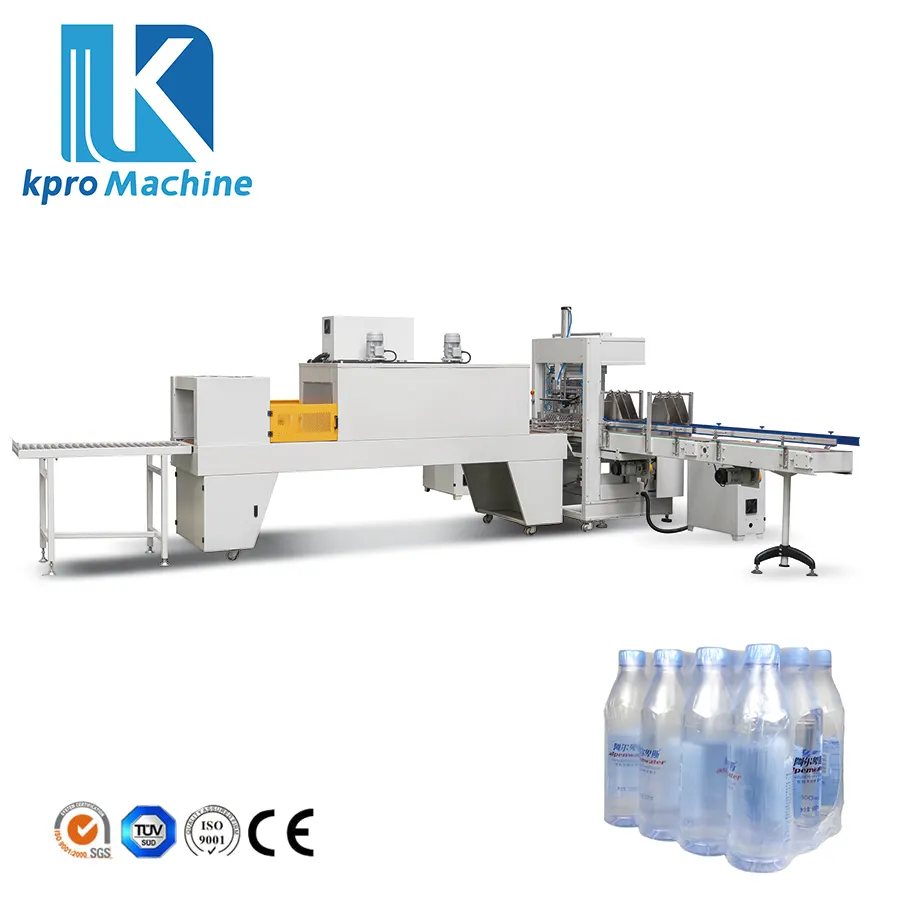
Water packaging machines are essential industrial equipment that automate the process of filling, capping, and sealing water bottles in modern beverage facilities. Understanding how a packaging machine operates provides valuable insight into factory efficiency, product quality, and operational scalability. The packaging machine represents one of the most critical investments for any water bottling operation, directly impacting production speed, waste reduction, and cost management. This comprehensive guide walks through the complete workflow of a packaging machine, from initial container preparation through final product output.
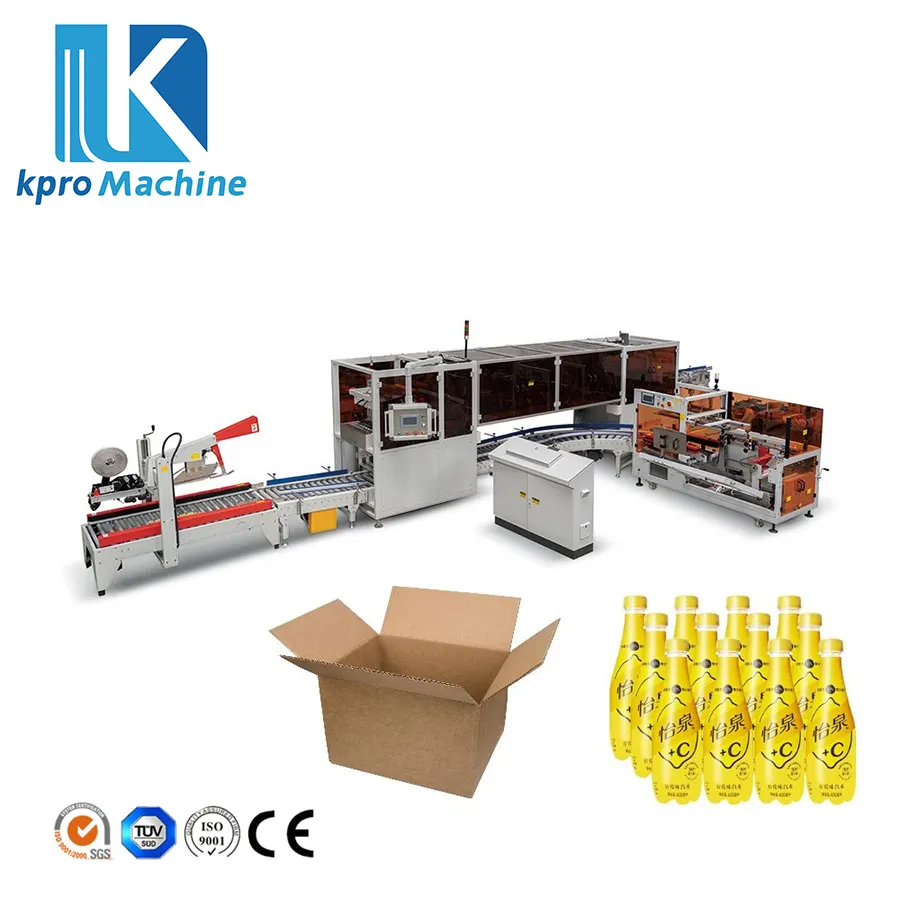
Every packaging machine operates through a coordinated sequence of mechanical and automated stages that move containers through the facility with precision timing. The integration of various subsystems within a packaging machine ensures consistent bottle filling accuracy, proper sealing, and minimal product loss. Modern packaging machine designs incorporate advanced sensors and programmable controls that adapt to different bottle sizes and fill volumes, making them flexible solutions for diverse production needs. Learning how a packaging machine manages these processes helps facility managers optimize their operations and troubleshoot production issues effectively.
Core Components and Mechanical Structure of a Packaging Machine
The Conveyor and Container Handling System
The foundation of every packaging machine begins with the conveyor system that moves empty bottles from storage into the filling zone. This conveyor transport mechanism within a packaging machine uses either friction-driven belts or star-wheel indexing to position each container precisely at the fill station. The speed of the conveyor directly correlates with the production capacity of the packaging machine, with industrial units processing between 3,000 to 5,000 bottles per hour. Proper alignment ensures that every bottle sits securely in the packaging machine's filling head, preventing spillage and maintaining consistent fill accuracy across the entire production batch.
The Filling Mechanism and Valve System
The filling head is the operational heart of any packaging machine, containing precision valves and nozzles that dispense exact volumes of water into each container. Inside a packaging machine, multiple filling nozzles work simultaneously, with each nozzle controlled by a solenoid valve that opens and closes based on preset timing intervals. The packaging machine uses either overflow-fill or volumetric-fill technology depending on bottle type and fill consistency requirements. Advanced packaging machine models incorporate weight sensors that verify fill accuracy in real time, automatically adjusting valve timing if deviation is detected to maintain product quality and minimize overflows.
The Sequential Filling and Sealing Process
Water Filling and Level Control
Once a bottle enters the packaging machine, the filling process begins when the container rises into contact with the fill nozzle. The packaging machine's solenoid valve opens for a precisely timed duration, allowing pressurized water to flow into the bottle at controlled velocity. This timing is critical within the packaging machine operation because excessive speed causes foaming and reduces fill accuracy, while insufficient flow extends cycle time and reduces overall throughput. Electronic sensors integrated into the packaging machine monitor fill levels in real time, ensuring that each bottle receives the exact target volume before the valve automatically closes.
Cap Application and Sealing
After the packaging machine completes the filling stage, filled bottles move along the conveyor to the capping station where the sealing process begins. The packaging machine's capping mechanism uses pneumatic pressure to spin and thread the bottle cap onto the filled container with consistent torque application. This automated sealing within the packaging machine ensures tamper-evidence and product integrity, preventing contamination and leakage during storage and transport. The packaging machine applies caps at high speed while maintaining proper thread engagement, with sensors detecting improperly seated caps and rejecting them to maintain quality standards.
Advanced Features and Optimization in Modern Packaging Machines
Quality Control and Inspection Systems
Contemporary packaging machine designs integrate multiple inspection points that verify product integrity throughout the filling cycle. Vision systems embedded in the packaging machine detect missing caps, overfilled bottles, and labeling defects before products reach distribution. The packaging machine uses these automated inspections to remove substandard bottles and trigger alerts for facility operators, reducing waste and protecting brand reputation. Weight verification sensors in the packaging machine provide another layer of quality assurance, confirming that each bottle contains the correct water volume within acceptable tolerance ranges.
Production Speed and Capacity Optimization
The efficiency of a packaging machine directly determines facility profitability and market competitiveness for water bottling operations. Industrial-grade packaging machine equipment can process between 3,000 and 5,000 bottles per hour depending on bottle size and configuration complexity. The packaging machine achieves this throughput by coordinating all subsystems—conveyor movement, filling valve timing, capping torque, and inspection cycles—into a seamless workflow that minimizes idle time. Operators can adjust packaging machine parameters to optimize speed for specific production targets while maintaining consistent quality, allowing flexible response to changing market demand.
FAQ
How does a packaging machine maintain accuracy when filling different bottle sizes?
A packaging machine uses adjustable fill heads and programmable electronic controls that adapt to various bottle dimensions and volumes. The packaging machine operator inputs target fill specifications, and the machine automatically adjusts nozzle height, fill duration, and valve pressure to match the selected configuration. Sensors within the packaging machine verify accuracy for each bottle, making real-time adjustments when needed. This adaptability makes a packaging machine suitable for facilities that produce multiple bottle sizes on the same production line.
What maintenance is required to keep a packaging machine operating efficiently?
Regular maintenance of a packaging machine includes cleaning fill nozzles to prevent mineral buildup, inspecting and replacing solenoid valves, and lubricating conveyor systems according to manufacturer guidelines. The packaging machine requires daily checks for proper cap torque settings and visual inspection of all seals and gaskets. Preventive maintenance on a packaging machine extends equipment lifespan and reduces costly production downtime. Facility operators should maintain detailed logs of all packaging machine service activities to track performance trends and identify components approaching end-of-life.
Can a packaging machine handle carbonated or specialty beverages beyond water?
Many packaging machine models are designed exclusively for water bottling due to specific pressure and speed requirements, though some industrial packaging machine units accommodate carbonated beverages with modified fill heads and faster processing speeds. A packaging machine handling carbonated products requires specialized valve systems that minimize gas loss during filling. Specialty packaging machine configurations exist for juices, flavored water, and other beverages, though these typically require separate equipment or significant modifications to standard water-bottling packaging machine systems. Operators should verify that their packaging machine specifications match their intended product portfolio before purchase.