 EN


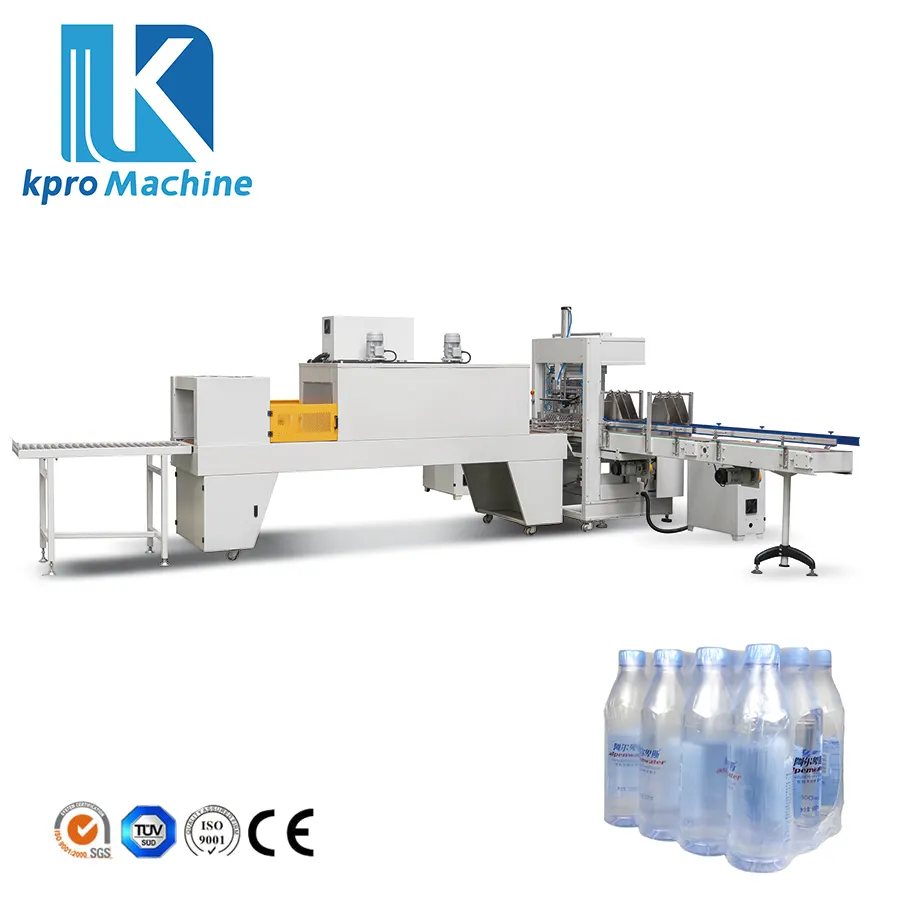
Successfully integrating a packaging machine with filling and capping systems represents one of the most critical investments for modern water bottling operations. When executed properly, this integration streamlines production workflows, minimizes downtime, and ensures consistent product quality across your entire manufacturing line. The complexity of coordinating multiple mechanical and automated systems demands careful planning, technical expertise, and a thorough understanding of how each component interacts with the others.
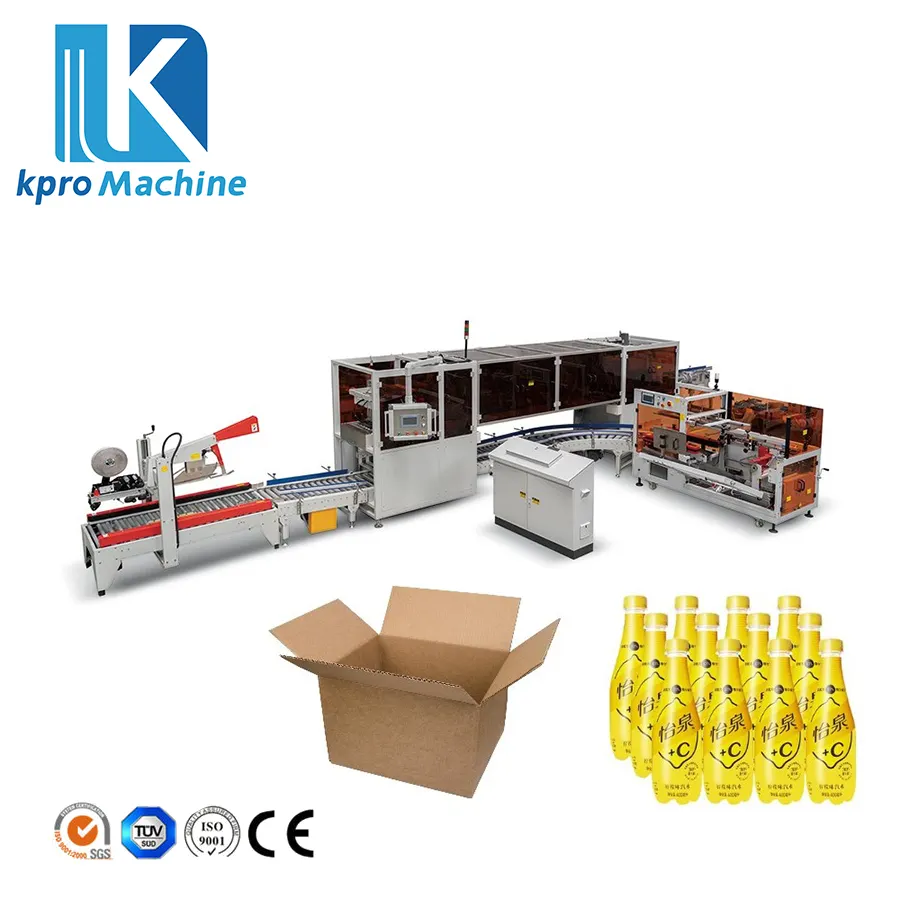
The integration of a packaging machine into an existing or new production environment requires alignment of mechanical interfaces, electrical controls, and operational parameters across all three primary functions: washing, filling, and capping. Each packaging machine component must communicate seamlessly with upstream and downstream equipment, synchronizing speed, pressure settings, and cycle timing. Understanding the fundamental principles behind packaging machine integration will help facility managers, production directors, and engineers make informed decisions about equipment selection, installation procedures, and long-term maintenance strategies.
Understanding Packaging Machine Integration Fundamentals
Core Components of a Packaging Machine System
A modern packaging machine designed for water bottling typically combines three integrated functions within a single operational unit. The washing section prepares bottles by removing contaminants and residual particles, the filling section accurately dispenses water into each container with precise volume control, and the capping section securely seals bottles to maintain product integrity. Each of these functions within the packaging machine operates on synchronized timing, meaning the bottle movement through all three stages must follow the same speed profile. When a packaging machine operates efficiently, bottles move through each stage without jamming, stalling, or requiring manual intervention, which directly reduces labor costs and increases throughput.
Mechanical Synchronization Requirements
The mechanical backbone of a packaging machine relies on precision engineering and perfectly timed motion control. Conveyor belt systems transport bottles through washing, filling, and capping stations, and the packaging machine's motor must maintain consistent rotational speed throughout the entire production cycle. Any deviation in packaging machine belt tension, misalignment of guide rails, or wear on sprocket teeth can cause bottles to move at inconsistent speeds, leading to missed fill levels or incomplete capping. Facility teams must ensure that the packaging machine's mechanical components are properly calibrated before integration with other systems, and they must establish regular inspection schedules to identify wear patterns early. The packaging machine's reliability directly depends on maintenance discipline and attention to mechanical precision at every assembly point.
Integration Steps for Packaging Machine Setup
Pre-Installation Assessment and Planning
Before connecting your packaging machine to existing filling and capping systems, conduct a thorough site assessment that includes available floor space, electrical capacity, water supply quality, and drainage infrastructure. Document the specifications of your packaging machine, including its operational speed measured in bottles per hour, the power consumption requirements, and the water pressure and flow rate it demands. Compare these requirements against your facility's current capabilities, and identify any infrastructure upgrades needed before installation. A comprehensive planning document that addresses all packaging machine requirements, facility constraints, and integration timeline will prevent costly delays and equipment damage during the startup phase. Engage your packaging machine supplier early in this planning process to access their technical expertise and installation recommendations.
Physical Installation and Alignment
Installing a packaging machine requires precise positioning and alignment with upstream and downstream equipment. The packaging machine must sit on a level, reinforced foundation capable of absorbing the vibration and mechanical loads generated during operation. Bottle entry and exit points on your packaging machine must align perfectly with conveyor systems on either side, ensuring smooth bottle transitions without collision, jamming, or product spillage. Technicians must carefully position the packaging machine within tolerance windows typically measured in millimeters, and they must verify alignment using laser measurement tools rather than relying on visual inspection alone. Once your packaging machine is positioned, secure all bolting points and verify that no mechanical stress is transferred to adjacent equipment, which could cause premature wear or misalignment over time.
Electrical Integration and Control Systems
The electrical integration of a packaging machine represents a critical phase where operational control, safety systems, and data monitoring become central to overall system performance. Your packaging machine must connect to a properly sized electrical panel with dedicated circuits, emergency stop systems, and protective relays that prevent damage from power surges or equipment faults. Modern packaging machines include programmable logic controllers and human-machine interfaces that communicate with filling and capping system controls, allowing operators to adjust parameters like fill volume, capping pressure, and production speed from a single control station. All electrical connections within the packaging machine should be verified for secure termination, proper wire gauges, and clear labeling according to facility standards and industry regulations. Testing the packaging machine's electrical systems under controlled conditions before full production startup will identify communication errors, sensor failures, or calibration issues before they impact product quality.
Optimizing Packaging Machine Performance Post-Integration
Parameter Calibration and Testing Procedures
After your packaging machine is mechanically and electrically installed, rigorous testing and calibration ensure that it operates at design specifications. Begin by running the packaging machine at low speeds with empty bottles to verify that mechanical movements are smooth, synchronized, and free of obstacles. Gradually increase the packaging machine's speed while monitoring for vibration, noise, or movement in any component, and document the maximum safe operating speed before switching to actual water production. Calibrate the packaging machine's filling system to deliver precise volumes by measuring multiple test bottles and adjusting nozzle timing or pump displacement until fill volumes fall within acceptable tolerances. For the capping function, ensure that the packaging machine's torque settings are adjusted to secure caps firmly without crushing bottle necks or leaving caps too loose, which would compromise seal integrity. This calibration phase on your packaging machine typically requires several production runs and minor adjustments as the system reaches steady-state operating conditions.
Quality Assurance and Continuous Monitoring
Once your packaging machine reaches full production capacity, implement continuous quality monitoring systems that verify fill accuracy, cap integrity, and product consistency batch after batch. Install sensors on the packaging machine that measure fill weight or volume in real time, alerting operators when results drift outside acceptable ranges so they can adjust parameters before producing substandard bottles. Regular preventive maintenance of your packaging machine, including belt tension verification, bearing inspection, and seal replacement schedules, will extend equipment life and prevent unexpected failures. Train all operators on the specific requirements of your packaging machine, including proper startup procedures, emergency stop protocols, and troubleshooting steps for common issues. Establish a maintenance log where technicians document all adjustments, repairs, and performance observations on the packaging machine, creating a historical record that guides future maintenance decisions and identifies recurring problems.
FAQ
What electrical power requirements should I plan for a packaging machine integration?
Most industrial packaging machines for water bottling require three-phase power ranging from 30 to 100 kilovolt-amperes, depending on production speed, motor size, and the number of integrated functions. Your packaging machine supplier will provide specific electrical specifications during the sales phase, and you should have a qualified electrician verify that your facility's electrical infrastructure can support these demands. Undersizing electrical capacity for a packaging machine leads to voltage drops, motor overheating, and poor system performance, so consulting with both the equipment supplier and your facility's electrical engineer before installation is essential for safe, reliable operation.
How long does it typically take to integrate a packaging machine with existing systems?
The integration timeline for a packaging machine varies widely based on facility readiness, equipment complexity, and whether infrastructure upgrades are needed. A straightforward packaging machine installation in a prepared facility might take one to two weeks from delivery to first full production run, while projects requiring electrical upgrades, facility modifications, or complex control system integration can extend to four to eight weeks. Your packaging machine supplier and installation team should provide a detailed project schedule early in the planning phase, including buffer time for unexpected issues or minor modifications.
What maintenance schedule should I establish for an integrated packaging machine system?
A comprehensive maintenance schedule for your packaging machine should include daily pre-shift inspections of mechanical components and sensor functionality, weekly cleaning and lubrication of moving parts, and monthly deep inspections of seals, bearings, and electrical connections. Your packaging machine manufacturer typically provides detailed maintenance recommendations in the equipment manual, and you should customize the schedule based on your specific production volume and operating environment. More frequent maintenance cycles on a packaging machine used in high-speed production or challenging conditions will prevent unexpected failures and extend the overall asset lifespan.