 EN
EN


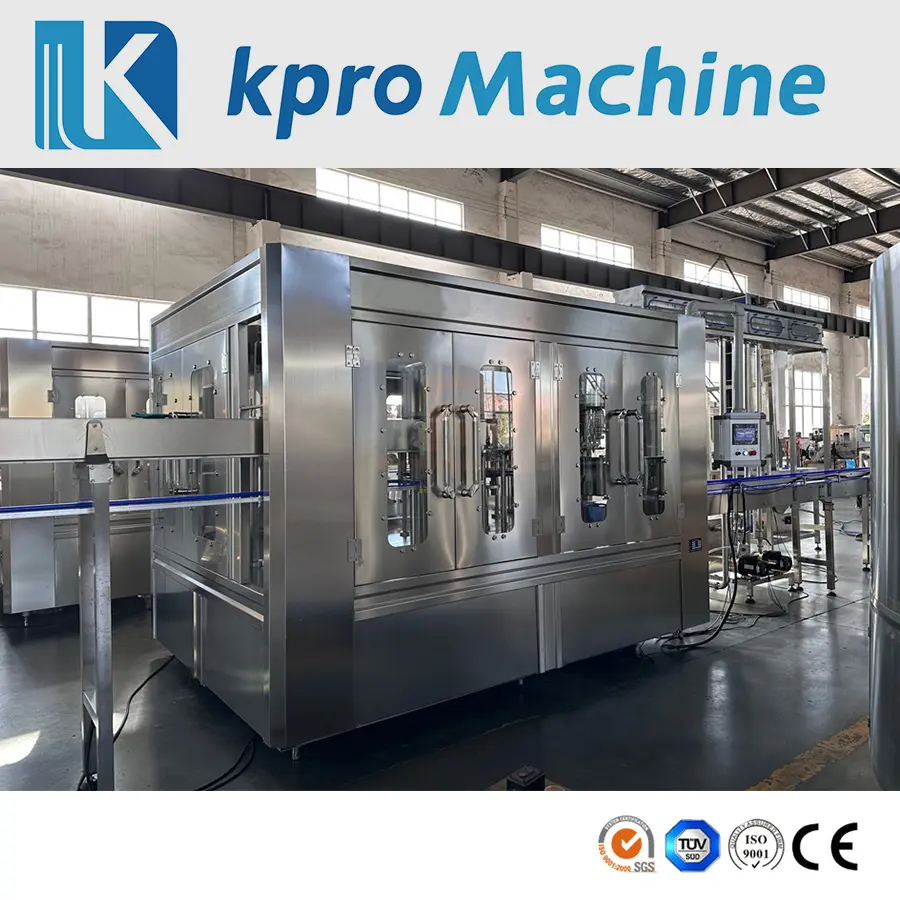
Safety and sanitation standards for water filling machines represent critical operational benchmarks that ensure public health protection and regulatory compliance in bottled water production. These standards encompass material compatibility requirements, cleaning protocols, contamination prevention measures, and equipment design specifications that collectively safeguard product integrity from raw water intake through final packaging. Understanding these requirements is essential for manufacturers, facility managers, and quality assurance professionals who must navigate complex regulatory frameworks while maintaining production efficiency and consumer safety.
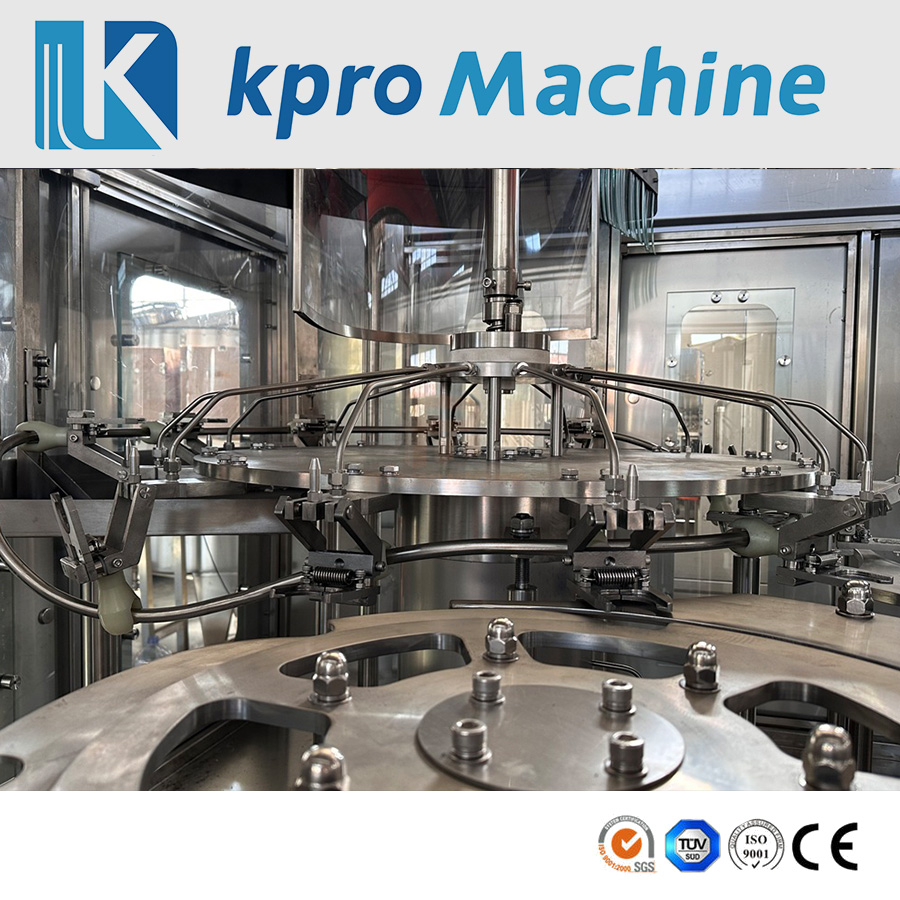
Modern water filling operations must adhere to stringent industry standards established by regulatory bodies including the FDA, WHO, NSF International, and regional health authorities. These organizations define material grades, surface finish requirements, microbial limits, and operational protocols that directly impact equipment selection and facility design. Compliance failures can result in product recalls, facility shutdowns, and significant financial liability, making thorough understanding of applicable standards a non-negotiable aspect of beverage production management.
Material Compliance and Contact Surface Requirements
Food-Grade Material Specifications
The foundation of sanitation standards for any water filling machine begins with material selection for all product-contact surfaces. Regulatory frameworks mandate the use of food-grade stainless steel, typically 304 or 316L grades, which provide corrosion resistance, non-reactivity with water and cleaning chemicals, and durability under repeated sanitation cycles. These austenitic stainless steel alloys contain specific chromium and nickel compositions that create passive oxide layers preventing bacterial adhesion and chemical leaching into the product stream.
Material certification documentation must accompany equipment procurement, verifying compliance with FDA 21 CFR Part 177 or equivalent European Union Regulation 10/2011 standards. Non-metallic components such as seals, gaskets, and tubing must meet FDA-approved elastomer specifications or food-grade polymer standards like EPDM, silicone, or PTFE. These materials undergo migration testing to ensure no chemical compounds transfer into the water product under normal operating temperatures and contact durations. Equipment manufacturers should provide complete material traceability and compliance certificates for all wetted components.
Surface Finish and Cleanability Standards
Beyond material composition, surface finish quality directly impacts sanitation effectiveness in water filling machine design. Industry standards specify maximum surface roughness measurements, typically requiring Ra values below 0.8 micrometers for product-contact surfaces. This fine finish minimizes microscopic crevices where bacteria, biofilm, and mineral deposits can accumulate between cleaning cycles. Electropolishing processes further enhance surface smoothness and passivation, creating a more hygienic and corrosion-resistant interface.
Equipment design must eliminate dead legs, sharp internal corners, and difficult-to-clean geometries that compromise sanitation efficacy. The 3-A Sanitary Standards specifically address valve construction, pipe connections, and tank design to ensure complete drainage and accessibility for cleaning verification. Sloped surfaces, self-draining configurations, and appropriately sized Clean-in-Place spray balls represent essential design elements that support consistent sanitation performance. Inspection ports and sight glasses allow visual verification of cleaning effectiveness, while removable components facilitate manual cleaning of critical zones.
Non-Product Contact Component Standards
While product-contact surfaces receive primary attention, external components and structural elements of a water filling machine must also meet specific sanitation standards. Framework materials, enclosures, and guards should use corrosion-resistant materials appropriate for washdown environments with high humidity and chemical exposure. Painted surfaces must employ FDA-approved coatings that resist chipping, peeling, and harboring contaminants. Electrical components require proper IP rating protection against water ingress during routine cleaning operations.
The equipment footprint and base design should facilitate floor cleaning beneath and around the machinery, preventing accumulation of spilled water, debris, or biological growth in inaccessible areas. Adjustable height legs with sanitary design allow proper drainage while providing stable support. Cable management systems must prevent wiring from contacting floor surfaces or creating entrapment zones for contaminants. These seemingly peripheral design considerations contribute significantly to overall facility sanitation and pest control effectiveness.
Cleaning and Sanitation Protocol Requirements
Clean-in-Place System Standards
Modern water filling machine installations typically incorporate Clean-in-Place systems that automate sanitation without equipment disassembly. CIP system design must deliver adequate flow velocities, typically 1.5 to 2.5 meters per second, through all product pathways to achieve turbulent flow conditions that mechanically dislodge contaminants. Solution temperatures, concentrations, and contact times must meet validated parameters specific to the cleaning chemistry employed, whether alkaline detergents for organic soil removal or acid treatments for mineral scale dissolution.
Documentation requirements mandate written CIP protocols specifying solution strengths, cycle sequences, temperature set points, and duration for each cleaning phase including pre-rinse, detergent wash, intermediate rinse, sanitizer application, and final rinse. Automated systems should include conductivity monitoring to verify rinse water purity and confirm complete chemical removal before production restart. Temperature sensors and flow meters provide real-time verification that cleaning parameters remain within validated ranges throughout each cycle. Regular microbiological testing validates CIP effectiveness through surface swab testing and finished product analysis.
Sanitation Frequency and Scheduling Standards
Regulatory guidelines and industry best practices establish minimum sanitation frequencies based on production schedules, product characteristics, and environmental conditions. Most facilities implement CIP protocols at the end of each production shift or after specific hourly intervals during continuous operation. Extended idle periods between production runs may require additional pre-startup sanitation to address potential biofilm formation or environmental contamination during downtime. The specific water filling machine configuration and production environment dictate optimal cleaning frequencies.
Change-over procedures between different product formulations or bottle sizes may require intermediate sanitation to prevent cross-contamination or carry-over effects. Documentation systems must track all cleaning activities with timestamps, operator signatures, and verification test results to demonstrate compliance during regulatory inspections. Deviation from established schedules requires documented justification and additional verification testing to confirm product safety. Many facilities implement automated tracking systems that prevent equipment startup until scheduled sanitation completion receives electronic confirmation.
Manual Cleaning and Component Disassembly Standards
Despite automated CIP capabilities, certain water filling machine components require periodic manual disassembly and inspection to ensure thorough sanitation. Filling nozzles, valve assemblies, and seal components should undergo weekly or monthly manual cleaning depending on product characteristics and observed fouling patterns. Standardized disassembly procedures with photographic work instructions ensure consistent component removal, cleaning technique application, and correct reassembly without cross-threading or damage to sanitary seals.
Manual cleaning protocols specify approved brushes, cleaning tools, and chemical solutions for different component materials. Food-grade lubricants must be applied to dynamic seals and threaded connections following manufacturer specifications to prevent contamination while ensuring proper mechanical function. Visual inspection criteria identify wear patterns, damage, or degradation requiring component replacement before compromising sanitation or product quality. All manually cleaned components should undergo sanitizer immersion or spray application before reinstallation, with appropriate contact time and concentration verified through test strips or chemical analysis.
Microbial Control and Contamination Prevention Standards
Air Quality and Environmental Control Requirements
The filling environment surrounding water filling machine operations must maintain specified air quality standards to prevent airborne contamination during the critical filling and capping operations when product remains exposed. Positive pressure filling rooms with HEPA-filtered air supply prevent external contaminant ingress while maintaining controlled temperature and humidity conditions. Air change rates, typically 20 to 30 per hour in filling zones, continuously dilute and remove airborne particles and microorganisms that could settle onto equipment or into open containers.
Environmental monitoring programs establish baseline microbial levels through regular air sampling, surface swabbing, and settled plate exposure in critical control zones around the water filling machine. Trending analysis identifies seasonal variations, maintenance impacts, or process changes affecting contamination risks. When environmental counts exceed action levels, investigation protocols determine root causes and implement corrective measures before product contamination occurs. Personnel hygiene facilities including gowning rooms, hand washing stations, and sanitizer dispensers form integral components of contamination prevention systems.
Water Quality and Pre-Treatment Standards
Source water quality directly impacts final product safety regardless of water filling machine sanitation effectiveness. Multi-stage water treatment systems incorporating sediment filtration, carbon adsorption, reverse osmosis, and ultraviolet disinfection reduce microbial loads and chemical contaminants to meet stringent bottled water standards. Treatment validation through regular testing confirms system performance for parameters including total plate count, coliform bacteria, chemical residues, and mineral content based on applicable regulatory limits.
Water storage tanks feeding the water filling machine require proper design with sloped bottoms, adequate overflow capacity, and regular sanitation to prevent biofilm accumulation and stagnation. Recirculation systems with UV sterilization or ozone injection maintain microbial control during production delays or overnight periods when water remains in storage. Temperature monitoring prevents conditions conducive to bacterial growth, while automated level controls minimize air exposure and potential contamination pathways. Water quality testing immediately before filling operations verifies that treatment systems maintain specification compliance throughout production runs.
Container Sanitation and Handling Standards
Pre-filled bottle sanitation represents a critical control point requiring either pre-formed bottle rinsing or blow-molding integration within the filling line. Air rinsing systems using HEPA-filtered compressed air remove particulate contamination from bottle interiors before filling, while water rinsing with sterile or ozonated water provides more aggressive microbial reduction. Inverted bottle positioning during rinsing ensures complete drainage and prevents pooling that could introduce contamination into subsequent filling operations.
Bottle handling conveyors, accumulation tables, and orientation devices contacting container exteriors require regular cleaning to prevent cross-contamination between bottles. Bottle inspection systems incorporating vision technology or manual examination identify damaged containers, foreign material, or contamination requiring rejection before reaching the water filling machine. Cap sterilization through UV exposure, chemical sanitizer spray, or steam treatment ensures closure components meet microbial standards before contacting filled product. Integration timing between rinsing, filling, and capping minimizes exposure duration when product remains vulnerable to environmental contamination.
Validation, Testing, and Documentation Standards
Installation and Operational Qualification Protocols
New water filling machine installations require systematic validation through Installation Qualification and Operational Qualification protocols before commercial production authorization. IQ documentation verifies correct equipment installation according to manufacturer specifications, proper utility connections, and conformance to design drawings and sanitary standards. Material certifications, weld inspection reports, and surface finish measurements confirm compliance with food-grade requirements for all product-contact components.
Operational Qualification testing demonstrates that the water filling machine performs according to specified parameters under various operating conditions. Fill volume accuracy, cycle time consistency, CIP system performance, and control system functionality undergo systematic testing with documented acceptance criteria. Challenge testing introduces worst-case scenarios including minimum and maximum production speeds, extended idle periods, and boundary condition operations to verify robust performance across the operational envelope. Only after successful IQ and OQ completion can Performance Qualification begin using actual product under commercial conditions.
Routine Testing and Quality Verification Requirements
Ongoing operations require systematic testing programs that verify continued compliance with safety and sanitation standards for water filling machine performance. Daily testing typically includes visual inspection of equipment condition, verification of cleaning completion, and pre-operational checks of critical control parameters. Product testing at specified intervals throughout production runs confirms microbiological quality, fill volume accuracy, and proper seal integrity meet established specifications.
Weekly or monthly testing programs incorporate more comprehensive assessments including surface swab sampling of product-contact areas after CIP completion, water quality analysis from multiple sampling points, and equipment calibration verification for measurement and control devices. Third-party laboratory analysis provides independent verification of in-house testing accuracy and conformance to regulatory standards. Trending analysis of historical test data identifies gradual performance degradation requiring preventive maintenance before quality issues emerge. All testing activities require documented procedures, qualified personnel, and calibrated instruments with current certification.
Regulatory Compliance and Audit Documentation
Comprehensive documentation systems demonstrate regulatory compliance and support continuous improvement initiatives for water filling machine operations. Master documentation including standard operating procedures, cleaning protocols, maintenance schedules, and training records establish the foundation for consistent performance. Batch records capturing production parameters, test results, and operator verification provide traceability for each production lot enabling rapid response to quality investigations or recall situations.
Deviation documentation and corrective action systems address non-conformances through root cause analysis, immediate corrective measures, and preventive action implementation to avoid recurrence. Change control procedures ensure that equipment modifications, procedure updates, or operational changes undergo appropriate review, approval, and validation before implementation. Regulatory inspection readiness requires organized documentation retrieval systems, trained personnel capable of explaining operations and controls, and proactive identification of compliance gaps requiring remediation. Annual management review of quality metrics, audit findings, and system effectiveness drives strategic improvements in sanitation performance and regulatory compliance.
Equipment Design Features Supporting Sanitation Standards
Hygienic Design Principles and Certification
Modern water filling machine manufacturers increasingly adopt hygienic design principles codified in EHEDG guidelines and 3-A Sanitary Standards that facilitate effective cleaning and minimize contamination risks. These design philosophies emphasize smooth surface transitions, elimination of horizontal surfaces that collect debris, and accessibility for inspection and verification. Equipment seeking third-party sanitary certification must undergo rigorous evaluation of design drawings, material specifications, and prototype testing to verify conformance with established criteria.
Certification marks from NSF International or EHEDG provide independent validation that equipment design meets recognized sanitation standards, reducing customer validation burden and facilitating regulatory approval. Certified designs undergo periodic re-evaluation ensuring continued compliance as standards evolve and new materials or technologies emerge. Manufacturers maintaining certified product lines demonstrate commitment to sanitation excellence and typically provide superior technical support for validation activities and regulatory submissions. Procurement specifications should prioritize certified equipment when available to minimize compliance risks and validation costs.
Automated Monitoring and Control Systems
Advanced water filling machine installations incorporate automated monitoring systems that continuously verify critical sanitation parameters and provide early warning of deviation from established limits. Temperature sensors at multiple locations throughout the system confirm that CIP solutions, rinse water, and product streams maintain specified thermal conditions. Conductivity monitoring detects chemical residues in final rinse water indicating incomplete cleaning solution removal. Flow meters verify adequate circulation rates through all system components during cleaning cycles.
Integration with facility management systems enables centralized monitoring of multiple production lines, automated data logging for compliance documentation, and remote alert notification when parameters exceed acceptable ranges. Statistical process control algorithms analyze real-time data streams identifying trends that predict potential problems before quality impacts occur. Automated interlocks prevent equipment operation when critical sanitation steps remain incomplete or verification tests fail acceptance criteria. These intelligent systems reduce human error risks while providing comprehensive documentation supporting regulatory compliance and continuous improvement initiatives.
Maintenance Design and Component Accessibility
Sanitation effectiveness depends significantly on equipment maintainability and component accessibility for inspection, cleaning, and replacement activities. Water filling machine designs should incorporate quick-disconnect fittings, tool-free access panels, and modular component arrangements that minimize maintenance downtime while facilitating thorough cleaning verification. Color-coded or labeled components prevent incorrect reassembly that could compromise sanitary seals or create contamination pathways.
Preventive maintenance programs address wear components including seals, gaskets, and valve seats before degradation compromises sanitation performance or product quality. Maintenance schedules based on manufacturer recommendations, operating hours, and historical performance data optimize component replacement timing. Spare parts inventory management ensures critical components remain available for rapid replacement minimizing extended downtime that increases contamination risks. Maintenance personnel training on proper disassembly techniques, approved lubricants, and torque specifications ensures work quality supports rather than compromises sanitation standards.
FAQ
What are the primary regulatory bodies establishing safety standards for water filling machines?
The FDA establishes comprehensive standards for water filling machine operations in the United States through regulations including 21 CFR Part 129 for bottled water processing and 21 CFR Part 110 for current good manufacturing practices. Internationally, the WHO provides guidelines through the Codex Alimentarius Commission, while the European Union enforces standards through regulations including EC 1935/2004 for materials contacting food. NSF International and 3-A Sanitary Standards develop voluntary consensus standards widely recognized by regulatory agencies and industry participants. Individual countries and regions maintain additional specific requirements that water filling machine operators must satisfy based on their market jurisdictions and distribution networks.
How frequently should a water filling machine undergo complete sanitation?
Standard practice requires automated CIP sanitation at the conclusion of each production shift, typically every 8 to 12 hours of continuous operation. Extended production runs may implement mid-shift sanitation protocols after 4 to 6 hours when microbiological monitoring indicates biofilm development risks. Extended idle periods exceeding 24 hours necessitate pre-startup sanitation before resuming production regardless of prior cleaning. Manual disassembly and deep cleaning of specific components occurs on weekly or monthly schedules depending on product characteristics and observed fouling patterns. Environmental conditions, water quality, and historical contamination patterns influence optimal sanitation frequencies for specific installations, requiring customized protocols validated through microbiological testing and regulatory consultation.
What testing methods verify effective sanitation of water filling machine surfaces?
Surface swab testing using ATP bioluminescence provides rapid preliminary assessment of cleaning effectiveness by measuring organic residue remaining on equipment surfaces after sanitation. Traditional microbiological plating techniques including total plate count and coliform analysis deliver more comprehensive assessment of viable organism presence but require 24 to 48 hours for results. Rinse water sampling during final CIP phases tests for chemical residues and microbial contamination in difficult-to-reach internal surfaces. Visual inspection under proper lighting identifies gross contamination, product buildup, or equipment damage compromising sanitation. Conductivity monitoring of final rinse water verifies complete removal of alkaline or acidic cleaning chemicals. Comprehensive validation programs combine multiple testing methods providing complementary information about sanitation effectiveness and potential contamination risks.
What material grades are acceptable for product-contact surfaces in water filling machines?
Stainless steel grades 304 and 316L represent the industry standard for water filling machine product-contact surfaces due to their corrosion resistance, ease of sanitation, and regulatory acceptance. Grade 316L offers superior resistance to chloride corrosion in certain water chemistries or cleaning chemical environments. Non-metallic materials including FDA-approved EPDM, silicone, PTFE, and specific engineering plastics serve for seals, gaskets, and specialized components when properly validated for intended use conditions. All materials require documentation proving compliance with FDA 21 CFR Part 177, EU Regulation 10/2011, or equivalent standards in applicable jurisdictions. Migration testing confirms that no harmful substances transfer from equipment materials into the water product under normal operating temperatures and contact durations. Material selection balances regulatory compliance, mechanical performance requirements, chemical compatibility, and cost considerations specific to each application.
Table of Contents
- Material Compliance and Contact Surface Requirements
- Cleaning and Sanitation Protocol Requirements
- Microbial Control and Contamination Prevention Standards
- Validation, Testing, and Documentation Standards
- Equipment Design Features Supporting Sanitation Standards
-
FAQ
- What are the primary regulatory bodies establishing safety standards for water filling machines?
- How frequently should a water filling machine undergo complete sanitation?
- What testing methods verify effective sanitation of water filling machine surfaces?
- What material grades are acceptable for product-contact surfaces in water filling machines?