 EN
EN
In the competitive bottled water industry, operational efficiency and equipment longevity directly impact profitability and production continuity. A water filling machine represents a significant capital investment, and maximizing its service life while maintaining optimal performance is a fundamental business priority. Regular preventive maintenance is not merely a recommended practice but a strategic necessity that determines whether your filling equipment operates reliably for a decade or requires premature replacement after just a few years. Understanding why systematic maintenance protocols extend machine lifespan requires examining the mechanical realities of high-speed filling operations, the cumulative effects of wear, and the economic advantages of proactive equipment care.
The lifespan extension achieved through preventive maintenance stems from fundamental engineering principles related to friction, contamination control, component fatigue, and system degradation patterns. Every operating hour subjects your water filling machine to mechanical stress, thermal cycling, and exposure to water chemistry variations that gradually compromise performance. Without structured maintenance interventions, these degradation processes accelerate exponentially rather than progressing linearly, leading to cascading failures that can render expensive equipment uneconomical to repair. This article explores the specific mechanisms through which preventive maintenance preserves equipment integrity, the business value generated by extended operational life, and the practical maintenance strategies that deliver measurable longevity benefits for bottled water production facilities.
The Mechanical Reality of Continuous Filling Operations
Stress Accumulation in High-Speed Filling Systems
Modern water filling machines operate under continuous mechanical stress that creates predictable wear patterns in critical components. The filling valves cycle thousands of times daily, pneumatic actuators undergo constant pressure changes, and conveyor systems transport bottles at speeds that generate vibration and alignment stress. Each operational cycle contributes microscopic wear to bearing surfaces, seals, and precision components that gradually accumulate into measurable degradation. Without preventive maintenance, this wear progresses from acceptable tolerances into performance-limiting conditions that reduce filling accuracy, increase rejection rates, and ultimately cause component failure. The engineering principle governing this degradation is straightforward: controlled wear through proper maintenance extends component life exponentially compared to unmanaged deterioration.
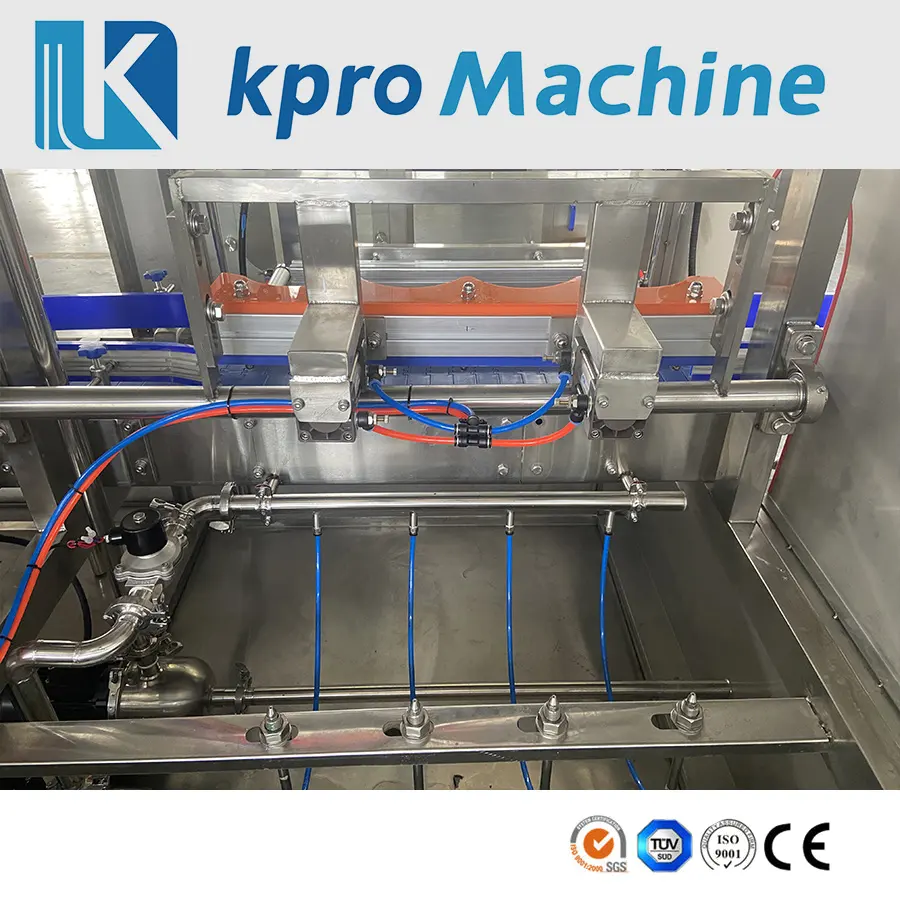
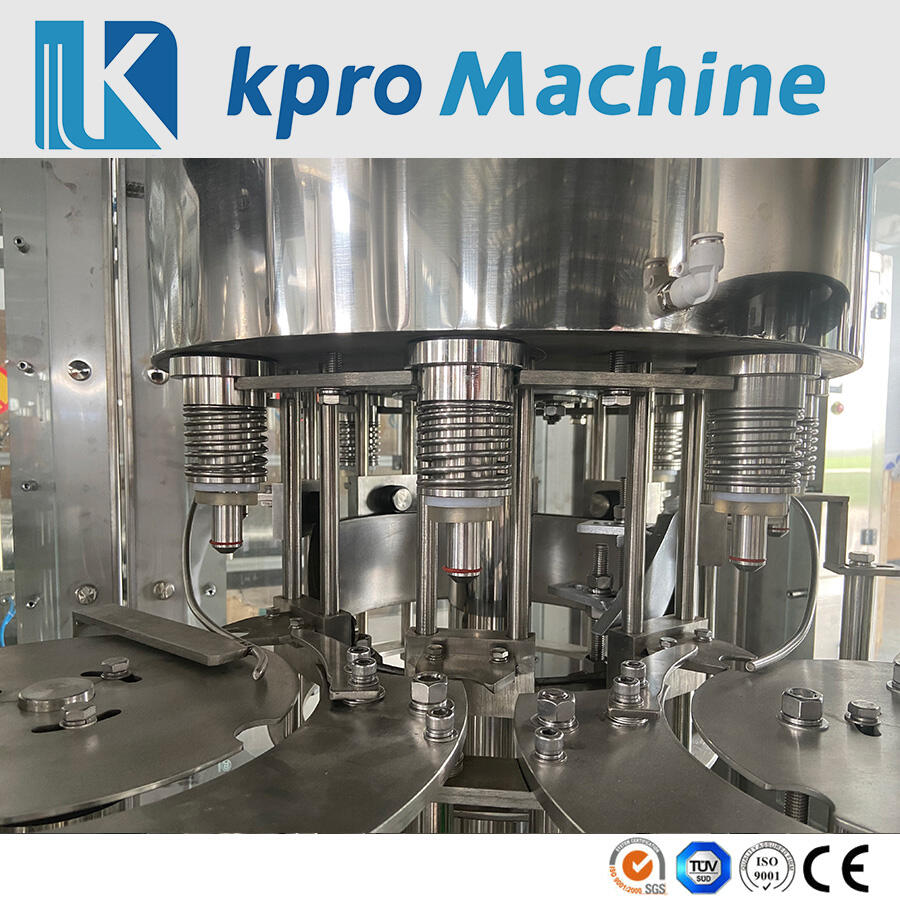
The filling nozzles and valve assemblies in a water filling machine experience particularly intense operational stress due to constant contact with water and repeated mechanical actuation. Mineral deposits from source water gradually accumulate on valve seats and flow passages, creating resistance that forces actuators to work harder and accelerates seal wear. Preventive maintenance protocols that include regular valve disassembly, inspection, and cleaning remove these deposits before they cause permanent surface damage or require complete valve replacement. This proactive approach transforms what would be catastrophic failure into routine maintenance, preserving the precision-machined components that determine filling accuracy and preventing the geometric distortion that makes valves unrepairable.
Thermal Cycling and Material Fatigue Effects
Temperature variations during production cycles subject water filling machine components to thermal expansion and contraction that creates material fatigue over time. Stainless steel frames, mounting brackets, and structural elements expand when ambient temperatures rise during operation and contract during shutdown periods. These dimensional changes, though measured in micrometers, generate stress at connection points, fasteners, and welded joints that can lead to structural loosening or crack initiation. Regular maintenance inspections identify loose mounting hardware, misaligned components, and early-stage fatigue indicators before they progress into equipment-damaging failures. The torque verification and alignment checks performed during preventive maintenance counteract thermal cycling effects, maintaining structural integrity throughout the equipment's intended service life.
Electronic components and control systems within the water filling machine are particularly vulnerable to thermal stress because semiconductor devices degrade when exposed to temperature extremes or rapid thermal cycling. Control panels, sensors, and programmable logic controllers generate heat during operation and must dissipate it effectively to maintain reliability. Preventive maintenance that includes cooling system cleaning, ventilation verification, and thermal monitoring prevents the accelerated electronic aging that shortens control system lifespan. By maintaining optimal operating temperatures through regular attention to cooling infrastructure, maintenance protocols extend the service life of expensive electronic components and reduce the frequency of control system failures that halt production.
Contamination Control and Component Preservation
Water Quality Impact on Internal Components
The water being filled represents both the product and a significant contamination risk for internal water filling machine components. Even properly treated source water contains dissolved minerals, trace organic compounds, and microscopic particulates that deposit on internal surfaces during filling operations. Calcium carbonate, magnesium compounds, and silicates form adherent scale on filling valves, flow meters, and internal piping that restricts flow, damages seals, and creates surface roughness that accelerates wear. Preventive maintenance programs that include chemical cleaning cycles, descaling procedures, and water contact surface inspection remove these deposits before they calcify into hardened scale requiring aggressive removal methods that can damage precision surfaces. This contamination control directly extends component lifespan by maintaining the smooth, clean surfaces essential for proper seal function and flow control.
Microbial biofilm formation represents another contamination mechanism that preventive maintenance addresses to preserve water filling machine integrity. Bacteria naturally present in water systems colonize internal surfaces and form protective biofilm matrices that are difficult to remove and can harbor pathogenic organisms. These biofilms not only compromise product safety but also create localized corrosion conditions that pit stainless steel surfaces and damage seals through chemical byproducts. Regular sanitation cycles performed as part of preventive maintenance eliminate biofilm before it matures, protecting internal surfaces from microbial corrosion and maintaining the hygienic conditions essential for food-grade equipment. The surface preservation achieved through consistent sanitation extends the time before components require replacement due to corrosion damage.
Lubrication Systems and Friction Management
Proper lubrication is fundamental to extending water filling machine lifespan because it directly controls the friction and wear that determine component longevity. Bearings, drive chains, conveyor components, and mechanical linkages all depend on lubricant films to separate metal surfaces and prevent adhesive wear. As lubricants age, they oxidize, accumulate contaminants, and lose their viscosity characteristics, reducing their protective effectiveness. Preventive maintenance schedules that specify lubrication intervals, lubricant types, and application methods ensure that all friction points receive appropriate protection before lubricant degradation allows metal-to-metal contact. This systematic approach to friction management prevents the accelerated wear that would otherwise necessitate premature bearing replacement and mechanical component overhaul.
The conveyor systems integral to water filling machine operations are particularly sensitive to lubrication quality because they operate continuously under loaded conditions. Chain wear, guide rail scoring, and bearing failure in conveyor drives represent common failure modes that preventive lubrication effectively prevents. Modern maintenance protocols specify food-grade lubricants that meet sanitary requirements while providing excellent wear protection, along with application frequencies calibrated to operational intensity. By maintaining proper lubrication throughout the conveyor system, preventive maintenance extends the service life of these high-wear components and prevents the catastrophic chain failures that can damage bottles, interrupt production, and require expensive emergency repairs. The cumulative cost savings from extended conveyor life alone often justify comprehensive preventive maintenance programs.
Preventing Cascading Failures Through Early Intervention
Failure Progression Patterns in Automated Equipment
Equipment failures rarely occur in isolation; instead, they follow predictable progression patterns where initial minor defects trigger secondary problems that cascade into major breakdowns. In water filling machines, a worn bearing might cause shaft misalignment, which increases vibration, which loosens mounting hardware, which allows greater movement, which damages seals, which permits water intrusion, which corrodes electrical connections, ultimately resulting in complete system failure. Preventive maintenance interrupts these failure cascades by detecting and correcting initial defects before they trigger downstream consequences. A bearing replacement performed during scheduled maintenance prevents the entire failure chain, preserving components that would otherwise be damaged by the cascading effects of the initial defect.
The economic advantage of preventing cascading failures becomes apparent when comparing preventive maintenance costs against emergency repair expenses. Replacing a bearing during scheduled maintenance might cost several hundred dollars in parts and labor, while the cascading failure triggered by bearing neglect could damage a drive motor, control electronics, and structural components, generating repair costs exceeding ten thousand dollars plus production downtime losses. Water filling machine longevity depends fundamentally on breaking these failure chains through timely intervention. Maintenance programs that include vibration monitoring, alignment verification, and component condition assessment provide the early warning necessary to prevent minor wear from escalating into equipment-destroying failures.
Sensor Calibration and Control System Accuracy
Modern water filling machines depend on sensor networks and control systems that require regular calibration to maintain accuracy and prevent operational problems that shorten equipment life. Level sensors, pressure transducers, flow meters, and position switches all experience gradual calibration drift that causes control systems to operate equipment outside optimal parameters. When fill level sensors drift out of calibration, for example, the water filling machine might overfill bottles, causing spillage that contaminates electrical components, or underfill bottles, triggering increased rejection cycles that accelerate mechanical wear. Preventive maintenance protocols that include sensor verification and recalibration maintain control system accuracy, ensuring that all equipment operates within design parameters that maximize component longevity.
The programmable logic controllers and human-machine interfaces that govern water filling machine operation require software maintenance, backup procedures, and configuration verification to ensure long-term reliability. Control program corruption, parameter drift, and memory degradation can cause erratic equipment behavior that subjects mechanical components to abnormal operating conditions. Regular control system maintenance includes program backup, parameter documentation, memory testing, and software updates that preserve control integrity. By maintaining stable, accurate control system operation through preventive software maintenance, facilities prevent the mechanical damage that results from control malfunctions and extend the productive life of their filling equipment.
Economic Value of Extended Equipment Lifespan
Capital Investment Protection and Depreciation Optimization
A water filling machine represents a substantial capital expenditure that facilities must amortize over its service life to achieve acceptable return on investment. Equipment purchased with an expected fifteen-year lifespan but replaced after eight years due to inadequate maintenance delivers only fifty-three percent of its intended economic value. Preventive maintenance programs that extend actual service life to match or exceed design expectations protect the capital investment and optimize depreciation schedules. The annual cost of comprehensive preventive maintenance typically represents two to four percent of equipment replacement cost, while premature replacement due to maintenance neglect consumes the entire capital value. This economic reality makes preventive maintenance one of the highest-return investments available to bottled water producers.
Beyond simple depreciation optimization, extended water filling machine lifespan provides competitive advantages through production stability and capacity availability. Facilities operating well-maintained equipment experience fewer unplanned downtimes, maintain more consistent production schedules, and avoid the capacity disruptions that occur during equipment replacement. The ability to reliably meet customer delivery commitments without production interruptions translates directly into customer satisfaction, contract renewals, and market reputation. Preventive maintenance creates this reliability advantage by ensuring that equipment remains productive throughout its extended service life rather than experiencing the increasing breakdown frequency that characterizes neglected machinery approaching premature failure.
Reduced Total Cost of Ownership Through Lifecycle Management
Total cost of ownership for water filling machines includes initial purchase price, installation costs, operating expenses, maintenance expenditures, downtime losses, and eventual replacement costs. Preventive maintenance reduces total ownership cost by extending the denominator in the cost-per-production-hour calculation while simultaneously reducing emergency repair expenses and unplanned downtime costs. Facilities implementing structured maintenance programs typically achieve twenty to thirty percent lower total ownership costs compared to reactive maintenance approaches, primarily through extended equipment life and reduced catastrophic failure frequency. This cost advantage compounds over decades of operation, generating cumulative savings that can fund additional production capacity or competitive pricing advantages.
The parts inventory requirements and supply chain risks associated with water filling machine operation are also reduced through effective preventive maintenance. Facilities that allow equipment to deteriorate through maintenance neglect must stock extensive emergency spare parts inventories to manage unpredictable failure patterns, tying up working capital in static inventory. Preventive maintenance programs create predictable parts consumption patterns that allow lean inventory practices and scheduled parts procurement that reduces carrying costs. Additionally, the ability to plan component replacements during scheduled maintenance windows allows sourcing of cost-effective parts rather than emergency procurement at premium prices. These supply chain efficiencies contribute to the overall economic value that preventive maintenance delivers through extended water filling machine lifespan.
Implementing Effective Preventive Maintenance Programs
Maintenance Schedule Development Based on Operating Intensity
Effective preventive maintenance for water filling machines requires schedules calibrated to actual operating intensity rather than generic time intervals. A machine operating sixteen hours daily in a high-volume facility experiences dramatically different wear rates than identical equipment running eight hours daily in a smaller operation. Maintenance schedules should therefore be based on operating hours, production cycles, or bottles filled rather than calendar intervals alone. This operating-hour approach ensures that maintenance interventions occur when component wear reaches action thresholds, preventing both premature maintenance that wastes resources and delayed maintenance that allows damage progression. Facilities should track cumulative operating hours, production volumes, and cycle counts to trigger maintenance tasks at appropriate intervals calibrated to their specific operational intensity.
The maintenance schedule should differentiate between daily operator checks, weekly technical inspections, monthly preventive tasks, and annual comprehensive overhauls that address different degradation timeframes. Daily checks focus on operational parameters, visual inspections, and immediate functional verification that identifies developing problems before they interrupt production. Weekly inspections include lubrication, adjustment verification, and more detailed component examination. Monthly maintenance addresses wear components, calibration verification, and cleaning tasks that require production interruption. Annual overhauls involve complete disassembly, measurement of wear tolerances, replacement of life-limited components, and restoration of the water filling machine to like-new condition. This tiered approach efficiently allocates maintenance resources while ensuring that no degradation mechanism progresses undetected long enough to cause permanent damage.
Documentation Systems and Condition Monitoring
Comprehensive maintenance documentation transforms preventive maintenance from a series of tasks into a strategic equipment management system that continuously improves water filling machine longevity. Maintenance records should document all inspections, repairs, parts replacements, and condition observations in a structured format that enables trend analysis and predictive maintenance development. By tracking parameters such as bearing temperatures, vibration levels, fill accuracy, cycle times, and component wear measurements over time, facilities can identify degradation trends before they reach failure thresholds. This condition-based monitoring allows maintenance scheduling optimization that balances component life utilization against failure risk, maximizing the productive use of each component while preventing unexpected breakdowns.
Modern condition monitoring technologies including vibration analysis, thermal imaging, oil analysis, and acoustic emission monitoring provide objective equipment health data that enhances preventive maintenance effectiveness. These technologies detect developing problems that are not apparent during visual inspection, enabling intervention during the earliest stages of component degradation. For water filling machines, vibration monitoring particularly valuable for detecting bearing wear, misalignment, and mechanical looseness before these conditions cause secondary damage. Thermal imaging identifies overheating motors, failing electrical connections, and cooling system deficiencies. By integrating condition monitoring data with maintenance documentation systems, facilities develop increasingly accurate predictions of component life and optimize maintenance timing to extend overall water filling machine lifespan while minimizing maintenance costs.
FAQ
How often should preventive maintenance be performed on a water filling machine?
Preventive maintenance frequency should be determined by operating intensity rather than fixed calendar intervals, with typical programs including daily operator checks, weekly technical inspections, monthly preventive tasks, and annual comprehensive overhauls. High-volume operations running multiple shifts may require more frequent interventions, while lower-volume facilities can extend intervals proportionally. The optimal schedule balances component wear rates against maintenance resource availability, ensuring that all degradation mechanisms are addressed before they cause damage while avoiding excessive maintenance that disrupts production unnecessarily.
What are the most critical components requiring preventive maintenance attention?
The most critical components in a water filling machine include filling valves and nozzles, conveyor drive systems, bearings and rotating assemblies, pneumatic actuators and seals, control sensors and instrumentation, and sanitary surface contact areas. These components experience the highest wear rates, have the greatest impact on production quality, and represent the most expensive replacement costs. Preventive maintenance programs should prioritize these critical areas with more frequent inspections, shorter replacement intervals, and more rigorous condition monitoring to prevent failures that would compromise equipment longevity or production capability.
Can preventive maintenance truly extend equipment life beyond the manufacturer's stated lifespan?
Yes, properly executed preventive maintenance programs routinely extend water filling machine operational life significantly beyond manufacturer specifications, sometimes doubling the expected service life. Manufacturer lifespan estimates typically assume average maintenance practices and moderate operating conditions, meaning that superior maintenance protocols and optimal operating environments can substantially exceed these baseline expectations. The key is consistent execution of comprehensive maintenance procedures that address all degradation mechanisms, combined with timely replacement of wear components before they cause secondary damage to more expensive structural elements.
What is the return on investment for implementing a comprehensive preventive maintenance program?
Comprehensive preventive maintenance programs typically deliver return on investment ranging from three hundred to six hundred percent over equipment lifetime through extended service life, reduced emergency repairs, decreased downtime losses, and optimized parts inventory. The annual cost of preventive maintenance generally represents two to four percent of equipment replacement value, while the avoided costs of premature replacement, catastrophic failures, and production interruptions far exceed this investment. Most facilities implementing structured preventive maintenance programs recover their investment within the first year through reduced emergency repair costs alone, with the equipment life extension benefits providing additional value throughout the extended operational period.
Table of Contents
- The Mechanical Reality of Continuous Filling Operations
- Contamination Control and Component Preservation
- Preventing Cascading Failures Through Early Intervention
- Economic Value of Extended Equipment Lifespan
- Implementing Effective Preventive Maintenance Programs
-
FAQ
- How often should preventive maintenance be performed on a water filling machine?
- What are the most critical components requiring preventive maintenance attention?
- Can preventive maintenance truly extend equipment life beyond the manufacturer's stated lifespan?
- What is the return on investment for implementing a comprehensive preventive maintenance program?