Beyond Production: The Versatile Applications of a Modern Bottle Molding Machine
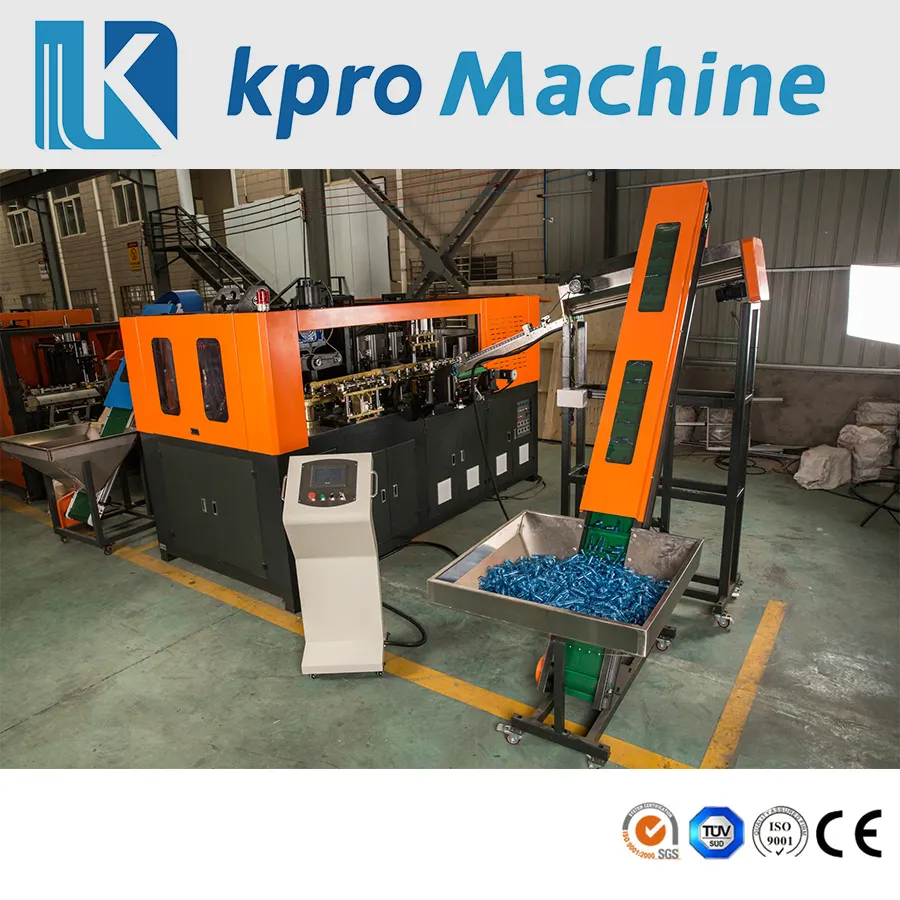
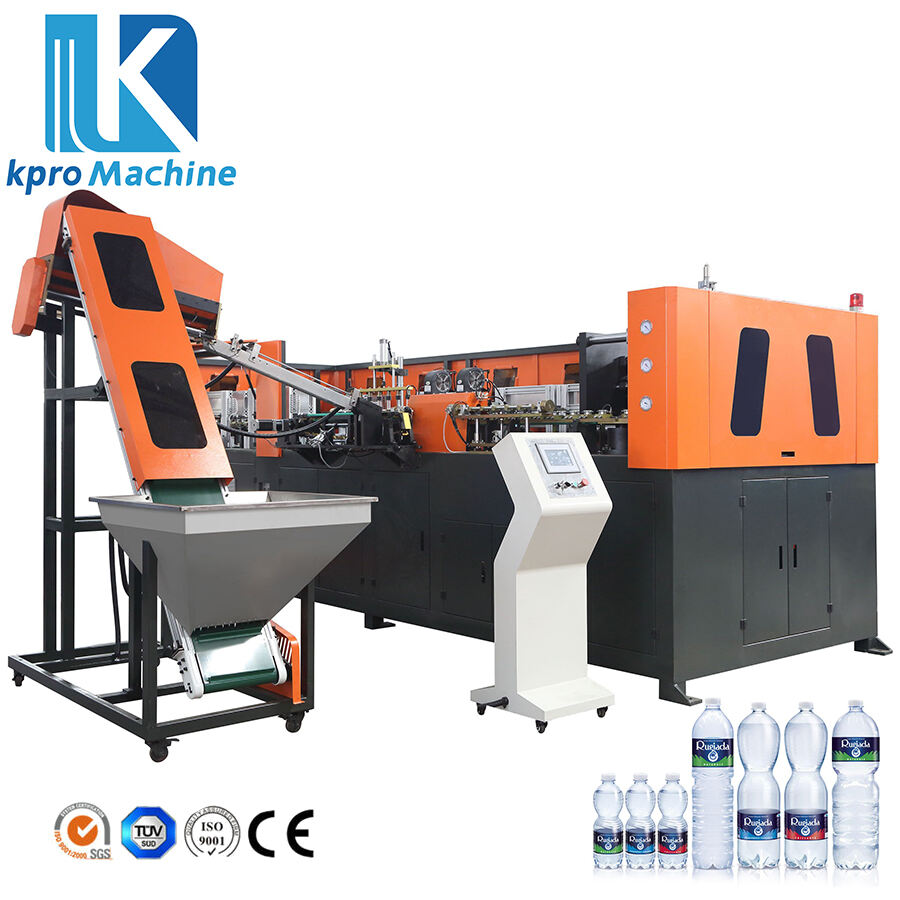
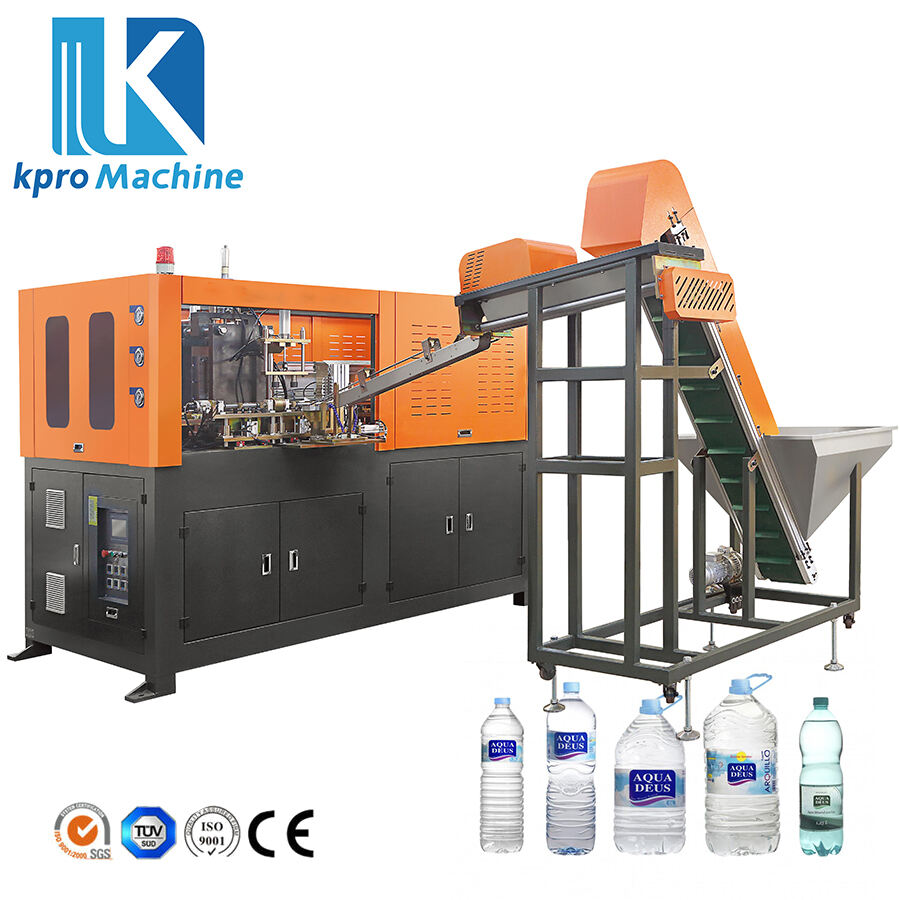
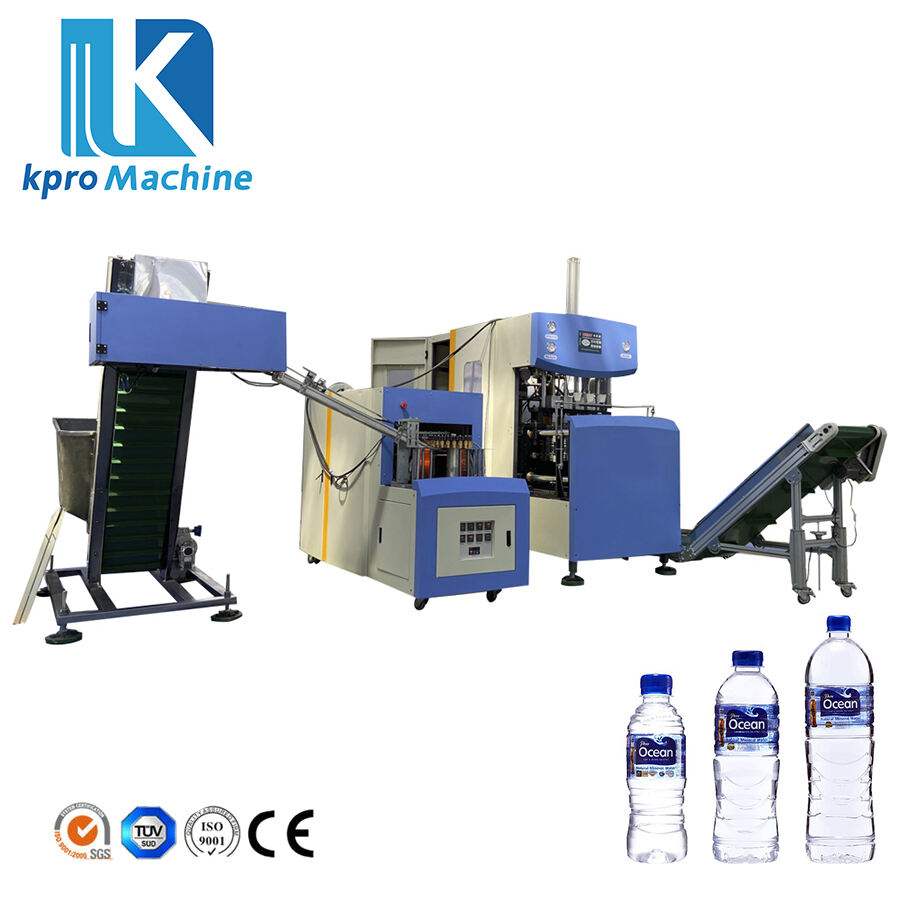
The foundational application of a bottle molding machine lies in high-volume container manufacturing for the fast-moving consumer goods (FMCG) sector. This is the engine behind the billions of bottles used for water, carbonated soft drinks, and household cleaning products. In this arena, speed, efficiency, and consistency are paramount. Modern machines, particularly stretch-blow molding systems for PET, are designed for 24/7 operation, producing lightweight, durable containers at low cost-per-unit. This makes the technology indispensable for brands competing on a global scale, where packaging reliability directly influences supply chain stability and market presence.
Beyond mass-market bottles, these machines are critical for specialized industries where container integrity directly impacts product safety and efficacy. In the pharmaceutical and personal care sectors, bottle molding machines produce containers that offer critical barrier properties against moisture, oxygen, and UV light, preserving the stability of medicines, vitamins, and premium cosmetics. The same precision is applied to the food industry for bottling sauces, oils, and condiments, often using specific materials like PP or advanced co-extrusion to prevent flavor scalping and extend shelf life. Here, the machine's value is measured by its ability to meet stringent regulatory and quality standards.
The most forward-looking application areas are driven by sustainability and smart technology. Bottle molding machines are now pivotal in the circular economy, with advanced models specifically engineered to efficiently process recycled materials like rPET and rHDPE into new, high-quality containers. Furthermore, the industry-wide push for light-weighting—creating robust bottles with less raw material—relies entirely on the precision of modern molding technology. When integrated with Industry 4.0 features like IoT sensors and data analytics, these machines transform into smart assets that optimize energy use, predict maintenance, and minimize waste, offering a clear return on investment for eco-conscious and efficiency-driven manufacturers.
 EN