 EN


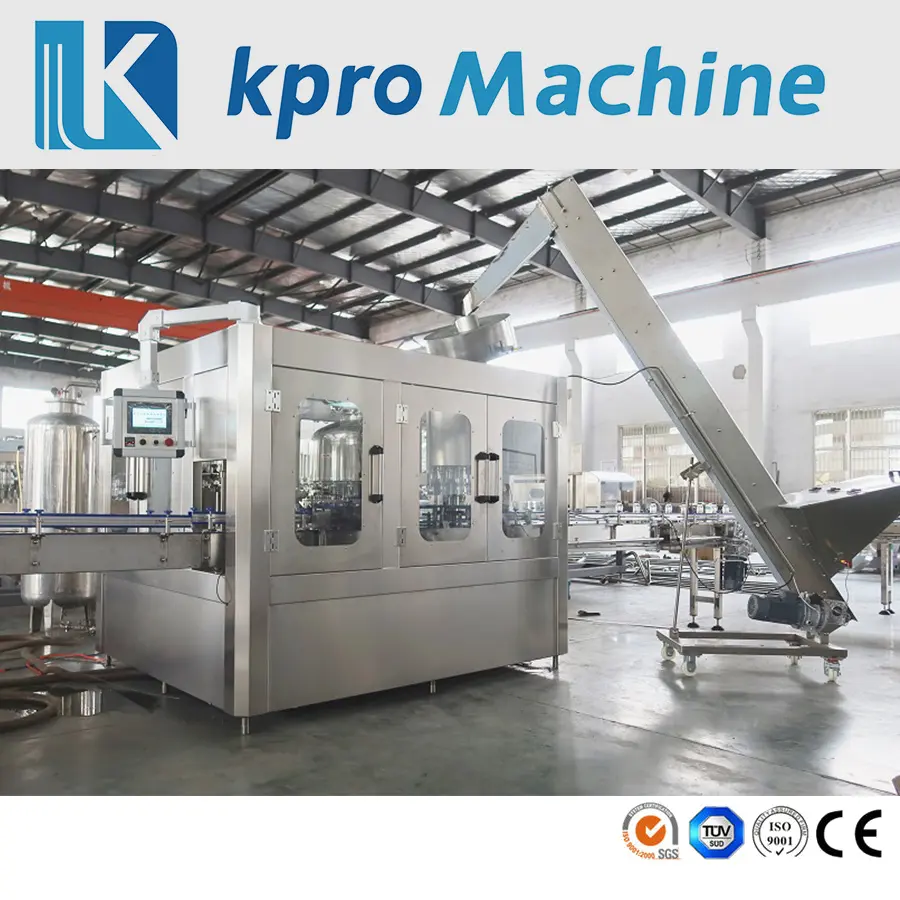
A juice machine is one of the most critical assets in any beverage production facility, but like all complex equipment, it can experience operational challenges that disrupt your production schedule. Whether you operate a small bottling line or a large-scale manufacturing facility, understanding common juice machine problems and their solutions can significantly reduce downtime and maintain product quality. Production managers and equipment operators frequently encounter issues ranging from minor calibration problems to more serious mechanical failures. Recognizing the early warning signs of a juice machine malfunction and knowing how to respond quickly can mean the difference between a minor adjustment and costly repairs.

The beverage industry depends on reliable equipment to meet production targets and maintain consistent product standards. A well-maintained juice machine operates smoothly, delivering precise filling volumes, secure seals, and minimal waste. However, when problems arise, operators need practical troubleshooting strategies to identify root causes and implement effective fixes. This guide addresses the most frequent juice machine issues, explains why they occur, and provides actionable solutions that help you restore normal operation without unnecessary equipment replacement or extended production stoppages.
Filling Accuracy and Volume Inconsistencies
Understanding Filling Errors in Your Juice Machine
One of the most common juice machine problems involves inconsistent fill volumes, where bottles receive varying amounts of product. This issue directly impacts product cost, compliance with labeling regulations, and customer satisfaction. A juice machine designed for precise filling must maintain calibrated settings throughout the production cycle. When fill volumes drift, the root cause often traces back to pressure inconsistencies, sensor malfunctions, or mechanical wear in the nozzle assembly. Operators may notice bottles underfilled, overfilled, or inconsistently filled across a production batch.
To troubleshoot a juice machine experiencing fill inconsistencies, begin by checking the pressure gauge on your filling head. Most modern juice machine systems operate within a specific pressure range, typically between 30 and 100 PSI depending on the machine specification. If the pressure fluctuates or reads below the manufacturer's recommended minimum, the juice machine likely needs pressure valve adjustment or pump servicing. Next, inspect the fill nozzles for blockages, residue buildup, or physical damage. Even minor debris accumulation inside a juice machine nozzle can disrupt the smooth flow of product and cause volume variations.
Sensor and Calibration Solutions for Your Juice Machine
Modern juice machine equipment relies on level sensors to detect when a bottle is sufficiently filled and trigger the shutoff mechanism. When a juice machine sensor becomes misaligned or fails, it cannot accurately detect the product level, resulting in over-filling or under-filling. To verify sensor performance, manually place a bottle in the filling position and observe whether the juice machine sensor detects it and triggers the fill cycle appropriately. If the sensor does not respond, clean the sensor lens first, as product residue often accumulates on the optical surface. For a persistent juice machine sensor problem, the sensor may require recalibration or replacement.
Recalibrating your juice machine is straightforward and does not require professional service in most cases. Consult the machine's operator manual for calibration procedures specific to your model. Typically, this involves adjusting the sensor sensitivity dial or using the control panel menu to set reference parameters for your bottle size. Run test fills with empty bottles first to verify the juice machine calibration before resuming full production. If your juice machine continues to show filling errors after calibration, pressure or pump issues may be the underlying cause rather than a sensor malfunction.
Mechanical Wear and Seal Failures
Identifying Leaks and Seal Deterioration in Your Juice Machine
Leaking product from filling heads, capping mechanisms, or connection points represents another frequent juice machine problem that operators cannot ignore. A juice machine with leaking seals wastes product, creates safety hazards on the production floor, and can damage electrical components if moisture reaches sensitive circuits. Seal failures in a juice machine typically result from prolonged use, chemical degradation from product contact, or improper installation. Inspect all visible rubber gaskets, O-rings, and valve seals on your juice machine for signs of cracking, hardening, or discoloration.
When you discover leaks in your juice machine, first identify the exact location of the leak by observing the production cycle while carefully watching the filling and capping station. A juice machine leak from the filling head usually indicates a worn seal in the filling valve assembly. Leaks appearing at the capping mechanism suggest capping head seals require replacement. Stop the juice machine immediately and drain residual product from the system to prevent further spillage. Many juice machine manufacturers provide seal replacement kits with clear instructions for disassembly and reassembly. Always keep spare seal kits on hand to minimize downtime when a juice machine experiences seal-related problems.
Replacement and Preventative Maintenance for Your Juice Machine
Replacing seals in a juice machine is a maintenance task that operators can typically perform without external service calls. Locate the seal compartment on your juice machine, remove the old seal carefully to avoid damaging the housing, and install the new seal using the same orientation. Ensure the new seal sits properly in the groove and does not twist or bunch during installation. After replacing any seal, run your juice machine at low speed initially to verify the leak has resolved before resuming normal production rates. Preventative maintenance significantly extends juice machine lifespan and reduces unexpected failures. Establish a routine schedule to inspect and replace seals every 6 to 12 months depending on production volume and product type.
Beyond seal replacement, a juice machine benefits from regular cleaning and lubrication of moving parts. Use only lubricants recommended by your juice machine manufacturer to avoid product contamination or material degradation. Clean your juice machine nozzles, guides, and cam followers weekly to prevent buildup that accelerates seal wear. A well-maintained juice machine with proper seal integrity operates reliably for years, reducing the frequency of juice machine problems and protecting your production schedule.
Electrical and Control System Issues
Troubleshooting Power and Motor Problems in Your Juice Machine
When a juice machine fails to start or operates erratically, electrical and control system problems are often responsible. A juice machine that does not respond to the start button requires basic electrical diagnostics before assuming mechanical failure. First, verify that the juice machine is properly connected to power and that the wall outlet functions correctly by testing with another device. Check the juice machine's emergency stop button or safety interlock switches, as these prevent operation when activated. Many operators overlook the fact that a juice machine has multiple safety features that disable operation if doors remain open or safety guards are not properly positioned.
If the juice machine still does not start after confirming power supply and safety features are engaged, examine the control panel for error codes or indicator lights. Most modern juice machine systems display diagnostic information that helps pinpoint the exact issue. Consult your juice machine manual to interpret any error codes. Common issues include blown fuses, tripped circuit breakers, or loose electrical connections. If your juice machine has power but the motor does not turn over, the problem may involve the motor itself, the drive belt, or the transmission system. Check that the drive belt on your juice machine is properly tensioned and not cracked or slipping.
Control Panel and Programming Adjustments for Your Juice Machine
Modern juice machine equipment includes programmable controls that allow operators to adjust fill volumes, speeds, and other operational parameters. When a juice machine behaves unexpectedly, incorrect control settings often explain the issue. Review your juice machine's current program settings to ensure they match your production requirements. Speed settings that are too high can cause the juice machine to malfunction or produce inconsistent results. Reduce your juice machine speed incrementally to find the optimal setting that maintains production targets while ensuring fill accuracy and seal quality.
If a juice machine displays a fault code or operates abnormally despite correct control settings, the issue may involve the control board itself. A juice machine control board exposed to moisture, dust, or temperature extremes can develop intermittent faults or erratic behavior. Ensure your juice machine operates in a clean, temperature-controlled environment away from direct water exposure. If your juice machine continues to malfunction after environmental issues are addressed, professional service may be necessary to diagnose and repair the control board.
FAQ
Why does my juice machine keep underfilling bottles?
Underfilling in a juice machine typically results from low system pressure, blocked nozzles, or misaligned fill sensors. Start by checking your juice machine pressure gauge to ensure it meets manufacturer specifications. Clean the fill nozzles on your juice machine thoroughly to remove product residue or debris. If your juice machine pressure is adequate and nozzles are clear, the fill sensor may need recalibration or replacement. Run a series of test fills to confirm your juice machine is delivering the correct volume before resuming full production.
How often should I perform maintenance on my juice machine?
A properly maintained juice machine requires weekly cleaning and inspection, monthly seal checks, and quarterly deep maintenance procedures. The specific maintenance schedule for your juice machine depends on production volume and product type. Sticky or acidic juices may require more frequent cleaning than other beverages. Establish a maintenance log for your juice machine to track service dates and any issues encountered. Regular maintenance prevents most juice machine problems from developing and extends equipment lifespan significantly compared to reactive repair approaches.
Can I fix a leaking juice machine myself or should I call a technician?
Minor leaks in a juice machine often result from simple seal or gasket replacement, which operators can typically handle without professional service. A juice machine leak from a fill valve seal or capping mechanism usually requires only basic tools and a replacement kit from your equipment manufacturer. However, if your juice machine leaks from internal pump components, the crankshaft area, or control panel connections, professional service is advisable. When in doubt about your juice machine repairs, contact the manufacturer or qualified service provider rather than risk damaging expensive internal components.