 EN


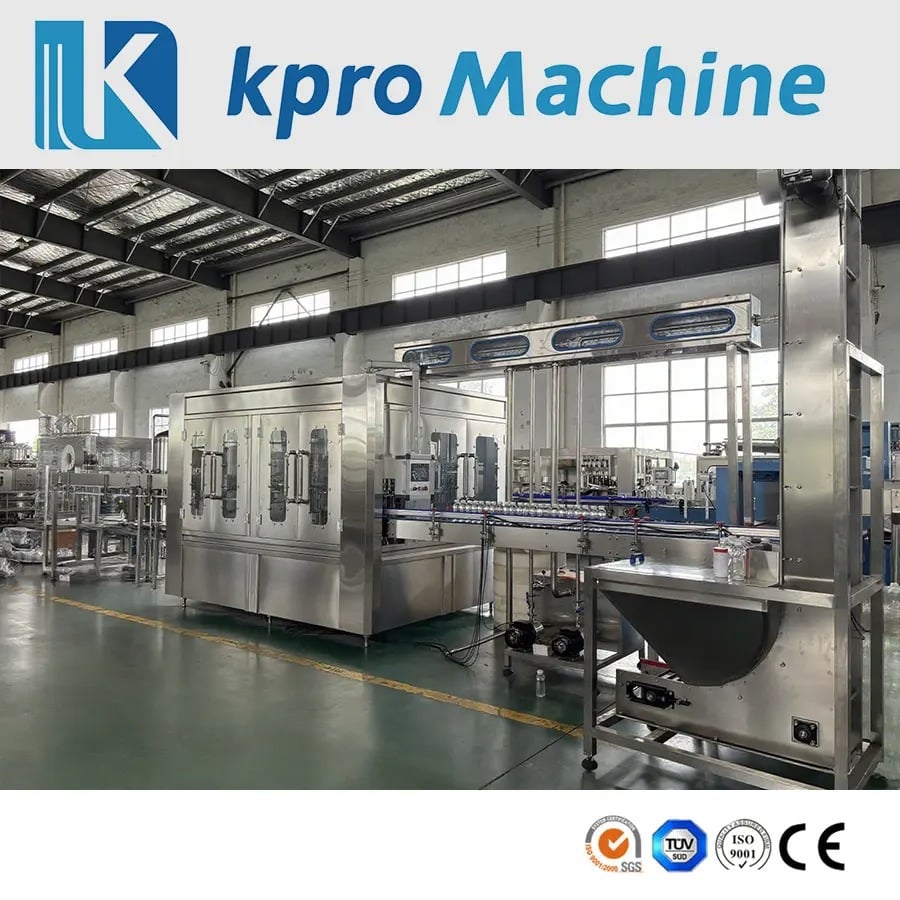
Proper maintenance and cleaning of your juice machine is essential for ensuring product safety, extending equipment lifespan, and maintaining consistent production quality. A juice machine that operates without regular cleaning and maintenance protocols can harbor harmful bacteria, compromise product integrity, and lead to costly downtime or equipment failure. Understanding the correct procedures for caring for your juice machine directly impacts your facility's hygiene standards, regulatory compliance, and operational efficiency.
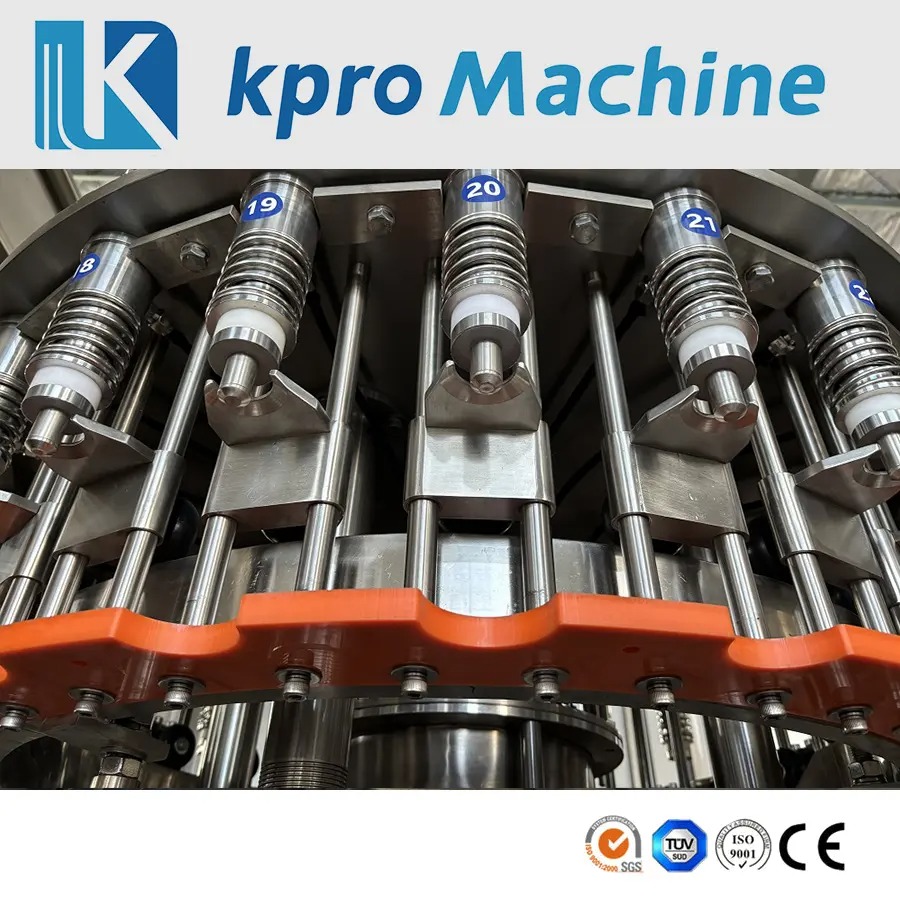
The hygiene challenges associated with beverage production are significant. A juice machine handles organic materials that can rapidly develop biofilm, mold, and pathogenic organisms if not cleaned properly. When you invest in a high-performance juice machine, you are making a commitment not just to production capacity but to maintaining the highest sanitary standards. This guide walks you through comprehensive maintenance and cleaning strategies that will protect your product, your brand reputation, and your bottom line.
Understanding Daily Cleaning Requirements for Your Juice Machine
Why Daily Cleaning Is Non-Negotiable
Every day your juice machine operates, it comes into contact with sugars, pulp, enzymes, and organic residues that create ideal conditions for microbial growth. Waiting until the end of the week to clean your juice machine allows these deposits to harden and bond to internal surfaces, making them exponentially harder to remove. Daily cleaning of your juice machine prevents cross-contamination between batches, eliminates pathogenic organisms before they proliferate, and ensures that each production run meets food safety standards and tastes fresh and clean.
Essential Daily Cleaning Procedures
Begin by flushing your juice machine with hot water immediately after the final production run of the day. This prevents juice residue from drying and setting onto surfaces. Then disassemble all removable components of your juice machine, including seals, gaskets, nozzles, and strainers. Soak these parts in a solution of warm water and approved food-safe sanitizer for at least 15 minutes. While these components soak, run a circulating cleaning solution through the internal lines and chambers of your juice machine. Use a mixture of water and approved alkaline detergent designed specifically for beverage equipment.
After circulation, flush your juice machine thoroughly with clean water until no detergent residue remains. Then run a food-safe sanitizing solution through the system for a final pass. Rinse completely again with clean water. Dry all removable components with lint-free cloths and reassemble them carefully. This daily routine for your juice machine typically takes 30 to 45 minutes but is absolutely critical for maintaining hygiene and extending the life of your equipment.
Deep Cleaning and Maintenance Protocols for Juice Machine Excellence
Weekly Deep Cleaning Strategy
Once per week, your juice machine requires a more comprehensive deep cleaning that addresses areas daily cleaning may not fully reach. Begin by completely dismantling your juice machine according to the manufacturer's specifications. Remove all seals, gaskets, valves, and internal piping that is designed to be removable. Inspect each component for visible damage, wear, or residue buildup. Soak all removable parts in a strong alkaline solution for 30 to 60 minutes. Use a soft brush to gently scrub away any remaining debris from your juice machine components, paying special attention to threads, valve seats, and seal surfaces.
Lubrication, Inspection, and Preventative Maintenance
After thorough cleaning and rinsing, apply approved food-safe lubricants to moving parts of your juice machine, including motor bearings, seals, and valve stems. Check the condition of all gaskets and seals during this inspection. Replace any gasket or seal that shows cracks, discoloration, or permanent deformation. Inspect hoses and tubing for pinholes, cracks, or internal deterioration. A failing hose in your juice machine can lead to product leakage, contamination, or equipment damage. Test all pressure gauges, temperature sensors, and control systems to ensure your juice machine is operating within specified parameters.
Document all maintenance activities performed on your juice machine in a maintenance log. This record becomes invaluable for troubleshooting problems, identifying wear patterns, and demonstrating regulatory compliance. Professional audits of food processing facilities always include verification that regular maintenance logs exist for critical equipment like your juice machine.
Sanitization Standards and Regulatory Alignment for Your Juice Machine
Choosing Appropriate Sanitizers and Detergents
Not all cleaning products are suitable for a juice machine used in food production. Your juice machine must be cleaned with products that are specifically approved for food contact surfaces and meet regulatory standards established by food safety agencies in your country. Common approved options include alkaline detergents for removing organic residues, acid-based cleaners for mineral deposits, and quaternary ammonia or chlorine-based sanitizers for microbial control. Always verify that whatever products you select for your juice machine are permitted for your specific application and jurisdiction.
Validating Your Juice Machine Cleaning Effectiveness
Cleaning your juice machine is only effective if you can verify that contamination has actually been removed. Implement a testing protocol where you periodically collect samples from your juice machine and send them to a laboratory for bacterial culture and pathogen screening. ATP (adenosine triphosphate) swab testing can be performed on-site to quickly verify cleanliness before you resume production with your juice machine. These validation tests should be conducted at least monthly and documented as part of your food safety plan.
Temperature control during cleaning and sanitization of your juice machine is critical. Your juice machine components must reach and maintain temperatures of at least 75 degrees Celsius (167 degrees Fahrenheit) during hot-water sanitization cycles. Chemical sanitizers used on your juice machine must remain in contact with surfaces for the manufacturer's recommended dwell time, typically 10 to 20 minutes. Rushing this process compromises the effectiveness of sanitization and puts your product at risk.
FAQ
How often should I replace seals and gaskets on my juice machine?
Most manufacturers recommend inspecting seals and gaskets on your juice machine weekly and replacing them every 6 to 12 months depending on usage intensity and production volume. However, if you notice any visible damage, discoloration, or if your juice machine begins leaking, replace seals and gaskets immediately. A failed seal can contaminate your entire production batch and damage other components of your juice machine.
Can I use generic cleaning products on my juice machine?
No. Your juice machine must only be cleaned with products specifically approved for food-contact equipment. Generic household cleaners, harsh chemicals, or non-food-grade sanitizers can leave residues that contaminate your juice, damage your juice machine surfaces, or violate food safety regulations. Always purchase cleaning and sanitizing products from suppliers who provide documentation that they are approved for beverage production equipment like your juice machine.
What should I do if my juice machine develops an odor despite regular cleaning?
Persistent odors in your juice machine often indicate biofilm formation inside pipes or chambers that are difficult to access. Increase the frequency of deep cleaning cycles, extend the soak time for removable components, and consider using a stronger alkaline detergent formulated for biofilm removal. If the odor persists after these steps, consult the manufacturer or a qualified technician, as your juice machine may require professional descaling or component replacement to restore proper hygiene.