 EN


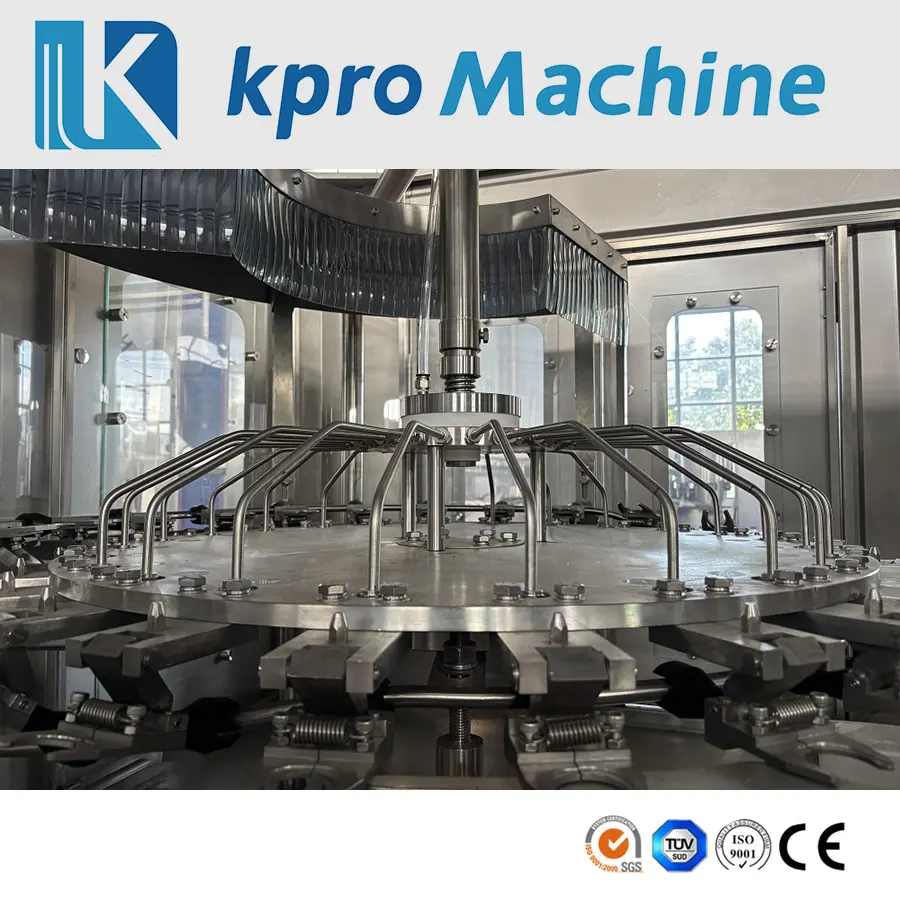
Integrating a juice machine with labeling and capping systems represents a critical operational milestone for beverage manufacturers seeking to optimize production efficiency and maintain consistent quality standards. A properly integrated juice machine streamlines the entire bottling workflow, from filling to labeling to final capping, eliminating manual transitions and reducing product contamination risks. For producers operating in competitive markets, understanding how to seamlessly combine these three essential components—the filling unit, labeling mechanism, and capping apparatus—directly impacts throughput, labor costs, and brand consistency.

This comprehensive guide explores the technical, operational, and logistical aspects of integrating a juice machine with complementary labeling and capping systems. Whether you are upgrading an existing production line or building a new beverage bottling facility, the insights presented here will help you avoid costly mistakes, optimize system performance, and achieve the production goals your business requires. We will examine infrastructure requirements, synchronization strategies, quality control measures, and practical installation considerations that ensure your juice machine operates harmoniously with downstream processing equipment.
Understanding Juice Machine Integration Fundamentals
What Integration Means for Beverage Production
Integration of a juice machine refers to the mechanical and operational alignment of your filling equipment with labeling and capping subsystems to create a unified, continuous production line. Rather than operating as isolated stations where bottles move manually between steps, an integrated juice machine ecosystem allows bottles to flow automatically from the filling chamber directly to the labeling unit and then to the capping station without human intervention. This continuous-flow approach minimizes downtime, reduces operator errors, and maintains precise bottle positioning throughout each production stage.
The juice machine must communicate with the labeling system to ensure labels are applied at the correct angle and position while bottles are properly spaced. Similarly, your juice machine's capping mechanism needs to synchronize with the labeling station so that freshly filled and labeled bottles arrive at the capping unit in the correct orientation and timing. Without proper integration, bottlenecks develop, throughput suffers, and quality inconsistencies emerge that damage brand reputation.
Key Components of an Integrated System
An effective juice machine integration strategy requires understanding the three primary components working in concert. The juice machine itself handles filling bottles with precise volumes of juice or beverage product, controlling fill height, product temperature, and overflow management. The labeling system then applies product labels, compliance information, and branding graphics to each bottle as it exits the juice machine. Finally, the capping system secures tamper-evident or standard caps, creating a sealed, shelf-ready product.
Each of these components operates on different mechanical principles and timing cycles. A juice machine fills containers in batches or continuous flow depending on design. The labeling unit requires bottles to be stationary or moving at controlled speeds to apply adhesive or apply pre-applied labels accurately. The capping system needs bottles in precise positions to apply caps without cross-threading or misalignment. Harmonizing these three distinct mechanical workflows is the core challenge and opportunity of integration.
Technical Considerations for Juice Machine Synchronization
Conveyor Alignment and Spacing Logic
The physical connection between your juice machine, labeling system, and capping equipment depends on properly designed conveyor systems that maintain consistent bottle spacing and velocity. Most modern juice machine setups use star-wheel transfer mechanisms or servo-driven conveyors that move bottles through each station at precisely calibrated intervals. When integrating a juice machine with downstream equipment, the conveyor speed must accommodate the slowest component—typically the labeling system, which requires more time per bottle than filling.
Your juice machine must complete its fill cycle within the time window allotted by the overall line speed. If a juice machine fills bottles in two seconds but the labeling system requires three seconds per application, your line speed must be set to three seconds per bottle to prevent collisions or misalignment. Conversely, if your juice machine cycles faster than the labeling system can handle, bottles will pile up at the transfer point, creating waste and potential product spillage. Careful synchronization ensures smooth flow and eliminates these production disruptions.
Electrical and Control System Integration
Modern juice machine systems rely on programmable logic controllers (PLCs) and distributed control architectures to coordinate multiple subsystems. When integrating a juice machine with labeling and capping equipment, all three components must communicate via a central control system that monitors fill levels, label application status, cap engagement, and product quality metrics. This control system typically uses real-time sensors to detect bottle presence, confirm successful fills, validate label placement, and verify cap tightness.
Integration of a juice machine at the electrical level requires harmonizing the power distribution, signal protocols, and emergency stop safety systems across all three units. Your juice machine operator interface should provide real-time visibility into labeling performance and capping status, allowing rapid identification and correction of issues before they propagate through the entire production line. Many juice machine manufacturers offer pre-configured control modules designed specifically to work with popular labeling and capping brands, simplifying integration and reducing commissioning time.
Practical Installation and Commissioning Strategies
Space Planning and Equipment Layout
Successful integration of a juice machine with labeling and capping systems begins with thorough facility planning and equipment layout design. Your juice machine occupies significant floor space, and the labeling and capping stations must be positioned within close proximity to maintain efficient product flow and minimize conveyor runs between stations. Most juice machine manufacturers provide specification sheets indicating footprint dimensions, utility connections, and recommended clearance zones for maintenance access.
When planning your facility layout, allocate sufficient space for operator access, ingredient supply lines feeding into your juice machine, and product output staging areas beyond the capping station. Consider future expansion potential—many facilities plan for a second parallel juice machine line that may share utility infrastructure with the first. Coordinate with your juice machine supplier, labeling equipment vendor, and capping system provider to ensure all equipment arrives calibrated and ready for integrated operation, reducing commissioning delays.
Calibration, Testing, and Quality Validation
Before commencing commercial production, your integrated juice machine system must undergo comprehensive calibration and testing protocols. Start by running your juice machine independently to verify fill accuracy, product temperature stability, and overflow handling under normal operating conditions. Test the labeling system with empty bottles to confirm label positioning, adhesion, and tracking consistency. Then test the capping system separately to verify cap placement, torque consistency, and cap integrity validation.
Once individual components function correctly, run integrated tests using dummy bottles or trial product batches to verify the entire system operates smoothly. Monitor for timing conflicts, conveyor misalignment, electrical signal interference, or mechanical binding that could disrupt production. Conduct extended runtime testing at target speeds to confirm stability and identify any latent issues before committing to full-scale production. Your juice machine supplier should provide technical support during this commissioning phase to resolve issues and optimize performance parameters specific to your product and facility conditions.
Quality Assurance and Ongoing Performance Optimization
Monitoring and Preventive Maintenance Protocols
An integrated juice machine system requires ongoing monitoring and preventive maintenance to sustain performance and minimize unexpected downtime. Establish daily inspection routines that include checking juice machine fill accuracy, label application quality, cap sealing integrity, and conveyor alignment. Track key performance metrics such as fill weight consistency, labeling defect rates, capping torque variance, and overall equipment effectiveness (OEE) to identify trends indicating potential problems.
Your juice machine's longevity and reliability depend on following manufacturer-recommended maintenance schedules for seals, bearings, pumps, and electrical components. Create a maintenance log that documents all service activities, spare parts replacements, and performance adjustments made to your juice machine, labeling system, and capping equipment. Many modern juice machine systems include predictive maintenance sensors that alert operators to wear conditions before failures occur, enabling proactive service that prevents costly production interruptions.
Optimization for Product Variety and Production Flexibility
As your business evolves, your juice machine integration strategy must accommodate different product formulations, bottle sizes, label designs, and cap specifications. Modern juice machine systems offer modular components that can be reconfigured to handle various bottle dimensions and fill volumes with minimal downtime. Your labeling system should support quick changeovers between different label designs and materials, and your capping equipment should accept multiple cap styles and sizes to serve diverse product portfolios.
Test your integrated juice machine system's flexibility by conducting changeover trials for your planned product variations. Document the time required to reconfigure your juice machine for different bottle sizes, verify that labeling and capping adjustments align with fill configuration changes, and establish standard operating procedures for rapid, accurate changeovers. This flexibility investment protects your production investment and enables rapid market response when launching new juice products or entering new market segments.
FAQ
What is the typical juice machine production capacity when integrated with labeling and capping systems?
Production capacity depends on your specific juice machine model, bottle size, product viscosity, and the speed capabilities of your labeling and capping equipment. Most integrated juice machine systems operate at rates between 3,000 and 8,000 bottles per hour for standard packaging. The juice machine throughput is typically determined by the slowest component in the line—usually the labeling system, which may require more processing time than filling or capping. Your juice machine supplier can calculate realistic throughput based on your specific operating requirements and equipment configuration.
Can an existing juice machine be retrofitted with new labeling and capping systems?
Many existing juice machine installations can be retrofitted with modern labeling and capping equipment, but compatibility depends on your juice machine's design, available utility connections, and control system architecture. Older juice machine models may lack the electrical interfaces or mechanical mounting points needed for seamless integration. Before retrofitting, have your juice machine evaluated by a systems integrator who can assess compatibility, identify required modifications, and provide cost estimates for upgrading controls, conveyors, and utility connections to support modern labeling and capping systems.
How do I troubleshoot issues when my juice machine, labeling, and capping systems are not synchronized?
Start by isolating each component to confirm it functions independently—run your juice machine without downstream equipment, test the labeling system with empty bottles, and verify the capping system operates correctly. If individual components work properly, check conveyor speed settings to ensure all three systems are aligned to the same production rate. Inspect sensors and electrical connections between the juice machine and labeling system, and between labeling and capping stations, for loose wires or signal interference. Consult your juice machine control system documentation to verify proper PLC program logic and signal timing, and contact your equipment suppliers' technical support teams if issues persist.