 EN


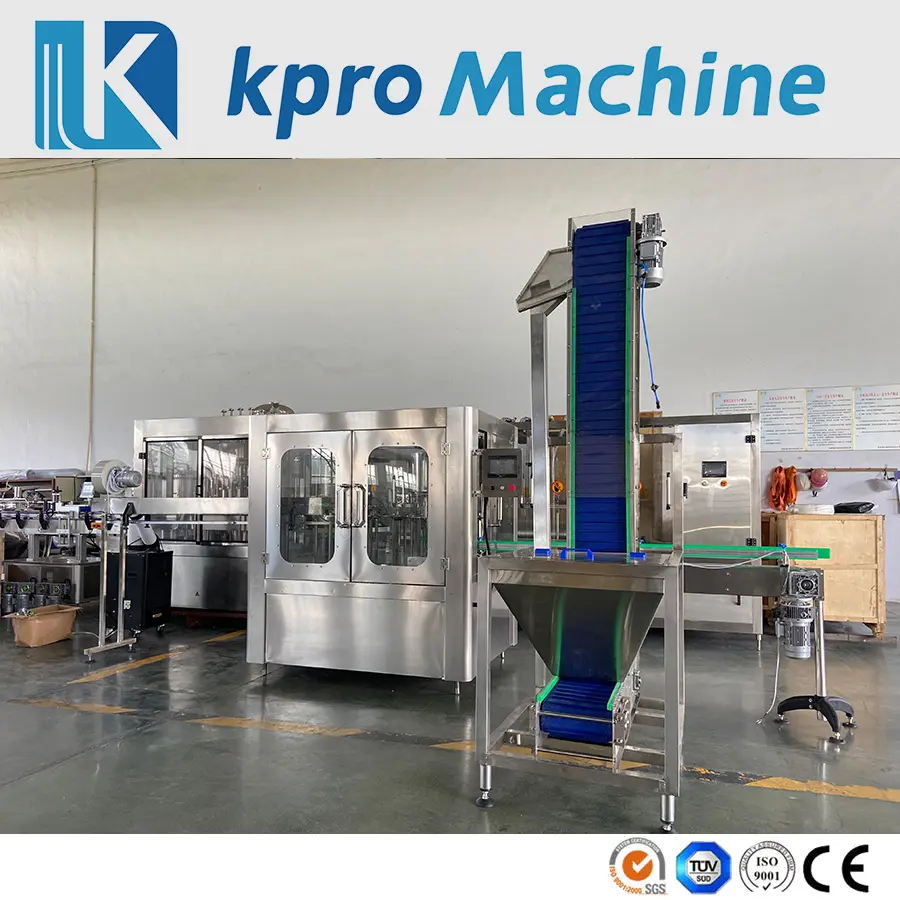
Understanding how a juice filling machine operates is essential for beverage manufacturers seeking efficiency, hygiene, and consistent product quality in their production lines. These automated systems have transformed the juice packaging industry by integrating multiple functions into synchronized workflows that handle everything from bottle handling to final sealing. A modern juice machine combines mechanical precision with programmable logic controllers to deliver repeatable performance across thousands of bottles per hour, ensuring every container meets strict quality standards while minimizing product waste and contamination risks.

The operational sequence of a juice machine involves carefully coordinated stages that begin when empty bottles enter the system and conclude when sealed, labeled products exit toward packaging. Each phase serves a specific purpose in maintaining product integrity, from initial container sterilization through precise volumetric filling, secure capping, and quality verification. This comprehensive guide breaks down the entire workflow into understandable steps, explaining the mechanical components, timing mechanisms, and control systems that enable these machines to function reliably in demanding production environments where uptime and accuracy directly impact profitability.
Core Components and Their Functional Roles
Bottle Feeding and Orientation System
The journey through a juice machine begins at the bottle feeding station, where empty containers are loaded onto a conveyor system designed to maintain consistent spacing and orientation. This initial stage employs starwheel mechanisms or air conveyors that gently guide bottles from bulk storage into single-file formation, preventing jams and breakage. Sensors detect bottle presence and orientation, triggering automatic adjustments when containers arrive incorrectly positioned. The feeding system must accommodate various bottle shapes and sizes through adjustable guides and changeover components that production teams can reconfigure when switching product lines.
Modern juice machine designs incorporate servo-driven indexing systems that precisely control bottle movement through each processing station. These systems use encoder feedback to maintain exact positioning tolerances measured in millimeters, ensuring bottles arrive at filling nozzles with repeatable accuracy. The orientation mechanism also includes reject gates that automatically remove damaged or improperly shaped containers before they enter critical filling zones, protecting downstream equipment from potential damage and preventing contamination of the entire production batch.
Rinsing and Sterilization Module
Before any juice enters the container, the bottle undergoes thorough cleaning through an integrated rinsing station that forms a critical component of every juice machine. This module inverts bottles over specialized nozzles that spray purified water or sterile air into the interior, dislodging dust particles, residual manufacturing debris, and potential microbial contaminants. The intensity and duration of rinsing cycles are programmable parameters that operators adjust based on bottle cleanliness requirements and the type of juice product being packaged, with hot-fill applications demanding more rigorous sterilization protocols.
The sterilization process may incorporate multiple treatment methods depending on the juice machine configuration and product shelf-life requirements. Some systems use ionized air jets combined with UV light exposure to achieve microbial reduction without chemical additives, while others employ brief exposure to hydrogen peroxide mist followed by sterile air purging. Advanced machines feature dedicated rinse water recirculation systems with filtration and temperature control, ensuring consistent treatment while conserving resources. The entire rinsing cycle typically completes within seconds per bottle, maintaining production speed without compromising sanitation standards essential for beverage safety.
Filling Valves and Volume Control Mechanisms
The heart of any juice machine lies in its filling valve assembly, where precise liquid dispensing occurs through carefully engineered nozzles that control flow rates, minimize foaming, and ensure accurate volume delivery. These valves operate through various mechanisms including gravity filling, pressure filling, or vacuum filling, with selection depending on juice viscosity, carbonation levels, and required filling speeds. Each valve connects to a central manifold supplied by temperature-controlled product tanks, with individual flow meters or timing circuits governing the exact quantity dispensed into each container.
Modern filling valves incorporate anti-drip features that prevent product waste and maintain cleanliness around the filling zone. As bottles index beneath the valve heads, mechanical lifts raise containers to create a seal against the dispensing nozzle, initiating the fill cycle only when proper contact is confirmed. Flow control happens through pneumatic actuators or electronic servo valves that open and close with millisecond precision, responding to feedback from level sensors or volumetric measurement systems. This closed-loop control ensures each bottle receives the programmed fill volume within tight tolerances, typically less than one percent deviation across an entire production run.
Sequential Operation Through the Processing Stations
Conveyor Timing and Synchronization Logic
The operational efficiency of a juice machine depends entirely on precise timing synchronization across all processing stations, achieved through programmable logic controllers that coordinate conveyor movements with valve actuations and capping mechanisms. The control system divides the machine into indexed positions, with bottles advancing from one station to the next at predetermined intervals measured in fractions of a second. This indexing motion can be continuous, with bottles moving steadily through rotary platforms, or intermittent, where containers pause at each station for processing then advance simultaneously to the next position.
Sensor networks throughout the juice machine provide real-time feedback to the control system, detecting bottle presence, fill levels, cap placement, and potential malfunctions before they cascade into broader production issues. When a sensor indicates an anomaly such as a missing bottle or improper fill, the control logic can either halt the machine for operator intervention or automatically reject the defective unit while continuing production of conforming products. This intelligent monitoring reduces downtime and prevents the shipment of substandard products, protecting brand reputation while maintaining throughput efficiency that justifies the capital investment in automated filling equipment.
Hot Filling Process Dynamics
When processing heat-sensitive juice products that require extended shelf life without refrigeration, the juice machine must execute a hot-fill sequence that introduces product at elevated temperatures typically between seventy and ninety-five degrees Celsius. This thermal processing kills spoilage microorganisms and enzymes that would otherwise degrade product quality, but it also introduces engineering challenges related to thermal expansion, bottle deformation, and seal integrity. The filling station maintains precise temperature control through jacketed piping and insulated valve assemblies, preventing premature cooling that could compromise the sterilization effect.
After hot juice enters the bottle, the container proceeds immediately to a capping station where closure application must occur before significant temperature drop allows contamination. Some juice machine configurations incorporate a hold tunnel where filled bottles remain at elevated temperature for a specified duration, allowing the hot liquid to sterilize the bottle neck and interior cap surface through residual heat. Following this hold period, bottles enter a controlled cooling zone where water sprays or air jets gradually reduce product temperature to prevent thermal shock that could cause glass breakage or PET bottle distortion. The entire thermal management sequence requires precise coordination between filling speed, product temperature, and cooling capacity to maintain both product safety and container integrity.
Capping Station Operation and Torque Application
Once bottles contain the proper juice volume, they advance to the capping station where closure application completes the primary packaging process. A cap sorting and feeding system orients closures and delivers them via vibratory bowls or centrifugal feeders to a transfer mechanism that positions each cap above its corresponding bottle. The juice machine employs various capping technologies including snap cappers for press-on lids, chuck cappers for screw threads, and roller cappers that gradually tighten closures while bottles rotate beneath spinning wheels that apply consistent torque.
Torque management represents a critical parameter in capping operations, as insufficient tightening leads to leakage and contamination while excessive force can strip threads, crack bottles, or deform closures. Advanced juice machine models incorporate torque monitoring systems that measure the rotational resistance during cap application, automatically rejecting bottles that fall outside acceptable ranges. The capping head design includes clutch mechanisms or torque-limiting drives calibrated to deliver force within narrow specifications, typically plus or minus five percent of the target value. After capping, some systems include leak detection stations that apply vacuum or pressure differentials to identify improperly sealed containers before they proceed to secondary packaging operations.
Control Systems and Automation Intelligence
Human-Machine Interface and Recipe Management
Operators interact with the juice machine through sophisticated touchscreen interfaces that display real-time production metrics, allow parameter adjustments, and provide diagnostic information when issues arise. These human-machine interfaces present intuitive graphics showing machine status, with color-coded indicators revealing which stations are operating normally and which require attention. Menu structures organize settings by function, enabling quick access to fill volumes, conveyor speeds, temperature setpoints, and other variables that influence product quality and production efficiency.
Recipe management functionality allows production teams to store complete parameter sets for different juice products and bottle formats, then recall these configurations with single-button commands during changeovers. A typical juice machine might store dozens of recipes covering various juice types, container sizes, and filling requirements, with each recipe containing hundreds of individual parameters governing valve timing, conveyor speeds, and quality check thresholds. This digital recipe storage eliminates manual setup procedures that previously consumed hours of production time, enabling rapid transitions between products while ensuring consistent results through standardized settings validated during product development trials.
Quality Monitoring and Data Logging Functions
Modern juice machine installations incorporate extensive quality monitoring systems that continuously verify critical parameters throughout production runs, documenting performance for regulatory compliance and process optimization. Fill weight verification happens through inline checkweighers that measure every bottle passing through the system, automatically rejecting underweight or overweight containers while alerting operators to systematic deviations that might indicate valve malfunctions or product supply issues. Vision systems inspect cap placement, label application, and bottle condition, using high-speed cameras and image processing algorithms to identify defects invisible to human inspectors maintaining pace with production speeds.
All sensor data, quality measurements, and operational events are logged to secure databases that production managers analyze to identify improvement opportunities and troubleshoot recurring problems. The juice machine generates reports showing production volumes, reject rates by defect type, downtime incidents with duration and cause, and trend analyses revealing gradual performance degradation before catastrophic failures occur. This data-driven approach to manufacturing management enables predictive maintenance scheduling, where wear components are replaced based on actual usage patterns rather than arbitrary time intervals, reducing unexpected breakdowns while avoiding premature part replacement that wastes resources.
Safety Systems and Emergency Protocols
Comprehensive safety systems integrated throughout the juice machine protect both personnel and equipment from hazards associated with high-speed automated machinery, moving conveyors, and pressurized fluids. Emergency stop buttons positioned at multiple locations around the equipment enable immediate shutdown when operators observe dangerous conditions, activating braking systems that halt all motion within prescribed safety distances. Interlocked guards prevent access to moving components during operation, requiring deliberate override procedures that log safety bypasses for management review and ensure modifications occur only under controlled conditions.
The control system continuously monitors safety-critical parameters including motor currents, hydraulic pressures, and temperature extremes, triggering automatic shutdowns when readings exceed safe operating ranges. Fault diagnostics guide maintenance personnel through systematic troubleshooting procedures, displaying error codes with plain-language descriptions and recommended corrective actions. The juice machine also implements hygienic design principles required in food processing environments, with smooth surfaces free of bacterial harboring crevices, tool-free access panels for cleaning, and materials resistant to corrosive sanitizing chemicals used during routine sanitation procedures mandated by food safety regulations.
Maintenance Requirements and Performance Optimization
Preventive Maintenance Schedules and Procedures
Sustained performance from a juice machine requires disciplined adherence to preventive maintenance programs that address wear components before failures interrupt production. Daily maintenance tasks include visual inspections of conveyor belts for damage, verification of proper lubrication at bearing points, and cleaning of filling nozzles to prevent product buildup that could affect flow accuracy. Operators perform quick functional checks at shift start, cycling the machine through empty runs to confirm all stations advance properly and sensors respond correctly before introducing product and bottles into the system.
Weekly and monthly maintenance procedures involve more detailed inspections and component replacements guided by manufacturer recommendations and operational experience. Technicians examine valve seals for wear, replace filter elements in pneumatic supply lines, calibrate torque settings on capping heads, and verify accuracy of fill volumes using certified test equipment. The juice machine maintenance schedule also includes periodic deep cleaning operations where production stops for thorough sanitation of all product-contact surfaces, often coordinated with changeovers between juice varieties to prevent cross-contamination. Detailed maintenance records document all interventions, creating historical data that informs future maintenance planning and warranty claims if equipment defects contribute to premature component failures.
Troubleshooting Common Operational Issues
Even well-maintained juice machine installations occasionally experience operational issues that require systematic diagnosis and correction. Inconsistent fill volumes often trace to worn valve seals, improper product temperature affecting viscosity, or air entrainment in supply lines that creates measurement errors. Operators address these problems through valve servicing, temperature adjustments at product tanks, and bleeding procedures that purge trapped air from filling circuits. Bottle jams typically result from incorrect guide adjustments for a particular container size, conveyor timing errors, or damaged bottles that should have been rejected at earlier inspection stations.
Capping defects including loose closures or stripped threads usually indicate incorrect torque settings, worn capping heads requiring replacement, or cap feeding problems delivering closures at improper angles. Systematic troubleshooting follows logical sequences that isolate variables, starting with simple checks of setpoints and adjustments before progressing to component replacement. The juice machine control system assists diagnosis through alarm histories showing the sequence of events preceding failures, helping maintenance personnel distinguish between root causes and downstream effects. Experienced technicians develop facility-specific troubleshooting guides documenting solutions to recurring issues unique to particular juice formulations, bottle designs, or environmental conditions in their production facilities.
Performance Metrics and Efficiency Analysis
Measuring juice machine performance requires tracking multiple metrics that collectively reveal operational effectiveness and identify improvement opportunities. Overall equipment effectiveness combines availability percentage, performance efficiency, and quality yield into a single index that benchmarks current capability against theoretical maximum output. Availability measures actual production time as a percentage of scheduled operating hours, accounting for downtime from breakdowns, changeovers, and planned maintenance. Performance efficiency compares actual bottle output to the machine's rated capacity, revealing slowdowns from minor stops, reduced speeds, and idling periods.
Quality yield quantifies the proportion of produced bottles that meet all specifications, with rejects reducing the effective output and increasing cost per acceptable unit. Production managers analyze these metrics to prioritize improvement projects, directing resources toward the constraints that most limit overall throughput. For instance, if availability is high but performance efficiency lags, the focus shifts to eliminating short stops and optimizing speed settings. Conversely, poor quality yield despite good availability and speed indicates problems with process control, component wear, or raw material quality. Continuous monitoring of juice machine performance through these standardized metrics drives incremental improvements that compound over time, significantly enhancing return on investment beyond the initial equipment capabilities.
FAQ
What bottle sizes can a typical juice machine accommodate?
Most industrial juice machine models accommodate bottle volumes ranging from two hundred milliliters to two liters through adjustable guides, changeable valve heads, and programmable fill cycles. The physical machine dimensions determine the absolute size range, but quick-change components enable operators to switch between formats within this range in thirty minutes to two hours depending on complexity. Some specialized machines handle only narrow size ranges optimized for specific market segments, while flexible models sacrifice some speed capability to gain broader format versatility.
How frequently does a juice machine require calibration checks?
Fill volume calibration should occur at every product changeover, with additional verification at shift starts and periodic checks during extended production runs, typically every four hours. Formal calibration using certified test weights and volumetric standards happens monthly or quarterly depending on regulatory requirements and internal quality standards. Capping torque verification follows similar schedules, with daily functional checks supplemented by detailed measurements using torque analyzers at weekly or biweekly intervals to ensure closures maintain proper seal integrity throughout their shelf life.
Can a juice machine handle pulpy or high-viscosity products effectively?
Juice machine capability with pulpy products depends on specific design features including valve orifice diameter, flow path geometry, and pumping mechanisms. Standard machines handle thin to medium viscosity juices with fine pulp particles, while specialized models incorporate larger diameter valves, positive displacement pumps, and gentle handling systems for products containing substantial fruit pieces or high pectin content. Manufacturers specify viscosity limits and maximum particle sizes for each model, with some designs reaching fifty thousand centipoise and accommodating particles up to twelve millimeters in diameter.
What cleaning procedures must occur between different juice varieties?
Changeover cleaning protocols vary based on allergen concerns and flavor carryover risks, ranging from simple water flushes for similar products to complete clean-in-place cycles using alkaline detergents and acid rinses for major transitions. A typical intermediate cleaning involves flushing all product-contact surfaces with hot water, circulating cleaning solutions through valves and manifolds, then rinsing with purified water until conductivity measurements confirm complete chemical removal. Total changeover time including cleaning and setup adjustments typically requires two to four hours, though some facilities maintain dedicated juice machine lines for each major product category to minimize transition frequency and associated downtime.