 EN


Water filling machines represent a critical investment for beverage manufacturers seeking precision, consistency, and cost efficiency. Modern water filling machines have transformed production lines by delivering accurate fill volumes, minimizing spillage, and dramatically reducing product waste. Whether you operate a small bottling facility or a large-scale production plant, understanding how water filling machines improve accuracy and reduce product waste is essential for maintaining competitive margins and meeting quality standards.
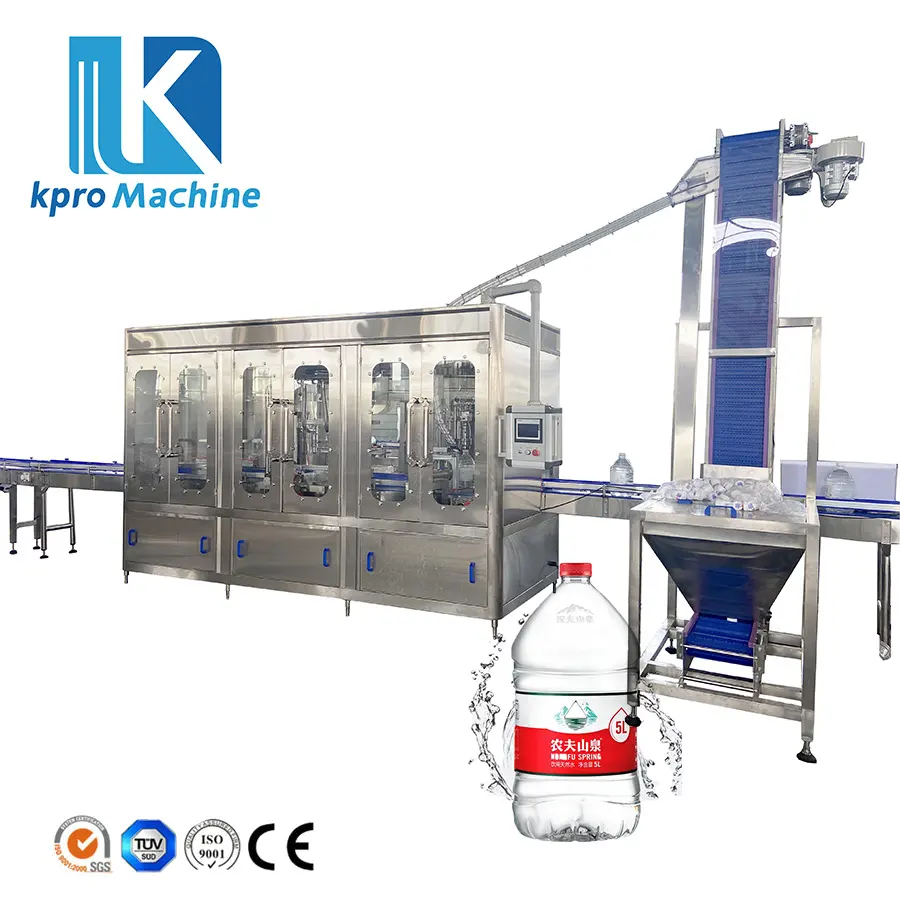
The beverage industry faces constant pressure to optimize production efficiency while maintaining strict quality control. Water filling machines address this challenge by using advanced sensor technology, precision volumetric controls, and automated calibration systems. These sophisticated machines ensure each bottle receives exactly the specified volume, reducing overfills and underfills that directly impact profitability and customer satisfaction.
How Water Filling Machines Enhance Precision and Reduce Losses
Volumetric Accuracy and Consistency
Water filling machines utilize digital flow meters and load cell technology to achieve volumetric accuracy within fractions of a milliliter. Each cycle of water filling machines maintains consistent fill levels across thousands of bottles without manual adjustment. This precision eliminates the common problem of overfilling, where excess product is dispensed into containers, directly reducing material costs. The accuracy of water filling machines also prevents underfilling, which can lead to customer complaints and regulatory violations.
The metering systems in water filling machines respond instantly to changes in liquid viscosity, temperature, and pressure. Advanced water filling machines incorporate feedback sensors that monitor actual fill volume in real-time, automatically adjusting nozzle opening duration to maintain exact target volumes. This dynamic compensation means water filling machines deliver superior accuracy compared to manual filling or older mechanical systems.
Real-Time Waste Detection and Prevention
Modern water filling machines include integrated quality control features that detect and prevent waste before it happens. When water filling machines identify anomalies such as blocked nozzles, leaking valves, or misaligned bottles, they automatically stop the production cycle and alert operators. This preventive approach means water filling machines eliminate entire batches of defective fills before they enter packaging, saving thousands of units monthly.
Water filling machines equipped with vision systems can verify fill levels optically before bottles move to the next production stage. These systems reject any container that falls outside acceptable parameters, ensuring water filling machines maintain quality standards continuously. The combination of preventive detection and automatic rejection makes water filling machines invaluable for reducing overall product waste across your facility.
Operational Efficiency and Cost Reduction Benefits
Minimizing Spillage and Environmental Impact
Spillage represents a significant but often hidden source of waste in beverage production. Water filling machines address spillage through precision nozzle positioning, enclosed fill chambers, and drip containment systems. Each cycle of water filling machines reduces environmental exposure and product loss compared to semi-automated or manual processes. The contained filling environment of water filling machines means water and minerals remain where they belong—inside bottles, not wasted on production floors.
Water filling machines also contribute to sustainability goals by reducing water consumption per unit produced. When water filling machines operate at peak accuracy, manufacturers require less total liquid inventory to meet production quotas. This efficiency translates to lower water procurement costs and reduced environmental footprint, making water filling machines an environmentally responsible choice for growing facilities.
Labor Efficiency and Scalability
Water filling machines dramatically reduce labor requirements by automating the most time-consuming and error-prone aspect of production. A single operator can monitor multiple water filling machines simultaneously, whereas manual filling demands continuous hands-on attention. This labor efficiency allows facilities to scale production without proportional increases in staffing costs, making water filling machines essential for competitive pricing.
The scalability advantage of water filling machines becomes apparent when comparing output to manual methods. Where a skilled operator might fill 30 bottles per minute manually, water filling machines achieve 500 to 1000 bottles per hour depending on the model. This dramatic throughput improvement means water filling machines enable manufacturers to meet growing demand without expanding floor space or multiplying labor costs exponentially.
Implementation Considerations and Performance Optimization
Selecting Appropriate Water Filling Machine Technology
Different product types and production volumes require different water filling machines configurations. Volumetric filling works best for consistent, free-flowing liquids like purified water and mineral water. Water filling machines designed for small bottles operate differently than those engineered for large containers. Understanding your specific requirements ensures water filling machines deliver maximum accuracy and waste reduction for your product line.
Manufacturers should evaluate water filling machines based on target production speed, acceptable accuracy tolerances, and integration with existing conveyor systems. High-speed water filling machines capable of 1000 bottles per hour require different infrastructure than slower but simpler models. Consulting with equipment specialists helps ensure water filling machines match your facility's capacity needs and quality standards precisely.
Maintenance and Calibration Protocols
Water filling machines maintain peak accuracy when calibrated regularly and serviced according to manufacturer specifications. Proper maintenance of water filling machines includes cleaning nozzles, checking valve seals, and validating sensor accuracy with calibrated test standards. Facilities that implement rigorous maintenance schedules for water filling machines experience fewer performance degradations and longer equipment lifespan.
Regular calibration of water filling machines ensures accuracy remains within specification as components age and environmental conditions shift. Seasonal adjustments may be necessary when water temperature or facility humidity changes significantly. Well-maintained water filling machines deliver consistent waste reduction benefits throughout their operational lifetime, protecting your investment and maintaining competitive advantage.
FAQ
What accuracy levels can modern water filling machines achieve?
Modern water filling machines typically achieve accuracy within plus or minus 1-2 milliliters for standard beverage applications. Premium water filling machines equipped with advanced load cell sensors can achieve accuracy within plus or minus 0.5 milliliters. The specific accuracy capability of water filling machines depends on the technology level, nozzle design, and calibration quality. Higher accuracy water filling machines reduce both overfills and underfills, maximizing waste reduction and profitability.
How much product waste can water filling machines typically reduce?
Facilities transitioning from manual or basic mechanical filling to advanced water filling machines typically reduce product waste by 15-25 percent. Water filling machines eliminate overfill losses, reduce spillage, and prevent defective fills through integrated quality monitoring. The exact waste reduction from water filling machines varies based on previous filling method, product type, and production volume. Many facilities report that improved accuracy from water filling machines pays for equipment investment within 12-24 months through material savings alone.
Can water filling machines handle different bottle sizes and product types?
Water filling machines designed for versatility can accommodate multiple bottle sizes through quick-change nozzle heads and adjustable positioning systems. Some water filling machines include automatic switching systems that detect bottle size and adjust fill parameters accordingly. However, water filling machines optimized for specific product types deliver superior accuracy than universal models. Facilities with diverse product portfolios often invest in dedicated water filling machines for high-volume products and flexible machines for specialty items.