 EN


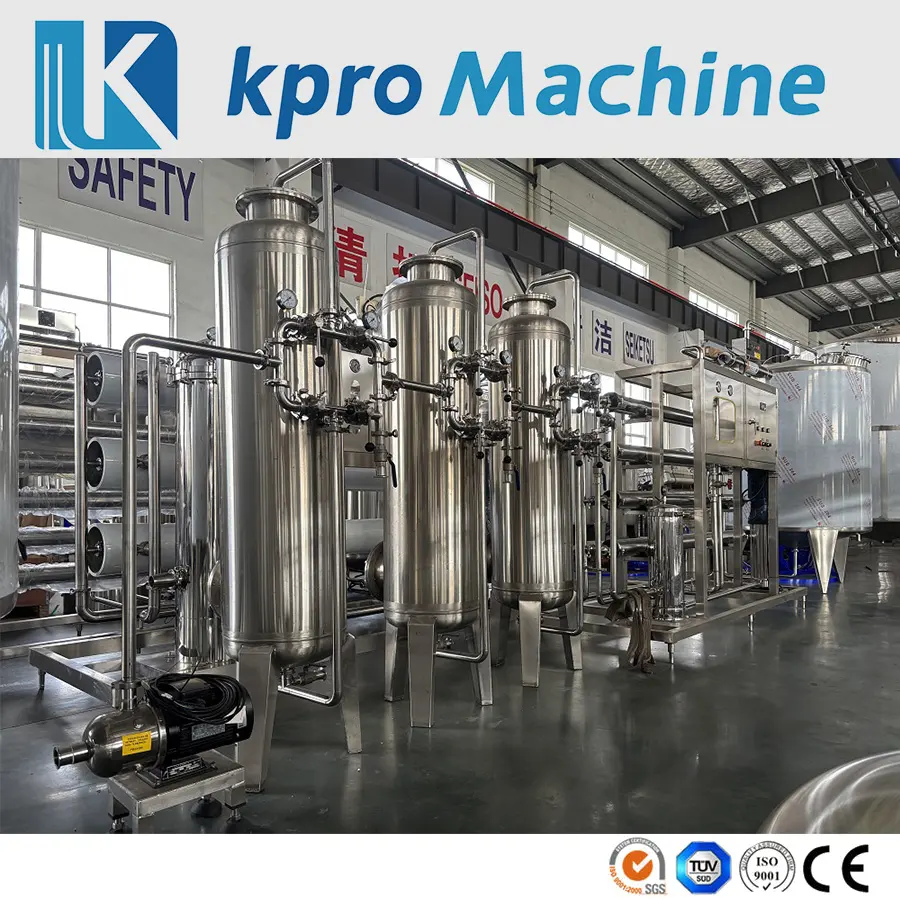
Industrial pure water machines represent critical infrastructure for manufacturing facilities, pharmaceutical plants, food and beverage operations, and electronics production environments where water quality directly impacts product integrity and process reliability. Understanding how these systems function through their complete purification cycle enables facility managers and operations teams to optimize performance, anticipate maintenance needs, and ensure consistent output quality that meets stringent industry standards. The step-by-step process through which a pure water machine transforms incoming municipal or well water into ultrapure product water involves multiple interdependent treatment stages, each designed to remove specific contaminant categories while maintaining system efficiency and operational longevity.

The architecture of an industrial pure water machine integrates mechanical filtration, chemical treatment, membrane separation, and advanced polishing technologies in a carefully sequenced configuration that addresses both particulate and dissolved contaminants. Each processing stage within the pure water machine serves a specific function in the overall purification strategy, with upstream stages protecting downstream components from premature fouling while progressively reducing contamination levels to meet application-specific requirements. This comprehensive treatment approach differentiates industrial pure water systems from simpler point-of-use filters, delivering consistent water quality at production scales that support continuous manufacturing operations with predictable performance characteristics and documented validation capabilities.
Pre-Treatment Stage: Foundation of the Purification Process
Raw Water Analysis and Intake Conditioning
The purification cycle within a pure water machine begins with comprehensive analysis of incoming water chemistry to establish baseline contamination profiles and guide system configuration decisions. Raw water characteristics vary significantly based on source type, with municipal supplies typically containing chlorine, chloramines, and residual treatment chemicals, while well water often presents elevated hardness, iron, manganese, and bacterial contamination. This initial assessment determines which pre-treatment components must be incorporated into the pure water machine design to address specific contaminant challenges present in the feed water. Intake conditioning may include pH adjustment, oxidant injection for biological control, or coagulant dosing to facilitate subsequent filtration steps, establishing optimal chemical conditions for downstream treatment processes.
Multimedia Filtration and Particulate Removal
The first physical treatment stage employs multimedia filters containing layered beds of graded media materials that capture suspended solids, sediment, and particulate matter through depth filtration mechanisms. These filters within the pure water machine typically utilize anthracite coal, silica sand, and garnet in descending particle size gradients, creating a filtration matrix that traps progressively smaller particles as water flows downward through the bed. The multimedia filtration process removes turbidity, rust particles, sediment, and other suspended materials that could foul downstream membrane surfaces or interfere with subsequent treatment stages. Backwashing cycles periodically reverse flow direction to lift captured contaminants from the media bed and discharge them to waste, maintaining filtration efficiency and preventing excessive pressure drop across the filter vessel.
Activated Carbon Adsorption Systems
Following particulate removal, water passes through activated carbon contactors that remove dissolved organic compounds, chlorine, chloramines, and other oxidants that would damage sensitive membrane components in later stages. The activated carbon stage within the pure water machine relies on the extensive internal pore structure of carbon granules to adsorb organic molecules and chemical contaminants through physical attraction and chemical interaction. This treatment protects reverse osmosis membranes from oxidative degradation while simultaneously reducing organic loading that could support bacterial growth or contribute to membrane fouling. Carbon bed exhaustion occurs gradually as adsorption sites become saturated, requiring periodic replacement or regeneration based on monitored performance indicators such as free chlorine breakthrough or total organic carbon levels in the carbon effluent.
Membrane Separation: The Core Purification Technology
Water Softening and Scale Prevention
Before water enters the membrane separation stage, most industrial pure water machines incorporate water softening systems that exchange calcium and magnesium ions for sodium through ion exchange resin beds. This softening process prevents scale formation on membrane surfaces when dissolved hardness minerals become concentrated in the reject stream during reverse osmosis operation. The water softener protects the pure water machine membrane elements from calcium carbonate, calcium sulfate, and other mineral deposits that reduce water flux and compromise rejection performance. Regeneration cycles use concentrated salt brine to strip accumulated hardness ions from the resin and restore exchange capacity, with regeneration frequency determined by feedwater hardness levels and daily water production volumes.
Reverse Osmosis Membrane Operation
The reverse osmosis stage represents the primary purification mechanism within the pure water machine, utilizing semi-permeable membrane elements that allow water molecules to pass while rejecting dissolved salts, minerals, and organic compounds. High-pressure pumps force pretreated water against the membrane surface at pressures typically ranging from 150 to 400 psi, creating the driving force necessary to overcome natural osmotic pressure and push pure water through the membrane structure. The membrane configuration within an industrial pure water machine typically employs spiral-wound elements arranged in pressure vessels, with multiple vessels operating in parallel to achieve required production capacity. This stage removes 95 to 99 percent of dissolved solids, along with bacteria, viruses, pyrogens, and most organic molecules, producing permeate water with dramatically reduced contamination levels compared to the feedwater.
Membrane Performance Monitoring and Optimization
Continuous monitoring systems track critical membrane performance parameters including permeate flow rate, rejection percentage, differential pressure, and feedwater quality to detect fouling trends and optimize operating conditions. The pure water machine control system adjusts feed pressure, recovery ratio, and cleaning frequency based on these monitored parameters to maintain consistent product quality and extend membrane service life. Operators analyze normalized performance data to distinguish between reversible fouling that responds to chemical cleaning and irreversible degradation that requires membrane replacement. Advanced pure water machine installations incorporate automatic membrane cleaning systems that execute chemical cleaning cycles based on predetermined performance triggers, minimizing manual intervention while maintaining optimal membrane condition.
Post-Treatment and Final Polishing Technologies
Electrodeionization for Ultrapure Applications
For applications requiring resistivity levels above 10 megohm-cm, the pure water machine incorporates electrodeionization modules downstream of the reverse osmosis stage to remove residual ionic contaminants. Electrodeionization combines ion exchange resin with applied electrical potential to continuously remove dissolved ions without requiring chemical regeneration, producing ultrapure water suitable for semiconductor manufacturing, pharmaceutical formulation, and laboratory applications. This technology within the pure water machine achieves much lower ionic contamination levels than reverse osmosis alone, typically reducing conductivity to less than 0.1 microsiemens per centimeter. The electrical current drives ionic migration through the resin bed toward oppositely charged electrodes, where ions are concentrated in reject streams and removed from the system, allowing continuous ultrapure water production without batch regeneration cycles.
Ultraviolet Disinfection and TOC Reduction
Ultraviolet irradiation systems provide final disinfection and organic oxidation in the pure water machine treatment sequence, ensuring microbiological control and reducing residual organic carbon levels. UV lamps emitting germicidal wavelengths at 254 nanometers inactivate bacteria, viruses, and other microorganisms by damaging their DNA structure, providing chemical-free disinfection that leaves no residual compounds in the product water. Higher-intensity UV systems operating at 185 nanometers break down dissolved organic molecules through advanced oxidation processes, reducing total organic carbon concentrations to parts-per-billion levels required for sensitive applications. The UV stage operates continuously without consumables or moving parts, requiring only periodic lamp replacement based on operating hours or monitored UV intensity to maintain disinfection effectiveness.
Final Filtration and Distribution Loop Design
The terminal treatment stage within the pure water machine employs absolute-rated membrane filters typically with 0.2-micron pore size to remove any remaining particles, bacteria, or membrane fragments before water enters the distribution system. These final filters serve as a polishing step and safety barrier, ensuring that no contamination introduced by upstream component shedding or system breaches reaches point-of-use applications. Distribution loop design incorporates continuous recirculation at velocities sufficient to prevent bacterial growth and biofilm formation, with hot water sanitization capability or chemical disinfection provisions for periodic system sanitization. The pure water machine control system manages distribution loop temperature, pressure, and recirculation flow to maintain water quality during storage and delivery, preventing recontamination between the purification system and end-use points.
Control Systems and Automation Architecture
Process Monitoring and Quality Assurance
Modern industrial pure water machines integrate sophisticated programmable logic controllers and distributed control systems that continuously monitor water quality parameters, flow rates, pressures, and equipment status throughout the treatment train. Inline instrumentation measures conductivity, pH, temperature, turbidity, total organic carbon, and other critical quality indicators at multiple points in the process flow, providing real-time validation of system performance. The control architecture within the pure water machine automatically adjusts operating parameters such as feed pressure, chemical dosing rates, and backwash frequency to maintain product quality within specified limits while optimizing operational efficiency. Data logging capabilities create permanent records of operating conditions and product quality for regulatory compliance documentation, process validation, and troubleshooting analysis.
Automated Cleaning and Maintenance Protocols
The pure water machine automation system executes predetermined maintenance sequences including media bed backwashing, membrane cleaning cycles, softener regeneration, and system sanitization based on time intervals, production volume, or performance triggers. These automated protocols minimize manual intervention requirements while ensuring consistent maintenance execution that extends component service life and maintains system performance. Chemical injection systems automatically dose cleaning solutions, sanitizing agents, and pH adjustment chemicals at programmed concentrations and contact times, eliminating operator variability in maintenance procedures. The control system tracks maintenance event history and provides predictive maintenance alerts based on component operating hours, cycle counts, and performance trend analysis, enabling proactive service scheduling that prevents unplanned downtime.
Integration with Facility Management Systems
Advanced pure water machine installations provide communication interfaces that connect treatment system data to building management systems, manufacturing execution systems, and enterprise resource planning platforms. This integration enables facility-wide monitoring of water system status, coordinated scheduling of production and maintenance activities, and automated reporting of water quality data to quality management systems. Remote access capabilities allow off-site monitoring and troubleshooting support, with secure network connections enabling equipment suppliers and service providers to analyze system performance and recommend optimization strategies without site visits. The pure water machine control architecture supports various industrial communication protocols including Modbus, Ethernet/IP, and OPC-UA to ensure compatibility with diverse facility automation environments.
Operational Considerations and Performance Optimization
Recovery Rate Management and Waste Minimization
Operating efficiency within a pure water machine depends significantly on recovery rate optimization, which balances product water yield against concentrate stream volume requiring disposal. Higher recovery rates reduce water waste and minimize drain discharge volumes, but increase membrane fouling potential and scaling risk due to higher concentration factors in the reject stream. System designers configure the pure water machine membrane array and operating pressure to achieve maximum practical recovery while maintaining adequate cross-flow velocity to control concentration polarization and prevent precipitation of sparingly soluble salts. Advanced systems incorporate concentrate recycling strategies or staged membrane configurations that increase overall recovery without exceeding safe operating limits for individual membrane elements.
Chemical Consumption and Operating Cost Control
Ongoing operational expenses for a pure water machine include electricity for pumping and pressurization, chemical costs for cleaning and regeneration, and periodic replacement of consumable components such as filters, membranes, and UV lamps. Energy consumption represents a significant cost component, with membrane feed pumps typically accounting for the majority of electrical load. Operating parameter optimization reduces specific energy consumption per unit of product water through recovery rate maximization, pressure minimization consistent with adequate rejection performance, and equipment sizing that operates pumps near their best efficiency point. Chemical usage optimization through targeted cleaning protocols, minimized regeneration frequency, and precise dosing control reduces both direct chemical costs and waste treatment expenses associated with spent cleaning solutions and regenerant brines.
Preventive Maintenance and Component Lifecycle Management
Systematic preventive maintenance programs extend pure water machine service life and minimize unplanned downtime through scheduled inspection, performance testing, and component replacement before failure occurs. Maintenance protocols include periodic inspection of pump seals, valve operation, instrumentation calibration, and pressure vessel integrity, along with documented testing of safety systems and alarm functions. Component replacement scheduling based on manufacturer recommendations, operating hour accumulation, and performance trend analysis prevents catastrophic failures that could contaminate product water or damage downstream equipment. The pure water machine maintenance program establishes inventory requirements for critical spare parts, ensuring availability of replacement components that could otherwise cause extended production interruptions if equipment failures occur without readily available replacement parts.
FAQ
What is the typical water recovery rate for an industrial pure water machine?
Industrial pure water machines typically achieve recovery rates between 50 and 75 percent, meaning that 50 to 75 percent of feedwater becomes purified product while the remainder is discharged as concentrate containing rejected contaminants. Recovery rate depends on feedwater chemistry, with higher dissolved solids content requiring lower recovery to prevent membrane scaling. Systems treating municipal water with moderate hardness commonly operate at 70 to 75 percent recovery, while installations processing high-hardness well water may be limited to 50 to 60 percent recovery to maintain safe operating conditions and prevent mineral precipitation on membrane surfaces.
How often do reverse osmosis membranes need replacement in a pure water machine?
Membrane service life in properly maintained pure water machines typically ranges from three to seven years, depending on feedwater quality, operating conditions, and maintenance practices. Systems with effective pretreatment and regular chemical cleaning maintain membrane performance longer than installations with inadequate pretreatment or inconsistent maintenance. Monitoring normalized performance parameters such as salt passage and pressure-corrected flow allows operators to predict when membrane replacement will become necessary based on performance degradation trends rather than arbitrary time intervals. Facilities with critical applications often implement preventive replacement schedules that change membranes before performance falls below minimum acceptable levels.
Can a pure water machine produce different water quality grades for various applications?
Many industrial facilities configure their pure water machines to produce multiple water quality grades from a single treatment system through staged purification and selective use of polishing technologies. A common configuration generates standard purified water from the reverse osmosis stage for general manufacturing use, while routing a portion of RO permeate through electrodeionization and final polishing stages to produce ultrapure water for critical applications. This approach optimizes capital and operating costs by matching water quality to application requirements rather than treating all water to the highest purity level. Distribution systems incorporate separate piping loops for different water grades to prevent cross-contamination between quality levels.
What causes the most common operational problems in industrial pure water machines?
The most frequent operational issues in pure water machines involve membrane fouling caused by inadequate pretreatment, resulting in reduced water production and increased operating pressure. Fouling mechanisms include particulate deposition when multimedia filters are not properly maintained, biological growth when disinfection is insufficient, organic fouling from uncontrolled carbon fines or natural organic matter, and scaling when water softeners are not regenerated on appropriate schedules. Preventive measures include rigorous pretreatment maintenance, comprehensive feedwater monitoring, optimized cleaning protocols, and operating parameter adjustments that respond to changing feedwater conditions. Regular chemical analysis of membrane autopsy samples from fouled elements provides definitive identification of fouling mechanisms and guides corrective action selection.
Table of Contents
- Pre-Treatment Stage: Foundation of the Purification Process
- Membrane Separation: The Core Purification Technology
- Post-Treatment and Final Polishing Technologies
- Control Systems and Automation Architecture
- Operational Considerations and Performance Optimization
-
FAQ
- What is the typical water recovery rate for an industrial pure water machine?
- How often do reverse osmosis membranes need replacement in a pure water machine?
- Can a pure water machine produce different water quality grades for various applications?
- What causes the most common operational problems in industrial pure water machines?