 EN


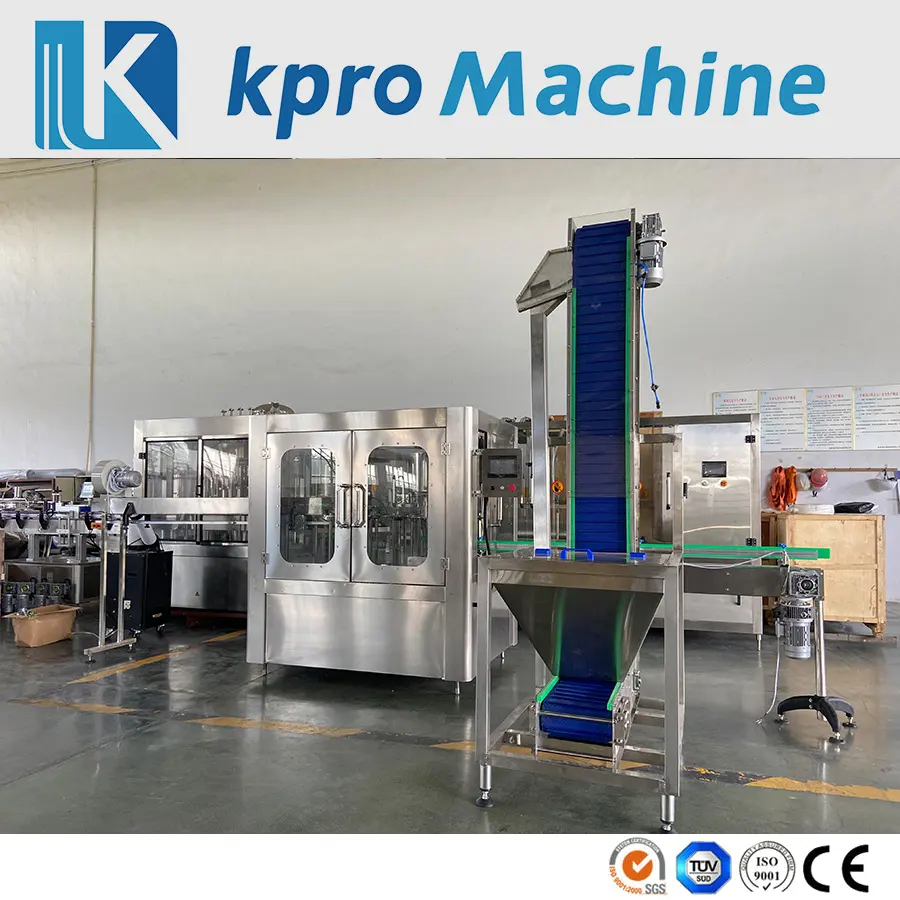
In the competitive beverage manufacturing landscape, production flexibility has become a critical differentiator for bottling operations of all scales. A modular water filling machine represents a strategic investment that enables manufacturers to efficiently handle multiple bottle formats without compromising speed, accuracy, or product quality. Unlike traditional fixed-configuration systems that lock operators into rigid production parameters, modular filling platforms deliver the adaptability modern markets demand, allowing seamless transitions between different container sizes, shapes, and materials as consumer preferences and distribution channels evolve.

The fundamental architecture of modular water filling systems is purpose-built around component interchangeability and quick-change functionality. This engineering approach transforms what would traditionally require hours of mechanical reconfiguration or complete line shutdowns into processes measurable in minutes. For bottled water producers facing diverse market segments—from single-serve 330ml bottles to family-sized 5-liter containers—the ability to rapidly adjust filling parameters without sacrificing precision directly translates to reduced downtime, lower labor costs, and improved responsiveness to market opportunities.
Engineering Principles Behind Modular Filling Flexibility
Component Standardization and Interface Design
The core advantage of a modular water filling machine stems from standardized component interfaces that enable rapid reconfiguration without specialized technical expertise. Filling valves, bottle positioning guides, cap applicators, and conveyor sections are engineered with universal mounting points and quick-release mechanisms that allow operators to swap components based on bottle specifications. This standardization extends to pneumatic connections, electrical interfaces, and control system integration points, creating a plug-and-play environment where different bottle handling modules communicate seamlessly with the central control architecture.
Modern modular systems incorporate precision alignment features that ensure consistent positioning accuracy regardless of bottle dimensions. Adjustable neck guides, base supports, and centering mechanisms accommodate varying bottle heights and diameters while maintaining the exact positioning required for contamination-free filling operations. These mechanical adjustments are often controlled through digital servo motors rather than manual screw adjustments, enabling operators to input bottle specifications through the human-machine interface and have the water filling machine automatically configure itself to the correct dimensions within seconds.
The hydraulic and pneumatic systems in modular platforms are designed with proportional control valves that adjust pressure and flow rates based on bottle volume requirements. Smaller bottles require gentler filling pressures to prevent deformation or splashing, while larger containers benefit from higher flow rates to maintain throughput efficiency. The ability to program and store multiple filling recipes within the control system means that transitioning between bottle sizes involves simply selecting the appropriate recipe rather than manually adjusting dozens of mechanical and electronic parameters.
Filling Valve Versatility and Precision Control
The filling valve assembly represents the heart of any water filling machine, and modular systems incorporate valve designs that maintain accuracy across a wide range of bottle volumes. Gravity-fed, pressure-fed, and vacuum-assisted filling technologies can be integrated into the same modular platform, with valve selection determined by specific product characteristics and production speed requirements. Advanced filling valves feature adjustable flow restrictors, multiple fill-level sensors, and programmable fill sequences that optimize performance for each bottle configuration.
Precision dosing becomes particularly critical when handling different bottle sizes on the same production line. A modular water filling machine employs electronic flowmeters and weight-checking systems that verify each bottle receives the exact volume specified, compensating automatically for variations in bottle internal geometry, wall thickness, or base design. This closed-loop feedback ensures consistent fill accuracy whether the line is running 250ml bottles at 18,000 units per hour or 1.5-liter bottles at 6,000 units per hour, maintaining product quality standards that meet regulatory requirements across all SKUs.
Valve nozzle designs in modular systems often incorporate telescoping or adjustable-height features that accommodate bottles of different heights without requiring complete valve replacement. This vertical adjustment capability ensures optimal immersion depth during filling, which minimizes foaming, reduces oxygen pickup, and prevents contamination regardless of whether the system is filling a short, wide-mouth sports bottle or a tall, slender premium water container. The ability to maintain proper filling technique across diverse bottle geometries directly impacts product shelf life and consumer acceptance.
Operational Benefits of Size Adaptability
Changeover Speed and Production Continuity
The economic impact of rapid changeover capabilities cannot be overstated in modern bottling operations. Traditional fixed-format systems might require two to four hours of downtime to reconfigure for different bottle sizes, during which production halts, labor resources are diverted to mechanical adjustment, and revenue generation ceases. A properly designed modular water filling machine reduces this changeover window to fifteen to thirty minutes, preserving production capacity and enabling manufacturers to respond quickly to order fluctuations or promotional campaigns requiring specific bottle formats.
This speed advantage becomes especially valuable for contract bottlers serving multiple brands or companies producing seasonal packaging variations. The ability to run morning production batches in 500ml bottles, switch to 1-liter formats for afternoon runs, and conclude the day with 5-liter containers allows manufacturers to maximize equipment utilization while meeting diverse customer specifications. The reduction in changeover-related downtime directly improves overall equipment effectiveness metrics, often increasing available production time by 10 to 15 percent annually compared to conventional systems.
Beyond pure time savings, modular systems reduce the skill level required for changeovers, democratizing the process so that standard production operators can execute format changes without requiring specialized maintenance technicians. Clear visual guides, color-coded components, and intuitive adjustment mechanisms transform changeover from a complex technical procedure into a routine production task. This accessibility reduces dependency on specialized personnel, lowers training costs, and ensures that production flexibility remains available across all shifts and operational conditions.
Inventory and SKU Management Advantages
The flexibility inherent in modular water filling machine architecture directly supports sophisticated inventory management strategies that minimize working capital requirements while maximizing market responsiveness. Manufacturers can maintain smaller finished goods inventories across multiple bottle sizes, producing closer to actual demand rather than building large safety stocks of each SKU. This just-in-time production capability reduces warehouse space requirements, minimizes product age at point of sale, and decreases the financial risk associated with slow-moving inventory or seasonal demand fluctuations.
For businesses testing new bottle formats or entering new market segments, modular systems eliminate the capital risk traditionally associated with format diversification. Companies can introduce limited-edition bottles, trial regional size preferences, or respond to retail customer requests without investing in dedicated filling equipment for each new format. This low-risk experimentation environment encourages innovation and market testing, enabling data-driven decisions about permanent SKU additions without the sunk costs that would accompany specialized equipment purchases.
The ability to efficiently produce smaller batch sizes across multiple bottle formats also supports premium product positioning and market segmentation strategies. Boutique water brands can economically produce specialty bottles for hospitality channels, event marketing, or limited-release products without sacrificing the production efficiency required for their core retail offerings. This operational flexibility translates directly into expanded revenue opportunities and enhanced brand positioning that would be economically prohibitive with conventional single-format filling systems.
Technical Features Enabling Multi-Size Capability
Adjustable Conveyor Systems and Bottle Handling
The conveyor infrastructure supporting a modular water filling machine incorporates width-adjustable guide rails, variable-height transfer mechanisms, and flexible accumulation zones that adapt to different bottle footprints and stability characteristics. Small-diameter bottles require tighter guide rail spacing and more frequent support points to prevent tipping, while larger bottles need wider spacing and reinforced handling components. Modern modular systems employ servo-driven rail adjustment mechanisms that reposition these guides automatically based on programmed bottle specifications, eliminating manual measurement and adjustment procedures.
Bottle infeed systems in flexible platforms often incorporate vision-guided orientation correction and intelligent spacing controls that adapt to varying bottle dimensions. These systems ensure proper bottle presentation to the filling station regardless of whether incoming containers are short and squat or tall and narrow. Advanced conveyor designs feature modular belt sections with different friction characteristics, allowing operators to optimize grip and release properties for specific bottle materials and surface textures without replacing entire conveyor assemblies.
Accumulation and buffer zones within modular water filling machine layouts provide critical flow management capabilities that accommodate the different linear speeds required for various bottle sizes. Smaller bottles typically run at higher unit-per-minute rates but require less filling time per unit, while larger bottles move more slowly through the system but occupy filling valves for longer durations. Intelligent buffer management ensures smooth production flow despite these varying throughput dynamics, preventing bottlenecks and maintaining consistent backpressure throughout the filling process.
Control System Integration and Recipe Management
The programmable logic controllers and human-machine interfaces in modern modular systems serve as the intelligence layer that transforms mechanical flexibility into operational efficiency. These control platforms store comprehensive production recipes for each bottle format, encompassing hundreds of parameters including filling speeds, valve timing sequences, cap torque specifications, and quality inspection thresholds. Operators initiate format changes through simple touchscreen selection, triggering automated adjustment sequences that reconfigure the entire water filling machine to the selected bottle specification.
Advanced control systems incorporate machine learning algorithms that optimize filling parameters based on historical performance data for each bottle format. These systems track fill accuracy, reject rates, and production speeds across different bottle sizes, automatically fine-tuning parameters to maintain optimal performance as mechanical components experience normal wear or ambient conditions change. This continuous improvement capability ensures that filling precision remains consistent across all bottle formats throughout the equipment lifecycle, reducing the manual intervention traditionally required to maintain specification compliance.
Integration with enterprise resource planning systems and production scheduling software enables modular water filling machine platforms to receive production orders directly from business management systems. This connectivity allows for automated scheduling of bottle format changes aligned with inventory requirements and customer delivery commitments, optimizing changeover timing to minimize disruption while ensuring just-in-time production of the right bottle sizes. The resulting operational intelligence transforms the filling line from a passive production asset into an active participant in supply chain optimization.
Material Compatibility and Container Diversity
Handling Different Bottle Materials and Geometries
Beyond simple size variation, modular water filling machine systems accommodate bottles manufactured from different materials including polyethylene terephthalate, high-density polyethylene, and glass. Each material presents distinct handling challenges related to rigidity, surface friction, and deformation susceptibility. Modular systems address these variations through interchangeable grip mechanisms, adjustable pressure settings, and material-specific handling protocols that prevent damage while maintaining production speeds.
Bottle geometry variations extend beyond height and diameter to include neck finish designs, base configurations, and overall shape profiles. Sports bottles with ergonomic contours, premium flat-panel designs, and traditional cylindrical formats all require different support and positioning strategies during the filling process. Modular platforms incorporate adjustable centering mechanisms and customizable support fixtures that adapt to these geometric variations, ensuring stable bottle positioning during high-speed filling operations regardless of unconventional shapes or asymmetric designs.
The ability to handle both standard circular bottles and specialty shapes provides manufacturers with significant creative freedom in packaging design without constraining filling equipment capabilities. This flexibility supports brand differentiation strategies that rely on distinctive bottle aesthetics to capture consumer attention in crowded retail environments. Companies can pursue packaging innovation knowing their filling infrastructure will accommodate new designs without requiring capital equipment replacement or extensive line modifications.
Cap Application Versatility
Modular water filling machine platforms extend size adaptability beyond the filling process itself to encompass cap application systems that handle multiple closure formats. Different bottle sizes often employ different cap designs—from standard screw caps on small bottles to sport caps, flip-tops, or large-diameter closures on specialty formats. Modular capping heads incorporate quick-change chuck systems and adjustable torque controls that accommodate this closure diversity without requiring separate capping equipment for each cap style.
The torque requirements for proper cap application vary significantly based on bottle size, neck finish design, and cap material characteristics. Smaller bottles with thin walls require carefully controlled torque to prevent neck deformation, while larger bottles with reinforced necks can withstand higher application forces. Advanced modular systems employ torque-monitoring technology that verifies proper cap application on every bottle, automatically adjusting application parameters to maintain seal integrity across all bottle formats while preventing over-tightening damage.
Cap feeding and orientation systems in flexible platforms accommodate different cap dimensions and geometries through adjustable bowl feeders, multi-lane cap delivery systems, and vision-guided placement mechanisms. These systems ensure reliable cap presentation regardless of closure size variation, maintaining high-speed production continuity as the line transitions between bottle formats. The elimination of cap-related production interruptions represents a significant operational advantage, particularly for manufacturers running frequent format changes throughout production shifts.
Investment Considerations and Long-Term Value
Capital Cost Analysis Versus Operational Flexibility
While modular water filling machine systems typically command higher initial capital investment compared to basic single-format equipment, the total cost of ownership calculation reveals substantial long-term economic advantages. The ability to handle multiple bottle sizes with a single filling line eliminates the need for duplicate equipment purchases, dramatically reducing the capital required to support diverse product portfolios. For many manufacturers, a single modular system replaces what would otherwise require two or three dedicated filling lines, delivering payback periods of 18 to 36 months depending on changeover frequency and production volume diversity.
Beyond equipment acquisition costs, modular systems reduce facility infrastructure requirements by consolidating multiple filling capabilities into a smaller production footprint. This space efficiency translates to lower building costs, reduced utility consumption, and decreased maintenance overhead compared to operating multiple dedicated lines. The operational simplification inherent in running a single versatile platform rather than managing multiple specialized systems also reduces complexity in production scheduling, quality management, and regulatory compliance documentation.
The financial flexibility provided by modular architecture becomes particularly valuable during business growth phases or market expansion initiatives. Companies can enter new market segments or respond to customer requests for different bottle sizes without triggering major capital expenditure approvals or lengthy equipment procurement cycles. This responsiveness enables revenue growth that might otherwise be constrained by equipment limitations, effectively removing filling capacity as a barrier to market opportunity capture.
Future-Proofing Production Capabilities
The beverage packaging landscape continues evolving rapidly, with consumer preferences, regulatory requirements, and sustainability initiatives driving ongoing changes in bottle designs and size offerings. A modular water filling machine provides inherent protection against these market shifts by enabling manufacturers to adapt to new bottle formats without equipment obsolescence. As lightweight bottle designs, alternative materials, or novel packaging concepts emerge, modular systems can typically accommodate these innovations through component upgrades or parameter adjustments rather than complete equipment replacement.
Technology refresh capabilities represent another dimension of future-proofing inherent in modular architectures. As control systems, sensor technologies, or automation capabilities advance, modular platforms allow targeted upgrades to specific subsystems without requiring replacement of the entire filling line. This upgrade path extends the productive life of capital equipment while ensuring access to latest-generation capabilities in critical areas such as quality monitoring, data connectivity, or energy efficiency.
The strategic value of production flexibility continues increasing as beverage markets fragment into more specialized niches and consumer preferences diversify. Manufacturers investing in modular water filling machine technology position themselves to capitalize on these market trends rather than being constrained by rigid production capabilities. This strategic positioning delivers competitive advantages that compound over time, as companies with flexible production infrastructure can pursue opportunities that remain inaccessible to competitors locked into conventional single-format equipment.
FAQ
What is the typical changeover time between different bottle sizes on a modular water filling machine?
Modern modular water filling machine platforms typically achieve complete changeovers between bottle sizes in 15 to 30 minutes, depending on the extent of dimensional difference and whether the format change requires cap system adjustments. This represents an 80 to 90 percent time reduction compared to conventional fixed-format equipment that might require two to four hours for similar changeovers. Systems with fully automated adjustment mechanisms and stored recipe parameters achieve the fastest changeover times, often completing transitions in under 20 minutes with minimal operator intervention.
Can modular filling systems maintain the same filling accuracy across all bottle sizes?
Yes, properly engineered modular water filling machine systems maintain consistent filling accuracy across their entire bottle size range through closed-loop control systems that adjust filling parameters based on real-time measurement feedback. Modern platforms typically achieve fill accuracy within plus or minus 1 percent of target volume regardless of bottle size, meeting or exceeding regulatory requirements for commercial beverage production. The control systems compensate automatically for differences in bottle geometry, filling speed, and liquid behavior to ensure uniform precision across all formats.
What bottle size range can a single modular water filling machine accommodate?
The accommodated size range varies by specific system design, but most industrial modular water filling machine platforms handle bottle volumes from 200ml to 5 liters within a single configuration. Some specialized systems extend this range from 100ml single-serve bottles up to 10-liter or larger containers. The practical size range is determined by factors including filling valve capacity, conveyor width adjustability, and capping system versatility. Manufacturers should specify their anticipated bottle size diversity during equipment selection to ensure the chosen platform covers their full production requirements with appropriate safety margin for future format additions.
How does bottle material affect the configuration requirements of modular filling systems?
Different bottle materials require adjustments to handling pressure, grip force, and filling technique to prevent damage and maintain production speeds. Glass bottles tolerate higher handling forces but require careful control to prevent breakage, while thin-wall plastic bottles need gentler handling and lower filling pressures to avoid deformation. Modular water filling machine systems accommodate these material differences through adjustable gripper mechanisms, programmable pressure controls, and material-specific handling recipes stored in the control system. The ability to optimize handling parameters for each material type ensures consistent production quality regardless of whether the line is running rigid HDPE bottles or flexible PET containers, maintaining both product integrity and operational efficiency across material transitions.
Table of Contents
- Engineering Principles Behind Modular Filling Flexibility
- Operational Benefits of Size Adaptability
- Technical Features Enabling Multi-Size Capability
- Material Compatibility and Container Diversity
- Investment Considerations and Long-Term Value
-
FAQ
- What is the typical changeover time between different bottle sizes on a modular water filling machine?
- Can modular filling systems maintain the same filling accuracy across all bottle sizes?
- What bottle size range can a single modular water filling machine accommodate?
- How does bottle material affect the configuration requirements of modular filling systems?