 EN
EN
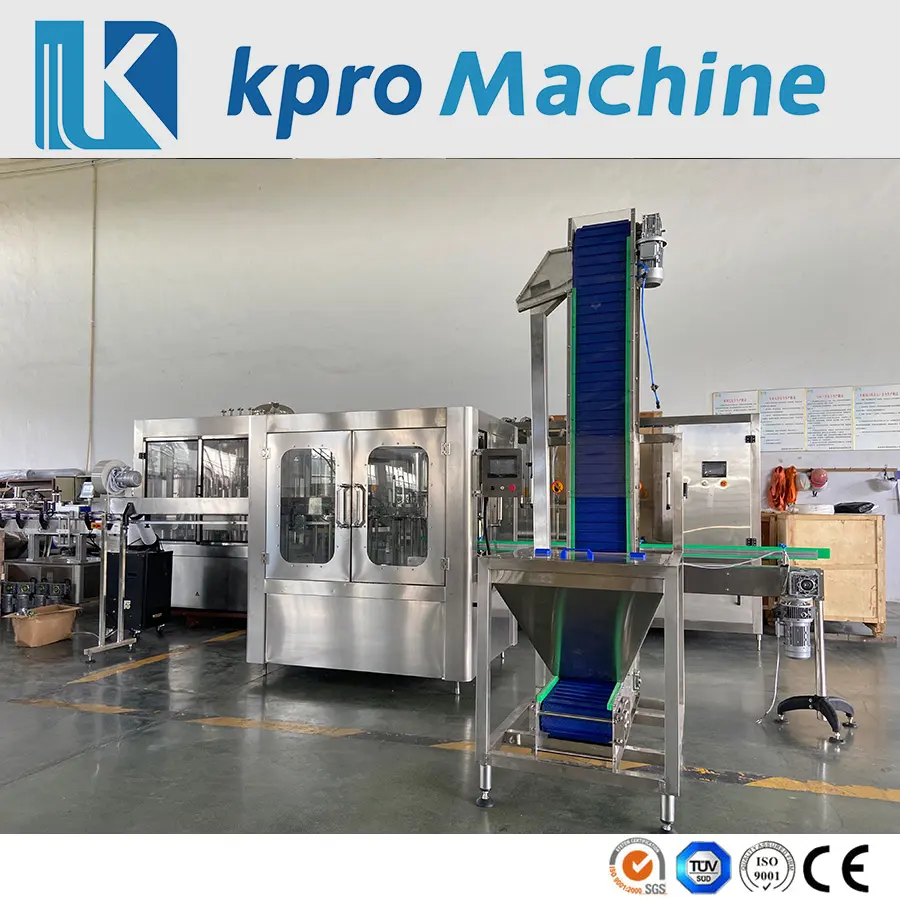
Modern beverage production facilities face mounting pressure to increase throughput while maintaining product quality and minimizing operational costs. At the heart of these efficiency gains lies the integration of programmable logic controller (PLC) systems and intuitive touch screen human-machine interfaces (HMIs) into water filling machine operations. These advanced control systems transform traditional filling equipment into intelligent production platforms capable of real-time adjustments, predictive maintenance, and precise process management that directly impact bottling speed, product consistency, and overall equipment effectiveness.
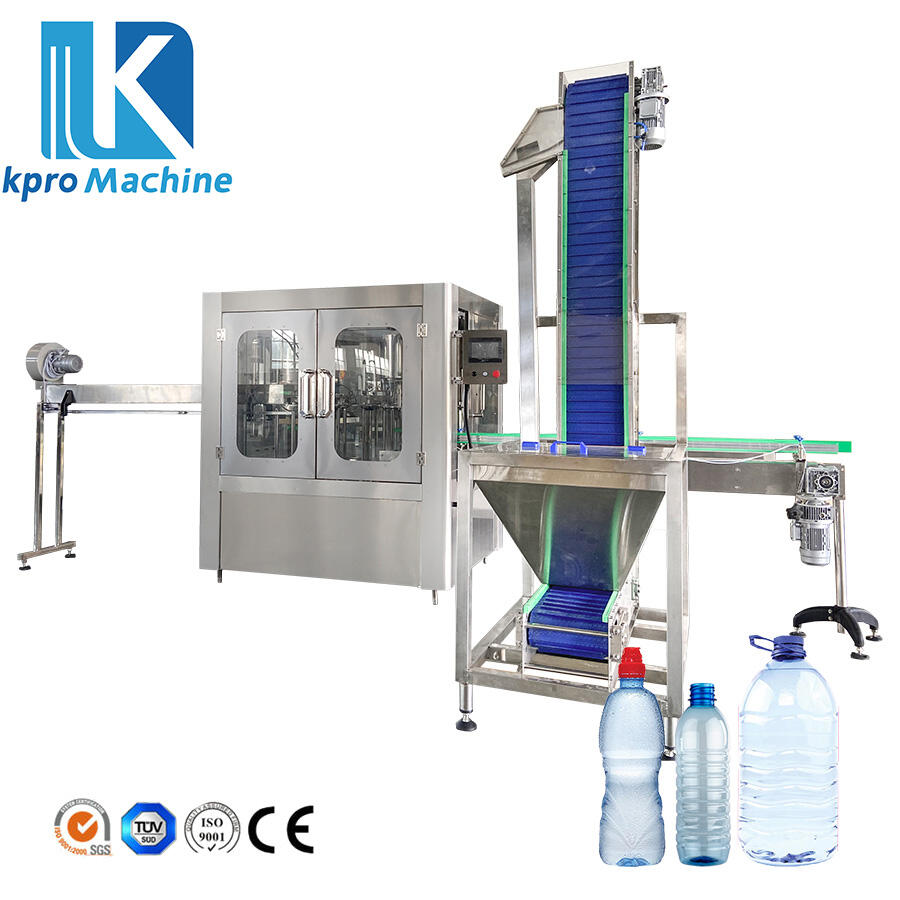
The evolution from mechanical cam-driven systems to PLC-based automation represents a fundamental shift in how water filling machine manufacturers approach production control. Touch screen interfaces bridge the gap between complex control logic and operator accessibility, enabling production teams to optimize filling parameters without requiring specialized programming knowledge. This combination delivers measurable improvements in fill accuracy, changeover speed, waste reduction, and energy consumption that directly contribute to enhanced profitability in competitive bottled water markets.
The Technical Architecture Behind PLC Control Systems in Water Filling Operations
Core Components and System Integration Framework
A PLC-controlled water filling machine operates through a centralized processing unit that continuously monitors sensor inputs from every critical station along the filling line. The PLC receives signals from flow meters, pressure transducers, level sensors, and position encoders installed throughout the rinsing, filling, and capping zones. This real-time data stream enables the controller to execute pre-programmed logic sequences that coordinate valve timing, pump speed, conveyor motion, and capping torque with microsecond precision.
The architecture typically includes distributed input/output modules positioned near sensor clusters to minimize signal degradation and response latency. High-speed communication buses connect these remote modules to the main PLC processor, creating a networked control environment where adjustments to one process parameter automatically trigger compensating changes across related functions. For example, when bottle diameter changes during product changeover, the PLC instantly recalibrates gripper spacing, filling nozzle positioning, and cap delivery timing without manual intervention.
Modern water filling machine installations incorporate redundant control pathways and fail-safe logic to ensure production continuity even during component failures. The PLC continuously executes diagnostic routines that detect sensor drift, valve malfunction, or communication errors before they cause quality defects or line stoppages. This self-monitoring capability transforms the control system from a passive automation tool into an active production safeguard that protects both equipment investment and product integrity.
Programming Logic and Recipe Management Capabilities
The operational intelligence within a PLC-driven water filling machine resides in customizable software programs structured around production recipes. Each recipe defines specific parameters for bottle type, fill volume, liquid temperature, filling speed, and quality tolerances. Operators select the appropriate recipe through the touch screen interface, and the PLC automatically loads all associated control values, eliminating the manual adjustment procedures that plague older mechanical systems.
Advanced PLC programs incorporate adaptive control algorithms that respond to real-time process variations without operator input. When fill volumes deviate from target specifications, the controller automatically adjusts valve open duration or pump pressure to restore accuracy. This closed-loop control maintains consistent product weight even as liquid viscosity fluctuates with temperature changes or supply pressure varies throughout production shifts, ensuring regulatory compliance and minimizing product giveaway.
Recipe management extends beyond basic fill parameters to encompass complete line configuration including sanitization cycles, startup sequences, and shutdown procedures. The PLC stores dozens of validated recipes in non-volatile memory, enabling instant product changeovers that previously required mechanical adjustments and extensive quality checks. This flexibility proves particularly valuable for contract packers and facilities producing multiple water brands or package sizes on shared equipment.
Touch Screen Interface Design and Operator Interaction Benefits
Visualization Architecture and Information Hierarchy
The touch screen HMI serving as the operator interface for a water filling machine presents complex process data through intuitive graphical displays that mirror the physical equipment layout. Multi-level screen architecture organizes information from high-level production summaries down to individual valve status indicators, allowing operators to navigate from overview dashboards to detailed diagnostic screens with simple touch gestures. This hierarchical approach prevents information overload while ensuring critical data remains immediately accessible during troubleshooting.
Color-coded status indicators and animated graphics provide instant visual feedback on machine state and process conditions. Filling nozzles display green during normal operation, yellow when approaching maintenance intervals, and red when fault conditions require attention. Real-time trend graphs track fill weight consistency, production rate, and efficiency metrics over user-defined time periods, enabling operators to identify performance degradation before it impacts product quality or line speed.
Modern HMI designs incorporate contextual help systems and guided troubleshooting wizards that reduce dependence on printed manuals or technical support calls. When the water filling machine detects an abnormal condition, the touch screen automatically displays relevant sensor readings, potential causes, and recommended corrective actions specific to that fault scenario. This embedded knowledge base accelerates problem resolution and empowers less experienced operators to handle situations that previously required senior technicians.
Parameter Adjustment and Process Optimization Tools
Touch screen interfaces transform complex control adjustments into straightforward data entry tasks accessible to production personnel without PLC programming expertise. Operators modify fill volumes, speed setpoints, or timing parameters through numeric keypads and slider controls displayed on the HMI screen. The interface includes password-protected access levels that restrict critical parameter changes to authorized personnel while allowing machine operators to make routine adjustments within predefined safe ranges.
Interactive setup wizards guide operators through product changeover sequences by presenting step-by-step instructions synchronized with actual machine movements. The touch screen prompts for bottle specifications, confirms mechanical adjustments through integrated vision systems, and validates process parameters before authorizing production startup. This structured approach reduces changeover errors and accelerates the transition between different water products or package formats on the same filling line.
Advanced HMI systems incorporate statistical process control tools that empower operators to optimize water filling machine performance through data-driven decisions. Touch screen displays present capability indices, control charts, and production efficiency metrics in formats designed for shop floor interpretation rather than engineering analysis. Operators identify improvement opportunities by comparing current performance against historical benchmarks or theoretical equipment capacity, fostering a culture of continuous optimization at the operational level.
Efficiency Gains Through Integrated Control and Monitoring
Fill Accuracy Improvements and Product Giveaway Reduction
PLC control systems achieve fill accuracy levels unattainable with mechanical timing mechanisms by continuously adjusting valve actuation based on real-time flow measurements. Whereas traditional water filling machine designs rely on fixed cam profiles that cannot compensate for pressure variations or liquid property changes, PLC-based systems employ feedback control loops that maintain target fill volumes within tolerances of plus or minus one gram even under varying supply conditions. This precision directly translates to reduced product giveaway, with many facilities reporting annual savings exceeding tens of thousands of dollars from eliminating overfill waste.
The integration of high-resolution weight checkweighers with PLC control creates a self-correcting system that learns optimal fill parameters through statistical analysis of actual bottle weights. When the controller detects systematic deviations between target and measured weights, it automatically adjusts fill timing or flow rates across individual filling valves to compensate for mechanical wear, temperature drift, or supply pressure fluctuations. This adaptive behavior maintains consistent accuracy throughout extended production runs without manual recalibration.
Touch screen interfaces display real-time fill weight distributions and statistical trends that enable operators to identify and address accuracy issues before they escalate into quality problems or regulatory violations. Graphical representations of fill weight variation across multiple filling heads reveal imbalances that indicate specific valve wear or nozzle contamination, focusing maintenance attention on problem areas rather than requiring blanket preventive actions across the entire water filling machine. This targeted approach minimizes downtime while maximizing fill consistency.
Production Speed Optimization and Throughput Enhancement
PLC-controlled coordination of bottle handling, filling, and capping sequences eliminates the mechanical limitations that constrain traditional water filling machine speed. Programmable motion profiles accelerate and decelerate conveyors with precision that maximizes transport velocity while preventing bottle instability or spillage. Synchronized timing between stations reduces gap spacing requirements, allowing more bottles to occupy the filling carousel simultaneously and directly increasing theoretical machine capacity without physical modifications.
Advanced control algorithms implement dynamic speed adjustments that optimize overall line throughput based on downstream packaging equipment capacity or upstream bottle supply rates. Rather than running at fixed maximum speed regardless of system conditions, the PLC modulates water filling machine operation to match actual production flow, reducing stop-start cycles that waste energy and cause mechanical stress. This intelligent speed management improves overall equipment effectiveness by minimizing the accumulation backlogs and starvation conditions that fragment production continuity.
Touch screen interfaces provide operators with real-time production counters, efficiency calculations, and performance comparisons against shift targets or historical benchmarks. Instant visibility into throughput metrics enables rapid response to developing bottlenecks or efficiency losses before they significantly impact daily production totals. Many systems incorporate predictive analytics that forecast when current production rates will achieve daily targets, allowing proactive schedule adjustments rather than reactive overtime decisions.
Changeover Time Reduction and Format Flexibility
Recipe-based control fundamentally transforms product changeover from a mechanical adjustment marathon into a software selection process. Where traditional water filling machine changeovers required physical modification of filling heads, adjustment of timing cams, and iterative quality testing that consumed hours of production time, PLC systems accomplish the same transition through touch screen recipe selection followed by automated mechanical adjustments completed in minutes. This dramatic reduction in changeover duration enables economically viable short production runs that accommodate market demand for product variety without sacrificing overall facility utilization.
Integrated servo-driven mechanical adjustments eliminate manual wheel turning and gauge reading during format changes. The PLC commands motorized systems to reposition bottle guides, adjust gripper spacing, and reconfigure filling head height based on stored dimensional data for each bottle format. Touch screen displays guide operators through any required manual steps such as cap magazine loading or label roll changes, presenting photographic references and verification checkpoints that prevent setup errors. This combination of automated positioning and guided procedures reduces changeover variability and accelerates new operator training.
Version control systems within the PLC architecture maintain audit trails of recipe modifications and equipment configuration changes, supporting quality system requirements and facilitating continuous improvement initiatives. When process engineers identify optimized parameters during production trials, those refinements become permanently incorporated into the master recipe and automatically deployed across all subsequent production runs. This systematic knowledge capture prevents the loss of operational improvements due to operator turnover or informal parameter adjustments.
Maintenance Efficiency and Reliability Enhancements
Predictive Maintenance Capabilities and Downtime Prevention
PLC-based monitoring systems transform water filling machine maintenance from reactive repair toward predictive intervention by continuously tracking performance indicators that signal developing mechanical problems. The controller monitors valve actuation timing, motor current draw, pneumatic pressure profiles, and dozens of other operational parameters against baseline signatures established during optimal machine condition. When measured values deviate beyond statistical thresholds, the system generates maintenance alerts through the touch screen interface before functional failures occur, enabling scheduled repairs during planned downtime rather than emergency responses during production shifts.
Integrated cycle counters and runtime accumulators provide precise data for condition-based maintenance scheduling rather than relying on conservative time-based intervals. The PLC tracks actual valve actuations, bearing rotation hours, and seal compression cycles for every critical component, triggering maintenance notifications based on actual component usage rather than calendar elapsed time. This approach prevents both premature part replacement that wastes maintenance budgets and delayed intervention that risks catastrophic failures during production.
Touch screen maintenance dashboards present equipment health information in formats designed for maintenance planners rather than machine operators, consolidating upcoming service requirements, spare parts lists, and maintenance procedure access in unified interfaces. Maintenance personnel view equipment status across multiple water filling machine installations from centralized workstations, enabling efficient resource allocation and coordinated maintenance scheduling that minimizes production disruptions. Historical maintenance records stored within the PLC system support reliability analysis and warranty documentation requirements.
Diagnostic Capabilities and Troubleshooting Acceleration
Advanced diagnostic functions embedded within PLC control programs dramatically reduce the technical expertise and time required to identify root causes of water filling machine malfunctions. When operational faults occur, the controller automatically captures relevant sensor data, control outputs, and sequence timing from the moments preceding the failure, creating detailed fault snapshots accessible through the touch screen interface. Maintenance technicians review these electronic records to understand failure mechanisms without relying on operator recollections or attempting to reproduce intermittent problems.
Forced operation modes controlled through touch screen commands enable systematic component testing during troubleshooting investigations. Technicians selectively activate individual valves, motors, or sensors while monitoring system responses through the HMI, isolating defective components without disassembling mechanical systems or disconnecting electrical circuits. This software-based diagnostic approach accelerates problem identification and reduces the collateral damage risk associated with invasive physical inspection procedures.
Remote connectivity capabilities integrated into modern PLC platforms enable equipment manufacturers or automation specialists to access water filling machine control systems through secure network connections, providing expert diagnostic support without on-site travel delays. Touch screen interfaces display remote session indicators that maintain operator awareness during external access, while permission controls ensure production personnel retain ultimate authority over machine operation. This remote support capability proves particularly valuable for facilities in geographic regions distant from technical service centers or during after-hours emergencies when travel time would extend production losses.
Energy Efficiency and Sustainability Contributions
Power Consumption Optimization Through Intelligent Control
PLC-controlled water filling machine systems implement sophisticated energy management strategies that reduce electrical consumption without compromising production output. Variable frequency drives commanded by the PLC modulate motor speeds to match actual process requirements rather than running continuously at maximum capacity, eliminating the energy waste inherent in mechanical throttling or bypass approaches. Pump speeds adjust dynamically based on filling demand, conveyor motors ramp smoothly rather than starting across-the-line, and auxiliary systems enter standby modes during production gaps, collectively reducing facility energy costs by percentages ranging from fifteen to thirty percent compared to conventional fixed-speed installations.
Coordinated startup and shutdown sequences programmed into the PLC minimize peak power demand charges by staging motor activation across time intervals rather than simultaneously energizing all systems. The controller monitors cumulative power consumption through integrated energy meters and adjusts non-critical system operation to avoid exceeding utility demand thresholds that trigger penalty charges. Touch screen interfaces display real-time energy consumption metrics and efficiency indicators that raise operator awareness of energy usage patterns and support conservation behavior modifications.
Advanced control systems incorporate time-of-day scheduling that shifts discretionary operations such as clean-in-place cycles or compressed air system regeneration toward off-peak utility rate periods when electricity costs less. The PLC maintains production scheduling priorities while optimizing auxiliary system operation around rate structures, automatically balancing production continuity requirements against energy expense minimization. This intelligent scheduling delivers ongoing operational savings without requiring continuous management attention or manual intervention.
Resource Conservation and Waste Minimization
Precision control delivered by PLC systems extends beyond product filling to encompass water and cleaning chemical consumption during sanitation cycles. The controller meters exact quantities of sanitizing solutions based on actual system volume and contamination levels rather than applying conservative excess volumes that ensure adequate coverage through waste. Automated CIP sequences adjust cleaning duration, temperature, and chemical concentration based on production runtime and product characteristics, eliminating both inadequate sanitation that risks contamination and excessive cleaning that wastes resources.
Intelligent bottle rejection systems integrated with the PLC control architecture minimize product waste by distinguishing between bottles requiring complete disposal and those suitable for recirculation after minor corrective actions. When fill weight deviations, cap placement errors, or labeling defects occur, the system categorizes severity and routes affected bottles to appropriate destinations, recovering partially filled containers where regulations permit rather than defaulting to wholesale rejection. This nuanced quality management approach preserves product value while maintaining compliance with safety standards.
Real-time production monitoring through touch screen interfaces enables operators to identify and address efficiency losses that contribute to resource waste. Graphical displays showing compressed air consumption patterns reveal pneumatic leaks, water usage trends identify cooling system inefficiencies, and production rate variations highlight mechanical issues before they escalate into major failures requiring extensive resource consumption during repairs. This operational transparency transforms the water filling machine control system into an environmental management tool that supports corporate sustainability objectives beyond its primary automation function.
FAQ
What specific accuracy improvements can facilities expect when upgrading to PLC-controlled water filling machines?
Production facilities typically achieve fill weight accuracy improvements from tolerances of five to ten grams with mechanical systems down to one to two grams with PLC-based control, representing a reduction in standard deviation by seventy to eighty percent. This enhanced precision directly reduces product giveaway costs while ensuring consistent compliance with weight regulations across all production batches without manual recalibration between runs.
How long does product changeover typically take on a water filling machine with touch screen recipe management?
Recipe-driven changeover processes on modern water filling machine installations with integrated PLC and HMI systems generally complete format transitions in fifteen to thirty minutes compared to two to four hours required for manual mechanical adjustment approaches. The exact duration depends on bottle size differential and whether tooling changes are required, but automated parameter loading and servo-driven mechanical positioning consistently deliver time reductions exceeding seventy-five percent regardless of specific product combinations.
Can existing mechanical water filling machines be retrofitted with PLC and touch screen controls?
Retrofitting feasibility depends heavily on the base machine mechanical condition and existing instrumentation infrastructure, but many installations successfully upgrade control systems while retaining proven mechanical platforms. Successful retrofits require adequate sensor mounting provisions, compatible actuator interfaces, and mechanical systems in sound condition, with typical projects achieving seventy to eighty-five percent of new equipment capability at approximately forty to fifty percent of replacement cost when existing mechanical components remain serviceable.
What maintenance skill levels are required to support PLC-controlled water filling machine operations?
Routine operation and basic troubleshooting of modern water filling machine systems with intuitive touch screen interfaces require minimal specialized training beyond general mechanical aptitude, with operators typically achieving proficiency within two to three weeks. Advanced diagnostics and control program modifications demand electrical technicians with PLC programming knowledge, though equipment suppliers generally provide comprehensive training programs and remote support that enable facilities to maintain systems with existing maintenance staff supplemented by periodic specialist assistance for complex issues.
Table of Contents
- The Technical Architecture Behind PLC Control Systems in Water Filling Operations
- Touch Screen Interface Design and Operator Interaction Benefits
- Efficiency Gains Through Integrated Control and Monitoring
- Maintenance Efficiency and Reliability Enhancements
- Energy Efficiency and Sustainability Contributions
-
FAQ
- What specific accuracy improvements can facilities expect when upgrading to PLC-controlled water filling machines?
- How long does product changeover typically take on a water filling machine with touch screen recipe management?
- Can existing mechanical water filling machines be retrofitted with PLC and touch screen controls?
- What maintenance skill levels are required to support PLC-controlled water filling machine operations?