 EN
EN
Types of Injection Molding Machines: Hydraulic, Electric, and Hybrid Compared
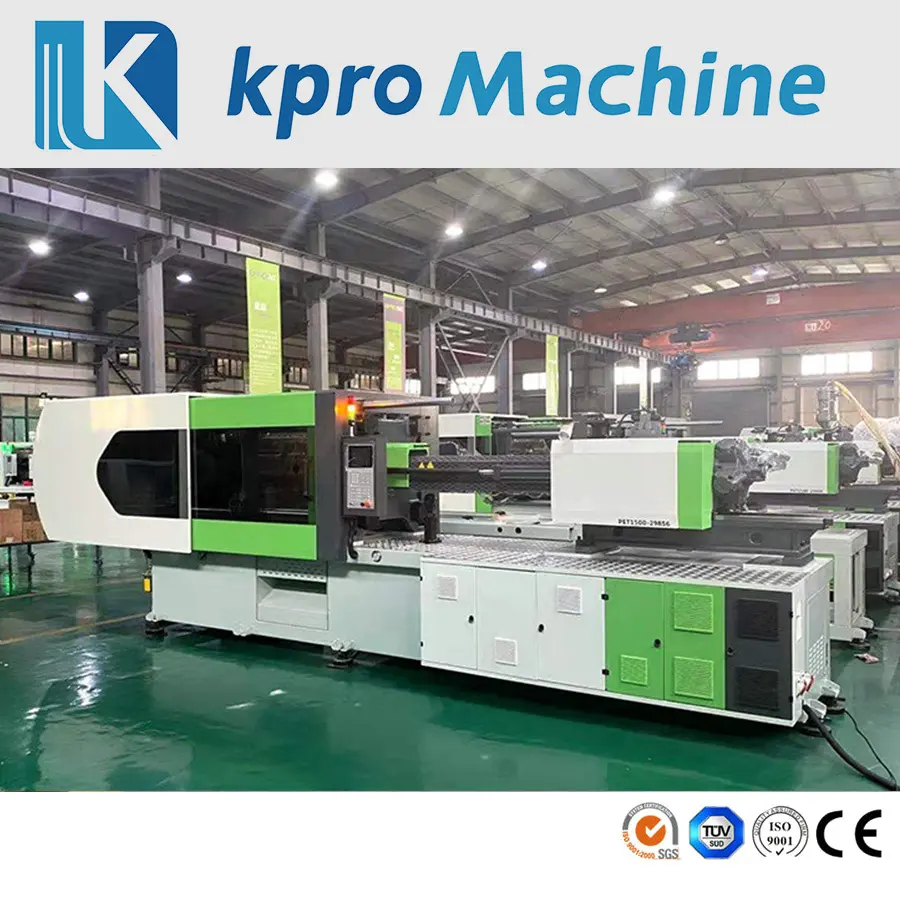
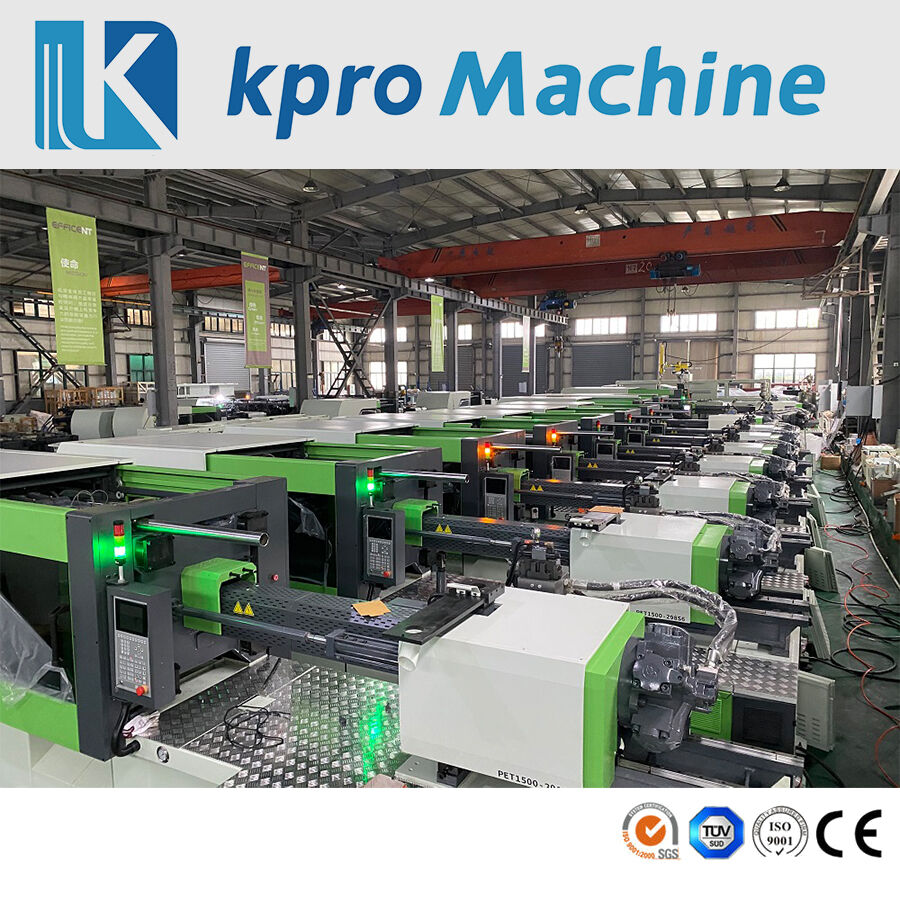
There are basically three main types of injection molding machines out there: hydraulic, electric, and hybrid. Each one works differently and has its own strengths when it comes to performance. Hydraulic machines have been around forever and are still going strong in many factories today. They rely on hydraulic systems which give them massive clamping force and tough durability, so they're great for producing big, heavy parts that need serious strength. Electric injection molding machines take a different approach though. These bad boys use servo motors instead, giving manufacturers much better control over how the material gets injected and clamped down. The result? Less energy usage overall, higher precision in the final product, and operations that run quietly enough not to drive workers crazy during long shifts. Hybrid machines try to get the best of both worlds really. They combine electric drives for the injection part with hydraulic systems handling the clamping action. This setup gives manufacturers flexibility without sacrificing too much on energy savings. Some studies show electric models can cut down energy costs by almost two thirds compared to older hydraulic systems, while hybrids manage to stay competitive across various production scenarios without burning through electricity like crazy.
Key differences between hydraulic, electric, and hybrid injection molding machines
What really sets these different machine types apart comes down to how they're powered, how accurately they can control movements, and what it costs to run them day after day. Hydraulic machines work by using pressurized fluids to generate force, which gives them good strength but also means they tend to consume more energy overall. Plus there's always that risk of leaks when dealing with fluids. Electric machines take a different approach, using those fancy servo motors instead. They're great at repeating tasks exactly the same way every time and move much faster too. Best part? When they're just sitting idle between operations, they don't drain as much power compared to hydraulics. Then we have hybrid systems that mix things up a bit, combining traditional hydraulic clamping with electric injection units. These offer something in between regarding performance capabilities and wallet impact. The electric and hybrid versions generally hit much tighter tolerances around plus or minus 0.0001 inch, which makes all the difference when producing components for medical devices or electronic parts where even tiny variations matter a lot.
Energy efficiency in injection molding machines: Performance comparison across types
The energy efficiency picture looks different depending on what kind of machine we're talking about, and this makes all the difference when looking at those bottom line numbers over time. Electric injection molding machines are clearly ahead of the pack in terms of efficiency, using around 60% less power than their hydraulic counterparts because they only draw what they need when they need it, plus they generate less heat overall. Most hydraulic systems run their pumps constantly regardless of actual demand, which means plenty of wasted electricity whenever production isn't at full tilt. Then there are hybrid models that sit somewhere in between these extremes, typically saving about 30 to 40% compared to traditional hydraulic setups while still delivering strong clamping forces for demanding applications. Many manufacturers find themselves spending anywhere from $15k to $25k less each year on energy bills after switching from old school hydraulic machines to either electric or hybrid alternatives. These kinds of savings definitely factor heavily into how companies evaluate their total cost picture when considering equipment upgrades.
Material and application suitability: Matching machine type to plastic properties and production goals
Choosing the correct machine really comes down to what kind of materials we're working with and what the production goals actually are. Hydraulic injection molding machines work best when dealing with those tough, abrasive materials or ones filled with stuff like glass fibers because they can handle the wear and tear better thanks to their strong torque capabilities. Electric machines have something going for them too though - they control temperature and pressure so precisely that they become almost essential when working with engineering resins such as PEEK or ABS where getting consistent results matters most. Then there's hybrid machines which sit somewhere in between, able to tackle both regular plastics and more specialized materials without much trouble. Take it from someone who's been around these machines for years: electric versions absolutely shine when making those super thin walled parts that need injections at lightning speed, whereas hydraulic systems still rule the roost when it comes to big parts where having enough clamping power trumps worrying about energy consumption.
Case study: Automotive component manufacturing with hybrid injection molding systems
One major car maker recently switched to hybrid injection molding machines when making those complicated dashboard pieces. They managed to cut down on energy use quite a bit, around 25%, all while keeping enough clamping power for big components. With these new hybrid systems, they could better manage injection speeds and pressures throughout the process. As a result, there were fewer defective parts coming off the line, maybe about 15% less than before when they used just hydraulic equipment. The setup combines electric motors for the injection part and hydraulics for clamping, which helped them get through production cycles faster and waste less material overall. This shows what many manufacturers are finding out now: hybrid tech actually works well for balancing both productivity needs and environmental concerns, especially when running at scale.
Sizing the Machine: Clamping Force, Tonnage, and Production Volume
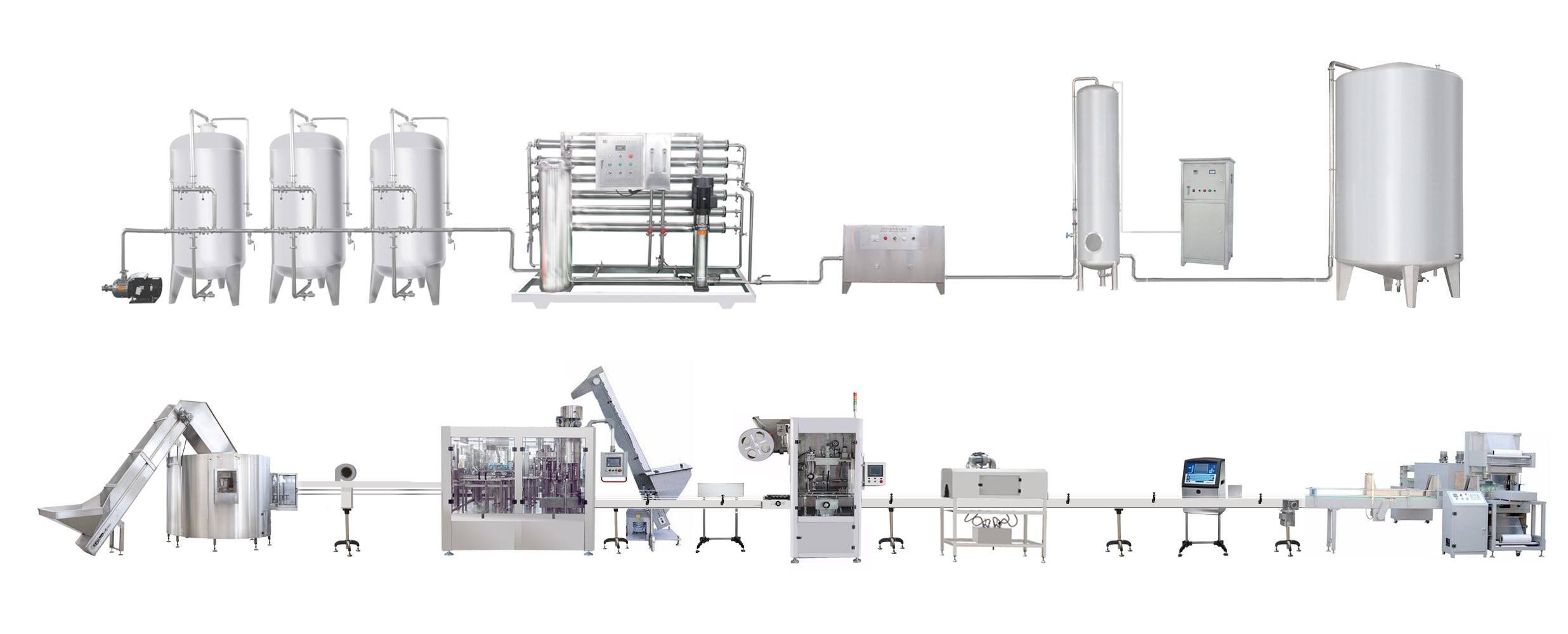
Clamp tonnage calculation and its role in preventing mold flash
The amount of clamping force needed to hold a mold shut during injection molding is what we call clamping tonnage, usually expressed in tons. When there isn't enough pressure applied, something called mold flash happens. This occurs when hot plastic seeps out along the seams where the mold halves meet, creating all sorts of problems for manufacturers. Parts end up with extra material buildup that has to be trimmed off later, adding time and cost to production. Most folks in the business calculate this by taking the surface area of the part they want to make (measured in square inches) and multiplying it by a number specific to the plastic being used. These multipliers generally range from around 2 to 8 tons per square inch depending on the material properties. Let's say someone wants to produce a part that covers 16 square inches using polypropylene. Since PP typically needs about 5 tons per square inch, they'd need roughly 80 tons of clamping force. But smart operators always add an extra 10 to 20 percent just to be safe. This buffer accounts for unpredictable changes in how thick or thin the melted plastic gets during processing, helping prevent those annoying defects without risking damage to expensive molds or other equipment.
Step-by-step guide to determining clamping force from part dimensions, weight, and injection volume
To figure out the right clamping force, most engineers follow a pretty straightforward process. Start by measuring the projected area of whatever part needs making length times width and don't forget those runner channels either. Then multiply that number by a specific value depending on what plastic we're working with. ABS typically needs around 3 to 4 tons per square inch while nylon requires something closer to 5 or 6 tons per square inch. Depth matters too so we usually add about 10 percent extra clamping power for every additional inch beyond the initial one. And nobody wants surprises during production, so it's wise to throw in another 10 to 15 percent just as a buffer against unexpected issues. Let's say someone wants to make a nylon part that's 4 inches wide, 4 inches long, and 2 inches deep. That gives us 16 square inches multiplied by 5 tons per square inch equals roughly 80 tons base requirement. Add 10 percent for depth which brings us to 88 tons total. Throw in our safety margin of another 10 percent or so and we end up needing about 97 tons of clamping force. Most shops round this up to the nearest whole number since machines come in standard sizes anyway, so a 100 ton press would work fine here.
How production volume and cycle time influence optimal machine tonnage and size
When running high volume production lines, manufacturers need machines equipped with strong clamping systems that can hold their accuracy after thousands upon thousands of cycles. As cycle speeds pick up, both heat buildup and mechanical wear become bigger problems, which means operators often have to run with extra tonnage just to avoid losing grip strength over time. Take plastic injection molding as an example: something that needs around 80 tons when made in small batches usually calls for at least 100 tons on mass production runs so the mold stays properly closed during those long shifts. But there's another side to this equation too. Going beyond what's strictly necessary with machine size comes at a price. Bigger presses eat more electricity and demand more frequent maintenance checks, factors that really add up in the overall lifetime expenses. The balancing act between how much clamping power we actually need versus how fast we want to produce matters a lot. For instance, getting out 720 parts every hour with a 5 second cycle typically means shooting for 10 to 15 percent more tonnage than basic calculations suggest if quality standards are going to be maintained through all those hours of nonstop operation.
Injection Unit and Mold Compatibility: Ensuring Precision Fit
Matching injection capacity and screw diameter to required shot volume
Getting the right size injection unit starts by figuring out what shot volume we need based on how much the part weighs and what kind of material it's made from. Most folks in the business stick to a rough guideline where the machine shouldn't shoot more than about 30 to maybe 80 percent of what the part actually needs. This helps keep things flowing smoothly through the barrel and ensures good melt quality. When units are too small, they just cant mix materials properly, leading to all sorts of problems down the line. Go too big though, and materials sit around too long which causes them to break down. For parts that require tight tolerances, matching up screw diameter with the right length to diameter ratio matters a lot. Engineering resins generally work best with longer screws (around 20:1 or more), whereas regular plastics usually get by fine with standard ratios between 18:1 and 20:1. Getting this stuff right means fewer rejected parts, steadier cycle times, and products that stay dimensionally stable batch after batch.
Material compatibility: Selecting an injection unit that handles specific plastics and thermal requirements
Each type of polymer needs its own special treatment when it comes to heat settings and screw design if we want to keep the material from breaking down during processing. Take crystalline materials such as nylon or polypropylene - these guys really need tight temperature controls and good plasticizing action. On the flip side, amorphous plastics like ABS or polycarbonate work better with slower heating through multiple zones and screws that don't apply too much shear force otherwise they start to degrade. When selecting equipment components, matching barrel and screw materials matters a lot too. Glass filled materials typically call for bimetallic barrels paired with hardened screws, whereas PVC applications benefit from corrosion resistant coatings on those same components. Getting this right makes all the difference. Thermal management problems actually cause around one quarter of all production quality issues according to industry data, so picking the right injection unit based on material specifics isn't just important, it's essential for getting proper melt flow characteristics and ensuring the final product has the strength properties needed for its intended application.
Evaluating tie-bar spacing, platen size, and mold height for seamless mold installation
Getting machines and molds to work together properly goes way beyond just checking off specs on paper. When installing, tie bar spacing needs to be at least 25mm wider than the mold itself because materials expand when heated during operation. The platens also need enough space so they don't bend or warp under all that clamping force. For mold heights, there are minimum and maximum limits called daylight requirements that keep everything aligned for proper ejection and make sure runners stay accessible. According to industry reports, around one out of every seven mold problems comes down to simple dimensional mismatches that nobody caught before installation. Before starting any project, double check what weight limit the machine can handle and confirm that the ejection system lines up correctly with how the mold is designed to push parts out. These small checks save tons of money later on when unexpected modifications become necessary or when production grinds to a halt.
Control Systems and Precision: Achieving High-Quality Molding Output
Importance of injection speed, pressure, and temperature control in meeting quality standards
Getting the right balance between injection speed, pressure settings, and temperature control is what makes good injection molding possible. When the speed stays steady throughout the process, it helps avoid those annoying flow lines and burned spots that nobody wants to see on finished products. The cavities also fill completely, which matters a lot when dealing with intricate shapes and designs. Pressure management during different stages like injection, packing, and holding has a direct effect on how dense the final part becomes, whether dimensions stay stable, and if sink marks appear. Temperature isn't just about keeping the barrels at certain levels either. Mold temperatures need careful attention too because they influence how fast materials crystallize, affect surface quality, and determine how consistently parts come out of the machine. For really precise manufacturing jobs, injection pressures sometimes go above 200 MPa while speeds might hit over 300mm/s just to meet those tight tolerance requirements. All these factors need to work together properly since small mistakes can lead to scrapped parts, wasted materials, and expensive production holdups. Modern machines now come equipped with sophisticated control systems that constantly check and tweak these variables. This ensures consistent results after thousands of cycles, something absolutely necessary for industries like medical device manufacturing, automotive components, and aerospace equipment where quality simply cannot be compromised.
Optimizing cycle time and production efficiency through advanced control technologies
Today's injection molding machines use advanced control tech that cuts down on cycle times without messing up quality standards. Take servo electric drives for instance they give much better control over how fast things speed up and slow down, which means less wasted energy from inertia and quicker mold movements all while keeping the same level of precision. Adaptive controls work by adjusting settings automatically when they detect changes in material viscosity during actual runs. This helps maintain good filling patterns even if different batches of materials come in with slight variations. Compared to older hydraulic systems, these new setups typically cut energy usage somewhere around 60 percent and make cycle times more consistent about 15 to maybe 20 percent improvement. Some machines now have smart algorithms built in that basically act as early warning systems for possible defects before they actually happen. For manufacturers running large volume operations, this kind of tech means getting more parts made per hour without having to compromise on quality specs, which naturally brings down what each individual part costs and gives them an edge against competitors who haven't upgraded yet.
Trend: IoT integration and real-time monitoring in modern injection molding machines
The integration of Internet of Things (IoT) technology represents the latest evolution in injection molding precision and efficiency. Modern machines equipped with IoT capabilities feature extensive sensor networks that collect real-time data on performance metrics, including:
- Temperature variations across multiple zones
- Pressure profiles throughout the injection cycle
- Energy consumption patterns
- Component wear indicators
When data gets sent to those cloud storage systems, smart software starts looking at patterns, figuring out when maintenance might be needed soon, and adjusting how things run. Monitoring happens all the time too, so if something goes outside normal ranges, workers get warnings right away. This means problems can often be fixed before bad products even come off the line. Connecting machines through the internet makes it possible for technicians to check what's going on from anywhere else in the world. They can tweak settings remotely which cuts down on machine downtime quite a bit. For manufacturers trying to stay competitive these days, having these digital tools really helps keep product quality high while also making sure machines last longer between repairs. Most factories report they spend less money fixing unexpected breakdowns since adopting this kind of tech.
Total Cost of Ownership: Evaluating Long-Term Value and Supplier Support
Cost-benefit analysis of hydraulic vs. electric vs. hybrid injection molding machines
Looking at injection molding machines through a cost benefit lens shows pretty big differences among hydraulic, electric, and hybrid options. Hydraulic units usually come with the smallest initial investment, but electric models can save around 40 to 60 percent on energy bills based on what manufacturers report. That makes sense for operations running at scale where those savings really add up over time. Hybrid systems sit somewhere in between these extremes, offering decent performance without sacrificing too much on power consumption. What most people forget though is that real costs go way beyond just what's paid at the register. Maintenance schedules, day to day running costs, how efficiently parts get produced year after year all factor into whether a particular machine actually pays off in the long run.
Factoring maintenance, after-sales service, and energy costs into long-term planning
When thinking about long term plans for equipment, businesses need to really look at how often things break down, where they can get replacement parts when needed, and what kind of help is available from technicians. Electric injection molding machines generally don't need as much upkeep compared to those old hydraulic models because there are just not as many parts moving around, plus nobody has to deal with changing all that expensive hydraulic oil anymore. Let's face it though maintenance and power bills alone might eat up around 70 percent of what a company spends on owning these machines over a decade. Smart manufacturers check out how fast suppliers respond when something goes wrong, whether they offer good training sessions for staff, and if remote troubleshooting options exist. These factors matter a lot since nobody wants their production line grinding to a halt every time a minor issue pops up.
Supplier reputation and technical expertise as key risk-mitigation factors
Choosing the right supplier makes all the difference for how operations run over time and managing risks down the road. Manufacturers who have been around awhile and show they know their stuff tend to deliver better quality equipment, thorough training sessions, and quicker help when something goes wrong technically. Most businesses would do well to look for suppliers with solid reputations in the field, deep understanding of actual applications, and good record keeping practices. This matters a lot especially during those tricky molding situations, when trying to tweak processes for better results, or when urgent technical problems pop up that could throw production schedules into chaos.
FAQs
What are the main types of injection molding machines?
The three main types of injection molding machines are hydraulic, electric, and hybrid. Each type has its own advantages and is suited for different applications.
Why are electric injection molding machines considered more energy-efficient?
Electric injection molding machines are more energy-efficient because they draw power only when needed, unlike hydraulic machines that run pumps constantly. This significantly reduces energy consumption.
How do hybrid injection molding machines benefit manufacturers?
Hybrid injection molding machines combine the best features of hydraulic and electric machines, offering flexibility in production without high energy costs. They are often suitable for a variety of materials and production needs.
What factors influence the choice of injection molding machine for a specific material?
Factors such as the type of polymer, temperature control, pressure capabilities, and anticipated production goals influence the choice of injection molding machine for a specific material.
How can IoT integration improve injection molding machine processes?
IoT integration allows for real-time monitoring and data analysis, enabling early detection of issues and remote adjustments, thus improving efficiency and reducing downtime.
Table of Contents
-
Types of Injection Molding Machines: Hydraulic, Electric, and Hybrid Compared
- Key differences between hydraulic, electric, and hybrid injection molding machines
- Energy efficiency in injection molding machines: Performance comparison across types
- Material and application suitability: Matching machine type to plastic properties and production goals
- Case study: Automotive component manufacturing with hybrid injection molding systems
- Sizing the Machine: Clamping Force, Tonnage, and Production Volume
- Injection Unit and Mold Compatibility: Ensuring Precision Fit
- Control Systems and Precision: Achieving High-Quality Molding Output
- Total Cost of Ownership: Evaluating Long-Term Value and Supplier Support
-
FAQs
- What are the main types of injection molding machines?
- Why are electric injection molding machines considered more energy-efficient?
- How do hybrid injection molding machines benefit manufacturers?
- What factors influence the choice of injection molding machine for a specific material?
- How can IoT integration improve injection molding machine processes?