 EN
EN
Understanding Key Components of an Injection Molding Machine
Injection unit components and their functions
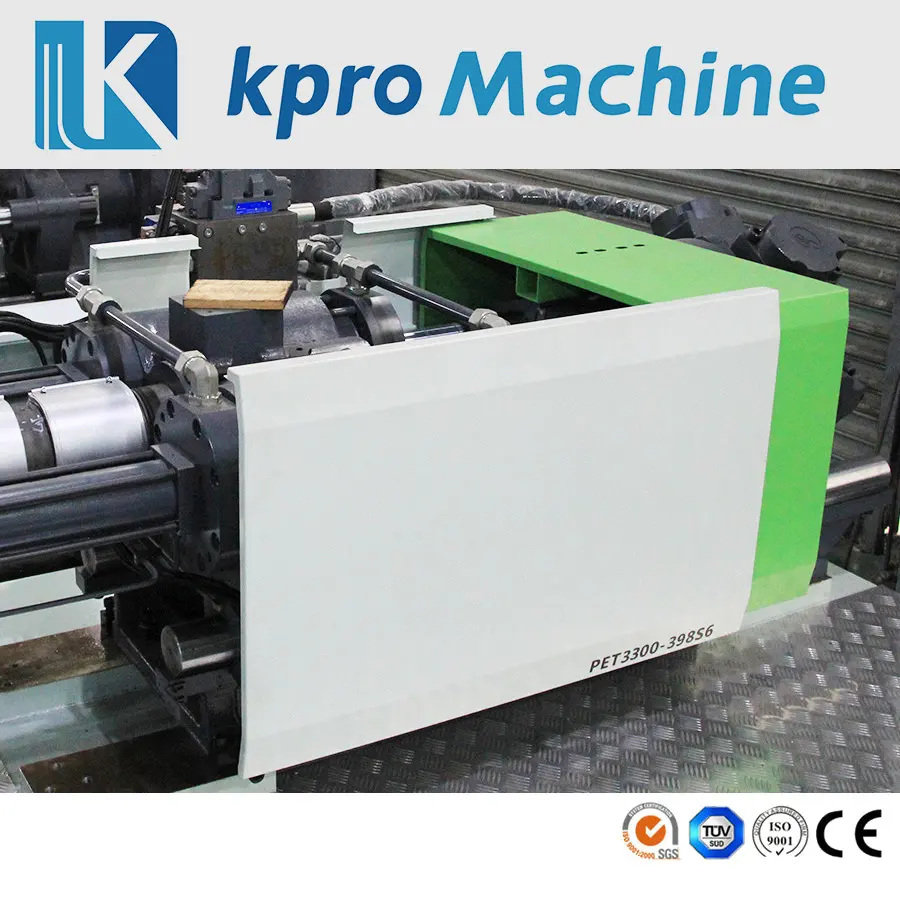
At the core of any injection molding machine sits the injection unit, basically what makes everything work by melting down raw materials and pushing them into molds. Let's break it down into three main parts. First there's the hopper that takes those little plastic pellets and feeds them into the system. Then comes the barrel where heat does its job on the material until it becomes liquid. Finally we have this screw mechanism that actually forces the melted plastic into the mold cavity with pretty good accuracy most of the time. Getting all these pieces working together smoothly matters a lot because when they sync up right, the machine produces consistent results and parts that meet quality standards without too many rejects.
Clamping unit structure and operation
The clamping unit is what keeps everything tight when molten material gets injected into the mold and while it cools down afterward. What makes this whole thing work are those big metal plates one stays still while the other moves back and forth, holding the two halves of the mold together. There's also these long steel rods called tie bars running through them, keeping things aligned so nothing bends out of shape when pressure builds up inside. Getting the right amount of clamping force matters a lot because if it's too weak, stuff leaks out and parts end up all wonky in size. Most shops know from bitter experience that investing in good clamping systems pays off in the long run since it protects expensive molds and keeps product quality consistent batch after batch.
Control systems and electronics overview
Today's injection molding machines come equipped with complex control systems that handle pretty much everything during production. The electronics inside these machines keep an eye on things like heat levels, pressure settings, how fast material gets injected, and when each cycle starts and stops. Most modern setups use advanced PLCs along with HMIs that let workers fine tune operations, spot problems before they become disasters, and keep product quality consistent even after running tens of thousands of parts. Some factories have reported significant improvements in both efficiency and defect rates since upgrading their control systems just a few years ago.
The Business Impact of Regular Injection Molding Machine Maintenance
Impact on production quality and consistency
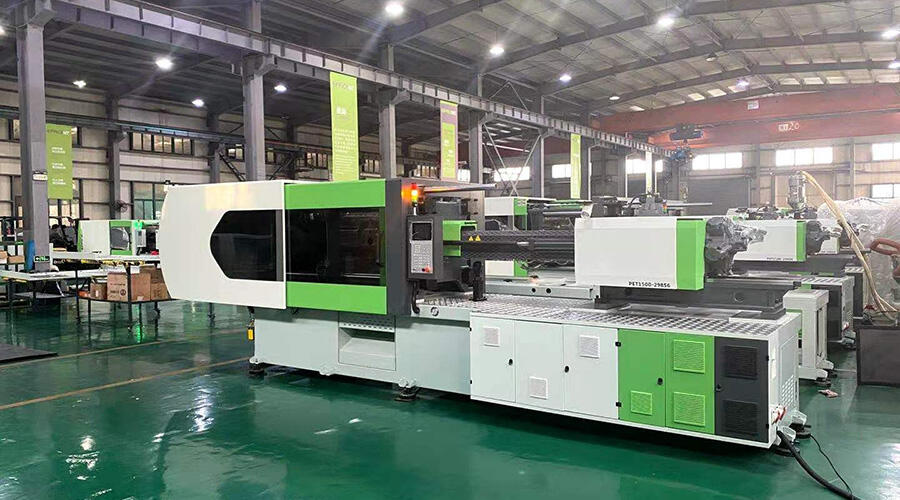
Keeping equipment properly maintained really does improve both product quality and how consistently things get made. The injection unit, clamping system, and those control electronics need to work within tight specs to make parts that don't vary much from one to the next. Factories that take care of their machines see defect rates drop around 35-40%, and parts stay accurate within about 0.02mm. That kind of precision matters a lot in sectors such as cars, medical devices, and gadgets where customers expect components to perform reliably every single time.
Cost benefits of preventive maintenance
Companies that implement regular preventive maintenance see real money savings over time. Fixing problems after they happen? That can run anywhere from fifteen thousand to fifty grand each time something goes wrong. But when factories stick to their maintenance schedules, these costs drop dramatically - usually around 1 to 3 percent of what it costs to own the machinery overall. Factories that focus on prevention report roughly seventy percent fewer unexpected shutdowns compared to those waiting for breakdowns. And maintenance budgets shrink too, often cutting annual spending between twenty five and thirty percent. Why? Parts last longer, machines consume less power day to day, and there's simply less material wasted during operations. The math adds up fast for manufacturers willing to invest ahead of time instead of scrambling later.
Extending the lifespan of your injection molding machine
Regular maintenance can actually double the lifespan of most equipment, taking it from around 8 to 12 years up to somewhere between 15 and 20 years. When operators catch signs of wear early on, like making sure parts stay properly lubricated, replacing worn seals before they leak, and checking electrical connections regularly, they save themselves from major breakdowns down the road. Just keeping things lubricated cuts down on friction by roughly two thirds according to industry data, and getting ahead of small problems stops issues like contaminated hydraulic fluid or failing motors. Looking at the numbers over several years shows that spending about 5% per year on routine upkeep is still way cheaper than dealing with the massive costs when machines need replacing prematurely, which often runs anywhere from three to five times what proper maintenance would have cost.
Industry paradox: short-term downtime vs. long-term reliability
Regular maintenance does mean stopping production for short periods, but it's worth it compared to the mess of unexpected breakdowns that can shut things down completely. Most plants plan around 4 to maybe 8 hours of scheduled downtime each month, while those surprise failures often eat up anywhere from a full day to three days straight. The numbers tell a story too many companies ignore: for every dollar spent keeping machines running smoothly, businesses actually save between five and ten dollars later on when they avoid expensive repairs and lost production time. Smart factories have figured out how to work maintenance into their regular schedules without causing major headaches. They use fancy prediction software to spot problems before they happen, and keep close tabs on something called Overall Equipment Effectiveness (OEE) metrics. These stats help show management why investing in proper maintenance pays off over time, even if it doesn't look impressive quarter to quarter.
Choosing the Right Maintenance Strategy for Your Operation
Selecting the optimal maintenance approach for your injection molding machine requires evaluating equipment criticality, production impact, and available resources. A strategic balance between preventive, predictive, and reactive models determines operational efficiency and cost control.
Preventive Maintenance Schedules for Injection Molding Machines
Preventive maintenance (PM) follows fixed intervals based on manufacturer guidelines and operational hours. Common tasks include:
- Nozzle and screw inspections every 500–800 hours
- Hydraulic filter changes every 2,000 operating hours
- Clamping unit lubrication every 3–6 months
- Quarterly electrical system calibration
This systematic approach reduces unplanned downtime by 45% compared to reactive models while sustaining consistent part quality.
Predictive Maintenance Strategies Using Real-Time Monitoring
Predictive maintenance uses IoT sensors and data analytics to detect issues before failure. Key monitored parameters include hydraulic pressure fluctuations, motor current signatures, barrel temperature consistency, and clamping force deviations. Facilities using these strategies report 25% longer component lifespan and 30% lower maintenance costs due to targeted interventions.
Comparative Analysis: Reactive vs. Proactive Maintenance Models
The maintenance model significantly affects reliability and cost:
| Maintenance Model | Downtime Impact | Cost per Repair | Long-Term Reliability |
|---|---|---|---|
| Reactive | 35% higher | 40–60% higher | Reduces lifespan by 2–3 years |
| Preventive | Controlled | Predictable | Maintains MTBF |
| Predictive | Minimal | Optimized | Improves MTBF by 25–40% |
Proactive models deliver a 3.2:1 ROI through fewer emergency repairs, longer equipment life, and stable output. Operations transitioning to predictive maintenance see 55% fewer production interruptions within the first year.
Daily and Periodic Maintenance Procedures by Cycle
Effective maintenance requires a structured routine across daily, weekly, and monthly cycles to ensure peak performance and prevent costly failures.
Daily Maintenance Procedures and Checklists
Begin each shift with visual inspections for leaks, damage, or loose components. Check hydraulic oil levels, verify lubrication of moving parts, and confirm temperature and pressure settings match production requirements. These 15–30 minute checks prevent up to 85% of potential failures.
Pre-Production Inspection Points to Ensure Readiness
Before starting, verify clamping force and mold alignment. Inspect ejector pins for wear and clean mold surfaces thoroughly. Test safety interlocks and emergency stops. Confirm drying parameters when processing hygroscopic resins to ensure material integrity.
During-Production Monitoring for Early Fault Detection
Monitor cycle times—deviations over 5% may signal developing problems. Listen for unusual noises in pumps or motors. Track energy consumption; sudden spikes often indicate strain. Document any part quality variations, as they frequently reflect machine degradation.
End-of-Shift Maintenance Tasks to Prevent Wear Accumulation
Purge the barrel using appropriate cleaning compounds. Lubricate tie rods and moving components while warm for better penetration. Remove dust and debris from electrical cabinets using approved methods. Log all observations for follow-up during scheduled maintenance.
Weekly and Monthly Maintenance Tasks to Sustain Performance
Weekly tasks include hydraulic filter inspections and lubrication system checks. Monthly procedures should cover hydraulic oil analysis, screw and barrel inspections, and motor alignment verification. Facilities with structured weekly programs report 40% fewer unplanned downtime events.
Lubrication System Maintenance and Best Practices
Use only manufacturer-recommended greases and oils designed for high-temperature plastics processing. Base lubrication schedules on actual runtime hours, not calendar dates. Follow exact quantity specifications—over-lubrication is as damaging as under-lubrication.
Hydraulic System Checks and Service Intervals
Monitor hydraulic fluid temperature; sustained levels above 140°F (60°C) accelerate wear. Test pump efficiency quarterly with flow meters and pressure gauges. Replace filters every 1,000 operating hours or when pressure differentials exceed specifications.
Electrical System Inspection for Safety and Efficiency
Conduct monthly infrared scans of electrical connections to detect overheating. Compare motor currents to nameplate values during operation. Inspect cables for wear or damage. Test ground fault protection devices quarterly to ensure operator safety.
Major Component Servicing: Quarterly and Annual Maintenance
Quarterly and annual maintenance requirements
Regular maintenance checks every quarter and year round are essential for keeping machines running reliably over time. The process includes looking at all the parts that get worn down from constant use, cleaning them up properly, and swapping out anything that shows signs of stress before it actually breaks down. When professionals come in for these inspections, they check everything from how well the mechanical parts work together to whether the electrical system is performing correctly and if safety standards are being met. They often find problems with things like hydraulic cylinders showing cracks after months of pressure, ball screws getting misaligned from repetitive motion, and guide rails wearing unevenly due to the never-ending cycle of production on factory floors.
Major component inspection and service protocols
When checking maintenance on injection molding machines, techs always start by looking at the screw and barrel assembly for signs of wear or corrosion that might mess up the melt quality. They need to make sure nothing's worn down those critical components over time. Next up comes the clamping unit inspection. For machines using toggle mechanisms, they check if everything still lines up properly. On hydraulic systems, they test how well the pressure holds. Platen parallelism gets measured too because even a tiny misalignment can cause major problems later. Finally, control cabinets get a good cleaning out, all the electrical connections get tightened down, and sensors go through their calibration routine. These regular checks keep the whole operation running smoothly, which means better parts coming off the line and fewer unexpected shutdowns that eat into production time.
Case study: Downtime reduction at Zhangjiagang Kpro Machine Co Ltd
One major industrial equipment maker rolled out an aggressive quarterly maintenance plan back in 2022, mixing predictive monitoring tools with planned part swaps. After about twelve months, their factory floor saw nearly half (around 47%) fewer unexpected shutdowns compared to previous years. What did they actually do? They started checking hydraulic systems every quarter, taking precise measurements of screws and barrels, and swapping out parts before they failed based on how long those components had been running. The results were pretty impressive across the board machines stayed online longer, products came out more consistently, and overall maintenance spending dropped by almost a third (31%) year over year according to their internal reports.
FAQ
What are the main components of an injection molding machine?
The main components include the injection unit, which consists of a hopper, barrel, and screw mechanism, and the clamping unit, which uses metal plates and steel rods to maintain mold integrity. Additionally, modern machines have complex control systems for managing temperature, pressure, and cycle timing.
What is the difference between preventive and predictive maintenance?
Preventive maintenance follows a fixed schedule, involving tasks like regular inspections and part replacements. Predictive maintenance uses real-time monitoring and data analysis to predict failures before they occur, allowing targeted interventions to reduce unexpected downtimes.
How can maintenance strategies impact business operations?
Effective maintenance strategies can greatly improve operational efficiency, minimize downtime, and reduce overall maintenance costs. By choosing the right balance between preventive, predictive, and reactive maintenance models, businesses can achieve higher reliability and cost efficiency.
Why is regular maintenance important for injection molding machines?
Regular maintenance improves product quality, reduces defect rates, and extends the lifespan of machines. It prevents costly breakdowns and helps maintain consistent production standards, saving manufacturers on repair costs and downtime.
Table of Contents
- Understanding Key Components of an Injection Molding Machine
- The Business Impact of Regular Injection Molding Machine Maintenance
- Choosing the Right Maintenance Strategy for Your Operation
-
Daily and Periodic Maintenance Procedures by Cycle
- Daily Maintenance Procedures and Checklists
- Pre-Production Inspection Points to Ensure Readiness
- During-Production Monitoring for Early Fault Detection
- End-of-Shift Maintenance Tasks to Prevent Wear Accumulation
- Weekly and Monthly Maintenance Tasks to Sustain Performance
- Lubrication System Maintenance and Best Practices
- Hydraulic System Checks and Service Intervals
- Electrical System Inspection for Safety and Efficiency
- Major Component Servicing: Quarterly and Annual Maintenance
- FAQ