 EN


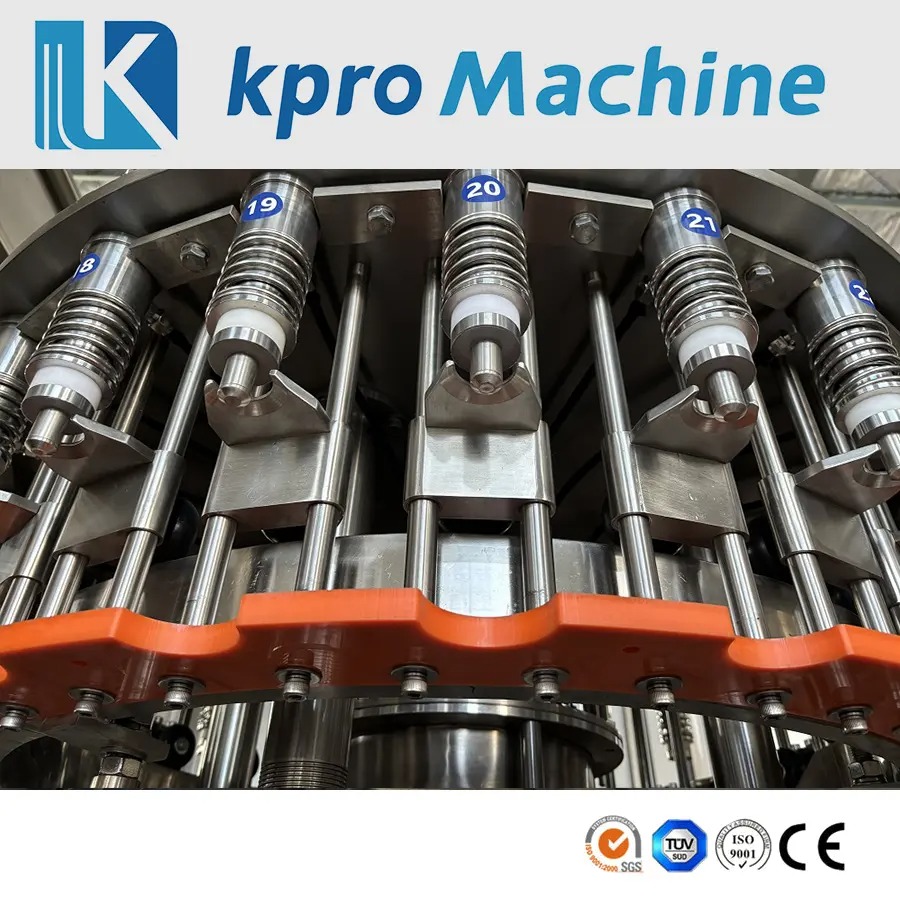
Selecting the right juice machine represents one of the most critical decisions for beverage production facilities. Whether you operate a small juice bar, a mid-scale bottling operation, or a large commercial enterprise, the performance characteristics of your juice machine directly influence production efficiency, product quality, and operational profitability. A high-performance juice machine must balance speed, precision, reliability, and ease of maintenance while maintaining the integrity of your juice product throughout the filling and capping process. Understanding the key features that distinguish premium juice machines from standard equipment helps you make an informed investment decision that aligns with your production goals and budget.

The modern juice machine has evolved significantly from manual filling systems to fully automated solutions capable of handling multiple bottle formats, sizes, and closure types. Today's market offers sophisticated juice machines engineered to meet stringent food safety standards, minimize product waste, and maximize throughput without compromising on quality. The best juice machines incorporate advanced technology, durable construction, and user-friendly interfaces that reduce operator training time and downtime. Investing in a quality juice machine with the right feature set protects your production investment and positions your facility for sustainable growth in the competitive beverage market.
Throughput Capacity and Speed Performance
Understanding Bottles Per Hour Specifications
The throughput capacity of a juice machine, measured in bottles per hour (BPH), represents the primary performance metric for evaluating production capability. High-performance juice machines typically range from 3,000 to 8,000 BPH depending on bottle size, shape, and filling type. A premium juice machine designed for serious commercial operations can achieve 8,000 BPH or higher, enabling large-scale producers to meet demand without requiring multiple machines. When assessing juice machine speed ratings, confirm that the manufacturer specifies throughput for your target bottle size and shape, as specifications can vary significantly across different formats. The actual speed of a juice machine in your facility depends on factors including product viscosity, fill accuracy requirements, and bottle changeover procedures.
Consistency and Reliability Under Load
A truly high-performance juice machine maintains consistent speed throughout extended production runs without performance degradation. Premium juice machines incorporate robust motors, precision drive systems, and advanced control logic that sustains rated throughput even during continuous operation. Reliable juice machines minimize unexpected slowdowns or stoppages that compromise schedule adherence and increase per-unit production costs. Look for juice machine models with proven track records in high-volume environments, as real-world reliability often differs from theoretical specifications. The juice machine you select should demonstrate stable fill weight consistency, cap torque uniformity, and temperature control across your entire production day.
Filling Accuracy and Product Protection
Precision Fill Weight and Volume Control
Filling accuracy directly impacts product consistency, customer satisfaction, and regulatory compliance for your juice machine operation. High-performance juice machines employ multiple fill head configurations, including net weight systems, volumetric pistons, and flow meters that deliver precise fill volumes within tight tolerances. Modern juice machines utilize real-time monitoring sensors that detect underfill or overfill conditions and automatically adjust fill parameters to maintain accuracy. The best juice machine solutions for juice products incorporate gentle fill technologies that prevent aeration, foam generation, and product oxidation during the filling process. Overfilling increases product loss and material costs, while underfilling risks regulatory violations and customer complaints, making fill accuracy a critical juice machine selection criterion.
Temperature Management for Juice Preservation
Many juice products require temperature-controlled processing to preserve nutritional content, flavor profiles, and shelf stability. High-performance juice machine systems for hot-fill applications maintain consistent product temperature throughout the filling cycle, reducing microbial contamination risk and enabling ambient shelf storage. Premium juice machines incorporate jacketed fill bowls, heated fill heads, and temperature monitoring systems that protect heat-sensitive juices during processing. Cold-fill juice machines with integrated cooling systems preserve delicate juice characteristics for fresh juice products that demand minimal processing. The juice machine you select must align with your specific juice type and shelf-life requirements, as temperature management capabilities vary significantly across different juice machine models.
Hygiene Design and Maintenance Efficiency
Sanitary Construction and Washdown Capability
Food safety compliance requires a juice machine with hygienic design principles that minimize contamination risk and enable thorough cleaning. High-performance juice machines feature smooth surfaces, minimal crevices, and stainless steel construction in product-contact areas that resist corrosion and facilitate rapid sanitation. Washdown-rated juice machines withstand high-pressure cleaning environments essential for beverage production facilities operating under strict food safety protocols. The best juice machine designs incorporate quick-disconnect fill heads, removable valve assemblies, and tool-free component access that simplifies cleaning procedures and reduces equipment downtime. Sanitary juice machine design prevents product residue accumulation, eliminates bacterial growth pathways, and demonstrates compliance with HACCP and food safety modernization regulations.
Reduced Maintenance Requirements
A well-engineered juice machine minimizes maintenance frequency and complexity, reducing operational expenses and production interruptions. Premium juice machines employ sealed bearing systems, hardened steel fill nozzles, and self-lubricating components that extend service intervals and reduce wear-related failures. The ideal juice machine balances automation features with maintainability, incorporating sensor diagnostics that alert operators to upcoming maintenance needs before problems occur. High-performance juice machine manufacturers provide comprehensive spare parts availability and technical support, ensuring quick resolution of any issues. When evaluating juice machine options, inquire about preventive maintenance schedules, typical service intervals, and availability of factory-trained technicians in your region.
Flexibility and Adaptation to Product Variety
Multi-Format Capability and Quick Changeovers
Modern beverage producers often run multiple juice products across various bottle sizes and shapes, requiring a flexible juice machine capable of rapid format transitions. High-performance juice machines incorporate modular fill head designs, adjustable fill bowl heights, and quick-change capping turrets that accommodate diverse packaging configurations. Premium juice machine systems enable operators to reprogram fill volumes, speeds, and temperature settings through intuitive control interfaces, minimizing changeover time between juice products. The best juice machines for flexible production environments support cap sizes ranging from small juice bottles to large containers without requiring significant mechanical modifications. Evaluate juice machine options based on your projected product range and changeover frequency, as flexibility features represent important productivity factors for multi-SKU operations.
Integration with Upstream and Downstream Equipment
Your juice machine operates within a complete production line including defoaming systems, filtration equipment, capping machines, and labeling stations. High-performance juice machines feature standardized interfaces and synchronized conveyor systems that enable seamless integration with upstream juice processing and downstream packaging equipment. Premium juice machine designs incorporate buffer zones, accumulation tables, and feedback systems that accommodate timing differences between production stages. The juice machine you select should communicate with your production management system, providing real-time production data, downtime tracking, and performance analytics. Advanced juice machine integration capabilities enhance overall line efficiency and provide valuable insights for continuous process improvement.
FAQ
What Makes a Juice Machine High-Performance?
A high-performance juice machine combines rapid throughput, precise fill accuracy, robust reliability, and advanced safety features that deliver consistent product quality across high-volume production runs. The best juice machines incorporate durable construction, sanitary design, intuitive controls, and minimal maintenance requirements that support economical, efficient operations. High-performance juice machines specifically engineered for juice products protect flavor, nutritional content, and shelf stability while maintaining strict food safety compliance.
How Should Fill Accuracy Be Verified on a Juice Machine?
Verify juice machine fill accuracy by conducting statistical weight sampling during production runs, measuring both average fill weight and variance across multiple bottles. Premium juice machines include built-in weight monitoring systems that display real-time fill data and trigger automatic corrections when fill weight drifts beyond tolerance ranges. Request that juice machine suppliers provide fill accuracy documentation from comparable production environments and demonstrate calibration procedures that maintain precision over extended production periods.
What Sanitary Features Are Essential in a Juice Machine?
Essential sanitary features in a juice machine include stainless steel product-contact surfaces, tool-free disassembly for cleaning, sealed bearing systems that prevent contamination ingress, and washdown-rated electrical enclosures. The best juice machines incorporate hygienic nozzle designs that eliminate dead zones where juice residue accumulates, and they facilitate rapid validation of sanitation effectiveness through documented cleaning protocols. Look for juice machine certifications confirming compliance with food safety standards and sanitary design guidelines for beverage processing equipment.