 EN
EN
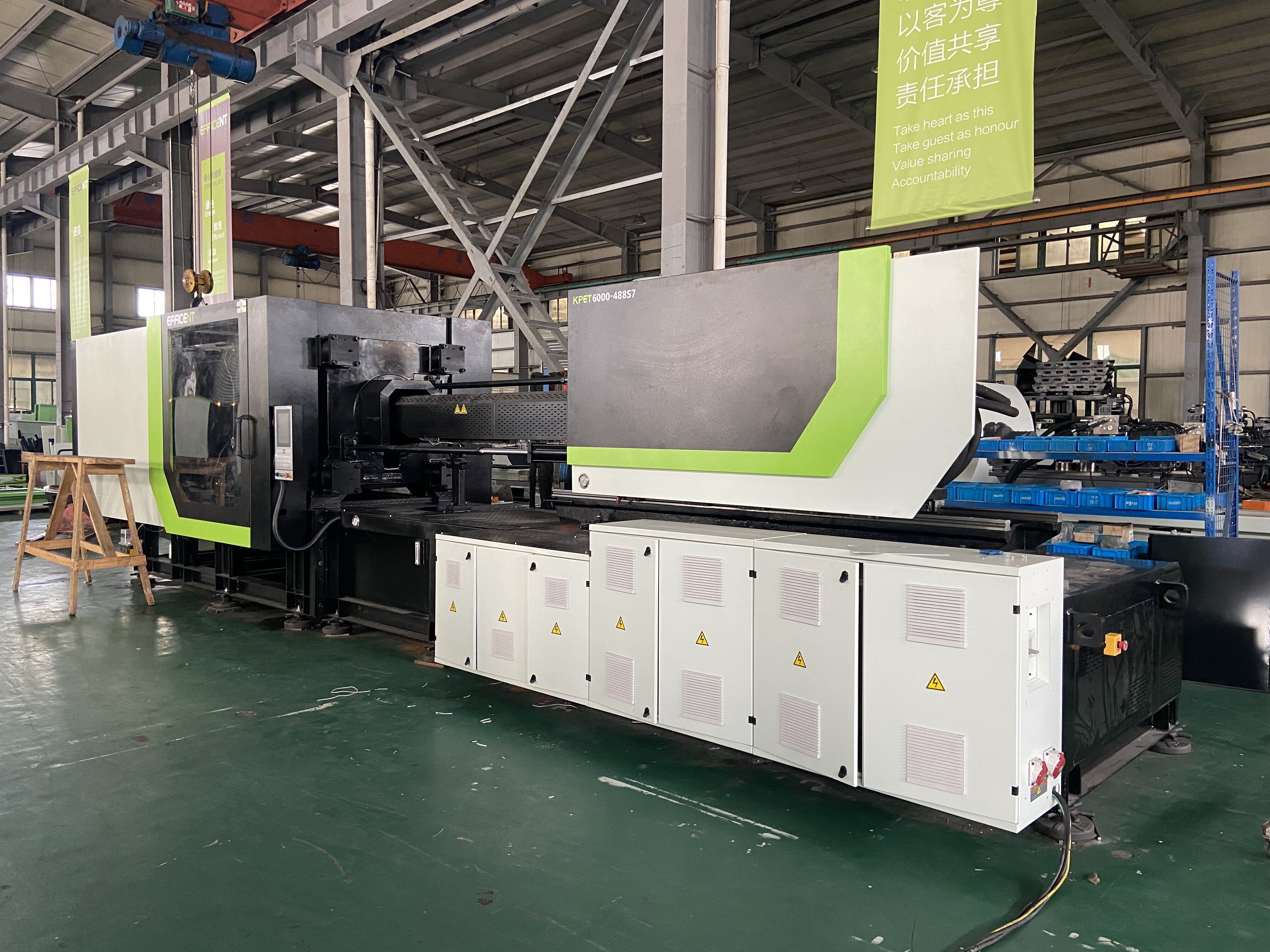
Core Mechanism: Working Principles of Hydraulic, Electric, and Hybrid Injection Molding Machines
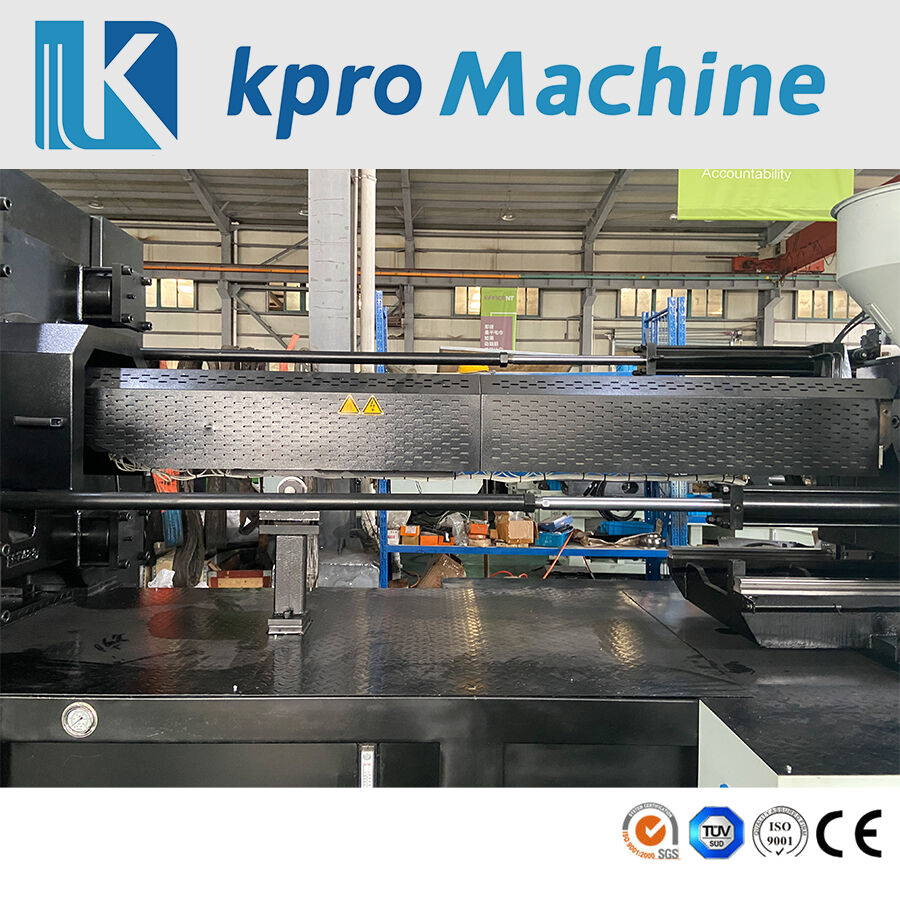
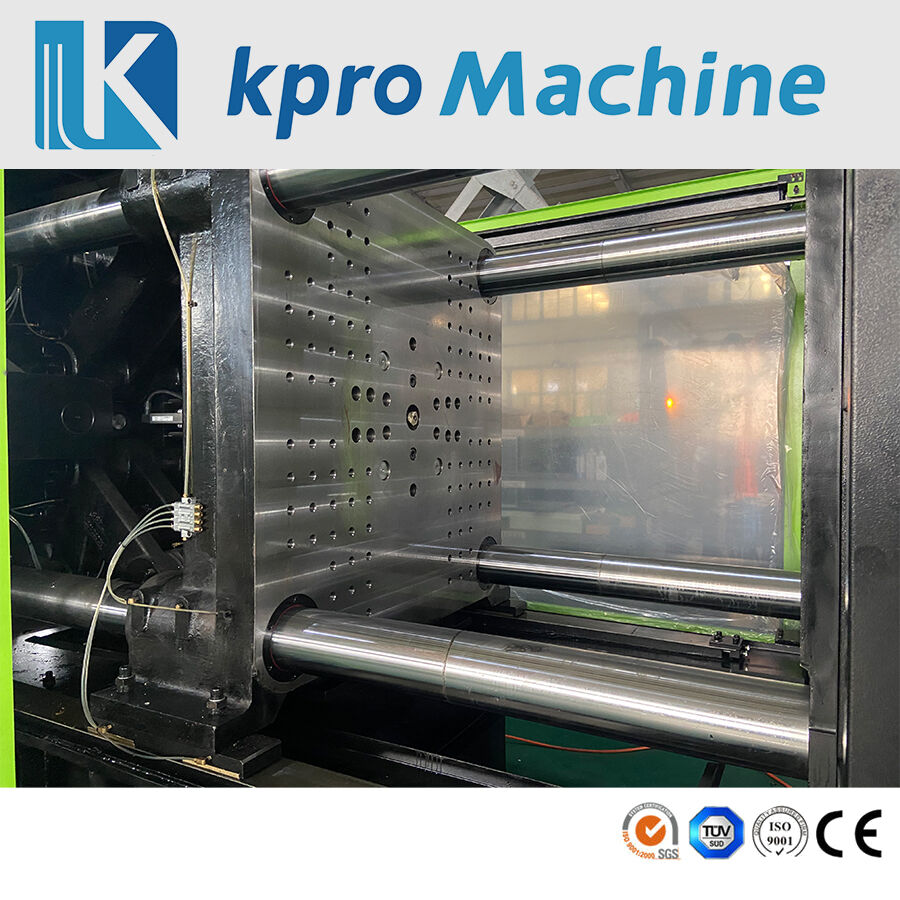
Hydraulic injection molding machine : Utilizes fluid power to achieve high clamping force
In hydraulic injection molding machines, pressurized hydraulic oil drives key operations such as injection, screw rotation, and mold clamping. The system works by a hydraulic pump delivering oil through various control valves to the cylinders, generating linear motion and powerful force output. These machines can withstand clamping forces exceeding 1000 tons, making them commonly used in factories producing large industrial parts. Admittedly, they can withstand heavy loads and have been a reliable mainstay for decades. However, many manufacturers are now noticing a problem: the hydraulic pump needs to run continuously, and hydraulic oil has a certain degree of compressibility, meaning these older systems are less energy-efficient and less precise than newer electric injection molding machines, which are increasingly favored by manufacturing plants worldwide.
Electric injection molding machine: servo motor and ball screw enable high-precision injection molding.
In electric injection molding machines, traditional hydraulic systems are replaced by servo motors and mechanical components such as ball screws and linear guides. These components convert the motor's rotary motion into precise linear motion with micron-level accuracy, enabling material injection and mold clamping operations. Because no hydraulic oil is used, there is no risk of contamination from leaks or spills, making these machines particularly suitable for extremely clean environments where even microparticles are a concern, such as medical device manufacturing or semiconductor production. Furthermore, thanks to a closed-loop control system, the machine's performance remains stable throughout the entire production process. An additional advantage is that electricity is only consumed when the machine is actually moving parts, rather than idle and waiting for instructions. This means significant energy savings compared to traditional hydraulic presses that continuously pump power.
Hybrid injection molding machine: combines the advantages of hydraulic and electric systems.
Hybrid injection molding machines combine electric and hydraulic components, striking a balance between performance and operating costs. Most models are equipped with servo motors for precise control during the injection phase, while relying on hydraulic systems for mold clamping when greater force is required. This configuration meets the processing needs of large molds while effectively reducing energy consumption and providing better control performance than traditional pure hydraulic injection molding machines. Industry data shows that these hybrid systems can save approximately 30% to 50% of energy consumption compared to fully hydraulic injection molding machines. For many manufacturing companies, this represents a wise trade-off: improved precision and efficiency without the need for an immediate investment in expensive all-electric equipment.
Energy Efficiency and Environmental Impact Across Machine Types
Energy consumption patterns in hydraulic systems with oil pump operation
The oil pumps in hydraulic injection molding machines need to keep running all the time just to hold system pressure, even when nothing's actually being produced. And what happens? A lot of wasted energy because these machines are still burning power whether they're making parts or sitting there doing nothing. Research indicates somewhere around 58 percent of the electricity used in these hydraulic setups ends up going toward keeping pressure stable and powering ancillary components instead of actual manufacturing tasks according to a study published back in 2017. For manufacturers running their lines for extended periods, this kind of inefficiency means bigger bills at month end plus a heavier footprint on the environment over time.
Electric machines and their superior energy efficiency through closed-loop control
The energy efficiency of electric injection molding machines comes from their closed loop servo systems that only pull power during actual movement. Unlike hydraulic systems that run continuously, these electric units match their energy consumption directly to what's needed at any given moment. According to industry reports, manufacturers typically see anywhere between 40 to 60 percent savings in electricity costs compared to traditional hydraulic machines. Plus there's the bonus of significantly reduced noise levels and quicker production cycles. For shops trying to cut down on both environmental impact and monthly bills, switching to electric makes real business sense. Many plastics producers have already made the switch because the long term savings often outweigh initial equipment costs within just a few years.
Hybrid systems as a middle ground solution for moderate energy savings
Hybrid injection molding machines save energy in specific ways by combining electric servo motors for the injection part with hydraulic systems handling the clamping function. The setup cuts down on power usage during what's arguably the most critical phase of the process injection while still keeping those strong hydraulic forces when needed. Most plants report somewhere between 20% to 40% less energy consumption compared to older purely hydraulic models. For many shops looking to boost their bottom line, these hybrids represent a smart middle ground. They get better efficiency gains than traditional machines but don't require the big investment that comes with switching entirely to electric systems, which can be quite expensive upfront even though they might save money long term.
Precision, Repeatability, and Process Control in Injection Molding Machines
Repeatability and precision in electric injection molding machines using servo-driven systems
The electric injection molding machines have better repeatability because they come equipped with those servo driven systems that include high resolution encoders plus real time feedback mechanisms. What does this mean practically? Well, operators get much tighter control when it comes to managing injection speed, pressure levels, and positioning accuracy. The dimensional tolerances stay within a range of around 0.01mm to 0.1mm most of the time. When looking at product weight differences, we're talking about variations usually staying under 0.7%. That kind of consistency makes all the difference during long production runs. Medical device manufacturers really appreciate this since even small inconsistencies can be problematic for implants or surgical tools. Similarly, electronic component producers need parts that fit together perfectly every single time without fail.
Limitations in hydraulic machine precision due to fluid compressibility
Getting hydraulic machines to deliver real precision is tough because fluids get compressed and react to temperature changes. When oil gets thicker or thinner just from small temperature swings, the pressure isn't delivered consistently anymore, which messes up dimensions on parts being made. The control systems used are pretty basic too, so adjusting parameters becomes a real challenge when trying to keep those tight tolerances day after day. These machines work fine for most everyday stuff, but manufacturers needing super accurate results often have to look elsewhere since hydraulics just can't match what's needed in precision machining shops.
Hybrid machines balancing precision and power for mid-tier applications
Hybrid injection molding combines the best parts of electric and hydraulic technology. Electric drives handle the injection part of the process, while hydraulics take care of the clamping force. What this does is give manufacturers better control over their processes with less variation from batch to batch than traditional hydraulic machines can offer. At the same time, these hybrids maintain the strong clamping power necessary when working with bigger molds. They save some energy too, though not as much as fully electric models, and deliver greater precision overall. For shops running medium volume production runs where getting consistent results matters but maximum speed isn't everything, hybrid machines strike a good balance between cost effectiveness and performance requirements.
Cost Analysis: Initial Investment vs. Total Cost of Ownership
Initial cost differences: Why hydraulic machines have lower upfront investment
When it comes to injection molding equipment, hydraulic machines typically have the lowest purchase price, usually somewhere between 20 and maybe even 30 percent cheaper than their electric counterparts. Why? Well, these machines rely on manufacturing techniques that have been around for decades, plus they're built with components that are just simpler overall. The industry has figured out how to produce them efficiently at large volumes too. Small shops getting started or mid-sized companies working with tight budgets find this initial cost difference pretty attractive. A lot of newcomers actually start with hydraulic systems because they represent a more affordable way to get into injection molding without breaking the bank upfront.
Long-term savings in electric machines through reduced energy and maintenance
Electric injection molding machines cost more upfront but actually save money over time. These machines cut down on energy usage quite a bit, around 40 to 60 percent, because they don't run pumps all day long like traditional ones do. Instead, they draw power only when moving parts need it. The maintenance side is another big plus too. No need for regular oil changes, filters getting swapped out every few months, or dealing with those annoying hydraulic leaks that always seem to pop up. Industry folks have looked into this stuff and found something interesting. For companies running lots of production cycles, the extra cash spent on an electric machine typically pays itself back within just two to three years. That makes sense when thinking about how much less downtime there is and what those saved dollars can do elsewhere in operations.
Total cost of ownership across machine types based on production volume
The total cost of ownership for manufacturing equipment really hinges on how much production takes place each year. When operations run under about 2,000 hours annually, hydraulic machines tend to be the most cost effective option overall. Their upfront cost is significantly lower than other types, even though they do consume more power during operation. For shops that operate between 2,000 to 5,000 hours yearly, many manufacturers report better results with hybrid systems. These setups cut down on energy expenses without requiring the substantial capital outlay needed for fully electric alternatives. And then there are the high volume producers who run over 5,000 hours every year. These facilities typically see the biggest returns when switching to electric machines. Some companies have reported saving anywhere from fifteen to thirty thousand dollars each year just on energy alone, plus the maintenance requirements drop dramatically too, which makes sense given the long term nature of these investments.
Application Suitability and Industry-Specific Selection Criteria
High-tonnage applications favoring hydraulic machines despite inefficiencies
For jobs needing massive clamping force above 500 tons, hydraulic injection molding machines are still what most shops rely on, particularly in the auto and industrial manufacturing worlds. These machines can push out that serious power reliably, which is why they're so commonly used when making big parts like car bumpers, dashboards, and those huge storage containers we see everywhere. Sure, they don't run as efficiently as newer electric or hybrid models on the market today, but nobody argues about their toughness or raw power output. That's why many factories keep using them despite rising energy costs, since getting the job done right often matters more than saving a few bucks on electricity bills in these demanding production environments.
Medical and electronics manufacturing driving demand for cleanroom-safe electric machines
The medical and electronics industries mostly rely on electric injection molding machines because they run clean and don't need oil, plus they offer really good precision. Since these machines don't use hydraulic fluid at all, there's zero chance of leaks or particles getting into products, which matters a lot in those cleanrooms rated ISO Class 7 or 8. The servo control systems give consistent results down to about 0.01mm accuracy, so they work great when making things like surgical instruments, test equipment parts, and tiny housing components for electronics. According to industry data, switching from hydraulic to electric systems cuts down on contamination problems by around 85%, which explains why manufacturers keep choosing electric machines for applications where purity is absolutely essential.
Cycle time, productivity, and batch size influencing machine selection
What kind of production needs a factory has really matters when picking out machines. Electric models generally run about 15 to maybe even 30 percent quicker than others because they can accelerate fast and move parts with pinpoint accuracy. This makes them great for big batches where getting products out quickly counts for everything. For shops that aren't running at full capacity all the time, hybrid systems work pretty well too. They strike a balance between decent speed and enough power to handle tricky mold designs without breaking the bank. When it comes down to choosing equipment, most plant managers look at several things together annual production volumes, how complicated each part is, what materials go into making them, plus obviously budget limits. Getting this right means better results while still keeping costs under control.
FAQ: Frequently Asked Questions
What are the main differences between hydraulic, electric, and hybrid injection molding machines?
Hydraulic machinery, driven by pressurized fluid, is ideal for high-tonnage operations. Electromechanical machinery, using servo motors, balances precision and energy efficiency, making it suitable for clean environments. Hybrid machinery combines the advantages of both to balance performance and cost.
Which machine is more energy efficient?
Electric injection molding machines are generally more energy-efficient because they use a closed-loop control system that consumes electricity only during operation. Hybrid injection molding machines are also more efficient than purely hydraulic injection molding machines.
Despite their low efficiency, do hydraulic machines still have practical applications?
Yes, hydraulic machinery remains crucial for high-tonnage applications such as automotive and industrial manufacturing, where raw power output is more critical than energy efficiency.
What are the cost implications of choosing each machine type?
While hydraulic machinery has lower initial investment costs, electric machinery can save money in the long run by reducing energy and maintenance costs. Hybrid machinery, on the other hand, offers a compromise between cost and efficiency.
Which industries are more inclined to use electric injection molding machines ?
Industries such as medical device manufacturing and electronics products tend to use electric machines because they are precise and pollution-free.
Table of Contents
- Core Mechanism: Working Principles of Hydraulic, Electric, and Hybrid Injection Molding Machines
- Energy Efficiency and Environmental Impact Across Machine Types
- Precision, Repeatability, and Process Control in Injection Molding Machines
- Cost Analysis: Initial Investment vs. Total Cost of Ownership
- Application Suitability and Industry-Specific Selection Criteria
-
FAQ: Frequently Asked Questions
- What are the main differences between hydraulic, electric, and hybrid injection molding machines?
- Which machine is more energy efficient?
- Despite their low efficiency, do hydraulic machines still have practical applications?
- What are the cost implications of choosing each machine type?
- Which industries are more inclined to use electric injection molding machines ?