 EN
EN



Short Shots and Filling Deficiencies in Injection Molding Machines
Understanding the causes of short shots: Material flow and cavity filling failures
When molten plastic doesn't fully fill up the mold cavity during injection molding, we get what's called short shots. These incomplete parts are a major headache for manufacturers because they waste materials and slow down production lines. The main reasons behind this issue usually involve problems with how the material flows through the system. Sometimes gates get too narrow or get clogged somehow, other times there just isn't enough pressure pushing the plastic forward, or worse still, the temperatures aren't set right. Plastic becomes really thick and hard to move around when either the melt temperature or mold temperature drops too low. And let's not forget about those pesky air pockets that form if the mold isn't properly vented. This happens especially often with complicated molds that have lots of thin sections or far reaching features where air gets trapped and blocks the plastic from filling everything properly.
Optimizing injection pressure, speed, and mold temperature for complete fill
To stop those pesky short shots from happening, manufacturers need to get really good at adjusting the main process settings. Boosting injection pressure and speeding things up can really help fight against flow resistance problems, particularly when dealing with complex part designs that have lots of corners and tight spaces. Warmer molds tend to work better too since they lower the material's thickness, allowing it to move through the system more easily without breaking down. Getting the right amount of material into the mold matters just as much as keeping the melting temperature steady throughout production runs. Most shops find that when they tweak all these factors together, about 8 out of 10 short shot problems disappear. Still, every situation is different enough that some trial and error remains necessary despite what the simulation software might predict.
Case study: Resolving chronic short shot issues at a leading injection molding machine manufacturer
One leading manufacturer of injection molding machines recently solved their ongoing issue with short shots by making several key adjustments. They boosted the injection pressure around 15 percent, tweaked the mold temperatures to find that sweet spot, and completely redesigned the gate system so molten material could flow more smoothly into all corners of the mold cavity. These changes cut down on defective parts by nearly 90 percent, which was quite impressive given how stubborn these issues had been. What really made the difference was adding those extra vents throughout the mold to let trapped air escape during the cycle. This case shows that when companies tackle both the process parameters and actual mold geometry together, even long-standing filling problems can finally get resolved.
Sink Marks, Voids, and Internal Shrinkage in Plastic Parts
How uneven cooling and thick wall sections lead to sink and voids
Sink marks and voids typically show up when parts cool unevenly or have walls that are too thick. When certain sections of plastic are thicker, they take longer to cool down compared to thinner areas nearby. This means those thicker spots will shrink later once the surface has already hardened. As these areas contract differently, they pull material inward creating either visible dips on the surface (what we call sink marks) or empty spaces inside the part itself (voids). We see this problem happen most often with materials such as polypropylene which goes through big changes in density when it crystallizes, making shrinkage even worse. Parts with walls over 4mm thick face much higher risks because the extra heat stays trapped longer, leading to more pronounced shrinkage effects and stronger internal stresses within the finished product.
Balancing packing pressure, holding time, and material selection
Getting control over those pesky sink marks and voids really comes down to getting three things right: packing pressure, holding time, and what kind of resin we're working with. When we crank up the packing pressure, it pushes extra material into the mold cavity which helps fill in gaps caused by shrinkage during cooling. But there's a catch here too much pressure can lead to unwanted flash around the edges. For holding time, most folks find they need to keep pressure applied until the gate freezes off, usually somewhere between 2 to 10 seconds depending on how complex the part is and what material they're using. Choosing the right material matters big time. Semi crystalline resins tend to shrink quite a bit more than their amorphous counterparts like ABS. We're talking about differences of around 1.5 to 2.5% versus just 0.5 to 0.7%. Some actual shop floor experience shows that bumping packing pressure by about 10% can cut sink depth nearly in half sometimes even better. And if manufacturers give themselves an extra 30% on holding time, they often see roughly a quarter improvement in how well the material fills out the space properly.
Design trends: Achieving uniform wall thickness to prevent internal defects
In today's design world, keeping walls pretty much the same thickness across a part is really important stuff for manufacturing. We're talking about variations no more than 15% difference from one spot to another. This helps stop problems when different areas cool at different rates inside the mold, which can mess up the final product. When moving from thicker to thinner parts of a component, designers need to make those changes happen slowly instead of abruptly. Adding things like ribs or gussets where needed gives extra strength without making certain spots too hot during production. Many companies now rely on sophisticated simulation programs that let engineers see how heat moves through materials and spot potential shrinkage issues way before they actually build the tooling. These computer models save a ton of time overall, sometimes cutting down development cycles by as much as 40%. They also help figure out where to place gates properly, how to arrange cooling channels effectively, and ensure materials get distributed just right throughout the mold cavity so every batch comes out looking good.
Warping and Dimensional Distortion in Injection Molded Components
Thermal Stresses and Non-Uniform Contraction as Root Causes of Warping
Parts warp when they cool unevenly, creating internal stresses that make them bend, twist or bow out of shape. This happens because different areas solidify at different speeds. Think about parts with walls of varying thicknesses, odd shapes that aren't balanced, or cooling systems that don't distribute heat properly. The thicker sections tend to shrink more than thinner areas, which pulls everything out of alignment. Materials like polypropylene are particularly susceptible since they shrink differently in various directions. Recent research shows that around two thirds of all warping problems come down to these cooling issues and shape imbalances. That's why good design combined with proper manufacturing controls makes such a difference in preventing warped parts.
Implementing Symmetrical Part Design and Controlled Cooling Strategies
Designers looking to avoid warping need to think about symmetry in their layouts and make sure walls are all about the same thickness so shrinkage forces don't get out of hand. Sudden changes in geometry are trouble spots that should be smoothed out somehow. Adding ribs or gussets at key points can give extra strength without making parts heavier than necessary. When it comes to manufacturing processes, controlling how things cool down matters a lot. Getting the coolant flowing right through proper channels at just the right temps makes all the difference for even heat removal across the part. Those fancy conformal cooling channels that actually match the shape of the component work wonders compared to old school straight drill holes which just don't touch all areas properly. Tweaking mold temperatures, adjusting holding pressures, and watching cooling times according to what kind of material we're working with really helps keep dimensions stable. A plastics company in Ohio saw their warpage problems cut by almost half once they started using better cooling systems and redesigned some of their tooling approaches.
Case Study: Reducing Warpage Using Balanced Cooling Channels and Simulation Tools
One major equipment manufacturer tackled the problem of persistent warping in complicated parts that kept getting rejected at alarming rates. Looking into why this was happening showed two main issues: inconsistent cooling patterns and parts with irregular shapes. To fix things, engineers completely overhauled the cooling system by adding channels that followed the exact contours of each component, which helped pull heat away evenly across surfaces. Running mold flow simulations highlighted areas where stress built up during production, so they moved gates around and adjusted how thick different walls were. These changes dramatically improved quality control in their manufacturing process.
- Enhanced Cooling Layout: Conformal channels reduced temperature variation by 30%.
- Material Adjustment: Switched to a low-shrinkage, glass-filled polymer.
- Process Tweaks: Increased holding pressure and extended cooling time. Post-implementation, warpage dropped by 75%, significantly improving dimensional consistency. This case highlights how simulation-driven design combined with targeted process changes delivers measurable quality gains.
Weld Lines, Flow Marks, and Surface Quality Issues
How Weld Lines Form and Affect Structural Integrity in Complex Molds
Weld lines happen when different parts of molten plastic come together after going around things like core pins or inserts in the mold. What usually happens is these meeting points don't bond properly, which leaves behind those annoying visible lines and creates weaker spots in the final product. The science behind it? Molecular chains just don't get a chance to fully mix at these interfaces, and this can cut down on strength by as much as 80% compared to regular plastic. We've seen this in our own testing too. For manufacturers working with multi-gated molds or really complicated designs, this becomes a big problem. More gates mean more places where the plastic might cool too quickly before everything gets properly fused together. That's why so many shops spend extra time optimizing their mold design to minimize these issues.
Improving Fusion With Optimized Melt Temperature and Injection Speed
Getting stronger weld lines starts with tweaking two main factors: melt temperature and how fast material gets injected into the mold. When manufacturers bump up the melt temp around 10 to 15 degrees Celsius, it actually gives those polymer chains more room to move around. This movement helps them mix better where different sections meet during the molding process. At the same time keeping injection speeds consistently high matters too because if things cool down too quickly, the parts just won't fuse properly. According to recent studies published in Polymer Engineering last year, making these adjustments together can boost weld line strength anywhere from 40% all the way up to 60%. For production teams dealing with quality issues, this approach offers real benefits for both appearance and structural integrity without requiring major equipment overhauls.
Reducing Flow Lines and Gate Vestige Through Nozzle and Gate Design
Those streaky patterns we call flow lines usually start at the gates when molten material enters the mold cavity too fast or cools down suddenly. The problem gets worse if the material isn't flowing smoothly. Tapered nozzles do a better job keeping the melt temperature steady throughout the process. And switching to fan gates or tab gates makes a big difference too since they create smoother flow instead of all that turbulence. Gate vestige is another issue many manufacturers face. These are those little marks left behind after parts separate from the mold. But there are solutions out there now. Reverse taper gates and thermal gates significantly reduce these unwanted protrusions while giving products a much cleaner finish overall. A plastics company in Ohio actually saw their flow line problems drop by around 70% once they upgraded both their nozzles and gate systems. They had been struggling with quality issues for months before making these changes.
Innovations in Hot Runner Systems and Mold Flow Analysis Software
Today's hot runner systems come equipped with temperature controls for specific zones along with heaters that respond quickly to changes, keeping the molten material consistent during production cycles. This helps avoid problems like stagnant areas or cold spots forming in the material. When paired with mold flow analysis software that can predict how materials will fill molds, where pressure might drop, and what kind of defects could form with around 90 percent accuracy, manufacturers can fix issues even before they start making parts. Plants that have adopted these advanced hot runner systems together with simulation technology are seeing roughly 65 percent fewer surface flaws than those using older methods according to recent industry reports from Manufacturing Technology Insights back in 2024.
Flash, Bubbles, and Other Common Defects in Injection Molding Machines
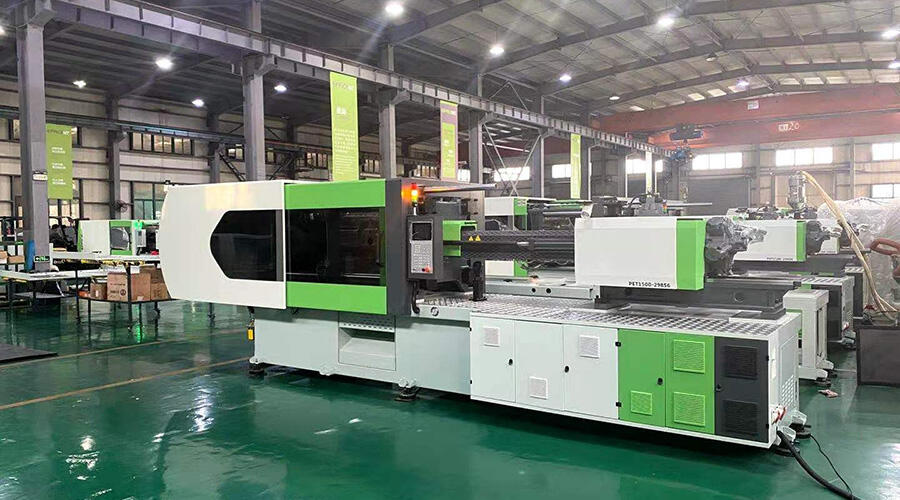
Causes of flash: Clamp force imbalance, mold wear, and venting issues
When flash happens, it's basically molten plastic sneaking out between the mold halves and leaving behind those thin strips of extra material right where the mold parts meet. There are several main reasons this tends to happen. First off, if the clamp force isn't strong enough, the mold just won't hold tight enough during production. Also, molds that have been used a lot tend to wear down over time, creating tiny gaps that let plastic escape. And then there's the issue with venting systems not doing their job properly, which means trapped gases build up pressure in certain spots. Things get even worse when injection pressure goes too high or when the melt temperature is set above normal levels. These problems become particularly noticeable on older machines or when working with multi cavity molds that already have more complexity built into them.
Eliminating bubbles and blisters through resin drying and process control
Bubbles and blisters happen when air gets trapped or moisture turns into vapor during the injection process. If we want to stop these issues, drying resins properly is essential. Most manufacturers dry their materials between about 80 to 90 degrees Celsius for roughly two to four hours until moisture content drops under 0.02%. There are several things that can help control this problem. First, adjusting how fast material gets injected helps reduce air getting trapped inside. Second, proper venting is important too, usually around 0.02 to 0.04 millimeters deep works well enough. And finally keeping the melt temperature steady makes sure viscosity stays consistent so gases have a chance to escape rather than forming bubbles.
Preventive maintenance and real-time monitoring for defect reduction
Good preventive maintenance cuts down on defects because it keeps checking clamp forces, looks at mold parts for damage, and makes sure vents stay clean. The newer equipment comes with monitoring systems that watch pressure changes, track how hot things get during cycles, and keep tabs on overall stability so problems show up before they become big issues. When these monitoring systems spot something off like worn molds, inconsistent materials coming in, or when processes start drifting away from specs, operators can jump in quick. Fixing these issues early means less wasted product sitting in bins and fewer unexpected shutdowns that throw production schedules completely out of whack.
Case study: Flash and delamination control at Zhangjiagang Kpro Machine Co Ltd
The Zhangjiagang Kpro Machine Company was dealing with serious problems with flash and delamination in their production line. These issues were causing around 12% of their output to end up as scrap, plus constant damage to molds that kept happening over and over again. To fix things, they started using better systems to monitor how tight the clamps were during production. They also brought in automatic drying for resins and completely reworked the venting system throughout all their molds. After about half a year, the amount of scrap went way down to just under 2.5%. At the same time, their overall equipment effectiveness jumped nearly 20% because there were far fewer times when machines had to stop running and maintenance became much less of a headache.
FAQ
What causes short shots in injection molding?
Short shots occur when molten plastic doesn't fully fill the mold cavity due to issues with material flow, such as narrow or clogged gates, insufficient pressure, or inadequate temperatures.
How can manufacturers reduce sink marks and voids?
Manufacturers can reduce sink marks and voids by balancing packing pressure, adjusting holding time, and selecting appropriate materials to ensure proper filling and cooling in molds.
What leads to warping in molded components?
Warping is often caused by uneven cooling and non-uniform contraction, resulting in thermal stresses that distort the shape of the part.
How can weld lines be improved in injection molding machine?
Improving weld lines involves optimizing melt temperature and injection speed to allow polymer chains to mix better, enhancing fusion strength.
Table of Contents
- Short Shots and Filling Deficiencies in Injection Molding Machines
- Sink Marks, Voids, and Internal Shrinkage in Plastic Parts
- Warping and Dimensional Distortion in Injection Molded Components
- Weld Lines, Flow Marks, and Surface Quality Issues
- Flash, Bubbles, and Other Common Defects in Injection Molding Machines